
Just northeast of Greater London, it should be little surprise that the county of Essex has plenty of connections to royalty. For hundreds of years, members of the Royal Family have made their homes in Essex when they needed an escape from the city. From the Norman invasion through the present day, you can find royal connections in many parts of Essex. We’ve outlined five different places across the county where you can experience some royal history, and since this is not an exhaustive list, you can share some other Essex royal connections with us in the comments.
Hadleigh Castle
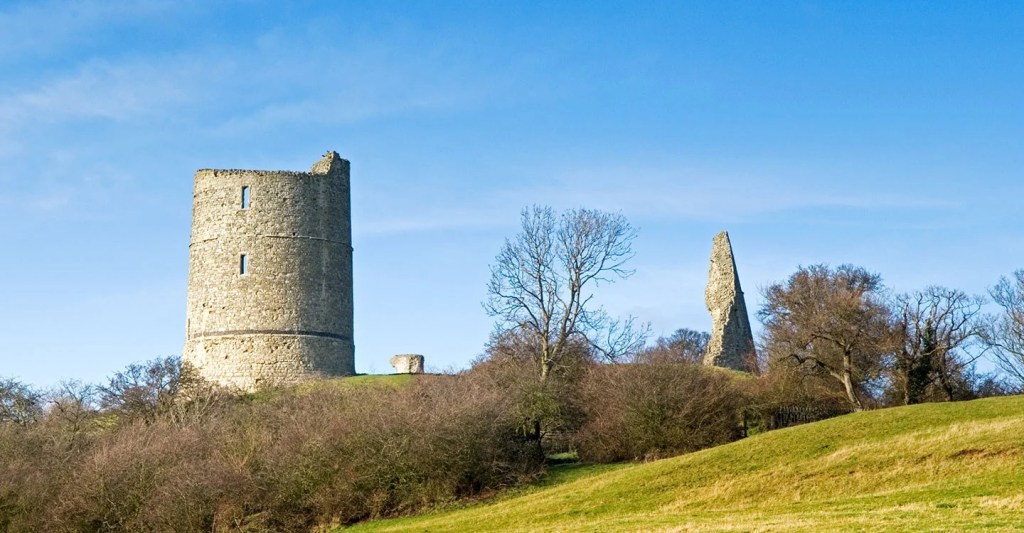
Hadleigh Castle today is little more than a pile of ruins that overlooks the Thames Estuary near the Town of Hadleigh. Hubert de Burgh built it after 1215 AD, but King Henry III had him imprisoned and stripped the castle from him, making it Crown property. Kings Edward II and Edward III made further improvements to the castle, but it fell out of favor with their descendants, and it started being broken up during the 16th Century, leading to its current condition today. What remains is a Grade I listed monument.
Palace of Beaulieu

Another great building that has since fallen into ruin, the Palace of Beaulieu, had a history that goes back to the 11th Century when it was part of the grounds of Waltham Abbey. The monks of the Abbey eventually sold it, and a house called New Hall was constructed on the site. Eventually, New Hall came into the possession of Thomas Boleyn, who sold it to his future son-in-law, King Henry VIII. It was at the Palace of Beaulieu that Henry cooked up his plan to get an annulment from Catherine of Aragon while cohabitating with his future queen, Anne Boleyn. Henry’s daughter, Queen Elizabeth I, eventually sold the house. By the 18th Century, it was in heavy disrepair, and the owners did much to rebuild the north wing, which is currently occupied by New Hall School.
Audley End House
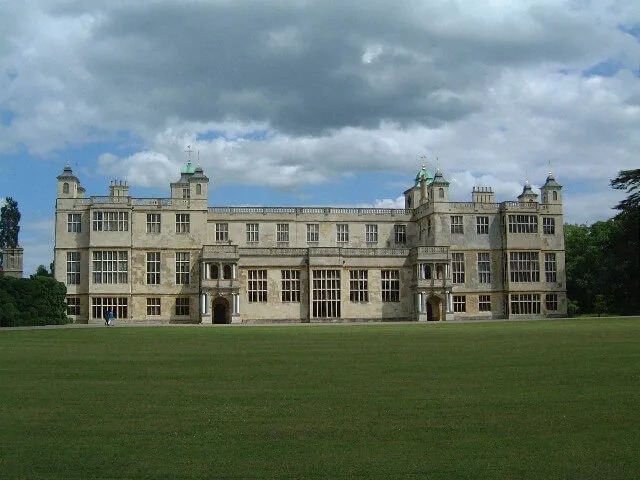
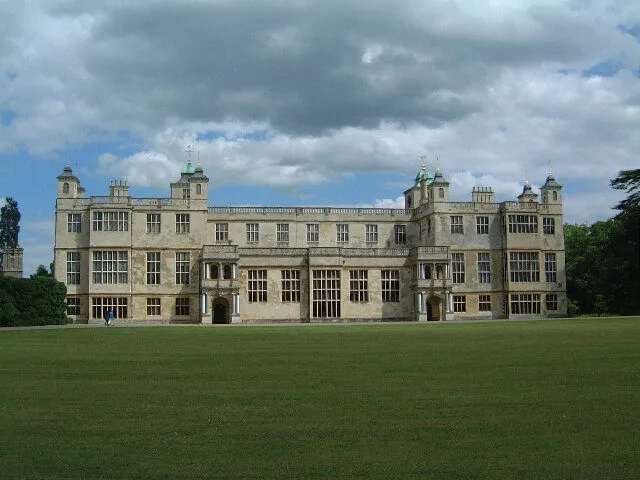
Queen Elizabeth I also has ties to our next entry, Audley End House. Prior to Elizabeth’s involvement, the land on which the estate sat was seized by her father, King Henry VIII, and granted to Sir Thomas Audley, who constructed the house shortly thereafter. This gracious estate in Saffron Walden was an important stop on the queen’s Summer Progress in 1578. The progress was not only Elizabeth’s chance to get out into the country but for visiting scholars from Cambridge University to engage in educational debates and draft exciting new papers. King Charles II bought the house after the Restoration, and eventually, it came into possession of English Heritage.
Queen Elizabeth I Hunting Lodge
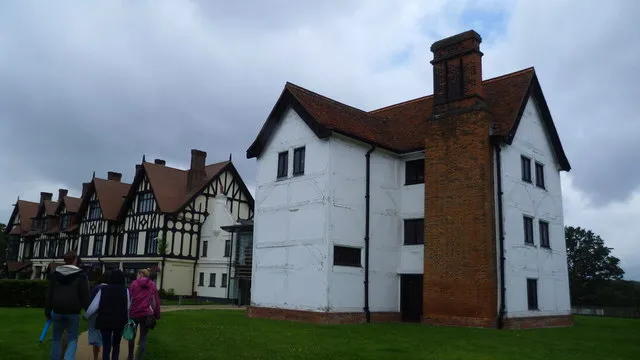
The name is possibly a misnomer, considering it was King Henry VIII who commissioned the hunting lodge in 1542. Elizabeth had the building enlarged to its current three-story size in 1589. Today the home is owned and operated by the City of London Corporation and operates as a free museum. Visitors to the hunting lodge can learn more about Tudor food in the completely reconstructed kitchen, how the hunting lodge was constructed, and get a breathtaking view of Epping Forest from the third floor.
Hedingham Castle
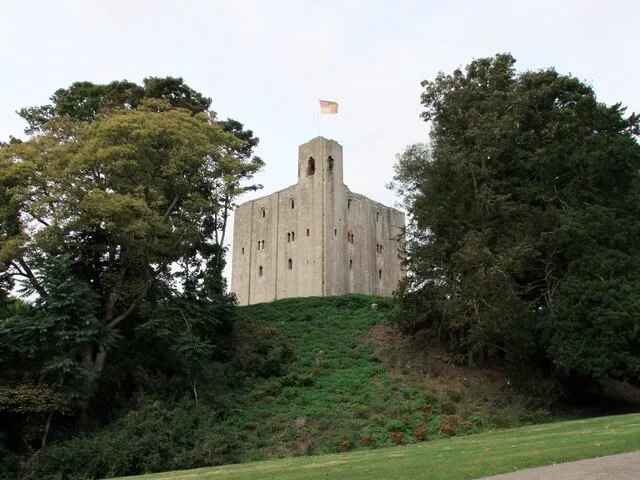
Hedingham Castle is a fine example of the castle construction that took place following King William I’s invasion in 1066. King William granted Hedingham Manor to Aubrey de Vere in 1086, and construction on the castle took place well into the 1140s. King Stephen’s wife Matilda died at Hedingham Castle in 1152, and it was later involved in the Baron’s War against King John. Today, the Lindsey family owns the property, and it remains a private home for them, though the original Norman keep is available to tour from April to October, and the grounds often play host to reenactments and fairs.
 London visitor