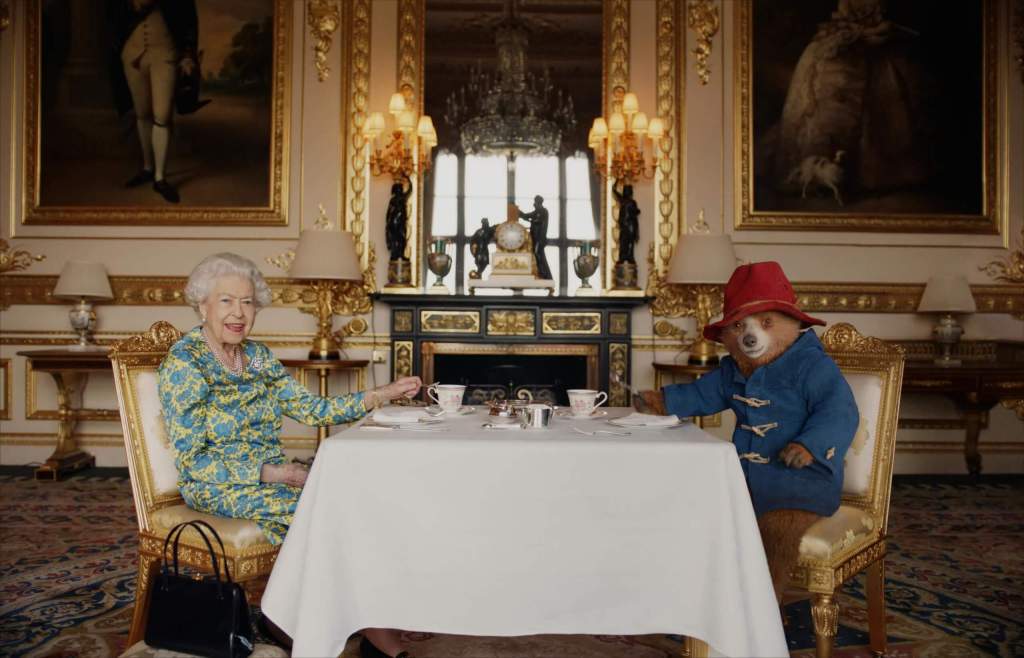
The memorable moment TV Bafta award has been given to Paddington bear having tea with the late Queen during the Platinum Jubilee: Party At The Palace celebrations on the BBC.
Actor Simon Farnaby, who played a footman in the video and went on stage to accept the gong, called the segment a “lovingly handcrafted moment” that also served as “a farewell” to the longest serving British monarch.
Farnaby added: “She had a very joyful Jubilee tea that day… The person who most deserve this award is no longer with us, we can only accept it on her behalf and say ‘Thank you, ma’am, for everything.”
Paddington, voiced by Ben Whishaw who also appeared on stage at the Bafta, was seen in the late Queen’s Platinum Jubilee sketch.
The cartoon bear visited Buckingham Palace for afternoon tea and the Queen produced a marmalade sandwich from her handbag.
After the Queen’s death in September, mourners left teddy bears and marmalade sandwiches among the floral tributes which amassed outside royal residences.
The moment beat the finale of comedy series Derry Girls, where the people of Northern Ireland vote overwhelmingly for peace, and Nick and Charlie’s first kiss in LGBT+ series Heartstopper.
Stranger Things, where Max is rescued from the demonic Vecna through the playing of her favourite song Kate Bush’s Running Up That Hill, The Real Mo Farah’s revealing he was illegally trafficked to the UK and The Traitors final roundtable were also among the nominees.
Historic England is appealing for hidden histories to be shared and for overlooked places to be celebrated as part of its Missing Pieces Project.
The heritage body is calling for people to upload to its website photos or stories about any of the more than 400,000 places on the National Heritage List for England.
Submissions by users, intended to give people a fuller picture of historic locations, will be added to the list entry for the place that is being celebrated.
List entries have three tabs – an overview, an official list entry, and a third tab for comments and photos.
Everyone looking at that list entry can see other people’s additions, such as information, drawings, an audio clip of memories, a film clip, a scan of a document or more.
Rachel Prothero, of Historic England, said: “The Missing Pieces Project is a great way for people to get out and about and discover the historic places where they live, work or visit.
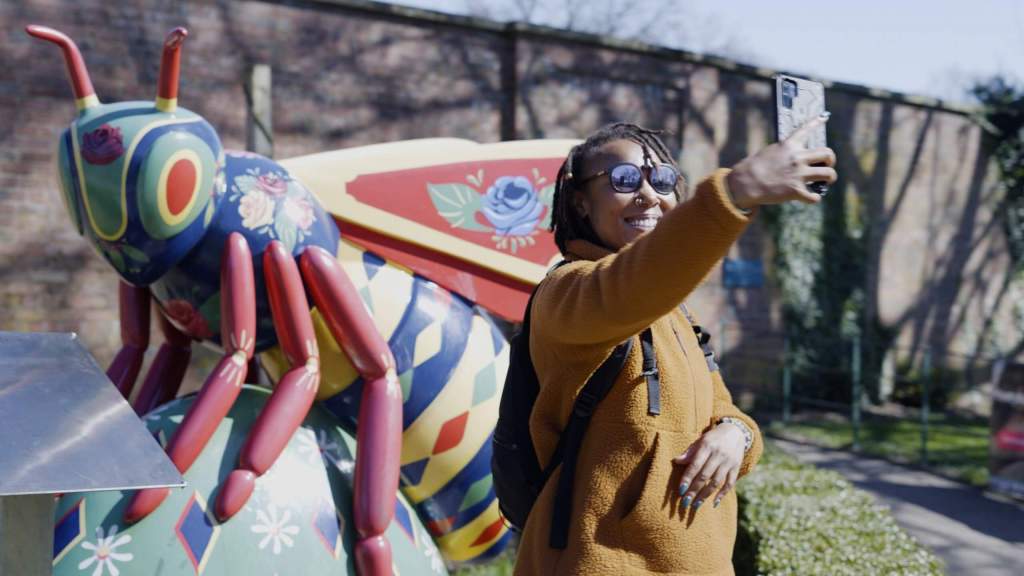
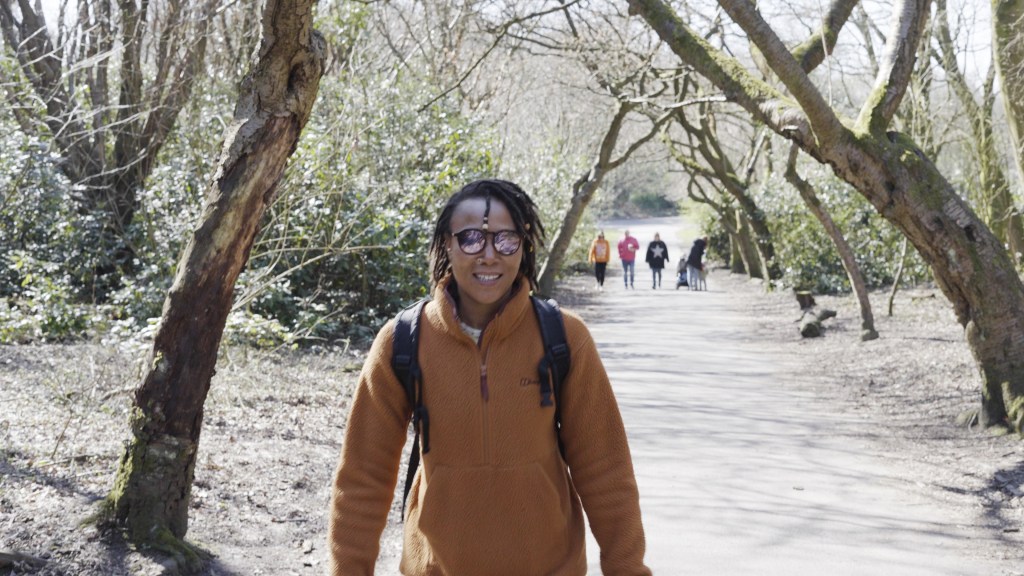
Rhiane Fatinikun, founder of Black Girls Hike, explores Heaton Park in Manchester as part of Historic England’s Missing Pieces Project
“There’s a fascinating range of places on the National Heritage List for England and we’re learning about these special spaces every day.
“We’re looking forward to seeing the memories, photos and gems of information that celebrate the places that people love, and, together, discovering more about them.”
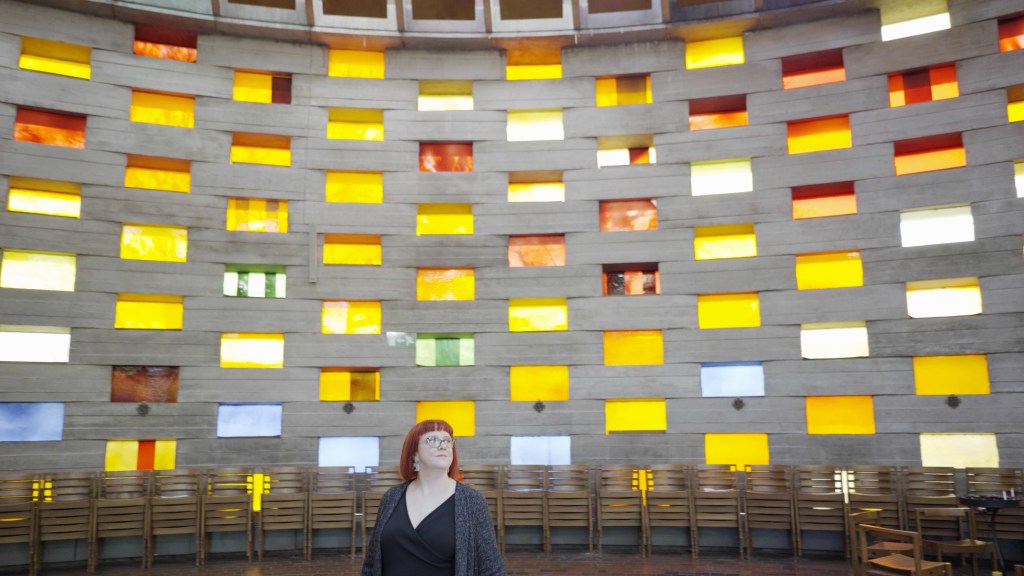
Comedian Angela Barnes, who appears in a video to mark the Missing Pieces Project, has added to the listing for the Grade II* listed Meeting House at the University of Sussex in Brighton.
The Brutalist building, designed by Sir Basil Spence, holds special memories for her as a student and first-time voter, and was the venue for her wedding.
“I’m a fan of Brutalist architecture,” she said.
Comedian Angela Barnes visits the Grade II* listed Meeting House at the University of Sussex in Brighton
“I even chose it as my specialist subject on Celebrity Mastermind.
“You can’t look at a space like this and not think that it’s beautiful.”
Rhiane Fatinikun, founder of the Black Girls Hike group, which provides a safe space for black women to explore the outdoors, added to the list entry for Grade II protected Heaton Park in Manchester.
“A park is really the heart of the community because for a lot of people it’s their only opportunity to get outside and it’s the only green space that they have,” she said.
“A lot of people probably don’t realise that there’s so many important and significant things that are actually on their doorstep with loads of history to them.”
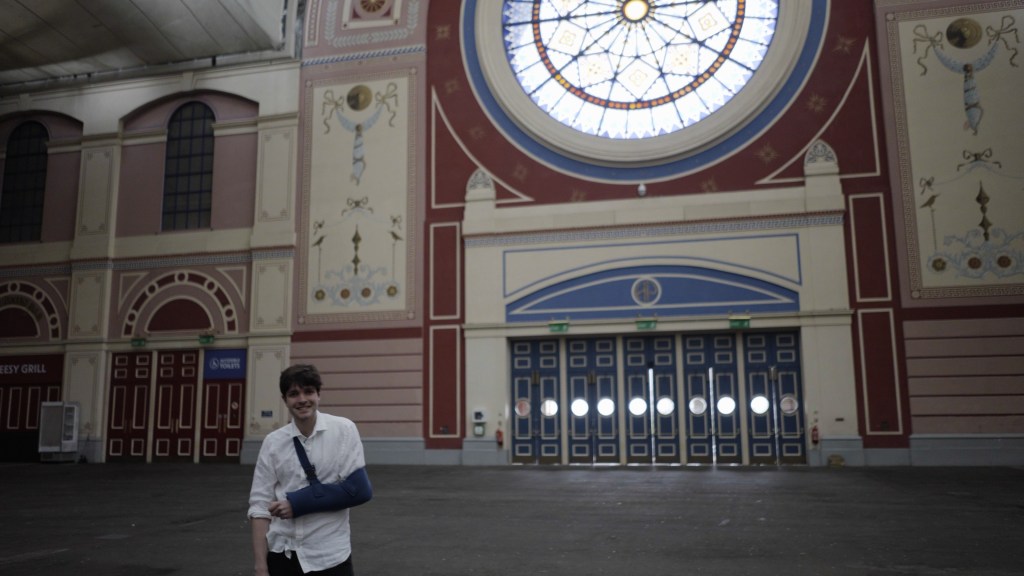
History PhD student Patrick Hegarty Morrish, who also appeared in the video about the Missing Pieces Project, has added details of London’s Grade II listed Alexandra Palace.
History PhD student Patrick Hegarty Morrish explores the hidden history of the Great Hall at Alexandra Palace in London
“It was used in World War One as a camp for German and Austrian internees,” he said.
“The Internee Orchestra is perhaps the most interesting part of the place.
“It was founded in 1915, I believe, so a year into the war, and included, at its peak, nearly 40-something musicians.
“We’ve all got different stories to tell about places and they’re all an important part of the picture.”
Ed Sheeran has beaten Lana Del Rey’s record to secure the UK’s fastest-selling album of 2023 so far, the Official Charts Company has said.
The album – (Subtract) is on the way to earning the 32-year-old pop superstar a sixth consecutive number one album at the midweek mark, securing more than 56,000 chart units, which is more than any other album released this year, it was announced on Tuesday.
The previous record was held by American singer Del Rey’s album Did You Know That There’s A Tunnel Under Ocean Blvd which scored 41,000 chart units in total during its first week.
Subtract is set to follow the success of Sheeran’s other albums Plus, Multiply, Divide, No 6 Collaborations Project and Equals – which featured number one singles Bad Habits and Shivers.
The newest album comes after his UK number one single Eyes Closed, which was released alongside a four-part Disney+ documentary The Sum Of It All, which marks the end of his decade-long mathematics era.
The chart-topping singer wrote and recorded the 14-track offering after a series of difficult events impacted his life last year, including his wife Cherry Seaborn being diagnosed with a tumour while pregnant and the death of his close friend Jamal Edwards.
During the same time period, Sheeran won a high court battle after two songwriters claimed his 2017 hit Shape Of You infringed copyright of their song Oh Why, later speaking openly about the mental strain the case caused him.
The new album was also released after Sheeran won a US copyright lawsuit which alleged he used parts of Marvin Gaye’s hit song Let’s Get It On for his own track, Thinking Out Loud.
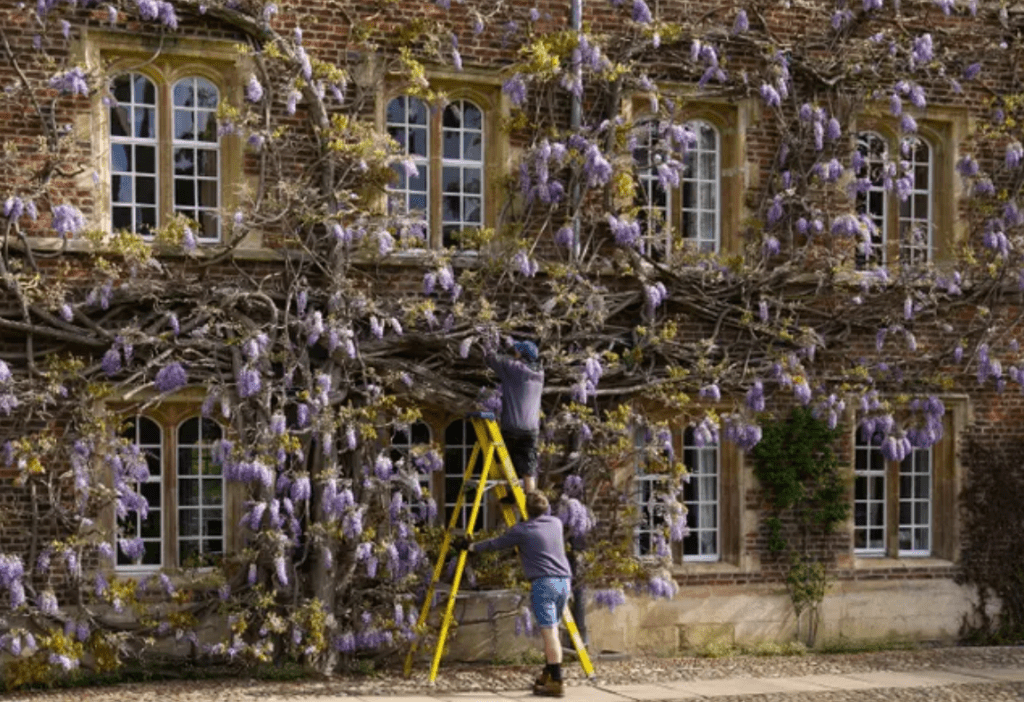
A wisteria plant more than 100 years old is in bloom at the University of Cambridge, although the lightly scented flowers have appeared later than usual.
The hardy shrub at Jesus College is flowering later this year due to the colder start to 2023.
Native to China, the climbing vine is more than 120 years old and was inspected on Wednesday by gardeners Danny Lawler and Mike Morris.
Wisteria sinensis can reach more than 10 metres with the right support, and has pea-shaped lilac flowers.
Are you a tea enthusiast looking for a new addition to your collection? Look no further than the Anglotopia store, where we have three new products that are sure to delight any tea lover, including a new blend from Cornish Tea! We’ve got some exciting new imports in the Anglotopia store we wanted to share with you – and we have limited quantities of them!
First up, we have Cornish Tea Great British Tea Britannia Brew. This tea blend is a true taste of Britain, featuring a combination of Assam, Kenyan, and Ceylon teas. The result is a bold and flavorful cup of tea that is perfect for any time of day. Whether you prefer your tea with milk and sugar or just a splash of lemon, Cornish Tea Great British Tea Britannia Brew is sure to please. If you loved Cornish Tea, then you will love this blend – it’s quickly become a favorite in Anglotopia towers as we’ve been testing it!
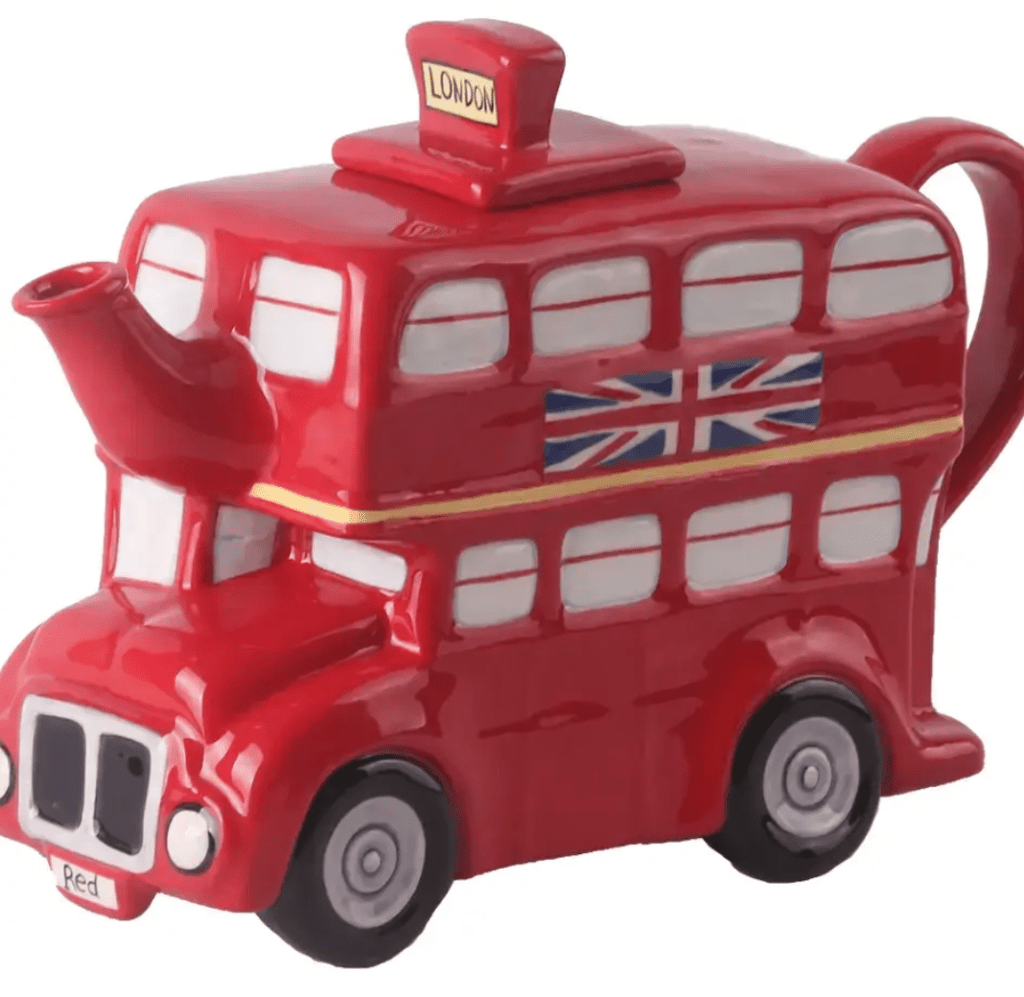
Next, we have the London Red Bus Ceramic Teapot. This teapot is not only functional, but it’s also a charming piece of decor for any kitchen. The teapot is shaped like a classic London red bus, complete with the iconic double-decker design. It’s made of high-quality ceramic and has a generous capacity, so you can brew up a whole pot of tea for yourself or to share with friends.
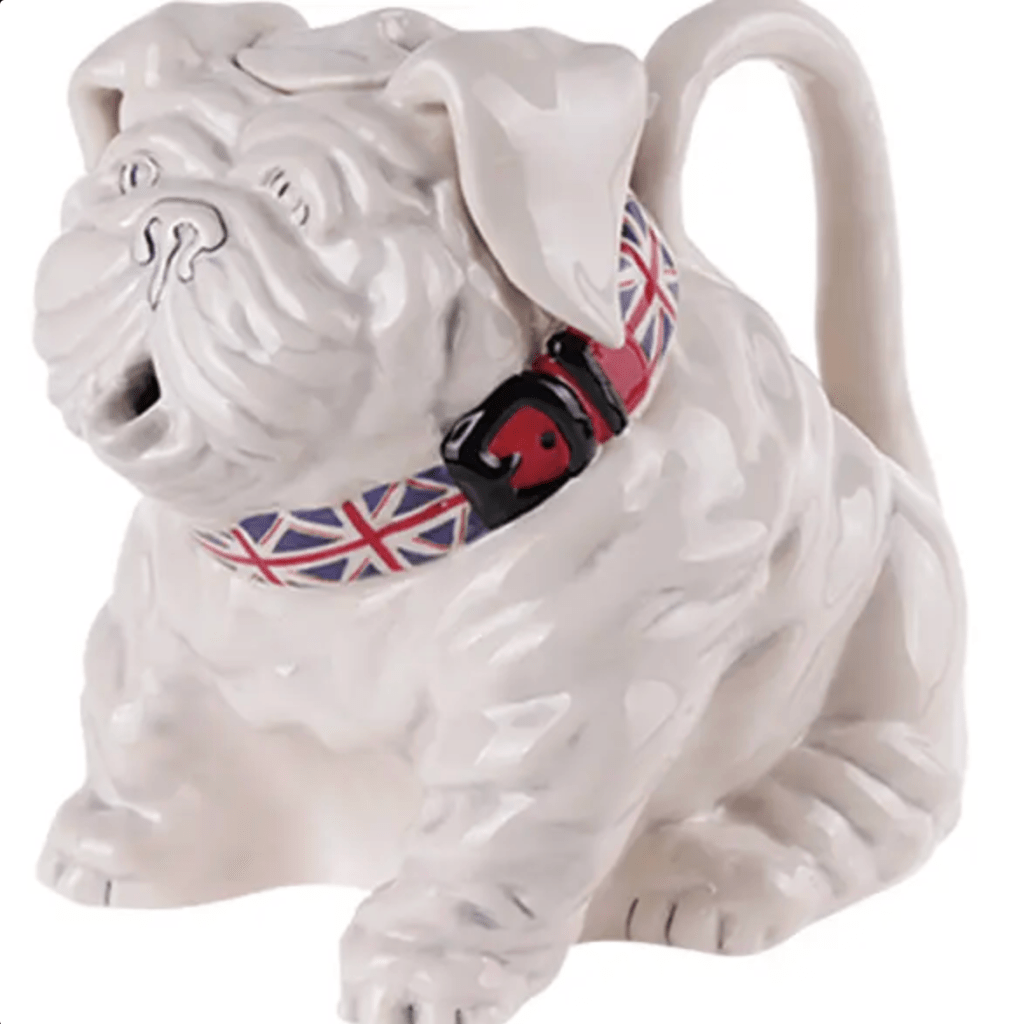
Last but not least, we have the English Bulldog Teapot. This whimsical teapot is shaped like an adorable bulldog, complete with a cute little tongue sticking out. It’s made of high-quality ceramic and has a generous capacity, so you can brew up a whole pot of tea for yourself or to share with friends. This teapot is sure to be a conversation starter and a beloved addition to your collection.
A host of global superstars came together at Windsor Castle on Sunday night for a star-studded concert to mark the coronation.
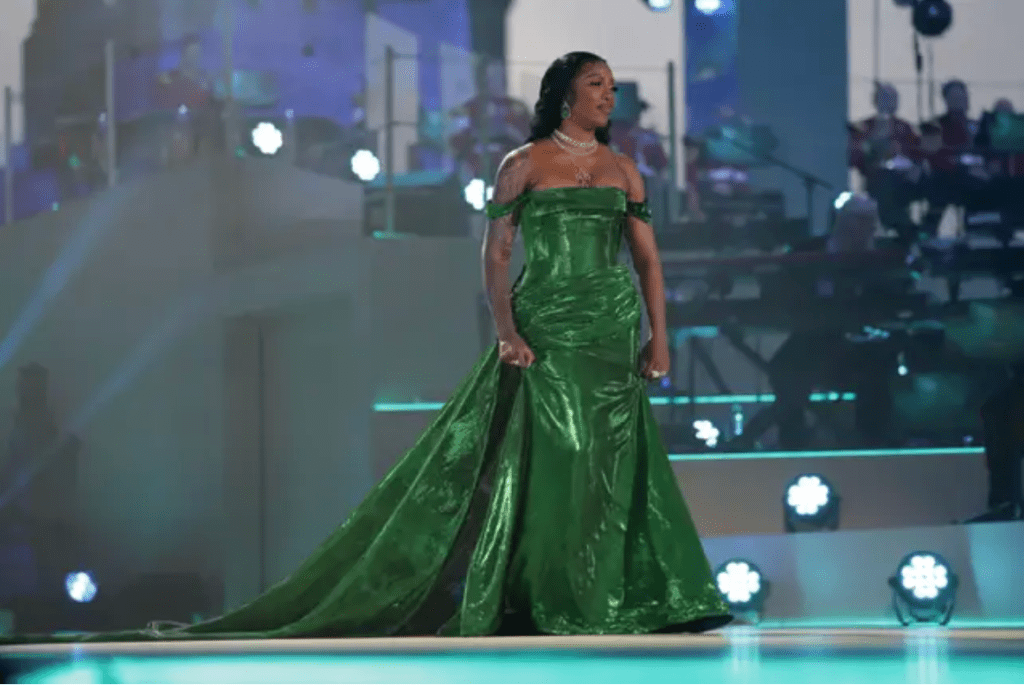
The Coronation Concert, beamed onto large screens across the country, saw the Prince of Wales make a speech honouring his father the King before performances by Katy Perry, Take That, Lionel Richie, and Nicole Scherzinger.
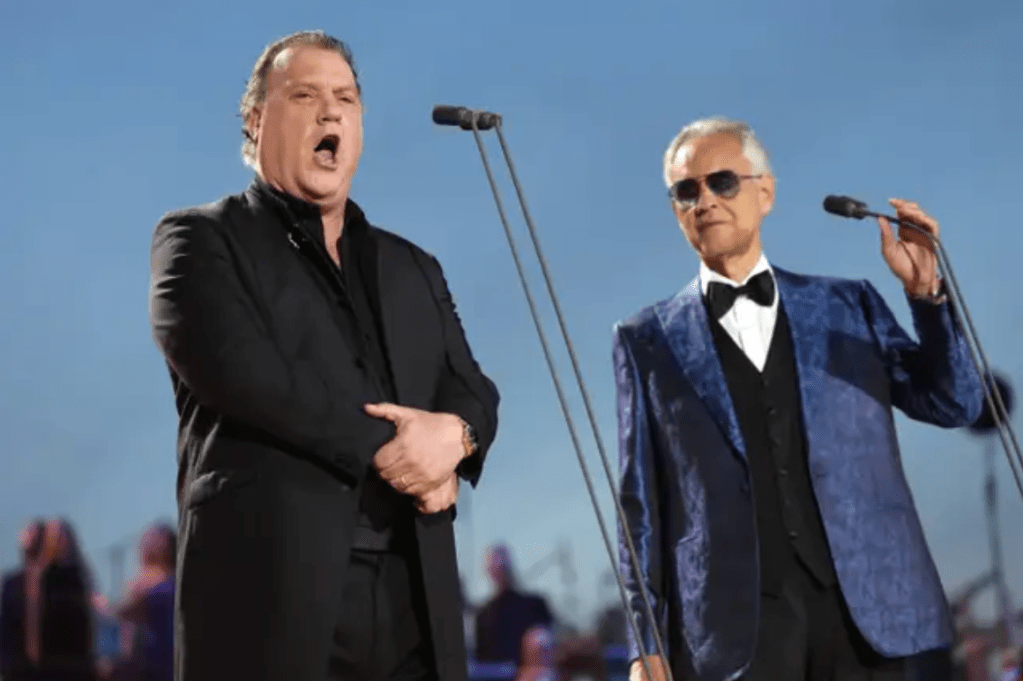
Bryn Terfel and Andrea Bocelli (Chris Jackson/PA)
Stars including Hugh Jackman, Pierce Brosnan, Dame Joan Collins, Bear Grylls OBE, Alan Titchmarsh, and Sir Tom Jones gave pre-recorded video messages in honour of the King throughout the concert, which was hosted by Hugh Bonneville.
Top Gun star Tom Cruise delivered a video message from his War Bird plane, saying: “Pilot to pilot. Your Majesty, you can be my wingman any time,” before saluting and banking off.
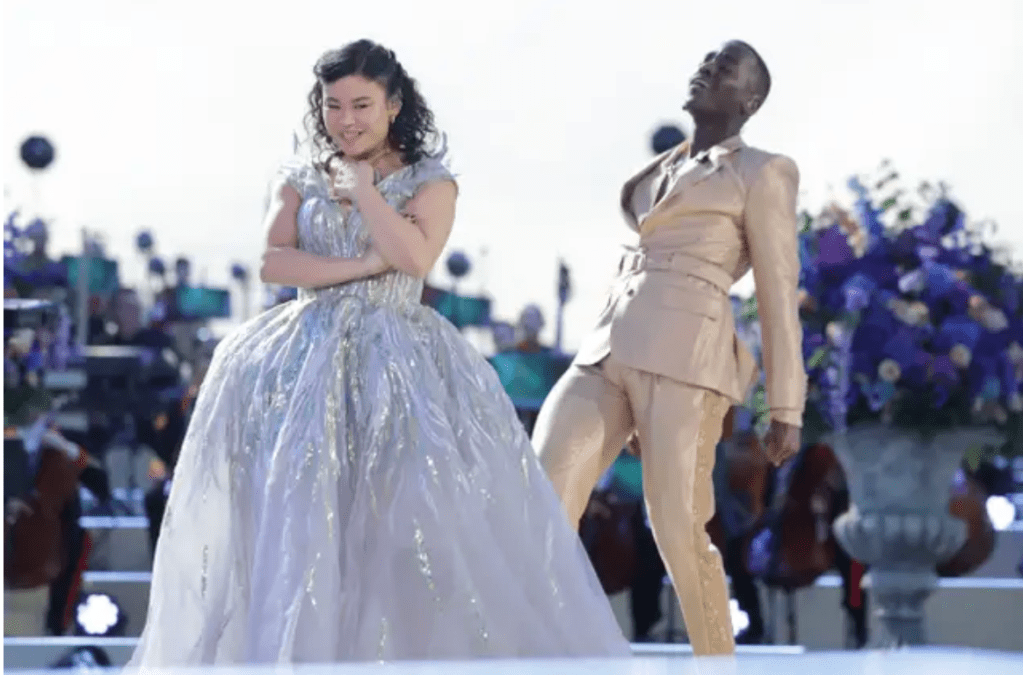
Mei Mac and Ncuti Gatwa (Chris Jackson/PA)
Muppets stars Kermit and Miss Piggy also gave speeches, with the frog saying he was “honoured” to have been invited to the coronation.
At the same time, 10 towns and cities across the country were treated to “spectacular” light displays, while 1,000 drones took to the sky for a UK-first “multi-location drone show”.
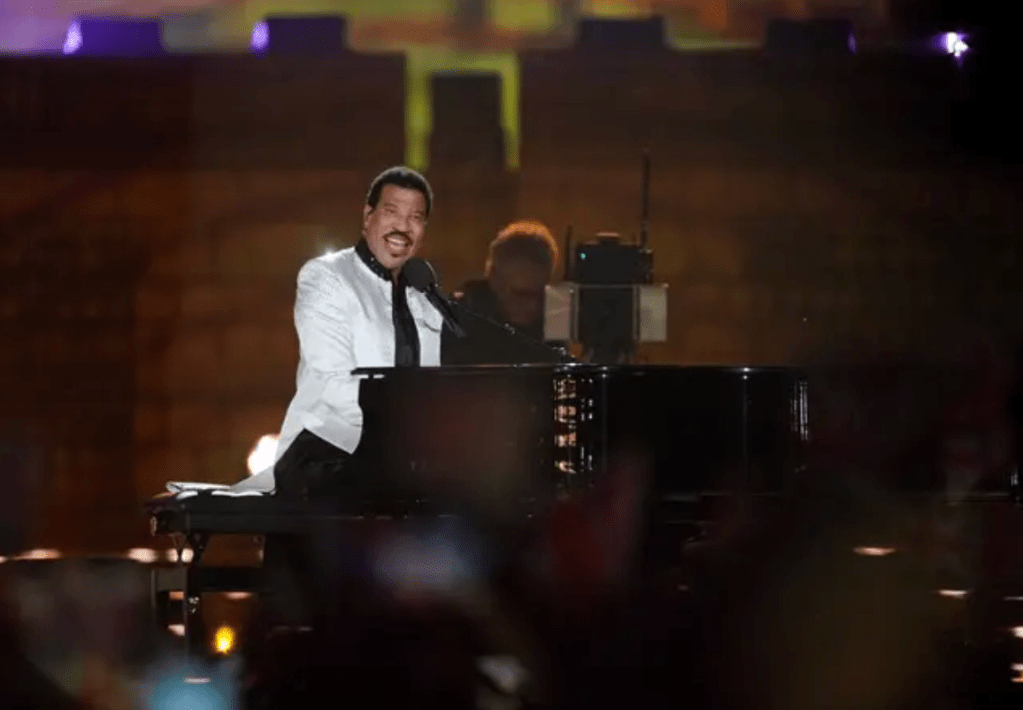
Lionel Richie (Yui Mok/PA)
The light display included the Welsh dragon, spanning 140m, beamed into the sky above Cardiff to the soundtrack of Paloma Faith singing Lullaby, while James Nesbitt performed a spoken word piece written by Daljit Nagra, chair of the Royal Society of Literature.
Hit makers including Katy Perry, who sang Roar and Firework, and Lionel Richie, who played renditions of Easy and All Night Long, entertained the 20,000 strong audience backed by a world-class 70-piece orchestra.
Tiwa Savage (Chris Jackson/PA)
Take That then took to the stage with Greatest Day, Shine and, to close the show, Never Forget, featuring an intro from The Choristers of St George’s Chapel, Windsor Castle.
The 300-strong Coronation Choir, conducted by Gareth Malone, performed an uplifting version of the Emeli Sande song Brighter Days, while Steve Winwood sang his hit song Higher Love, accompanied by the Commonwealth virtual choir, with singers from more than 40 Commonwealth countries.
The evening also saw a collaboration between five Royal patronages – The Royal Ballet, The Royal Opera, the Royal Shakespeare Company, The Royal College of Music and The Royal College of Art – who came together for the first time to perform Somewhere from West Side Story.
Other collaborations included Andrea Bocelli and Sir Bryn Terfel, who sang You’ll Never Walk Alone, and Lang Lang and Nicole Scherzinger, who performed Reflection from Mulan.
Prince Louis stealing the show, a touching moment between the King and his eldest son and a wobbly crown were among the key moments of the day.
The crowning
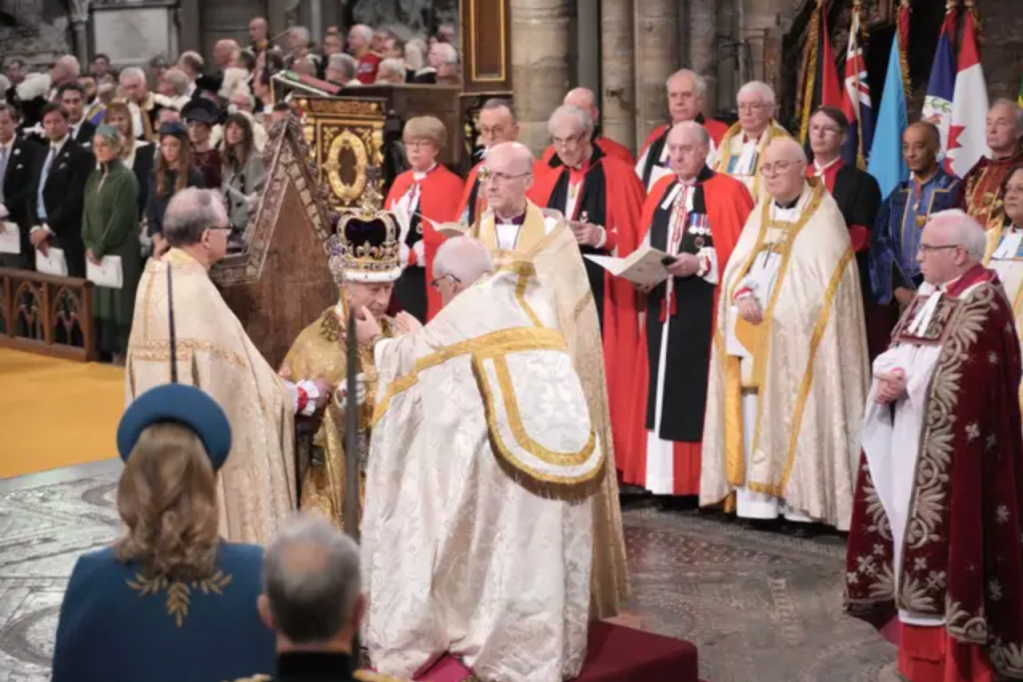
The King receives The St Edward’s Crown during his coronation ceremony in Westminster Abbey (Jonathan Brady/PA)
During the service, the Archbishop of Canterbury spent several seconds adjusting the crown as the King was officially crowned.
He placed it on the King’s head firmly, before giving it a twist in an attempt to keep it on.
But after the twist failed to work he lifted the crown up again, before having another go at securing it in position.
After his second attempt the crown tipped forwards on the King’s head.
Mr Welby then tilted it to the side before he was happy to remove his hands from the crown, leaning forward and carefully inspecting it before eventually retreating.
A little later, as the Queen was seen adjusting her hair around her face as her crown was placed on her head.
Louis steals the show
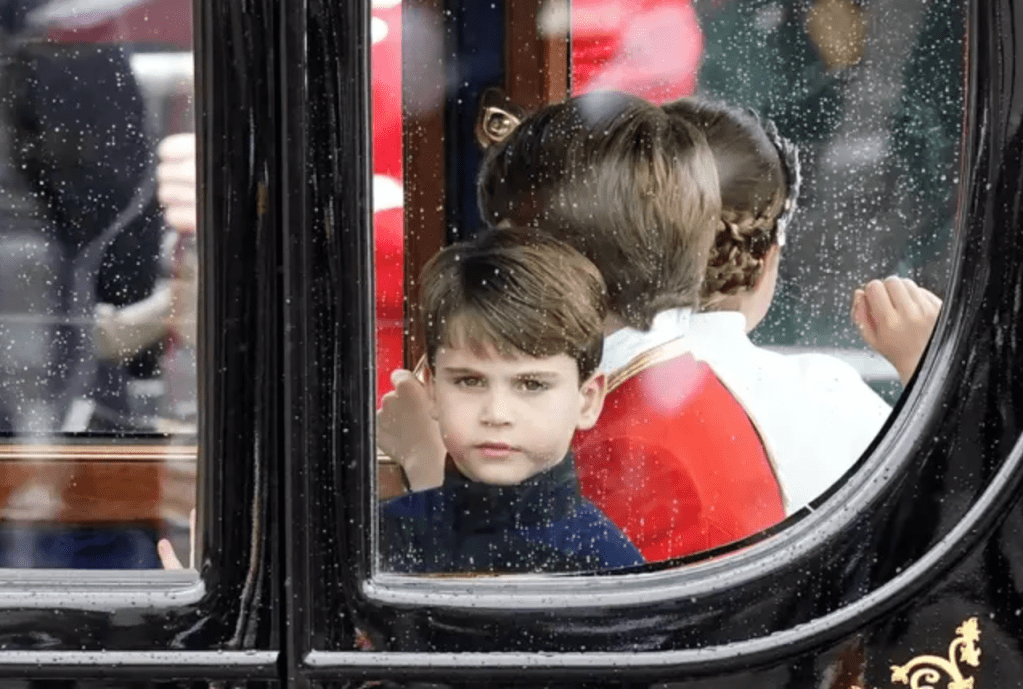
Prince Louis in the coronation procession as the royals return along The Mall to Buckingham Palace following the coronation ceremony (Niall Carson/PA)
Prince Louis grabbed everyone’s attention again as he joined his siblings and parents at Westminster Abbey for his grandfather’s coronation.
The young royal failed to stifle several yawns during the historic ceremony and at one point took a break away from the service before returning for the national anthem.
He also took the opportunity to point out interesting things to his sister, Charlotte, as they sat before the high altar.
As the service drew to a close, the royal children sang God Save The King as their grandfather walked past.
Five-year-old Louis held hands with Charlotte, eight, as they left the abbey.
Tender moment between King and heir
The Prince of Wales kisses his father during Charles’s coronation ceremony (Yui Mok/PA)
There was a touching moment between the King and Prince of Wales as William paid homage, the only blood prince to do so, in a break with tradition.
William appeared to avoid eye contact with his father through much of the homage.
He then kissed Charles on the cheek and the King was seen to say a few words to his elder son.
Penny and the sword
Lord President of the Council Penny Mordaunt holding the Sword of State walks ahead of the King in Westminster Abbey (Yui Mok/PA)
Penny Mordaunt was praised for her conduct during the King’s coronation ceremony, which saw her hold ceremonial swords for more than an hour.
As Lord President of the Council she was responsible for bearing The Sword of State and presenting The Jewelled Sword of Offering to the King – the first time it has been carried and presented by a woman.
Dressed in a custom-made teal outfit with a matching cape and headband with gold feather embroidery, she held and carried the pieces for the majority of the service.
Speaking to The Times’ Red Box Politics podcast ahead of the ceremony, Ms Mordaunt disclosed she had been “doing some press-ups” in preparation for her sword-carrying role.
Notable figures including a number of fellow MPs praised her, with Labour MP Emily Thornberry tweeting: “Got to say it, @PennyMordaunt looks damn fine! The sword bearer steals the show. #Coronation.”
Waving to crowds from the balcony
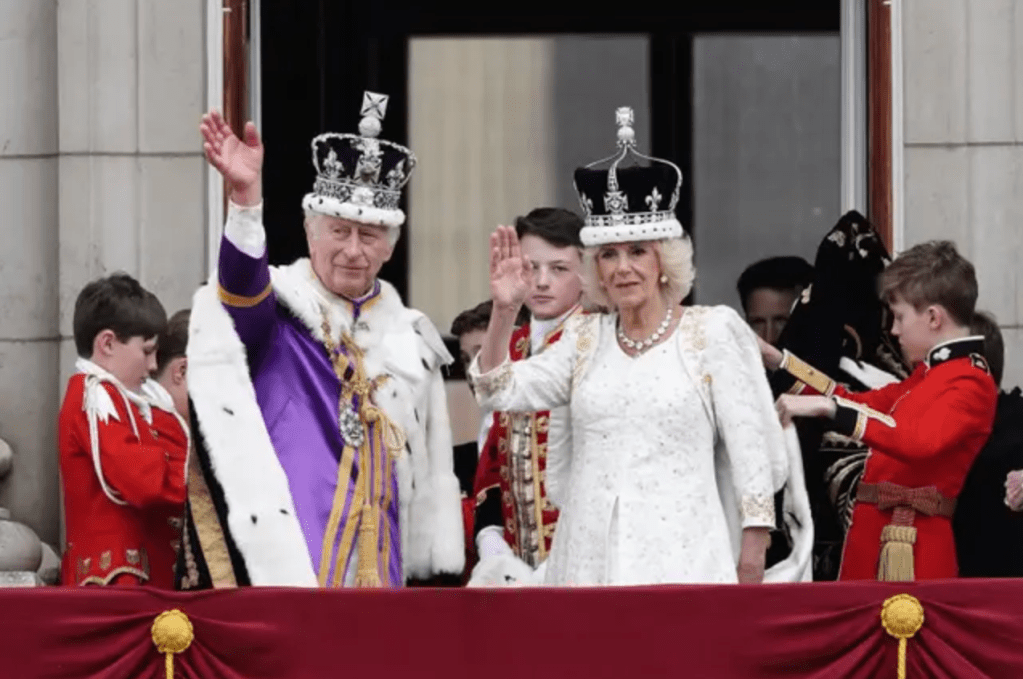
The King and Queen on the balcony of Buckingham Palace (Jordan Pettitt/PA)
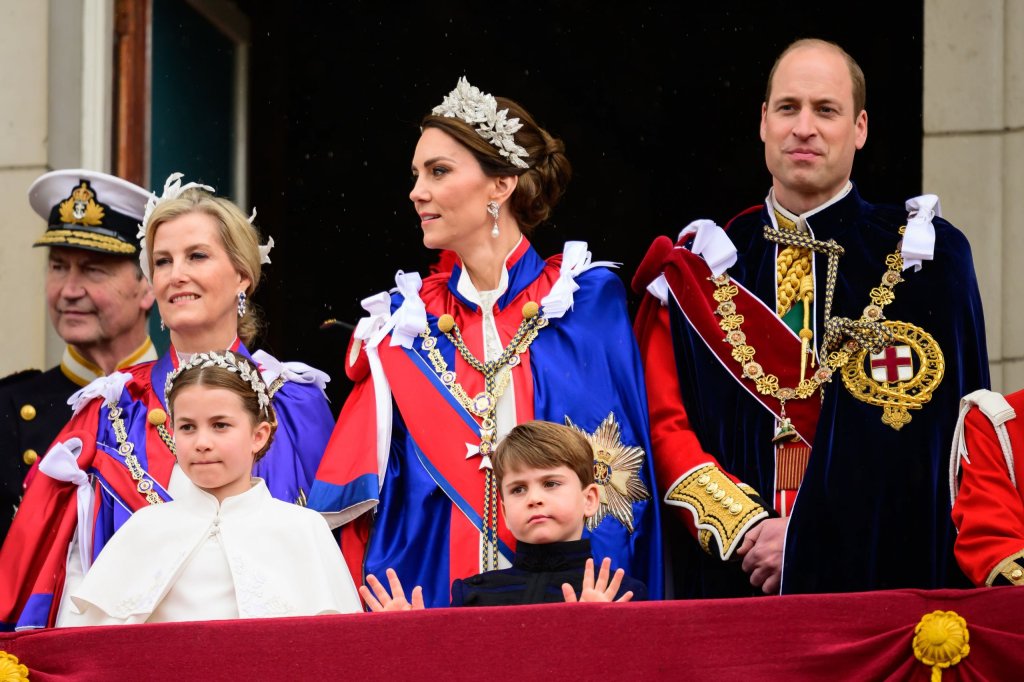
Charles and Camilla – joined by family members including the Prince and Princess of Wales, Prince George, Princess Charlotte and Prince Louis, the Duke and Duchess of Edinburgh, and the Princess Royal – stepped out into the rain at 2.25pm.
The sound of cheers swelled when the royals appeared on the balcony and shouts of “God save the King” could be heard.
There were even screams from the thousands of excited fans and the volume of the cheers turned up a notch when Charles and Camilla waved.
Louis once again stole the show, waving enthusiastically from the balcony.
And the excitement was not over when the royal family made their way back inside – as the sodden crowds started to disperse, the King and Queen came out for a second appearance.
It is a dream for many Brits to one day be called “Sir” or “Dame” when they receive a knighthood from the Sovereign. In the past, we have covered the various orders of chivalry that make up the honors but have not covered the process from beginning to end. Even the process can have many routes as there are several different times at which individuals can be nominated to receive an honor. Join us as we cover the times and means by which British citizens can find themselves receiving knighthood from the King.
The process starts with a nomination for an honors list, which can happen at multiple times in a given year. The most common are the Birthday and New Year’s Honours, the former taking place on the Sovereign’s Official Birthday (as opposed to their actual birthday, which is a different time of the year). As it sounds, the New Year’s Honours are awarded around New Year’s Day every year. A less-common time for honors is the Prime Minister’s Resignation Honours when the Prime Minister ominates individuals for honors prior to leaving office (there have been more than the usual number of those lately…). Other opportunities include Special Honours, which can happen at any point in the year, Demise Honours at the death of a monarch or consort, and Coronation Honours.
For Birthday or New Year’s Honours, virtually anyone in the United Kingdom or the Commonwealth can nominate anyone else whom they feel has contributed to either. However, it should be noted that the individual will need to meet the requirements of the award for which they are nominated (and you can’t nominate yourself). The Cabinet Office oversees the process, and it is to that office that members of the public submit applications for their nominees. If the applicant has done their service overseas, the Foreign Office takes those applications. Applications should include what the person has done and how they have made a difference, with detailed examples of what they have done. Nominations also require a minimum of two letters of support, though more can be helpful to the nominee.
The Cabinet Office or Foreign Office will inform the applicant by mail when the application has been received. The offices then begin going over the application materials to verify qualifications and the nominee’s work. This process can take anywhere from 18 months to 2 years, so it is not uncommon to wait quite some time for a response. The Cabinet Office informs applicants not to resubmit their nominee until they hear back about the status of the application, or else the newer application will be rejected. Nominations are then divided into their various subject areas and assessed by independent experts and senior civil servants. The committees come up with their lists independent of the government and pass them on to the Prime Minister, who in turn makes recommendations to the monarch.
The Sovereign then informally approves the list since the truth is that the Prime Minister has already approved the list. The monarch’s approval is little more than a formality of their office. The list is formally approved after each nominee accepts or turns down the honor. The London Gazette, the official Crown newspaper, then publishes the full list twice per year—once for the New Year’s Honours and again for the Birthday Honours. The Central Chancery of the Orders of Knighthood makes the preparations for the investitures at St. James’s Palace, including setting the dates for the awards and determining which member of the Royal Family will present the honor.
One last thing to mention is that honors can, and sometimes are, taken away. The Honours Forfeiture Committee looks at a potential forfeiture candidate to see if their actions “raise the question of whether or not they should continue to be a holder of the honor.” This typically includes being convicted of a crime, though other actions can also result in forfeiture, such as when Royal Bank of Scotland head Fred Goodwin had his removed for the part he played in the bank’s near-collapse. Some individuals have returned their honors, such as John Lennon, to protest the British Government’s supportive role in the American war in Vietnam. Still, others have refused the honor, including such celebrities as French and Saunders, Roald Dahl, and David Bowie.
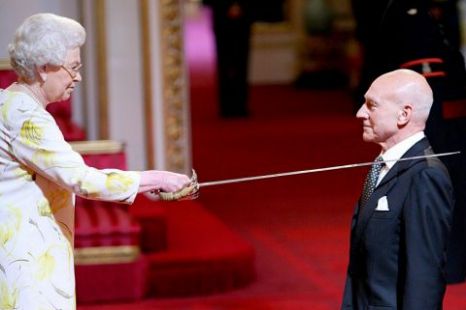
When the day comes, it can be quite the sight as a nominee kneels before the King or another member of the Royal Family and rises as a “Sir” or “Dame.” The Sovereign “dubs” the nominee by tapping them with a sword on the right, then the left shoulder, and announcing their new title. The award does not come with any tangible benefit but can help raise the person’s profile and any charity work in which they are engaged. For many honors recipients, it is the greatest award they could hope for, apart from their work, of course.
Since the English Reformation, when King Henry VIII split with the Catholic Church and created the Anglican Church so he could grant himself an annulment, the monarchy has held a certain sway over Christianity in the United Kingdom. While the Sovereign is also the head of the Anglican Church, it’s more a ceremonial position as the Archbishop of Canterbury acts as the Anglican Church’s de facto administrative head. However, there are some Anglican churches that are still under the Sovereign’s direct control, which are referred to as Royal Peculiars within the church parish system.
Church parishes have been around since the days of the Anglo-Saxons. Most are under the control of their diocese, a church district that’s administered by a bishop. Sometimes, however, a church would be created out of land donated by a local lord. These churches were exempt from the diocese authority and referred to as donative parishes, or “peculiars.” Peculiar churches often had their own archbishop or bishop, and if it was a cathedral, its own dean and chapter. In the 19th Century, Parliament did away with nearly all peculiars with the exception of Royal Peculiars, and any non-royal peculiars now fall under the jurisdiction of their individual diocese.
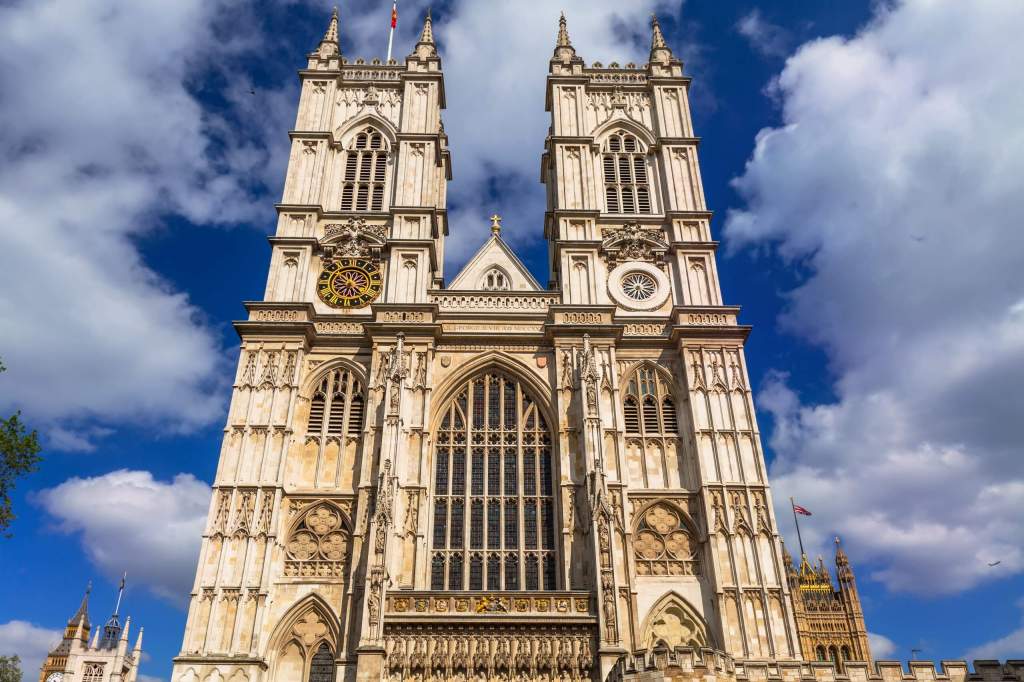
In the modern era, there are over a dozen Royal Peculiars, with the vast majority located in London. These include some obvious churches, such as Westminster Abbey, officially known as the College Church of St. Peter, Westminster. Westminster Abbey also contains the King Henry VII Chapel, which is the chapel of the Order of Bath. A number of other Royal Peculiars can be found within London palaces, such as the Chapel Royal and the Queen’s Chapel at St. James’s Palace, the Chapel Royal at Hampton Court Palace, and the Chapel of St. John the Evangelist and the Chapel of St. Peter ad Vincula in the Tower of London. The Chapel of St. Mary Undercroft was once the crypt of St. Stephen’s Chapel in Westminster Palace. Other Royal Peculiars in London include the Royal Foundation of St. Katherine, Temple Church, and the King’s Chapel of the Savoy, which is the chapel of the Royal Victorian Order.
Still, other Royal Peculiars exist outside of London, including the Chapel Royal at Holyrood Palace in Edinburgh. In Cambridge, the Church of St. Edward the Martyr is one of the only Royal Peculiars not associated with a palace or Royal Order and is considered the first church where an “openly evangelical” sermon was preached at the start of the English Reformation (and the church is sometimes considered the “Cradle of the English Reformation”). Naturally, the Market Town of Windsor has two Royal Peculiars, one known as St. George’s Chapel in Windsor Castle, and the other is the Royal Chapel of All Saints located on the grounds of the Royal Lodge in Windsor Great Park. There are also a number of churches that were once Royal Peculiars but were eventually turned over to the control of the local diocese for one reason or another.
Royal Peculiars have often been popular sites for Royal weddings, with many having been conducted either at Westminster Abbey or the Chapel of St. George. Additionally, most Royal Peculiars are actually closed to the public, though there are three notable exceptions in Westminster Abbey and St. John’s Chapel, and the Chapel of St. Peter ad Vincula in the Tower of London. In these churches, you can feel the connection not only to God, but to the history of past Royals stretching all the way back to King William I. As such, their historical and cultural significance cannot be understated when it comes to the Royal Family and to the United Kingdom.
Luxury cruise line Cunard is to celebrate 100 years of onboard photographs with an exhibition curated by Mary McCartney.
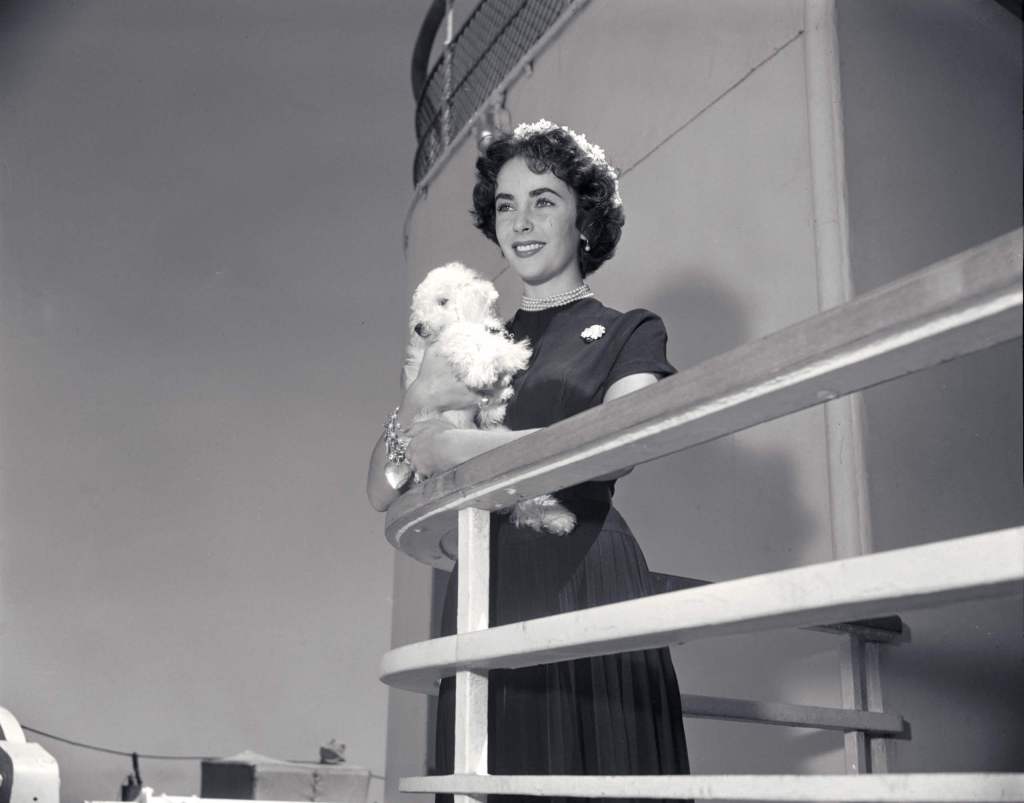
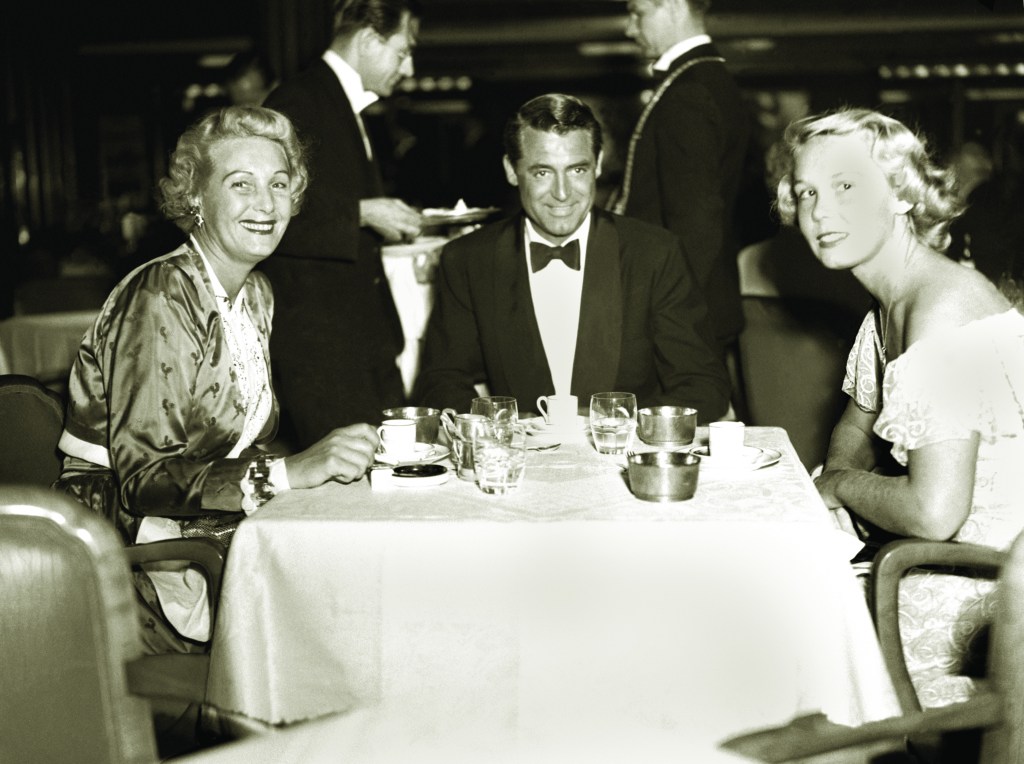
Images showing Hollywood stars, including Elizabeth Taylor and Cary Grant are among the pictures from the archives, which could be displayed along with photos from guests in the Sea Views exhibition.
Photographer Mary McCartney, daughter of Beatles star Sir Paul, will curate the exhibition of 100 images.
Images such as this one of actor Cary Grant on the Queen Mary could be included in a Sea Views exhibition to mark 100 years of onboard photographers on Cunard cruise liners
She said: “I’m pleased to curate an exhibition within this treasure trove of 100 years of onboard photography.
“I’m looking forward to exploring the archives and the crowdsourced images to hand-pick a portfolio of iconic images that will reflect a century of luxury travel.”
Sian Wilks, Cunard archivist at the University of Liverpool Library, added: “With over 14,000 images stored in the Cunard archives in Liverpool – the founding home port of Cunard Line – we have a wealth of memories from the 1920s to present day to choose from.”
Guests are being asked to share photographs they have taken while on a cruise for the collection, which will mark 100 years since onboard photographers were introduced to the ships and since the first-ever round-the-world cruise on the Laconia.
Cunard president Sture Myrmell said: “We’re extremely proud of Cunard’s 183-year history and particularly the fact we pioneered the round-the-world voyage 100 years ago.
“What better way to celebrate this centenary anniversary than by curating a fantastic selection of images from our guests who’ve traveled with us.
“We’re delighted to be working with the wonderful Mary McCartney to create this exhibition and can’t wait to see the unforgettable moments that our guests have captured over the years.”
The digital exhibition will go live later this year, with further details to be announced nearer the time.







 London visitor