Royal 101:  Pets from King Charles II’s Spaniels to King Charles III’s Jack Russells

Pets are one of the great joys in life. Whether you have dogs, cats, birds, guinea pigs, or even snakes, the care we give to our animals and the love we receive in return makes it all worthwhile.  Even the British Royal Family enjoys its pets; as we know the late Queen Elizabeth II was particularly fond of her Corgis.  The royal obsession with pets, of course, goes back much further, and we’re going to explore the Royal Family’s history with their beloved animals from what we know in recorded history.

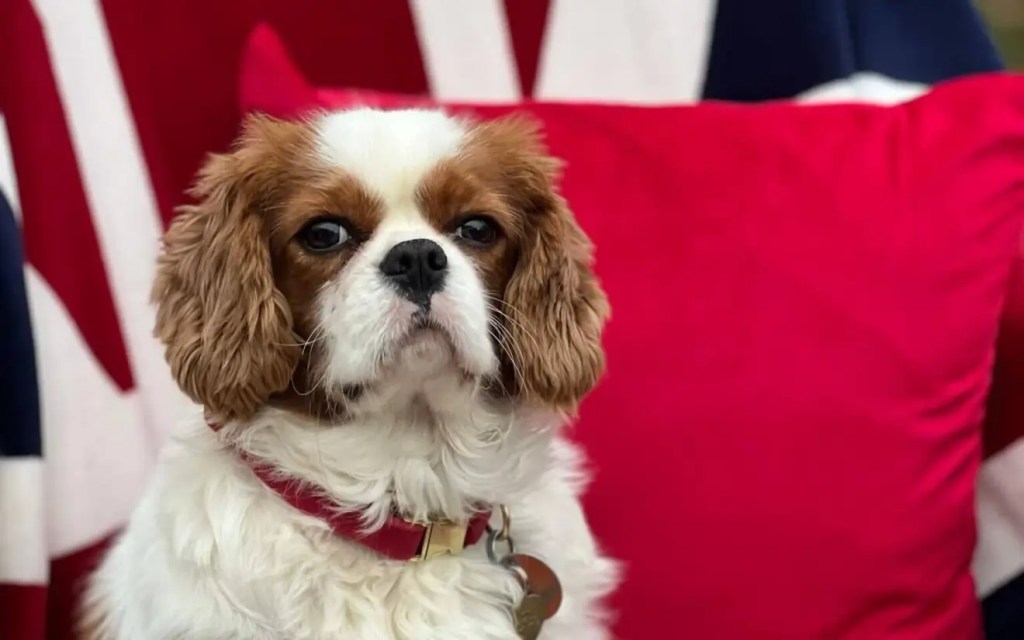
While it is entirely possible that monarchs before him had their beloved pets, we know for certain that King Charles II was particularly fond of Spaniels. Toy spaniels started appearing in the 16th Century and were notably featured in paintings with Queen Mary I and Prince Philip of Spain.  However, King Charles II’s fondness for the animals resulted in them being named after him as the King Charles Cavalier Spaniel.  Samuel Pepys even wrote about His Majesty’s love of his dog, noting with some annoyance that Charles often spent more time in council meetings playing with his dog than paying attention to affairs of state.

Queen Victoria also had quite a number of dogs in her time of different species.  Like Charles, she had her own favorite pet spaniel named “Dash.” After Dash passed away and she married Prince Albert, the Prince Consort brought his own favorite pet from Saxe-Coburg and Gotha, a greyhound named “Eos”. After that, Queen Victoria became enamored of dachshunds after they first made their way to England from Germany, owning two named “Deckel” and “Waldman VI.”  She also loved collies (ultimately owning 88 of them) and had a favorite one that was photographed with her named “Sharp.”

Her son, King Edward VII, and his wife, Queen Alexandra, also had a number of pets during their reign.  Edward himself was partial to terriers and would often have them at court or in important meetings with him (just like King Charles II). The two most prominent were “Jack,” who died on a trip to Ireland, and “Caesar,” who famously walked behind his master’s coffin after Edward passed away.  Queen Alexandra, on the other hand, preferred borzois, a Russian hunting dog.  Her pet borzoi Vassilka was the first of its kind in England. Edward’s son, King George V, preferred collies like his grandmother and owned one named “Heather” but also had his share of terriers like his father, including “Happy,” “Jack,” “Snip,” and “Bob.”

If you were wondering where corgis come into play, the first person to own them in the Royal Family wasn’t Elizabeth, but her father, King George VI.  George introduced the family to the loveable loaves with “Dookie”, but also owned several others, including “Jane” who gave birth to “Crackers” and “Carol.” Queen Elizabeth II continued the family love of the dogs, though she and her sister, Princess Margaret, also notably owned a chameleon as a young girl.  Elizabeth’s love for the corgis would last the rest of her life and also led her to breed a corgi and dachshund mix known today as “dorgis”.  At the time of her death in 2022, her remaining dogs went to stay with her son, Prince Andrew, and his ex-wife, Sara Ferguson. 

And now we come to the current monarch, King Charles III. While Charles certainly grew up surrounded by his mother’s corgis and dorgis, in the 1970s he began to have his own fondness for Jack Russell terriers.  Charles also had a Labrador retriever named Harvey, who would often go hunting and fishing with the Prince of Wales, but his then-wife Princess Diana thought Harvey was “too smelly,” and so Charles rehomed him to an advisor.  Charles then kept two Jack Russells with the names “Tigga” and “Pooh,” who were supposedly named after the A.A. Milne characters by his sons Prince William and Prince Harry. Today, the King owns a pair of rescue Jack Russell terriers with Queen Consort Camilla named “Beth” and “Bluebell.”  Prince William and Princess Catherine also have their own fondness for dogs, so you can bet that tails will continue to wag in the halls of Buckingham Palace for many years to come.

The History of Auld Lang Syne

When the clock strikes midnight on New Year’s Eve, we partake in a number of traditions.  You may pop the cork on a champagne bottle, light up some fireworks, kiss your sweetheart, or engage in an age-old chorus of Auld Lang Syne.  Most people don’t know what the title means, but it’s become part of our New Year’s rituals since the lyrics were first put to music in 1799.  Interestingly, most people may not know that the song predates even that, when it was just a poem by one of Scotland’s greatest writers, Robert Burns.  Read on to know more about the fascinating history of this song and we’re sure you’ll be hearing it play in your head before you’re done.

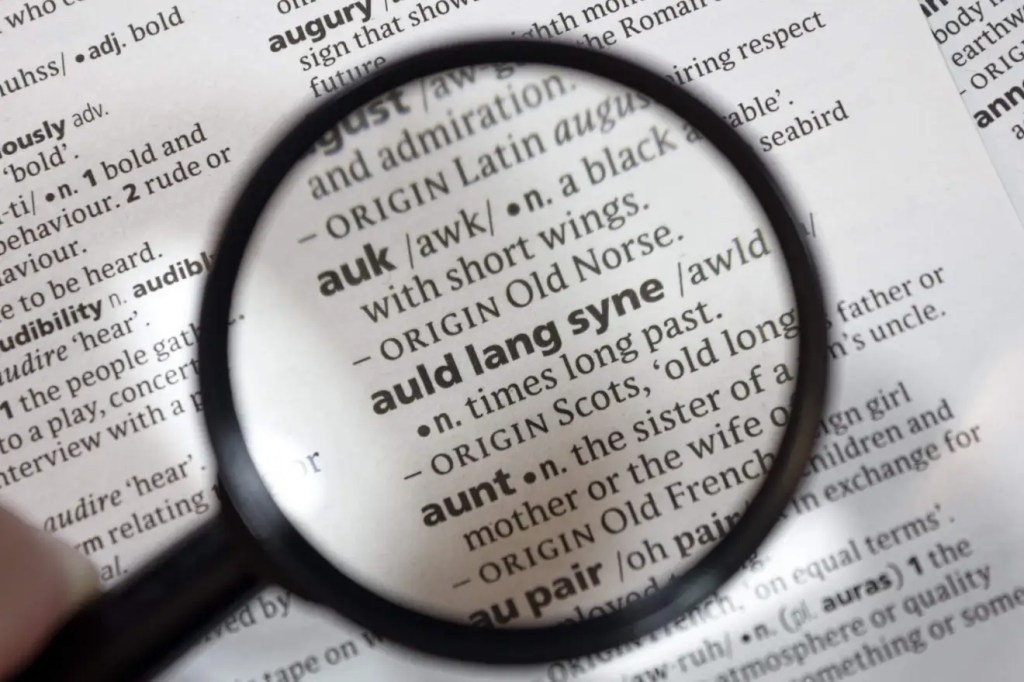
Robert Burns sent the original lyrics to the Scots Musical Museum in 1788, claiming it was an older Scottish folk song that he had transcribed from an older man.  A version of the lyrics had been put to print back in 1711 by James Watson, but differed from Burns’s version in several ways and was called “Old Lang Syne”, though it’s clear both versions of the song had a common origin.  Burns’s version of Auld Lang Syne didn’t appear in print in the Scots Musical Museum until 1796, after he had passed away.  The title, in Scots, translates to English as “Old Long Since” and means “days gone by.”  The lyrics, as you might be able to figure out, focus on remembering old times. 

The tune, as we know it, came from a different location altogether.  The melody that would eventually be paired with the poem came from the opera Rosalina by English composer William Shield.  The comic opera was first performed in 1782, and the tune would appear by itself in 1792, also in James Johnson’s Scots Musical Museum.  It wouldn’t be until 1799 that lyrics and music were put together for the first time as part of George Johnson’s book, Select Songs of Scotland.  Over the next century, the song was reprinted numerous times and became an annual part of the Hogmanay holiday, the Scottish celebration of New Year’s Eve. 

It’s tradition for Hogmanay celebrants to hold hands in a circle just before midnight and begin singing the song as the clock strikes midnight.  At the beginning of the final verse, the singers cross their arms above their bodies so that their left hand is holding the right hand of the person next to them.  At the end of the song, everyone rushes to the middle in an embrace.  Outside of Scotland, many people cross hands at the beginning of the song rather than on the final verse.  At the Millennium Dome celebrations in 2000, Queen Elizabeth II performed the act in the traditional Scottish way and was criticized by the English press for not performing it correctly at the beginning. 

Auld Lang Syne made its way to North America courtesy of Canadian band leader Guy Lombardo.  Lombardo and his band, the Royal Canadians, began performing the song for a series of radio (and later television) broadcasts starting on December 31, 1929.  The Royal Canadians performed the song for roughly five decades until 1977, popularizing Auld Lang Syne not just in Canada but the United States as well.  In fact, it’s the Royal Canadians’ version of the song that plays when the ball drops in New York City’s Times Square.  The song can also be sung outside of New Year’s Eve to celebrate a farewell, a graduation, a funeral, an outgoing government, or any similar situation that could be considered a parting or a change from one chapter of life to the next. 

Unwrapping Boxing Day: 10 Fascinating Facts and Figures about this British Tradition

Boxing Day, observed on the day after Christmas, has long been a cherished tradition in Britain. Steeped in history and laden with unique customs, this day holds a special place in the hearts of many Brits. In this article, we delve into 10 interesting facts and figures that shed light on the significance and peculiarities of Boxing Day in Britain.

Origins of the Name

The origins of the name “Boxing Day” are shrouded in mystery, with various theories attempting to explain its roots. One popular belief is that it stems from the tradition of giving boxes of food and money to the less fortunate on this day. Another theory suggests that it relates to the practice of servants receiving a day off to visit their families, taking with them boxes of leftovers from the Christmas feasts of their employers.

A Day for Giving Back

In keeping with its historical roots, Boxing Day has evolved into a day of charitable acts and giving back to the community. Many people take this opportunity to donate to local charities, volunteer their time, or participate in community events aimed at helping those in need.

Sports Extravaganza

Boxing Day is synonymous with sports in Britain, particularly football. The day traditionally marks the start of the Christmas football fixtures, with matches taking place across the country. Fans eagerly gather in stadiums or around television sets to witness the exhilarating clashes between their favorite teams.

Retail Bonanza

While Black Friday may dominate the retail scene in the United States, Boxing Day is the British equivalent of a shopping extravaganza. Known for its massive sales and discounts, shoppers flock to high streets and online platforms to take advantage of post-Christmas bargains. It’s a day when the British retail landscape is painted with red sale signs and bustling with eager shoppers.

Traditional Pantomimes

Boxing Day also marks the beginning of the traditional British pantomime season. These family-friendly theatrical performances, often based on fairy tales or folklore, are a staple of the festive season. Families and friends gather to enjoy these lively productions filled with music, dance, and comedic elements.

Boxing Day Dips

For the adventurous souls, a growing tradition involves taking a plunge into the icy waters of the British coastline. Known as the Boxing Day Dip, brave individuals don festive costumes and participate in charity swims, raising funds for various causes. This chilly tradition has gained popularity across coastal towns, turning Boxing Day into a day of both charity and adrenaline.

Cricket Tradition

Cricket enthusiasts have their share of excitement on Boxing Day as well. The iconic Melbourne Cricket Ground in Australia hosts the Boxing Day Test Match, attracting cricket fans from around the world. While this may not be a British tradition per se, it highlights the global appeal of Boxing Day in the realm of sports.

The Origin of the Boxing Day Fox Hunt

In rural areas of Britain, especially in the past, one of the Boxing Day traditions was the fox hunt. Fox hunting, a controversial and now largely banned practice, involved horseback riders and hounds pursuing a fox. While the hunting aspect has been restricted, the tradition of gathering for a “meet” on Boxing Day continues in some areas, with participants dressed in traditional hunting attire for a day of camaraderie and, in some cases, alternative activities like drag hunting or charity rides. This tradition reflects the historical connection between Boxing Day and outdoor activities in the British countryside.

Boxing Day Food Traditions

While Christmas Day often features a grand feast, Boxing Day has its own set of culinary traditions. Leftovers from the Christmas meal take center stage, with cold cuts, turkey sandwiches, and various snacks becoming the order of the day. This relaxed approach to meals allows families to savor the festive flavors without the formalities of a traditional Christmas dinner.

Global Celebrations

Beyond Britain, Boxing Day is celebrated in various forms across the Commonwealth and other parts of the world. Different regions have adapted the day to their own traditions, reflecting the diversity of cultural influences tied to this post-Christmas observance.

Bonus Fact

In Ireland they do not call it Boxing Day, it’s called St Stephen’s Day. It’s still a public holiday.

Boxing Day, with its blend of history, sports, charity, and unique traditions, is a day that encapsulates the festive spirit in Britain. Whether it’s the excitement of a football match, the generosity of charitable acts, or the warmth of family gatherings, Boxing Day continues to hold a special place in the hearts of Britons and beyond, embodying the true essence of the holiday season.

Royal 101:  Royal Country Homes

While many homes inhabited by the Royal Family are actually the property of the Crown, there are residences within the family’s portfolio that are their private property.  The castles and palaces don’t fall into this category, but plenty of country estates do.  These country homes include some pretty well-known estates that have been in the Royal Family’s possession for centuries, while others are not-so-famous.  We’ll cover some of the most important ones below including any homes that are found on the grounds of larger properties, including their histories and current owners.  If you have a favorite royal country home, you can let us know which one it is in the comments.

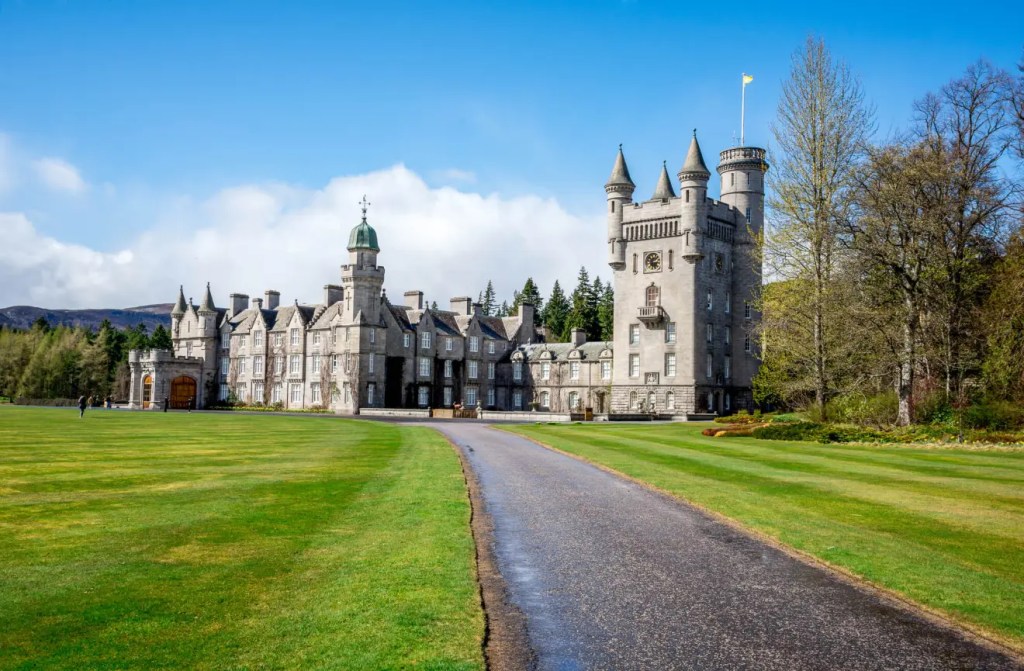
Our first estate to cover is perhaps the most famous of the Royal Family’s private estates.  Balmoral Castle has been in the Royal Family’s possession since the reign of Queen Victoria.  Prince Albert purchased the estate from the Farquharson family in 1852 along with the original castle, though the ever-growing Royal Family soon required enlargement, leading to the construction of the Balmoral Castle home as we know it today.  The estate became a popular retreat for the Royals during the autumn months and Prince Albert made a lot of changes to the grounds during his life.

After Prince Albert died, Queen Victoria spent much of her time at Balmoral and placed many mementos to her late husband in the house and around the estate.  One noticeable monument still standing today is a memorial cairn, a granite pyramid that is forty-one feet high.  The estate passed to the eldest child of subsequent monarchs, with King George V adding formal gardens during his time as Sovereign.  Prince Philip also added to the grounds, including a water garden and herbaceous borders.  With Queen Elizabeth II’s death in 2022, Balmoral Castle and its grounds have passed to King Charles III.

Of course, Balmoral Castle isn’t the only home located on the estate.  Birkhall is a country home at Balmoral that was originally constructed in 1715 and was acquired by Prince Albert shortly after he purchased Balmoral Castle.  The house has traditionally been the home of the Prince of Wales on the estate, though the Queen Mother, Elizabeth Bowles-Lyon, lived her until her death when it then passed to Prince (now King) Charles.  And even though Charles now owns the castle itself, he has publicly stated his intention to continue living at Birkhall when visiting the estate.  Prior to the Queen Mother’s death, Prince Charles and his then-wife, Princess Diana, would use Craigowan Lodge during the Royal Family’s annual summer holidays at Balmoral.  Today, Craigowan Lodge tends to house important guests of the Royal Family.

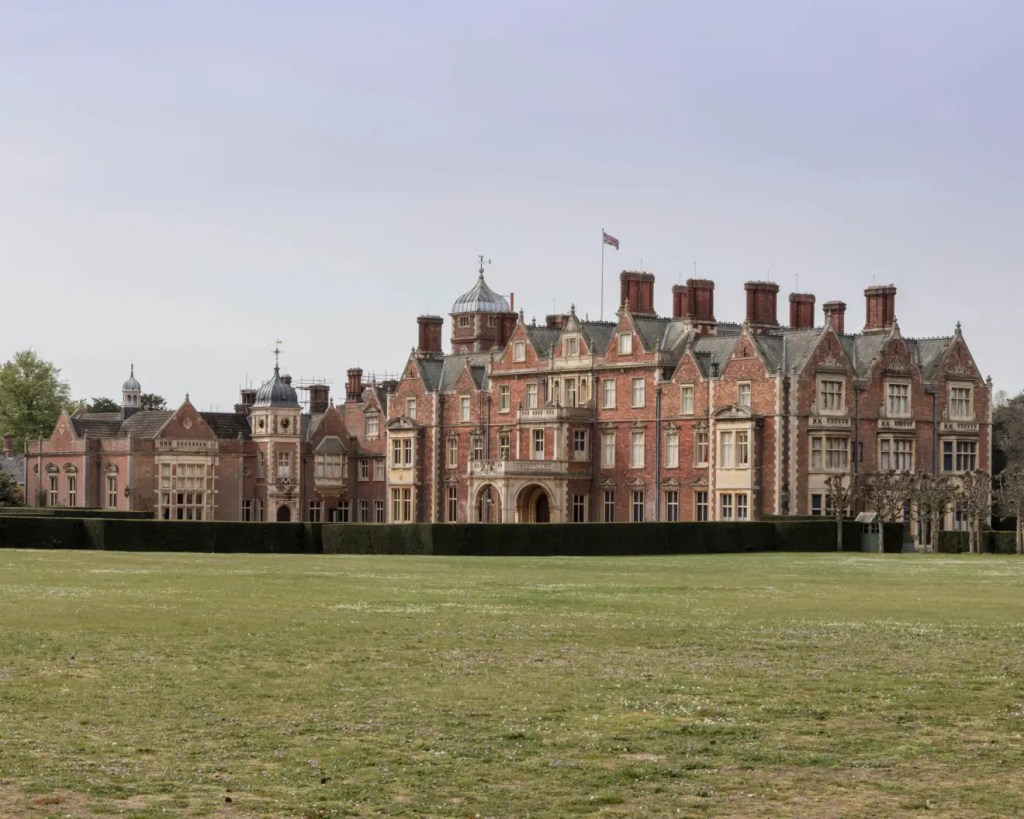
Another major private country estate privately held by the Royal Family is Sandringham House.  While a home had been located on the site since at least the 18th Century, the current Georgian home was constructed in 1870.  A few years before, Prince Albert Edward had purchased the home for himself and his wife, Princess Alexandra of Denmark.  It became a major country retreat for them, especially after Albert ascended the throne as King Edward VII.  It became a favorite of the Royal Family and passed to King George V and then to King Edward VIII.  After Edward’s abdication, King George VI purchased the estate from him so it would remain with the current monarch.  Queen Elizabeth II opened the estate to the public for the first time to mark her Silver Jubilee and after her death, the home is the personal property of King Charles III.

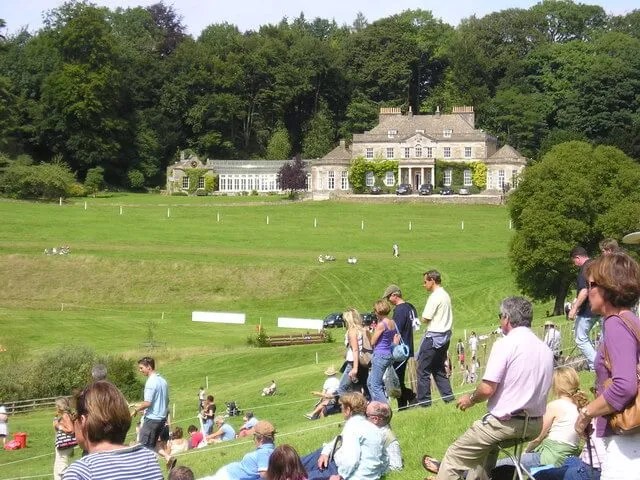
Lastly, we come to Gatcombe Park, the home to Anne, Princess Royal.  The current home on the estate was constructed between 1771 and 1774 with Queen Elizabeth II buying it as a home for Anne and her husband at the time, Mark Phillips, in 1976.  After Anne’s divorce, the estate was divided between her and her ex-husband, with Philips living at Aston Farm on the estate until he moved to the United States with his second wife.  Their children also lived in cottages on the grounds until their own marriages.  Owing to Anne’s love of equestrian sports, the grounds of the estate are home to the Festival of British Eventing (a major equestrian competition) in the fall every year, with Anne having designed the courses herself. 

These estates are only the tip of the iceberg when it comes to properties that the Royal Family and extended members call home.  While most of the residences are Crown estates, we hope you have enjoyed a look into a few of the larger private homes that the Royals use to get away from it all. 

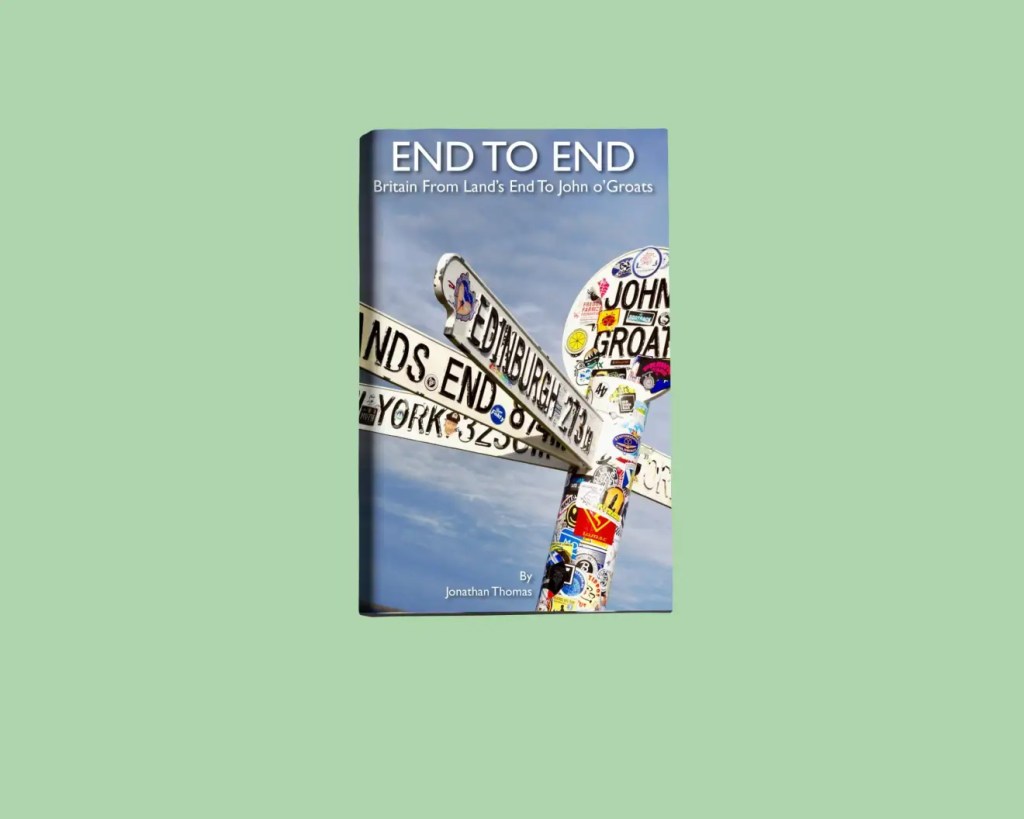
New Book: End to End – Britain From Land’s End to John o’Groats – A Travel Memoir

Finally, after years of writing and refining, I’m excited to announce that my latest book, End to End: Britain From Land’s End to John o’Groats, is now available for sale from us and from booksellers everywhere. It’s a travel memoir exploring Britain from Cornwall all the way to Scotland. It’s available to order today directly from us, and on Amazon and Kindle (and booksellers everywhere).

TLDR: I have a new book out today, a travel memoir about our journey in 2018 driving from Land’s End in Cornwall to John o’Groats in Scotland. It’s available now directly from us for signed copies, which should ship around the end of December (please do not order as a Christmas gift, we don’t know when exactly our copies will arrive), and on Amazon and Kindle.

Long-time followers of Anglotopia may remember that in 2018, we went on ‘Anglotopia’s Grand Adventure’ when we went on our epic drive from the southernmost point in Britain, to its northernmost point. It was an incredible adventure, and when I got back, I immediately set out to write about the journey and about the Britain we encountered along the way.

I did not expect it to take almost four years for me to finish this book. There are many reasons why, but none of them are really important enough to waste everyone’s time with (no one wants to hear a writer whine about writing). All that matters is that the book is done and with the publisher. The final book is something I’m very proud of, and I think you will enjoy it. If you liked my last book, you will love this, as I’ve tried to structure it the same way. When I started the book, I didn’t know that it would take almost four years to return to Britain after that trip (thanks to the Pandemic).

So, what’s in the book? The book is thirty-four chapters long, and each chapter is an exploration of an interesting thing or person we encountered on our drive. Each chapter is a deep dive into an interesting historical or British cultural institution that builds a picture of Britain from top to bottom. I’m immensely proud of this book. It’s very much like my last memoir, Adventures in Anglotopia, where I frame the things we see and do into my own life.

We’re releasing this as a special hardcover first. It clocks in at around 300 pages pages. Next year, we’ll release it in paperback form. If you buy the book directly from us, you will get a signed copy. We are not sure when our copies will arrive to sign, but it should be before the end of the year. There’s a small chance they might arrive before Christmas, but please do not order it as a Christmas gift as we cannot guarantee delivery. If you want it unsigned and quickly, please order from Amazon or a local bookstore, they can have it in a few days.

About the book – official synopsis

In 2018, Jonathan and Jackie Thomas, founders of the world’s largest Anglophile website Anglotopia.net, set off on their biggest adventure yet as they drove from Land’s End to John o’Groats (aka LeJog), ticking off the top item on their ‘Great British Bucket List.’

End to End is a new exploration of Britain from the southernmost tip of Cornwall to the northernmost tip of Scotland. Along the way, they explore stately homes, ruins, castles, the Queen’s private yacht, unique attractions, a bookshop or two, and even a motorway rest stop!

This journey takes them over 900 miles through some of the most breathtaking scenery in the UK and to many special places that they’ve never been to before. Along the way, they encounter fascinating characters, experience unexpected challenges, and discover the true spirit of adventure as they get to know Britain in a they’ve never experienced.

The journey also serves as a personal pilgrimage for the couple as they reflect on their lives, their business, their passions, and their love for each other. This inspiring and heartwarming tale showcases the beauty of the British countryside and the resilience of the adventurous human spirit. Join Jonathan and Jackie on their unforgettable journey and discover the magic of the UK like never before.

Book information:

  • Publisher ‏ : ‎ Anglotopia LLC (November 30, 2023)
  • Language ‏ : ‎ English
  • Hardcover ‏ : ‎ 300 pages
  • ISBN-10 ‏ : ‎ 1955273286
  • ISBN-13 ‏ : ‎ 978-1955273282
  • Item Weight ‏ : ‎ 1.31 pounds
  • Dimensions ‏ : ‎ 6 x 0.81 x 9 inches

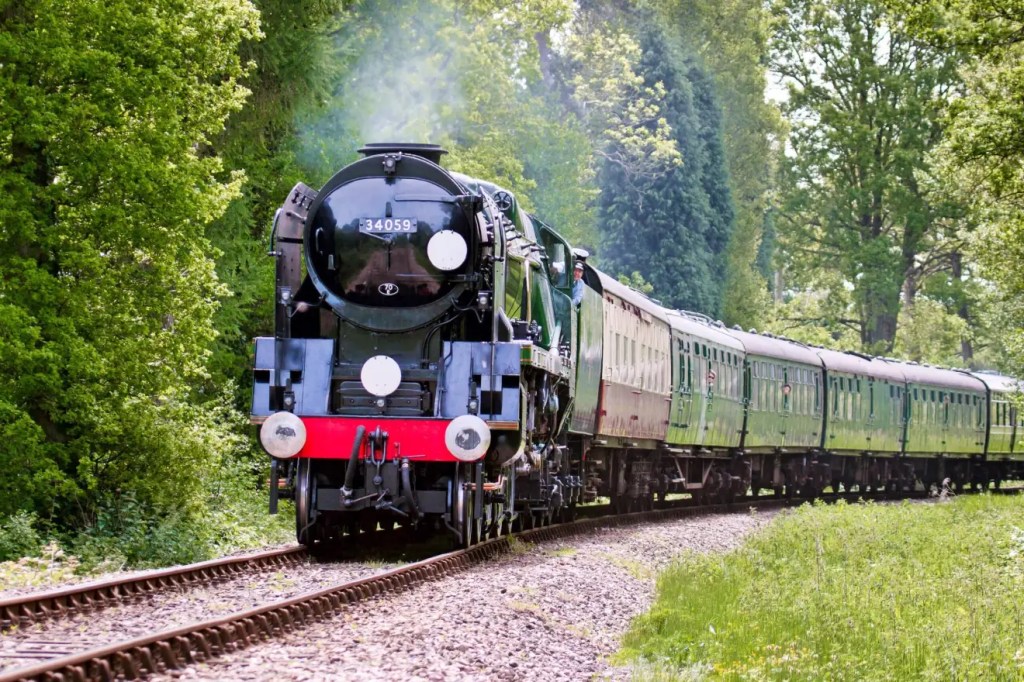
Britain’s Top Ten Heritage and Steam Railways

The preservation of the past should always be a top priority since it helps us understand how those who came before us live.  Heritage railways are a part of this since they help keep a link to Britain’s transportation history.  At one point, heritage railways were a primary means of moving goods and people, but advances in technology made them unnecessary.  Today, heritage railways are tourist destinations and places of historical significance.  We’ve identified ten different heritage railways we think you should visit, and you can share some of your favorites with us in the comments.

Great Central Railway

The Great Central Railway offers an experience you won’t find with any other heritage railway on this list.  It is the UK’s only double-track, main-line railway, meaning you have the chance to see these great old locomotives pass each other as they would have done in the old days.

Festiniog and Welsh Highland Railways

The Festiniog is the world’s oldest independent narrow-gauge railway and runs a 13.5-mile journey in Wales from Porthmadog Harbour to Tan y Bwlch up a 700-foot incline into Snowdonia National Park.  Nearby, the Welsh Highland Railway is also not to be missed as it also takes you into Snowdonia and past the foot of Mount Snowden on a 25-mile journey, making it the longest heritage railway in the UK.

Bluebell Railway

The Bluebell Railway has one of the best-looking journeys of any place on this list, as its 11-mile route takes passengers through the Sussex countryside.  Bluebell also hosts some of the best-looking trains of any heritage railway, with steam locomotives from the 1880s to the 1960s perfectly preserved.

North Yorkshire Moors Railway

And speaking of natural beauty, the North Yorkshire Moors Railway offers one of the most beautiful trips back through time.  You move through several restored stations from the 1910s to 1930s, including Levisham and Pickering on the 24-mile trip.  A stop at the Goathland Station is not to be missed for film fans as it was a double for Hogsmeade in the Harry Potter films.

Keighley and Worth Valley Railway

Another heritage railway for film buffs, the Keighley and Worth Valley Railway was used in “The Railway Children” and “Last of the Summer Wine.  The line originally closed in 1962, but reopened as a heritage railway only six years later.  Booking in advance gives you the opportunity to schedule afternoon tea while you ride.  The Railways also has a stop in Haworth, so you can visit the Bronte Parsonage Museum.

Epping Ongar Railway

The Epping Ongar Railway is one of the most convenient to access on this list.  With one of the stations in Epping, just northeast of Central London, it’s easy to take the London Underground to that end of the railway and ride it all the way to Chipping Ongar.  The Epping Ongar Railway also hosts special events, from Dinosaur Days for the kids to dining in its cars.

Ribble Steam Railway

Perhaps the most notable thing about the Ribble Steam Railway is that it runs right through the middle of Preston, England.  It goes across the Navigation Way swing bridge and into the town center.  Ribble locomotives get dressed up for the holidays, whether it’s Halloween or Christmas, and special events are hosted throughout the year.

Keith and Dufftown Railway

If you’re heading north, the Keith and Dufftown Railways is the most northerly heritage railway in Scotland.  It’s also not to be missed if you love whisky since the line starts in Dufftown, where seven different distilleries produce the most whisky in all Scotland (giving it the nickname “Whisky Capital of the World”).  There are three more distilleries at the destination of Keith, and the line regularly hosts special events involving Scotland’s favorite beverage.

Kent and East Sussex Railway

Another lovely trip through the Sussex countryside awaits with the Kent and East Sussex Railway, and if you’re not a whisky fan, you may find the ales at the Hoppers huts at the Bodiam station or in town at a CAMRA (Campaign for Real Ale) Ale and Cider Festival.  Behind the Scenes, days will teach you everything you need to know about how these trains runs, which is perfect for kids.

West Somerset Railway

West Somerset Railway is possibly the second-longest heritage railway on this list, as it runs almost twenty-three miles from Minehead to Bishops Lydeard.  The railway itself is entirely owned by the Somerset County Council which leases it to West Somerset Railway, a public limited company, a public trust.  This also makes it the longest independent heritage railway in the United Kingdom.

Ten Types of British Cheese

As much as tea and beer, one of the most prominent food exports in the United Kingdom is cheese.  Cheese is as much a cultural icon in Britain as anything and there are over 700 different kinds of cheese made throughout the country.  Each region tends to have its own variety and whether it’s a soft cheese, hard cheese, or even smelly cheese, there is a type of cheese for everyone.  Some you might already be familiar with such as the ever-popular cheddar or Wallace and Gromit’s favorite Wensleydale, but with so many to choose from, we have identified ten types of British cheese we think is worth a taste.

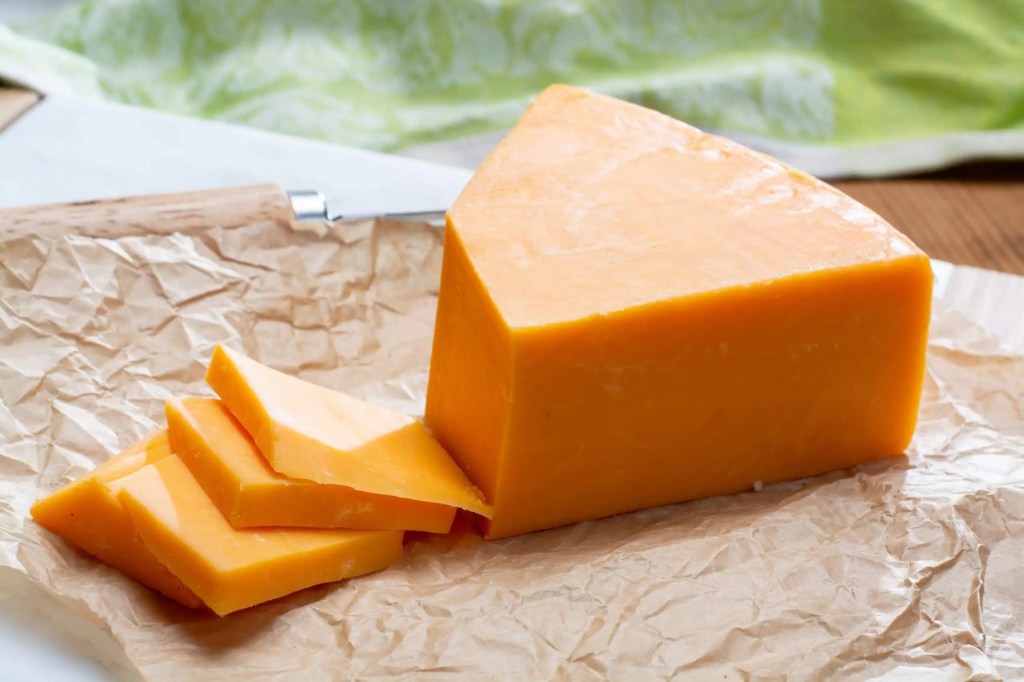
Cheddar

You might not know that one of the most popular cheeses in the world shares its name with the town that invented it.  Cheddar has been produced in the village as early as the 12th Century and was standardized in the 19th Century by Joesph Harding.  Harding and his family introduced cheddar to Scotland and North America, helping to increase its spread across the globe.  Cheddar also has plenty of variety from off-white in color to orange-ish, and can vary in its sharp taste. 

Stinking Bishop

Stinking Bishop is unquestionably the youngest cheese on this list, having only been first produced in 1972 by Charles Martell.  Martell bought up as many of the surviving Gloucester cows as he could and began producing the cheese from their milk.  Its color ranges from white-yellow to beige with an orange to grey rind, and it gets its name from being washed in perry made from the local Stinking Bishop pear.  As with Wensleydale, much of its popularity is owed to the animated franchise Wallace and Gromit, where the cheese made an appearance in the feature film The Curse of the Were-Rabbit. 

Cheshire

Originating in the county of Cheshire, Cheshire cheese can also be found in Denbighshire and Flintshire in Wales, as well as in Shropshire and Staffordshire counties in England.  Its texture is very hard and crumbly and can come in red and blue varieties.  It is also one of the oldest cheeses in the United Kingdom, first mentioned as far back as the 1580 book Health’s Improvement. 

Stilton

Stilton is one of the youngest on this list, having only been first created in the 18th Century.  Stilton cheese is crumbly but gets creamier as it ages.  It also comes in two varieties, White and Blue, the latter of which has Penicillium roquefortiadded to it to give the cheese a distinctive color, smell, and taste.  Unlike Cheddar, Stilton cheese has Protected Designation of Origin status, and any cheese calling itself Stilton must be from Derbyshire, Leicestershire, or Nottinghamshire. 

Wensleydale

French Cistercian monks began making this cheese after they moved to Wensleydale in Yorkshire in the 11th Century.  Hailing from the Roquefort region, the monks brought with them their recipe for making cheese from ewe’s milk, but it’s the meadows of Wensleydale that give the cheese its particular flavor and a slightly honey aroma.  By the 1990s, the popularity of the cheese declined to levels that threatened the Wensleydale Creamery’s business, but animated inventor Wallace claiming it as his favorite in the short “A Close Shave” helped reverse this cheese’s fortunes. 

Ticklemore

While most cheeses on this list are made from cow’s milk, Ticklemore is actually made using goat’s milk instead.  However, if you don’t like goat’s milk, you can take comfort in the fact that the cheese does not share much of a “goaty” taste and instead derives flavors from lemon and herbaceous plants.  The cheese has an ivory color and hails from Sharpham. 

Cornish Blue

The first cheese from Cornwall on this list, Cornish Blue is a milder blue cheese than other varieties found in the United Kingdom and softer than its contemporaries.  The cheese comes from the Stansfield family farm on the edge of the Bodmin Moor.  Its profile makes it perfect for someone who wants to try blue cheese but doesn’t like a strong flavor.

Red Leicester

Similar in color and make to cheddar, Red Leicester is much crumblier than its cousin and gets its color from annatto extract.  The cheese originated on Leicester farms with whatever milk was leftover from making Stilton, then colored with beetroot or carrot juice.  Originally known as Leicestershire Cheese, the name changed in the 1940s when White Leicester was introduced as a wartime recipe. 

Double Gloucester 

Double Gloucester has been around since the 16th Century when it was first made as Gloucester cheese from Gloucester cows.  Its name comes from the mixing of morning and evening milk, though varieties of double Gloucester will also include other ingredients to produce different flavors.  It was traditionally made in a large wheel with a thick rind to be part of cheese rolling ceremonies for the preservation of grazing rights, a ceremony that’s still carried out in Gloucester today, though more for fun than for any legal significance. 

Cornish Yarg

As the name would suggest, this is a cheese that originates from Cornwall and can be semi-hard.  The recipe dates back to the 16th Century but was brought back to public consciousness by Alan and Jenny Gray in the 1980s (Yarg being “Gray” spelled backwards).  It’s wrapped in nettle leaves which help the exterior keep a creamy texture while the innermost part of the cheese block will be crumbly.

Ten Interesting Facts about the Film Willow

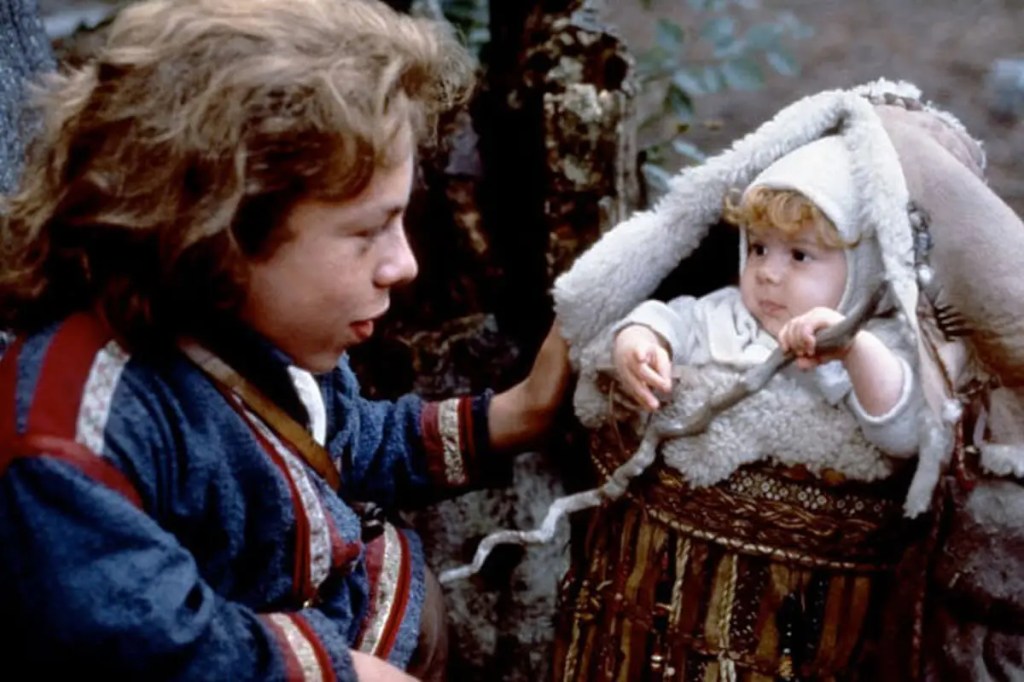
Having succeeded in science-fiction and supernatural adventure, in 1988 Lucasfilm turned its attention to fantasy. The film Willow featured the titular protagonist saddled with the responsibility of protecting a baby that was destined to bring down an evil queen. Starring a relatively unknown Warwick Davis in his first leading role along with Val Kilmer, Joanne Whalley, and Jean Marsh, the film was Lucasfilm’s first critical and commercial failure. However, in the time since its release, Willow has become a cult classic and garnered enough of a devoted following that Disney+ revived it as a series. Whether you’re going back to watch the original film or engaging in the new series, we hope you’ll enjoy these ten magical facts.

Romance on Set

Actors Val Kilmer and Joanne Whalley played foils with a lot of unresolved romantic tension. Their onscreen chemistry eventually gave way to real-life chemistry, and the two married in 1988, the same year the film came out. Though the marriage only lasted eight years, Kilmer and Whalley had two children together and remained friends after their divorce. They weren’t the only ones, as Warwick Davis met his future wife Samantha on set. Their daughter Annabelle Davis plays Willow’s daughter Mims in the new series.

Tailor-Made Role

The part of Willow was written with Warwick Davis in mind. George Lucas had met Davis when the latter was a child playing the Ewok Wicket W. Warrick in 1983’s Star Wars: Return of the Jedi. Lucas was so taken with Davis’s performance that he allegedly told Davis’s mother he’d develop something for him later down the road. David was only 17 when he starred as Willow and went into a prolific career not only in further Star Wars roles but also the Leprechaun and Harry Potter franchises.

No Small Roles

All of the Nelwyn were played by actors with dwarfism, and according to Warwick Davis, the movie had the largest casting call for little people of any film in history. In the end, somewhere between 225 and 240 actors were hired to play the Nelwyn villagers.

A Cold Shower

For the scene in which Queen Bavmorda turns the heroes’ army into pigs, the set was filled with dozens and dozens of real pigs. There was a problem, though, in keeping the pigs from trying to mate with each other. They were literally doused with cold water to keep their libidos in check.

Never Not Working

Kevin Pollak and Rick Overton, who play the Brownies, were stand-up comedians before getting into acting. During their off-hours from filming, the pair would hit up a bar in San Rafael and eventually started doing improv there to entertain the bar patrons. During one performance, they were joined on stage by an audience member—who was none other than Robin Williams. Pollak decided to sit out the performance just to watch Williams work.

Throw It Up—I Mean—In! Throw It In!

As a result of his dwarfism, Warwick Davis walks with a slight limp. This had the effect of giving the twins who played Elora Danan motion sickness. One of them eventually threw up on Mark Northover, who played Burglekutt. Ron Howard opted to keep the literal spit take in the movie. There’s even a reference to it in the new show where the adult Elora says the rocking of the wagon makes her feel sick.

You’ve Had It Before

Blackroot is actually vanilla.

The Word is No—I Am Therefore Filming Anyway

George Lucas wanted to film parts of the movie in South China but was denied permission by the Chinese government. Instead, he sent a group of photographers to shoot pictures of specific areas and then worked the shots into the background via bluescreen.

Director’s Trademark

Well, it’s more like a producer’s trademark, as George Lucas got about three Wilhelm Screams into the movie. Director Ron Howard tried to get his brother Clint into the film (as is usual for Ron’s movies) but couldn’t find a part for him, so he modeled the two-headed dragon on him.

Take That, Critics!

And speaking of that two-headed dragon, while it isn’t named in the film, the script and press documents referred to it as “Eborsisk”, which is a portmanteau of film critics Roger Ebert and Gene Siskel.

Ten Interesting Facts about Peter Cushing

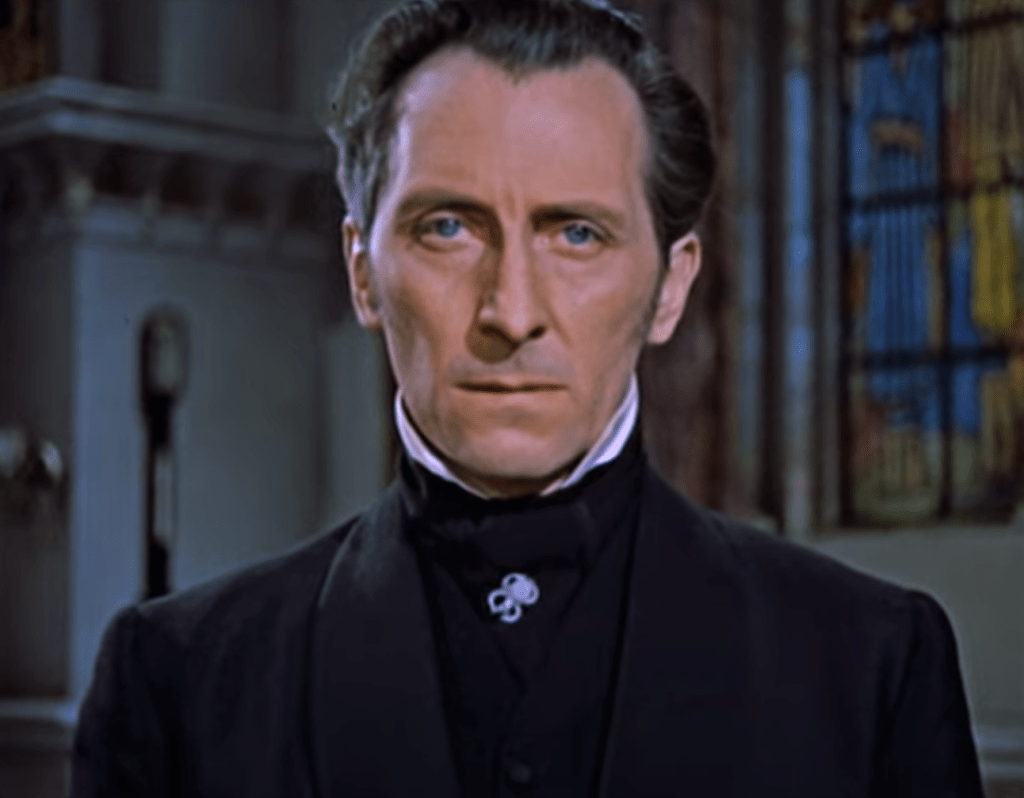
Perhaps one of the most underrated actors of the 20th Century, Peter Cushing is mostly regarded for his role as Grand Moff Tarkin in Star Wars: A New Hope. However, to horror fans, he is an absolute legend for playing Abraham Van Helsing and Victor Frankenstein in several Hammer Studios movies from the 1950s to the 1970s. And these roles are honestly only the tip of the iceberg when it comes to the rather prolific career of this great British actor. To help you understand more about his greatness, we’ve assembled these ten interesting facts about Peter Cushing. Let us know your favorite films and roles in the comments.

A Closed Door and an Open Window

Cushing once auditioned for a production of Born Yesterday in the 1940s that was being produced by Laurence Olivier. The role called for him to do an American accent, which Cushing didn’t believe he could do convincingly. He was very upfront with Olivier about this, and while he didn’t get the part, Olivier told him, “I appreciate you not wasting my time. I shall remember you.” Olivier later cast him as Osric in Olivier’s 1948 version of Hamlet, which helped to launch Cushing as a film and TV star.

“Peter Cushing Lives in Whitstable”

Peter Cushing bought a home in the seaside town of Whitstable in 1959. As related by comedian Alan Davies on the panel show QI, a local band named the Jellybottys even wrote a song about their local famous resident. There’s even a pub dedicated to him in the town, “The Peter Cushing,” which is appropriately housed in an old movie theater and has an art deco interior with plenty of Cushing memorabilia.

Charming, to the Last

During the filming of their scenes for Star Wars: A New Hope, Carried Fisher said she often had trouble seeing Cushing as evil in his role of Tarkin because he was so polite and charming when cameras weren’t rolling. She also said he smelled of linen and lavender. It probably didn’t help that Cushing also wore slippers on set since he found the leather Imperial boots uncomfortable.

Famous Roles

Peter Cushing has inhabited some of the most well-known literary characters on screen. In addition to the aforementioned Van Helsing and Frankenstein, he has also played Sherlock Holmes, Mr. Darcy, and Winston Smith from 1984.

One that Got Away

Every actor has a well-known role that they turned down. For Peter Cushing, he said no to playing Dr. Loomis in 1978’s Halloween, a role that went to Donald Pleasance.

The Horror, the Horror!

Peter Cushing made a total of twenty-two films for Hammer Studios, most in their “Hammer Horror” line. Arguably, one of the only non-horror Hammer films he made was The House of the Baskervilles when he played Holmes with André Morrell as Dr. Watson and Christopher Lee as Sir Henry Baskerville.

Best of Frenemies

While Peter Cushing and Christopher Lee were often at each other’s throats in movies (most often as Van Helsing and Dracula), the two were quite close friends in real life. Their friendship began on the set of The Curse of Frankenstein when Lee (who was playing the creature) angrily stormed into Cushing’s dressing room, saying, “I haven’t got any lines!” and Cushing wryly responded, “You’re lucky. I’ve read the script.” Their friendship thus grew from mutual respect and acknowledgment of the other’s professionalism and continued until Cushing’s death from prostate cancer in 1994.

Dr. Who?

While not included in the official canon (at least, not yet) of the Doctor’s regenerations, Peter Cushing had the distinction of playing the Doctor in two films: Dr. Who and the Daleks and Daleks – Invasion Earth: 2150 AD. Rather than being the alien “Doctor,” he was a very human inventor named “Dr. Who” who created his “Tardis” (as opposed to Time and Relative Dimensions in Space) to travel in time. His Tardis, however, still looked like a police box with no reason given in-story for why it had that shape.

And the Oscar Goes To….

Of all the movies he made, only three were nominated for best picture, including Hamlet (1948), Moulin Rouge (1952), and Star Wars: A New Hope (1977). Hamlet is the only one of the three that won.

Living After Death

Even though he was long gone, the Star Wars franchise continued to utilize him as Tarkin. George Lucas had originally wanted to use archive footage for Star Wars: The Revenge of the Sith in 2005, but the technology didn’t exist to do it convincingly, so lookalike Wayne Pygram was cast instead for a brief cameo. By 2016’s Rogue One, deepfake-like AI technology allowed Cushing’s face to be morphed onto actor Guy Henry so Cushing’s Tarkin could live again.

Royal 101:  The Honours Process from Nomination to Knighthood

It is a dream for many Brits to one day be called “Sir” or “Dame” when they receive a knighthood from the Sovereign.  In the past, we have covered the various orders of chivalry that make up the honors but have not covered the process from beginning to end.  Even the process can have many routes as there are several different times at which individuals can be nominated to receive an honor.  Join us as we cover the times and means by which British citizens can find themselves receiving knighthood from the King. 

The process starts with a nomination for an honors list, which can happen at multiple times in a given year.  The most common are the Birthday and New Year’s Honours, the former taking place on the Sovereign’s Official Birthday (as opposed to their actual birthday, which is a different time of the year).  As it sounds, the New Year’s Honours are awarded around New Year’s Day every year.  A less-common time for honors is the Prime Minister’s Resignation Honours when the Prime Minister ominates individuals for honors prior to leaving office (there have been more than the usual number of those lately…).  Other opportunities include Special Honours, which can happen at any point in the year, Demise Honours at the death of a monarch or consort, and Coronation Honours. 

For Birthday or New Year’s Honours, virtually anyone in the United Kingdom or the Commonwealth can nominate anyone else whom they feel has contributed to either.  However, it should be noted that the individual will need to meet the requirements of the award for which they are nominated (and you can’t nominate yourself).  The Cabinet Office oversees the process, and it is to that office that members of the public submit applications for their nominees.  If the applicant has done their service overseas, the Foreign Office takes those applications.  Applications should include what the person has done and how they have made a difference, with detailed examples of what they have done.  Nominations also require a minimum of two letters of support, though more can be helpful to the nominee. 

The Cabinet Office or Foreign Office will inform the applicant by mail when the application has been received.  The offices then begin going over the application materials to verify qualifications and the nominee’s work.  This process can take anywhere from 18 months to 2 years, so it is not uncommon to wait quite some time for a response.  The Cabinet Office informs applicants not to resubmit their nominee until they hear back about the status of the application, or else the newer application will be rejected.  Nominations are then divided into their various subject areas and assessed by independent experts and senior civil servants.  The committees come up with their lists independent of the government and pass them on to the Prime Minister, who in turn makes recommendations to the monarch. 

The Sovereign then informally approves the list since the truth is that the Prime Minister has already approved the list.  The monarch’s approval is little more than a formality of their office.  The list is formally approved after each nominee accepts or turns down the honor.  The London Gazette, the official Crown newspaper, then publishes the full list twice per year—once for the New Year’s Honours and again for the Birthday Honours.  The Central Chancery of the Orders of Knighthood makes the preparations for the investitures at St. James’s Palace, including setting the dates for the awards and determining which member of the Royal Family will present the honor. 

One last thing to mention is that honors can, and sometimes are, taken away.  The Honours Forfeiture Committee looks at a potential forfeiture candidate to see if their actions “raise the question of whether or not they should continue to be a holder of the honor.”  This typically includes being convicted of a crime, though other actions can also result in forfeiture, such as when Royal Bank of Scotland head Fred Goodwin had his removed for the part he played in the bank’s near-collapse.  Some individuals have returned their honors, such as John Lennon, to protest the British Government’s supportive role in the American war in Vietnam.  Still, others have refused the honor, including such celebrities as French and Saunders, Roald Dahl, and David Bowie. 

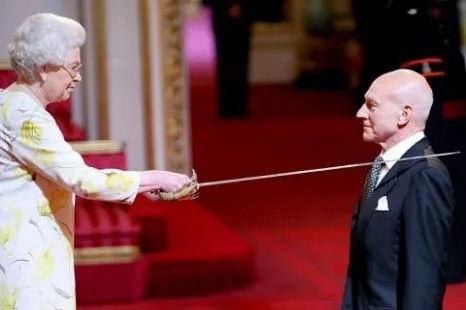
When the day comes, it can be quite the sight as a nominee kneels before the King or another member of the Royal Family and rises as a “Sir” or “Dame.”  The Sovereign “dubs” the nominee by tapping them with a sword on the right, then the left shoulder, and announcing their new title.  The award does not come with any tangible benefit but can help raise the person’s profile and any charity work in which they are engaged.  For many honors recipients, it is the greatest award they could hope for, apart from their work, of course. 

Aside: Americans have been awarded honors quite a few times, but as our constitution does not allow us to use honors, we cannot use titles like Sir or Dame (but you can use the initials KBE or DBE after your name). To use the title, you would have to acquire British citizenship.