There’s no getting around it: London is expensive. But while the cost of living and visiting may seem high, the UK capital has a lot to do and see that doesn’t cost a thing. In fact, there are so many free things to do in London that days go by when I don’t spend much at all.
One of the great things about London is that a lot of the city’s best-loved attractions are free.
Most of the big museums are free to enter, a lot of the best views of the city are free to enjoy, and there’s tons of free entertainment on offer.
Above all, the city is beautiful enough that just walking around is a highlight in its own right.
I’ve picked my favorite free things to do in London for this blog post, and there are plenty more to experience on top of them. I hope they encourage you to see more of London while spending less.
Free Things to Do in London: The Parks
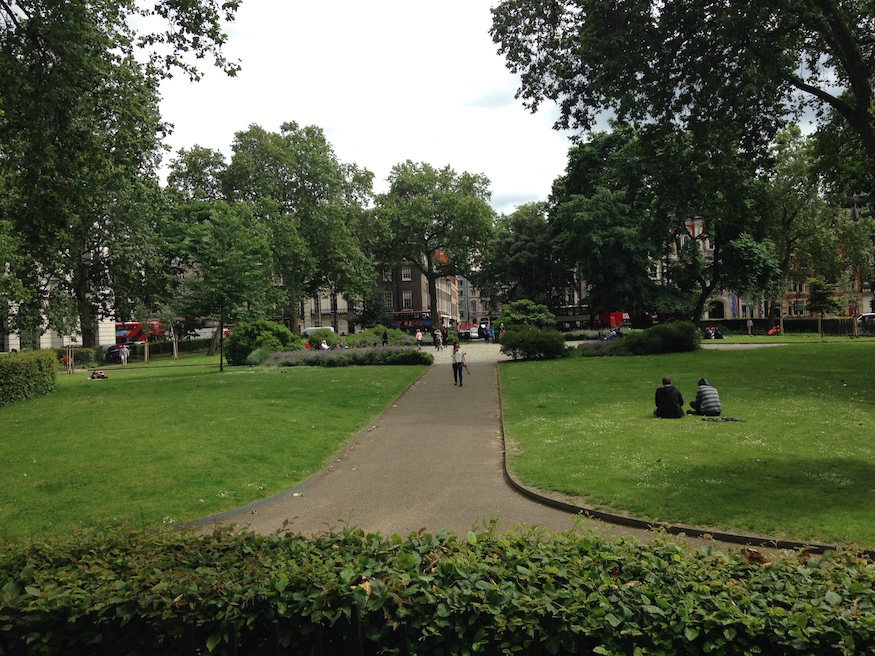
The parks are my favorite free things in London. From the Royal Parks to the local squares, London has an amazing amount of green space for a city its size. And that’s to say nothing of the gardens, which are worth a special trip to see.
1. Hyde Park
Hyde Park is one of London’s biggest and best parks, and is a great place to take in the flowers and watch the boats go by on the Serpentine.
2. St James’s Park
St James’s Park is full of birds from around the world and has beautiful gardens bordering the lake. The views from the bridge are stunning, too.
3. Green Park
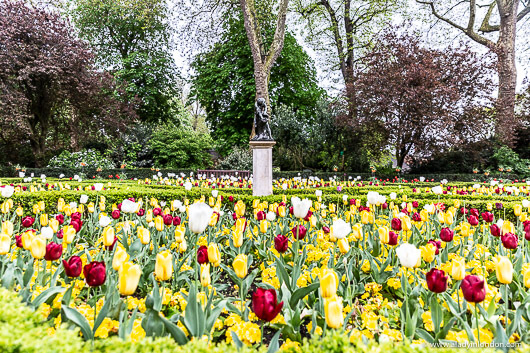
Green Park is perfect for picnics in the warmer months, and has impressive daffodils in the spring. It’s a great place to wander after a visit to Buckingham Palace or a stroll down Piccadilly.
4. Holland Park
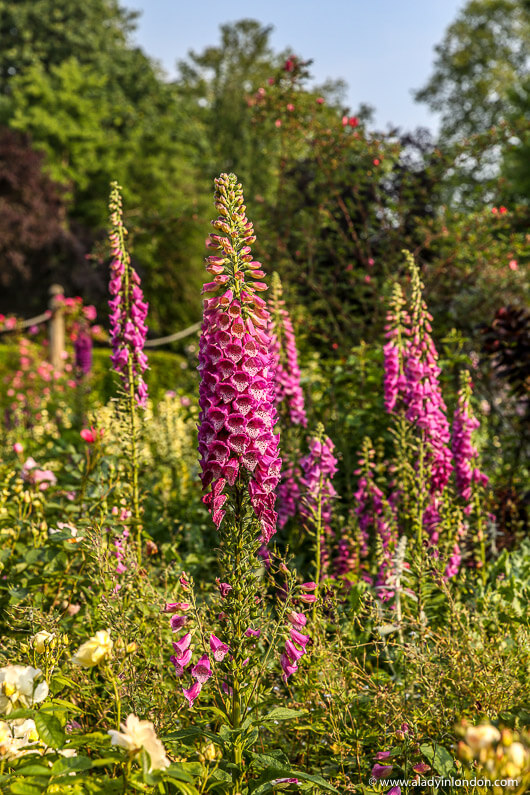
Holland Park has manicured gardens, peacocks, and lots of woodland walking paths. The spring flowers are gorgeous (as are the summer ones), and the Kyoto Garden is always a treat.
5. Regent’s Park
Regent’s Park is lovely when the roses are in bloom. The park also has events and festivals on throughout the year. But with lakes, gardens, and playing fields galore, there are enough free things to do in London without needing to pay for more.
6. Hampstead Heath
Hampstead Heath is one of London’s wildest parks. It’s a great place to go to feel far from the urban center of London. The views of the city from Parliament Hill are amazing, too.
7. Victoria Park
Victoria Park is full of gardens and boats, and is the perfect place for a wander in east London. From water features to a Chinese pagoda, there’s a lot to discover here.
8. Richmond Park
Richmond Park is famous for its deer, and its vast expanse makes it ideal for a good leg stretch. It’s packed with views, dogs, and horses, too, so there’s always something to see.
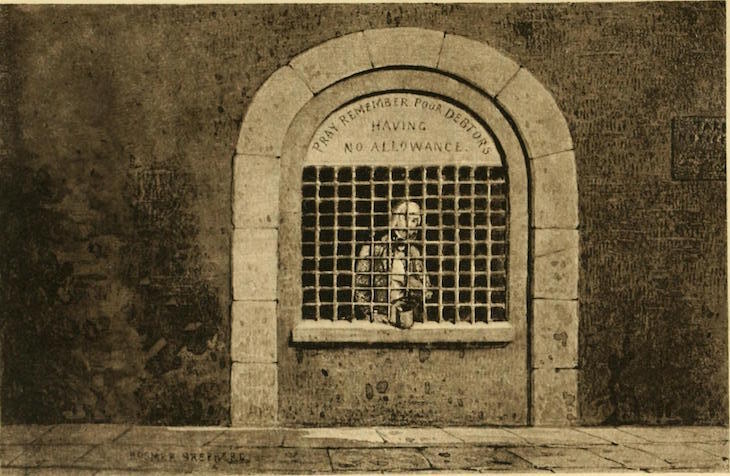
Compters – sometimes called counters – were small prisons for minor transgressors such as debtors, religious dissidents, drunks, prostitutes, homosexuals and asylum-seeking slaves. But their inmates were overwhelmingly debtors. They existed from medieval times and were all closed by the mid-19th century, their inmates being dispersed to other institutions.
London had two compters north of the river (Wood Street and Poultry) and one south (Borough). Wood Street was preceded by Bread Street until 1555 and succeeded in 1791 by Giltspur Street, but essentially the heyday of compters involved the three mentioned.
Compters were run by a sheriff and his staff, all of whom were essentially a law unto themselves, parliamentary inspectors having no jurisdiction within the walls. They charged inmates for everything essential to survival and comfort: food, drink, clothes, bedding, warmth, medicine – the lot. Many prisoners – by definition already having money problems – often found themselves in a downward spiral of increasing poverty and squalor. In theory they could take in work from outside – tailoring, shoe repairing and the like – but this seems rarely to have happened in practice. At their height in the 17th and 18th centuries, compters would often lose half a dozen inmates per week to disease, but there was on shortage of re-supply.
These institutions were notorious even in their own time with constant complaints from reformers and former prisoners via Parliament, newspapers and pamphleteering, to little avail. An Act of Parliament was passed in 1712 designed to alleviate the plight of demonstrably irredeemable debtors – it had little effect. It was not until the groundswell of Victorian reform was sufficiently powerful that compters were finally shut down for good in the 1850s.
Wood Street Compter
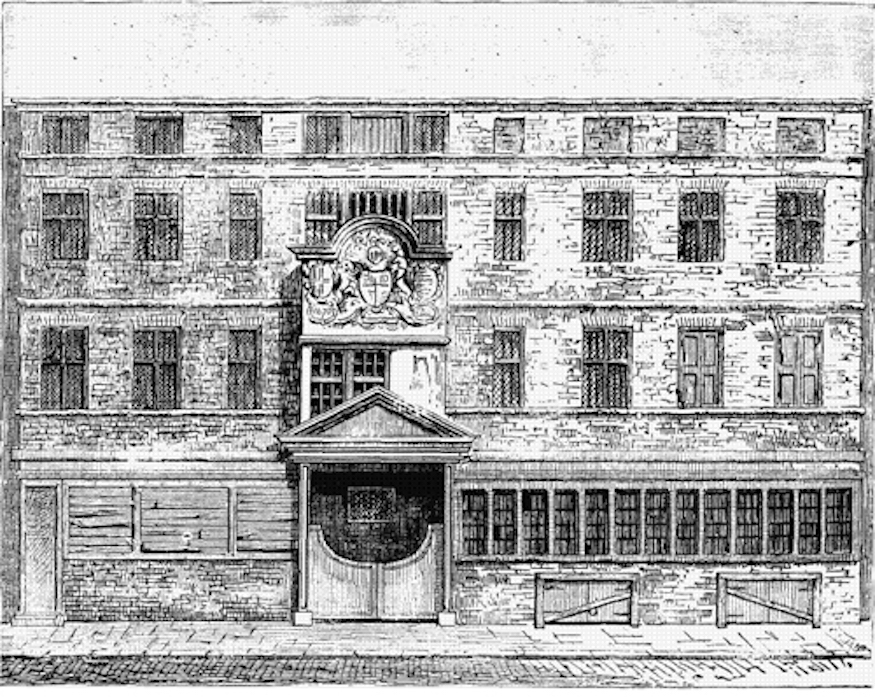
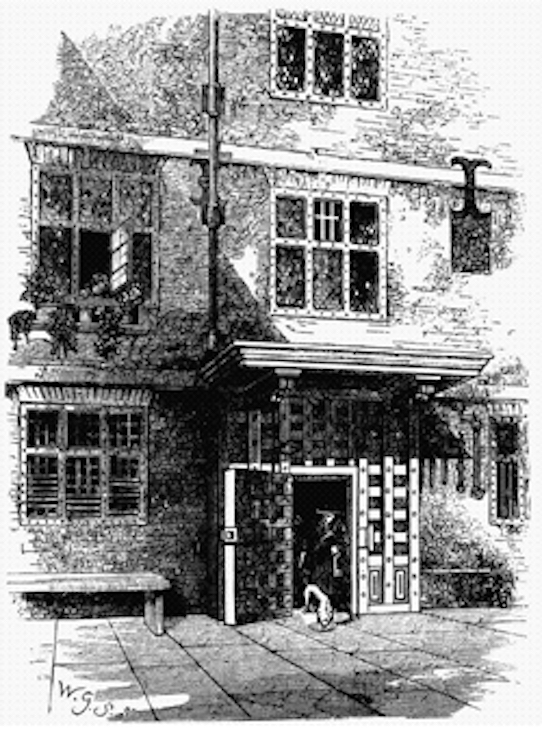
Wood Street Compter, in Cheapside, opened in 1555 as a replacement for Bread Street Compter from where all the inmates were transferred. Depending on how flush you were, when entering the compter you could choose to stay in the Master’s Side, the Knight’s Ward or the Hole, these names being self-explanatory as to what level of comfort you could expect. Every officer and every service had to be paid for by the prisoner, what was known as “garnish”. Incarceration in the compter could be a very expensive experience indeed. A pamphlet of 1617 complained that:
…when a gentleman is brought in by the watch for some misdemeanour committed, that he must pay at least an angell before he be discharged; he must pay twelvepence for turning the key at the master-side dore two shillings to the chamberleine, twelvepence for his garnish for wine, tenpence for his dinner, whether he stay or no, and when he comes to be discharged at the booke, it will cost at least three shillings and sixpence more, besides sixpence for the booke-keeper’s paines, and sixpence for the porter…
Wood Street Compter was burned down in the Great Fire and rebuilt within a few years. It was eventually closed in 1791 and its inmates transferred to the new Giltspur Street Compter.
Poultry Compter
Also based in Cheapside, Poultry was named because of its proximity to the poultry market. Compters did not officially have specialities, but Poultry was known for its Jewish and black inmates. The former was probably simply due to its proximity to Jewry with its concentration of Jewish residents. It is said that the compter escaped attack during the Gordon Riots of 1780 because Lord Gordon had strong Jewish sympathies. The black prisoners were almost all ex-slaves, whose legal status was ambiguous. Their owners claimed that they were still slaves, while reformers and the men themselves, reasonably argued that there was no slavery in Britain and therefore once on British soil they had become free men. It was shortly after an ex-slave James Somerset won his freedom in just such a case in 1772, that the poet William Cowper wrote:
Slaves cannot breathe in England; if their lungs Imbibe our air, that moment they are free
Poultry Compter was pulled down in 1817.
Borough Compter
Borough was the only compter south of the river. Originally in Borough High Street, it moved to Tooley Street in 1717. It was overwhelmingly a debtors’ prison, but held a small number of proper felons over the years. It was closed in 1855, almost simultaneously with Giltspur Street, bringing an end to the era of compters.
Giltspur Street Compter
The newest of the compters, Giltspur Street opened in 1791, replacing Wood Street and absorbing some of Poultry’s inmates when that institution closed in 1817. It was based in Smithfield, opposite Newgate Prison. There was a plan to convert the compter into a full-fledged prison in 1819, but nothing came of it in the end. Giltspur Street was eventually closed in 1853 and demolished two years later.
Sources: Wikipedia, as per.The best source I found, drawn on heavily here, is Old and New London, Vol.1(1878) by Walter Thornbury, re-published online by British History Online (sponsored by the Centre for Metropolitan History). The bits about Wood Street Compter and Poultry Compter, as linked here.
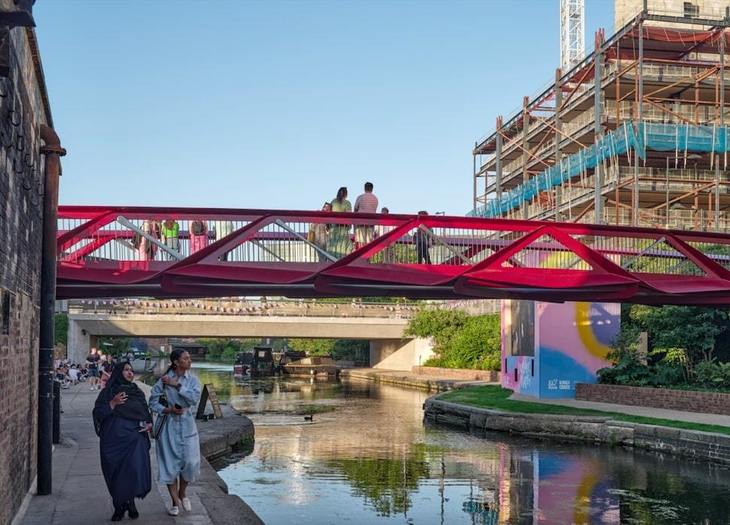
There’s a new pedestrian crossing to try out in central London — Esperance Bridge in King’s Cross opened in July, spanning the Regent’s Canal at Granary Square and Pancras Square.
Designed by Moxon Architects and Arup (the latter was involved with King’s Cross station’s stunning roof), Esperance Bridge is a nod to a railway bridge built on the same spot in 1821, to transport coal to the goods yard.
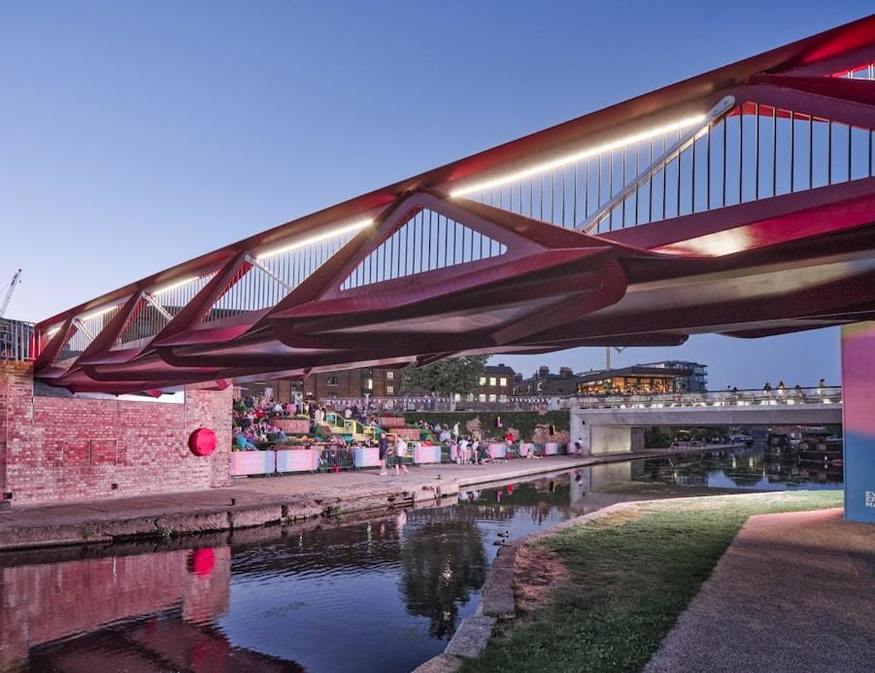
It’s a simple, handsome structure made from carbon steel, stretching 25 metres and painted a red oxide hue, reminiscent of the Forth Bridge in Scotland.
The bridge mirrors a Victorian rail bridge that opened on this spot 200 years ago.
Esperance Bridge has been described by Robert Evans, CEO of King’s Cross as «one of the final pieces of the public realm jigsaw» in a transformation of the King’s Cross area which has seen scores of industrial buildings and landmarks converted for both public and private use, including Coal Drops Yard and Gasholders London.
The bridge’s integrated lighting, by Studio-29, is designed to have minimal impact on the canal and local wildlife
If you’re wondering about the bridge’s name, it was chosen by local children from King’s Cross Academy, and means ‘hope’ in French. Clearly they’ve got some smart primary school children in this part of London.
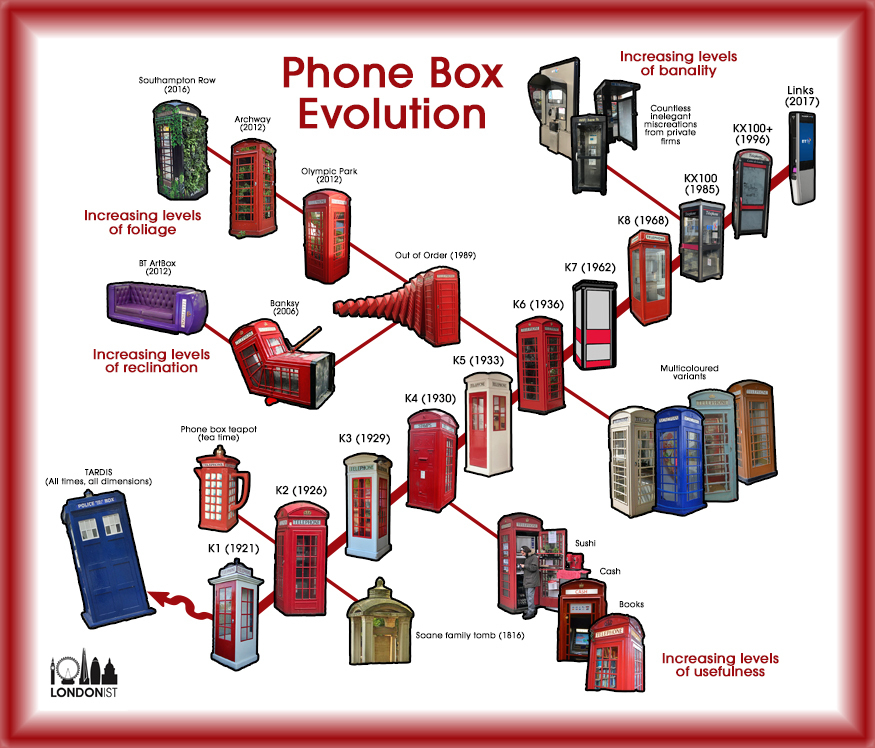
Ah, the famous red phone box. Symbol of London, but found all over the country.
The box as we know it was designed by Giles Gilbert Scott, supposedly inspired by the tomb of Sir John Soane in St Pancras churchyard.
The ‘K2’, as it was called, was not the first phone box, and by no means the last. In this illustration, we chart the different species of kiosk to appear on our streets. The main diagonal in the image shows the ‘official’ lineage of phone boxes commissioned by the General Post Office and later BT. Side branches are more whimsical.
Out of Order, an artwork in Kingston Upon Thames by David Mach.
In recent years, the need for phone boxes has greatly diminished. Many have been put to new and novel use, such as book swaps, work desks and even sushi stalls. Meanwhile, artists such as Banksy have changed the (dialling) tone with creative works of phone box art.
The latest and much-derided successor to the K2 is the Link from BT. These sleek monoliths offer free calls, phone charging, ultrafast wifi and other digital services, so long as you’re happy to share your data with a range of companies. Is this the last gasp in the hundred-year evolution of the phone booth?
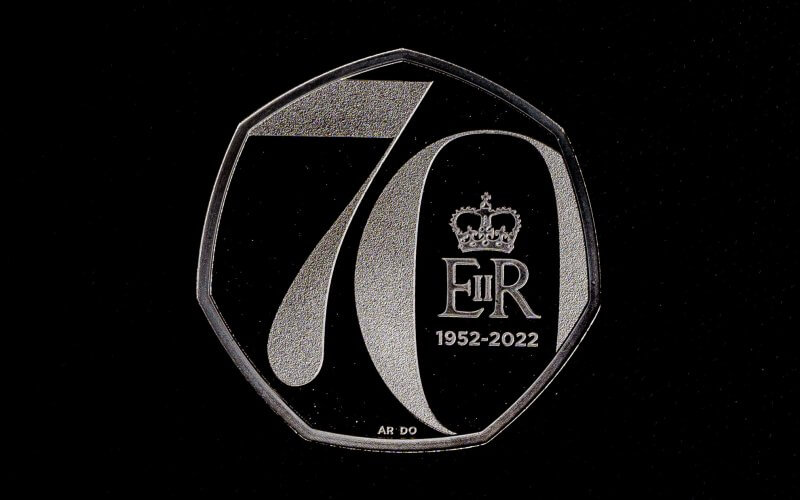
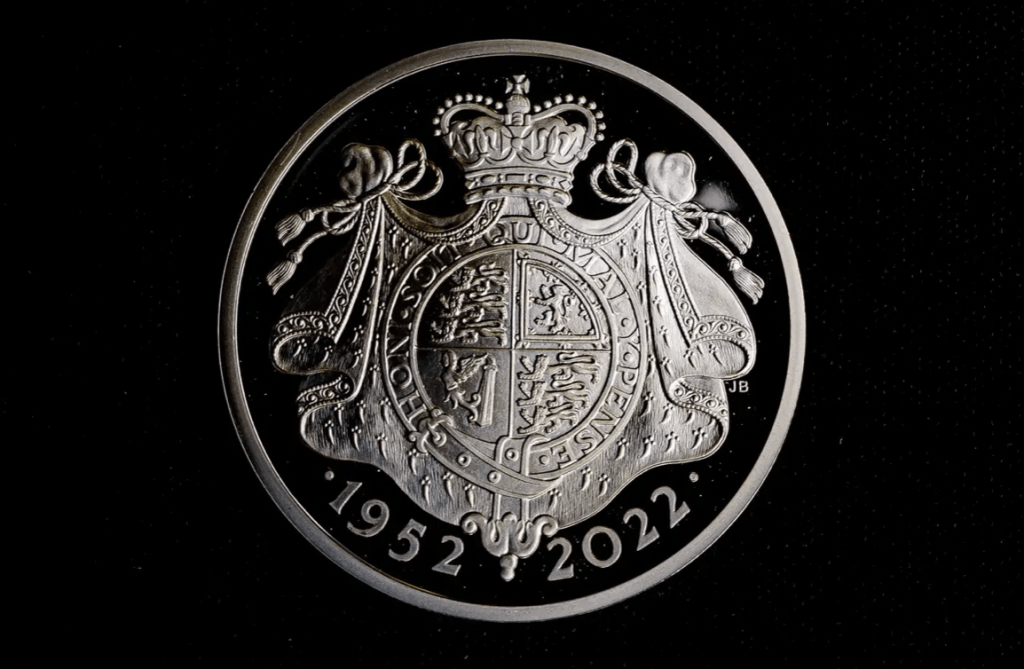
Two new coins designed in celebration of the Queen’s Platinum Jubilee have been unveiled by the Royal Mint.
The release of the 50p and a £5 crown is the first chance for collectors to own a keepsake from the Platinum Jubilee collection.
The 50p is the first of its kind to celebrate a royal event, while the £5 coin follows the tradition of marking previous jubilees on crown pieces.
The £5 crown (Ben Birchall/PA)
Each of the coins features a new and unique design by a commissioned artist and the obverse portrait of the Queen, designed by Jody Clark.
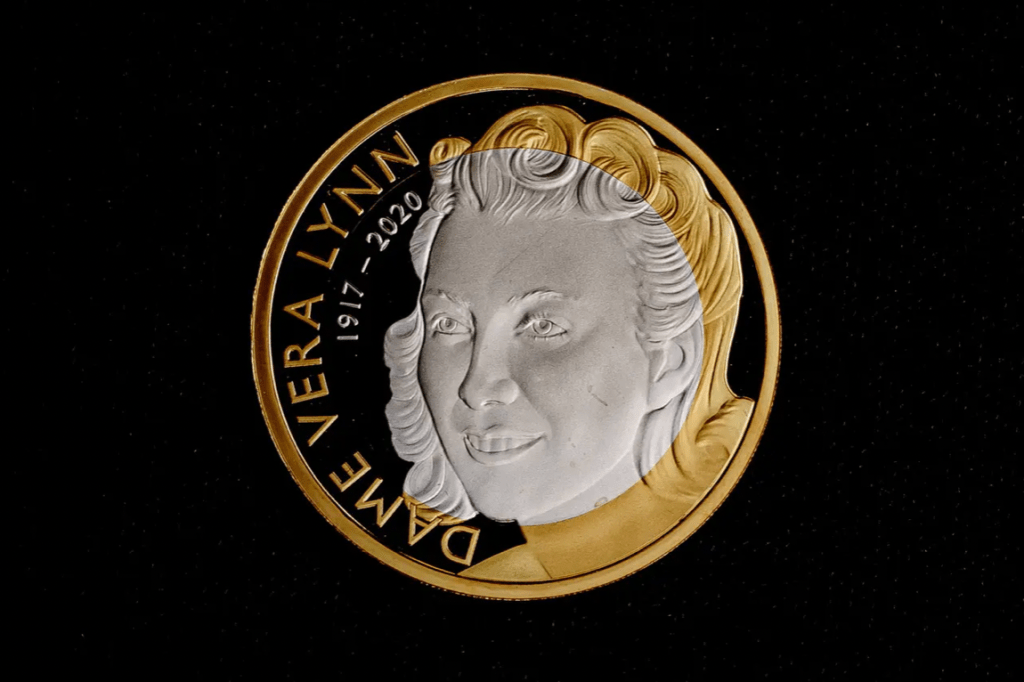
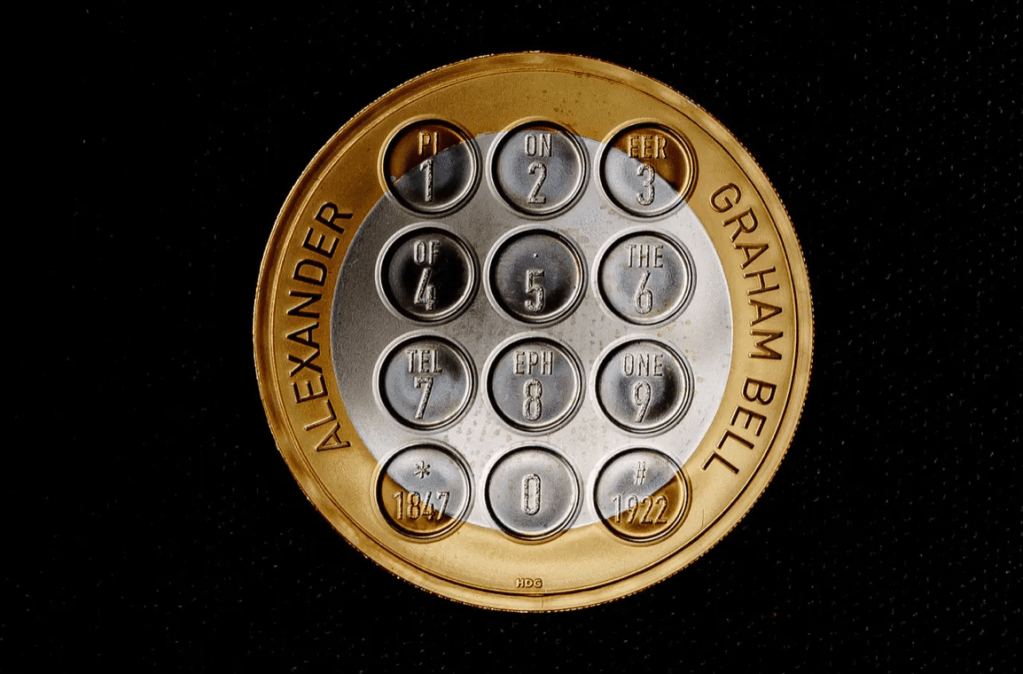
There will also be £2 coins recognizing the life and legacy of Dame Vera Lynn and Alexander Graham Bell.
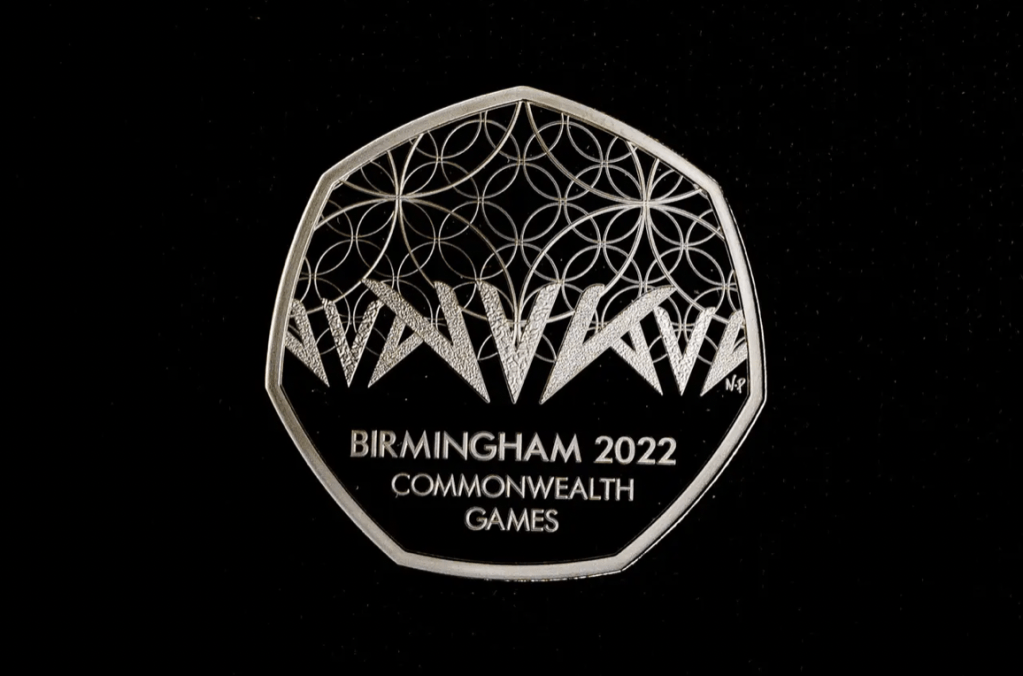
There will also be a 50p coin marking next year’s Commonwealth Games in Birmingham.
The coin marking the Commonwealth Games (Ben Birchall/PA)
Clare Maclennan, from the Royal Mint, said: “Each year, the Royal Mint unveils a series of commemorative coins to celebrate key milestones that helped shape Britain and this year’s annual set is particularly special with a new 50 pence, £5 crown and special platinum set in celebration of Her Majesty the Queen’s Platinum Jubilee.
“As the original maker of UK coins, the Royal Mint has been trusted to strike coins for Her Majesty throughout a historic 70 years on the throne and celebrated royal milestones such as previous jubilees on commemorative crown pieces.
“The Platinum Jubilee celebration is a spectacular first for the British monarchy and for UK coins, and it is fitting that this historic anniversary has been celebrated on 50 pence – which is Britain’s most loved, collectible coin.”
The Dame Vera Lynn coin (Ben Birchall/PA)
The Platinum Jubilee 50p has been designed by Osborne Ross and features a clean reverse design that comprises the number 70, The Queen’s cipher, and the years that span her reign.
The £5 crown has been designed by John Bergdahl and features a regal design centralized by the quartered shield of the Royal Arms.
The precious metals versions also include the edge inscription “Serve you all the days of my life” in reference to The Queen’s longevity as monarch.
The £2 Dame Vera Lynn coin features a portrait of the Second World War forces’ sweetheart at the height of her fame.
The Alexander Graham Bell coin (Ben Birchall/PA)
The centenary of the death of Alexander Graham Bell has been recognized with a £2 coin designed by Henry Gray.
The reverse of the coin shows the dial of a push-button phone, along with the words “Pioneer of the telephone” inscribed on the buttons.
Finally, the Birmingham 2022 Commonwealth Games 50p has been designed by the Royal Mint’s Natasha Preece.
London has many squares, but few were built as the public open spaces they are today — many were conceived as garden squares, intended to be communal gardens for the inhabitants of the houses that surrounded them.
The London square started in the 1630s with Covent Garden, built in imitation of the piazzas of Italian cities. Between the 17th and 19th centuries the city’s squares multiplied, as the urban sprawl got under way.
Here are some of the stories behind the names of some of the best-known squares:
Berkeley Square
Immortalised by the song about the nightingale, Berkeley Square dates back to the 1730s and is named after the aristocratic Berkeley family who used to own the land. Their name comes from the manor of Berkeley in Gloucestershire which was given to an ancestor after the Norman Conquest; it means ‘birch lea’ (a lea being the Anglo-Saxon name for a field). The square is, however, more noted for its towering plane trees than any mere birch.
Bloomsbury Square
This square dates back to the 1660s and was originally called Southampton Square (after the Earl of Southampton, who developed it), although the current name has been used since the early 18th century. The name Bloomsbury derives from Blemondisberi — the bury (manor) of William de Blemond, a Norman who acquired the land in 1201. It’s now part of the Russell Estate (more about this under Russell Square).
Covent Garden
It may not have the word ‘square’ in the title, but this was London’s first square — laid out by the architect Inigo Jones (1573-1652) in the Italianate style in the 1630s. The name is older — the land was owned by Westminster Abbey during the Middle Ages, and was referred to as ‘the garden of the Abbot and Convent of Westminster’ in the 13th century. The name Covent Garden (‘covent’ being a corruption of ‘convent’) had evolved by the 16th century.
Fitzroy Square
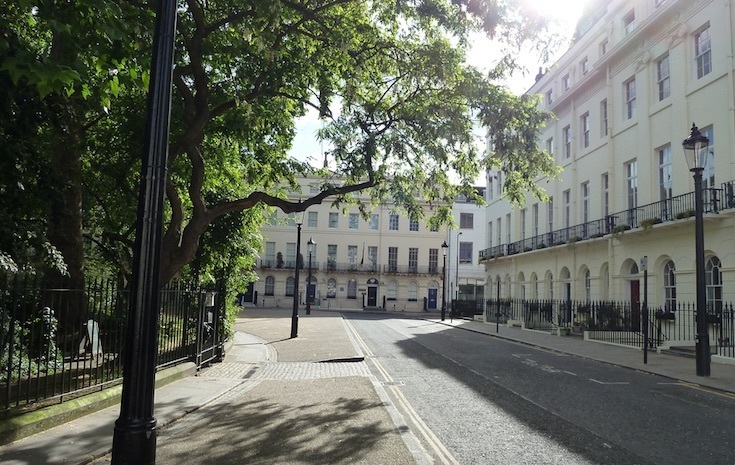
This square in Fitzrovia was laid out on land belonging to the FitzRoy family. Their name (the ‘r’ can be upper-case or lower-case) is a corruption of the French ‘fils du roi’ and means ‘son of the king’. It was a surname given to various illegitimate royal offspring — in this case Henry FitzRoy (1663-1690), the son of Charles II and Barbara Villiers, who was given the title Duke of Grafton. Euston Square also owes its name to the FitzRoy family — it’s the name of their country estate (Euston Hall, near the Suffolk village of Euston).
Golden Square
Believed to have been designed by Sir Christopher Wren (1632-1723), this historic square in Soho dates back to the 1670s. The site had previously been part of a wider area called Windmill Fields although this particular bit was known as Gelding Close, presumably because it was used as a grazing-area for geldings (castrated horses). In this particular instance, the name ‘Golden’ is almost certainly a refined corruption of ‘gelding’.
Granary Square
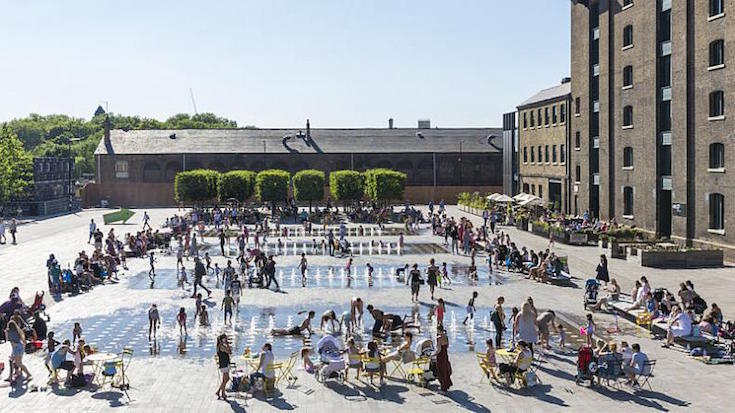
This new public space north of King’s Cross Station opened in 2012. It is named for the Granary Building, built in the mid-19th century and used to store wheat that had been brought down from Lincolnshire by train for London’s bakers. It was designed by the civil engineer Lewis Cubitt (1799-1883), who also gave us King’s Cross Station.
Grosvenor Square
This is one of several grand garden squares that takes its name from the aristocratic and very rich Grosvenor family. They own most of Belgravia and Mayfair which they developed in the early 19th century (the head of the family, the Duke of Westminster, is one of the major landowners in the country). Elsewhere, Belgrave Square got its name from one of the family’s subsidiary titles, Viscount Belgrave — Belgrave being a village in Cheshire close to the family’s country home of Eaton Hall, after which Eaton Square is named. The family name derives from the Norman French gros veneur, meaning ‘chief huntsman’.
Leicester Square
That square which American tourists find so hard to pronounce dates from 1670 and was named after Leicester House, a mansion which was owned by local landowner Robert Sidney, the Earl of Leicester (1595-1677). The title, which dates back to the 12th century, refers to the city in the East Midlands, which was recorded as ‘Ligora-ceastre’ in the Anglo-Saxon Chronicle. ‘Ligora’ is assumed to have been an earlier name for the River Soar, while ‘ceastre’ derives from the Latin castrum (a building or plot of land used as a military position).
Parliament Square
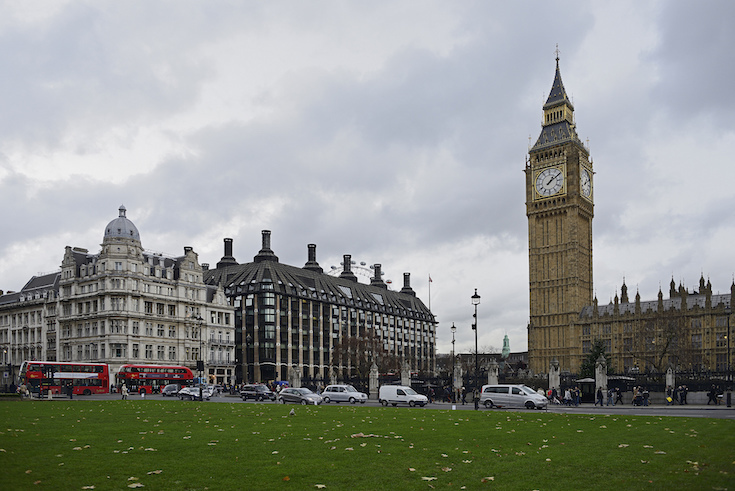
Located next to the Houses of Parliament, this public square was laid out in 1868 with the aim of opening up the space around the Palace of Westminster and improving traffic flow. It is, of course, named after Parliament – which has its origins in the Anglo-Norman word parlement. Originally this meant any discussion or negotiation, but over time it came to mean a legislative group summoned by the monarch. The term was derived from the verb parler (to talk).
Paternoster Square
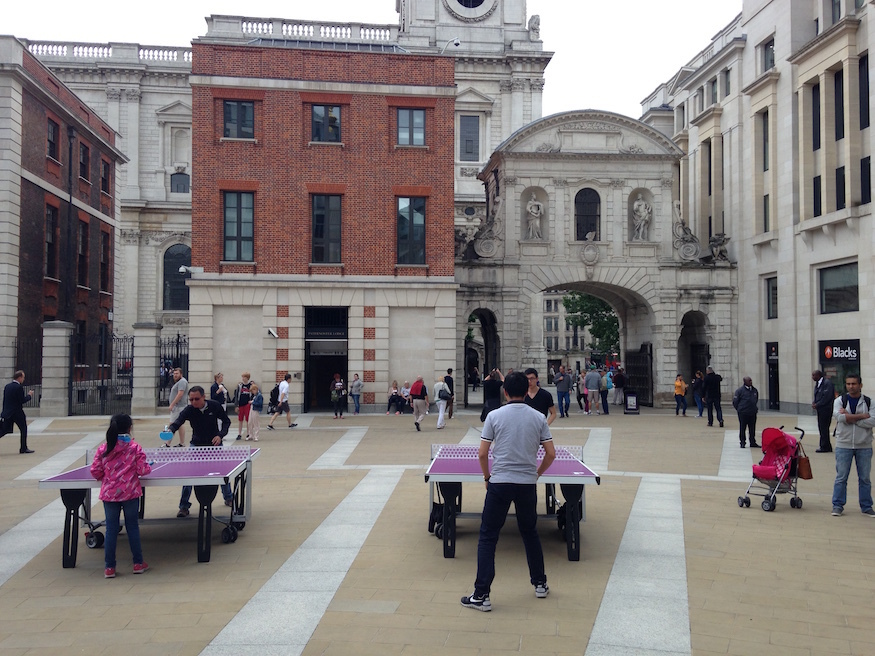
This noughties development next to St Paul’s Cathedral is named after Paternoster Row, which was destroyed in the Blitz. Pater Noster is Latin for ‘Our Father’, the first words of the Lord’s Prayer, and Paternoster Row apparently got its name from the (pre-Reformation) monks and clergy of St Paul’s who used to process around the area on the feast day of Corpus Christi (60 days after Easter). It’s said that they set off along Paternoster Row chanting the Lord’s Prayer, which they finished by the time they reached Amen Corner, following which they would chant the Hail Mary (Ave Maria) as they turned down Ave Maria Lane.
Russell Square
Another square named after an aristocratic family, in this case the Russells who owned and developed Bloomsbury in the 17th and 18th centuries. Their land is the Russell Estate, and their name is of Norman origin — either from a nickname (the Norman French for ‘red’, used to refer to someone with red hair) or a place (the village of Rosel, near Caen). Other nearby Russell-owned squares include Bedford Square (the head of the family is the Duke of Bedford), Tavistock Square (Marquis of Tavistock is a subsidiary title) and Woburn Square (their country home, Woburn Abbey in Hertfordshire).
Sloane Square
Named after Sir Hans Sloane (1660-1753), the physician and naturalist who is best known for bequeathing his vast collection of objects (books, manuscripts, animal and plant specimens, drawings, antiquities, etc) to the nation – leading to the foundation of the British Museum. Born in Ireland but of Scottish ancestry, his surname is an Anglicisation of the Gaelic sluaghadhan, meaning the leader of a military expedition.
Soho Square
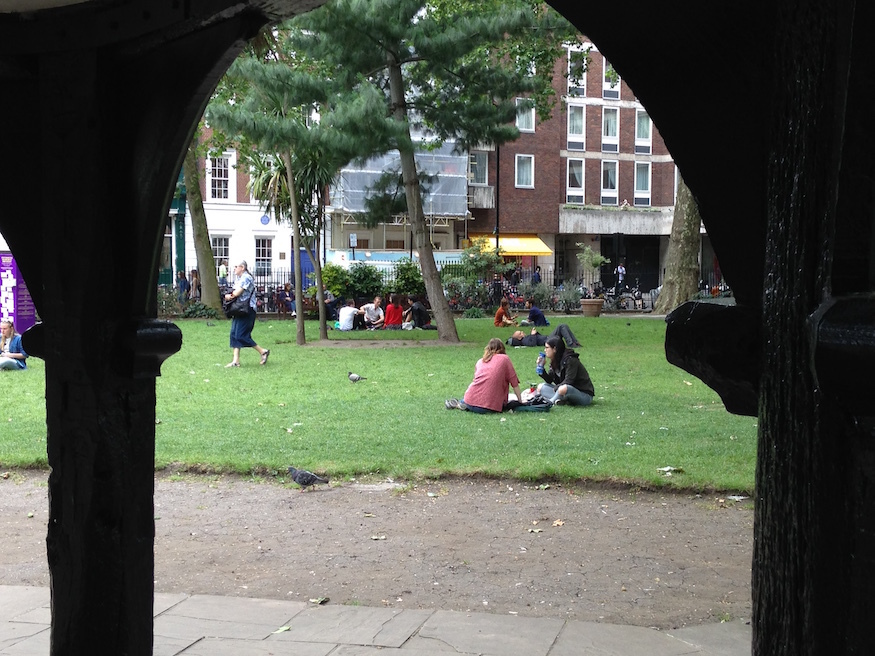
This dates back to 1681 and was originally called King’s Square after Charles II, whose statue stands here. The name ‘Soho’ first appeared in the 17th century and is widely believed to have derived from an old hunting call.
Trafalgar Square
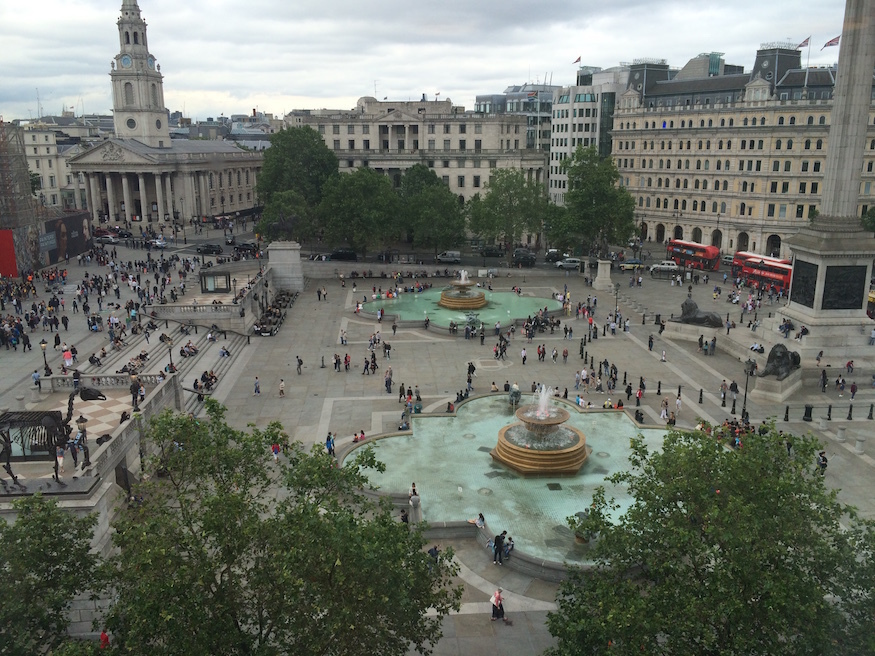
This part of London was long a landmark before it even became a public square — having been the King’s Mews and used as stables by Whitehall Palace from the 14th to the late-17th century. Commissioners of HM Woods Forests and Land Revenues instructed Nash to design plans for Trafalgar Square on the site where the King’s Mews had been, in 1826. It was originally to have been named after William IV, but the king himself favoured ‘Trafalgar Square’, and this has been in use since 1832.
And finally, the story behind London’s most famous fictional square…
Albert Square
Supposedly located in the ‘London Borough of Walford’, the focal point of EastEnders isn’t really in London — the set is at the BBC’s Elstree Studios in Borehamwood. It’s named after Prince Albert (1819-1861), the husband of Queen Victoria. Real-life inspiration for Albert Square is Fassett Square in Hackney.
Amid the ongoing march of high street homogenisation, London has many charmingly independent and unique shop fronts, ushering us into delights within. Here’s a selection from the book, London Shopfronts.
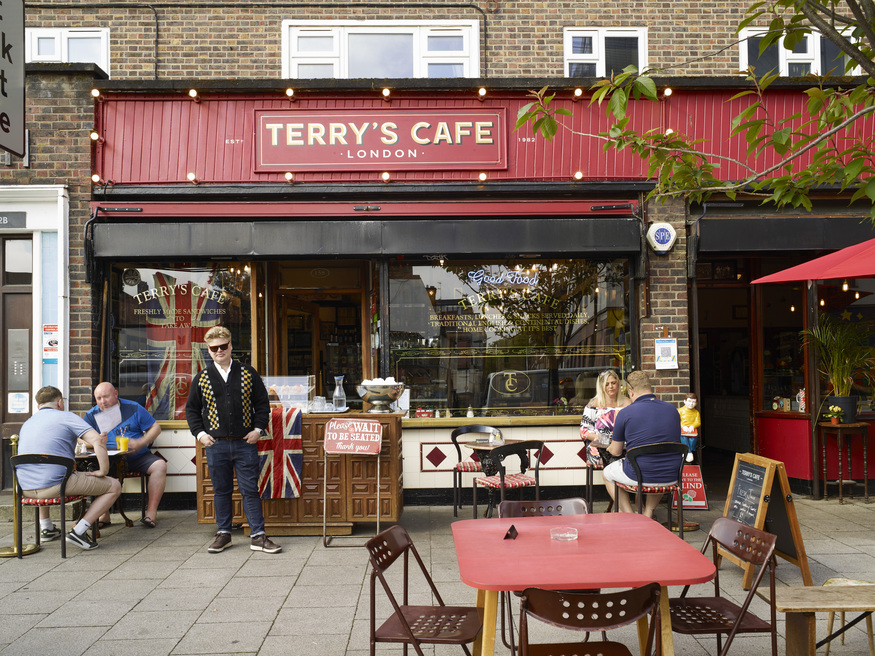
Terry’s Cafe, Borough
The façade of this backstreet café, a stone’s throw from Borough market, has maintained the same no-frills air since it was bought by the late Terry Yardley, a master butcher, in 1982. Inside, however, is a different matter. Hundreds of black-and-white photos line the walls, interspersed with bon mots, vintage food posters and a collection of decorative plates. Add red-and-white checked tablecloths, and the result is a combination of British nostalgia and ‘roll your sleeves up’ grit.
Presiding over the action is Terry’s son Austin (pictured). As much compère as chef, he’s grown up among the local community since he took his first Saturday job here at the age of 14. Home cooking is the order of the day, and Austin balks at the idea of the café being labelled a greasy spoon. ‘That’s not what we’re about,’ he says. ‘For years, we’ve provided well-cooked food to set you up for the day. When Dad first opened, our customers were working men – industrial scaffolders, telephone engineers, removal guys. Orders were taken on handwritten tickets, and we pretty much memorised our regulars’ favourites.’
The façade of this 1950s building has been reworked to expand into the premises next door, and its fascia has been repainted. Austin’s most popular breakfast combos are written in chalk pen on an old antique mirror. ‘Over the years, I’ve chased the pound note around a bit trying different ventures, but now I see myself as a shopkeeper first and foremost.’
156–158 Great Suffolk Street, SE1 1PE
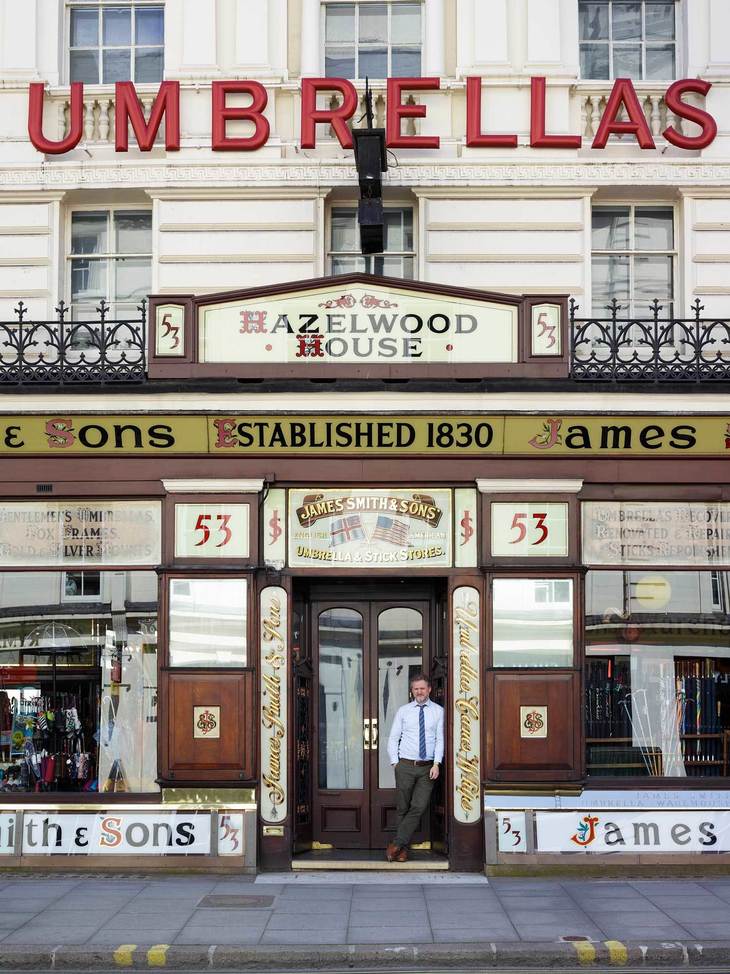
James Smith & Sons, Bloomsbury
In a city known for its unpredictable weather, it’s hardly surprising that such a prominent building is devoted to the business of umbrellas. Billing itself as ‘catering for the likely eventualities of the British weather since 1830’, this corner-sited store was the first to sell Samuel Fox’s novel steel-ribbed brollies.
James Smith, son of the shop’s founder, moved the business to this location in 1857, when a freshly minted New Oxford Street was considered both fashionable and cosmopolitan. The Grade II-listed building, now overseen by store manager Philip Naisbitt (pictured), has barely changed since then, and remains one of the city’s most complete original Victorian shopfronts. Remnants of a previous business were unearthed during the 1990s, when a sign for ‘Commonwealth Dairies’ was discovered under the current façade, while the shop’s existing ladies’ section is set into what was formerly an oven opening.
The exterior’s intricate stucco work, wrought-iron balconies, mahogany-framed windows and enamelled glasswork is in keeping with the ‘more is more’ decorative approach of the era.
Inside, the rich detail continues, with original late-Victorian wood counters and showcases — a rare survival in the city. Of special note is the balcony office, from where all parts of the shop can be viewed with the aid of tilted mirrors. With made-to-measure walking sticks now available alongside umbrellas, trade remains as brisk as it was nearly two centuries ago. After all, Londoners can always count on the arrival of an ill-timed downpour, whatever the season.
Hazelwood House, 53 New Oxford Street, WC1A 1BL
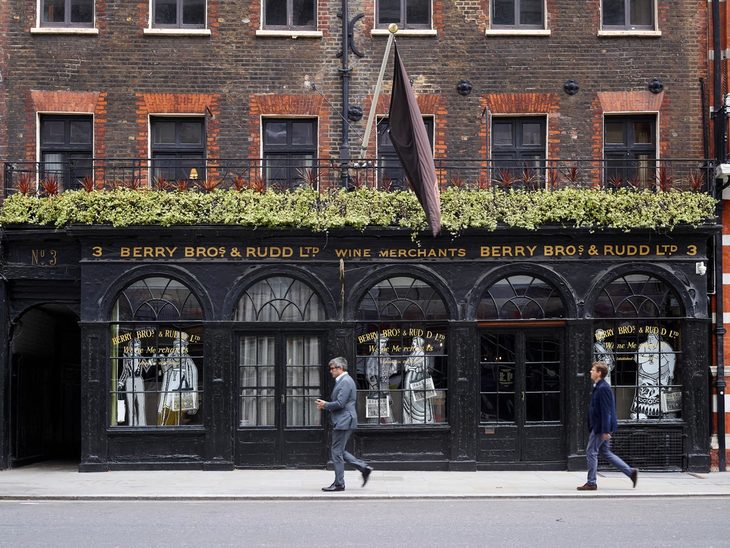
Berry Bros. & Rudd, St James’s
It’s a feat to maintain a largely unaltered shopfront through three centuries, but for London’s original wine and spirits merchant, little has changed since these two Georgian terraced houses were conjoined. Elegant, arcaded windows are inset into a timber façade, giving way to a wood-panelled listed interior, complete with original shelving and fittings. To the left of the shopfront, a passage has been chiselled out to provide direct access to the rear.
Now known for its vast stock of more than four thousand wines, the shop began life as a grocer’s and coffee house, started by a woman known only as ‘Widow Bourne’. Original coffee weighing scales still hang from the ceiling, part of a number of dusty artefacts that have accumulated here through the centuries. For years, these scales were also used to weigh fashionable visitors, including Lord Byron.
The shop is still run by Bourne’s descendants, who have largely resisted displaying their wares. Wines and spirits are carefully stowed in the basement, giving the store-cum-office, with its tables and counters, the air of an old- fashioned consulting room. These days, a modern, fully stocked shop around the corner satisfies those who prefer to examine the labels.
‘Though we’ve contemporised our business, aesthetically, very little has changed,’ says Geordie Willis, eighth generation of the Berry family. ‘In fact, recently, we took a paint sample from the original façade, which was beneath decades’ worth of layers of paint. The green-black colour you can see today is a replica of the original.’
3 St James’s Street, SW1A 1EG
Hurlingham Books, Fulham
With its windows densely piled with colourful spines, this second-hand bookshop (and unofficial community centre) is something of an icon on its Fulham side street.
This isn’t a store that offers a curated, alphabetised selection: the joy of browsing here lies in the prospect of rooting out an unexpected treasure, whether that’s a dogeared classic, a well-thumbed popular novel or the occasional first edition. Those that happen to spot what they want amid the precarious piles in the window are asked to stand outside and point at it while an equally wobbly stepladder is fetched. Trestle tables outside groan with £1 paperbacks, and it’s not unusual for owner Ray Cole (pictured) to find a few coins on his doorstep in the morning in payment for books picked up overnight by avid readers. There’s no inventory or stocktake here — instead, more than two thousand books jostle for space, with a further two million stored in a warehouse nearby.
The 19th-century building is thought to have once been a dairy. Ray took over the premises, then a furniture restorer’s workshop, in the 1990s, and neither the shopfront nor the two triangular rooms inside have changed since. One of the delicate leadlight windows still has a hole in it, a decade after it was accidentally broken by a snowball. No matter — it is patched up with books, much like the rest of this delightfully rickety store.
Ranelagh Gardens, 91 Fulham High Street, SW6 3JS
Alice’s, Notting Hill
With its pillar-box red frontage, signage that suggests a Victorian travelling circus and a rotating display of stock spilling out on to the pavement, this corner store is hard to miss. On any given day, its exterior might feature hanging pails, upcycled shop signs and framed prints, and you might even spot flocks of plastic pink flamingos jostling for space among the trunks and kitsch chinaware. ‘You have to put on a show for people,’ says owner Douglas Carter, who insists that he buys whatever strikes a chord, and isn’t afraid of tapping into the local tourist trade.
The shop sprang to life courtesy of Douglas’s grandfather, rag-and-bone man Minky Warren, who collected bottles, scrap metal, clothes, brass and copper. In the 1950s, he ran a busy barrow trade from the backyard, renting out carts to local vendors and selling on their finds. Eventually, he bought the premises and passed the business on to his sons — who initially painted the frontage orange, before landing on its trademark red.
Renamed ‘Alice’s’ in the 1970s in honour of Douglas’s mother, the store exudes playfulness, seen in everything from the pieces it upcycles to its jam-packed window displays. Key to its longevity is a willingness to regularly change things up. ‘My dad used to paint scenes directly on to the windows,’ says Douglas. ‘One week, it might be a man sitting in the bath playing the trombone; the next, a lady cleaning windows.’ It’s this sense of irreverence that keeps his exuberant business on the map.
86 Portobello Road, W11 2QD
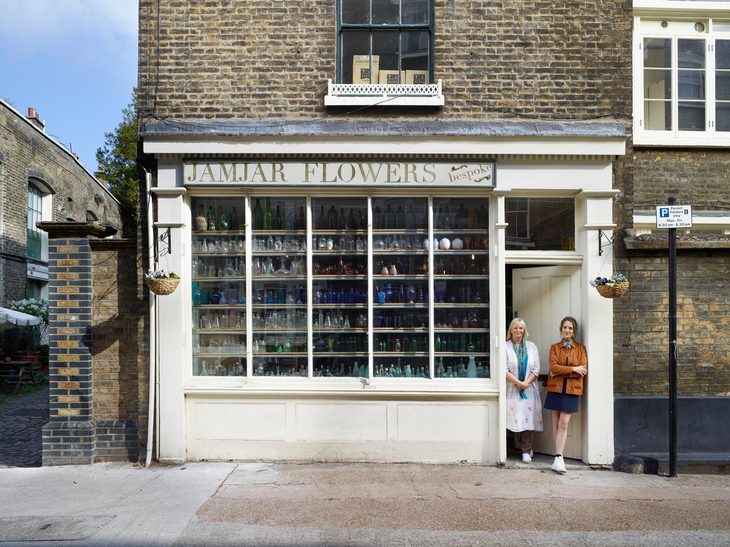
JamJar Flowers, Walworth
Tucked away in a residential Walworth side street, a window packed full of vintage glassware is the first thing most people notice about this studio, whose aim is ‘to tell stories with flowers’. It is part of a collective of workshops housed within a cobbled yard built in the 1870s. Early precursors of the modern live- work concept, the studios are now occupied largely by creatives, including artists, makers and architects.
‘Initially, the shop was dark, unloved and grubby, with opaque window coverings,’ says floral designer Melissa Richardson (pictured with co-director Amy Fielding). But it was close to New Covent Garden Flower Market, and had wide double doors at the side and an ancient overhead pulley system, useful for drying flowers. ‘It also had atmosphere. It felt like a bit of Victorian London, as if time had stood still.’
Though more studio than shop, Melissa felt the Victorian façade called for signage. She commissioned model-maker Fran Lloyd to make a vintage-looking banner for the fascia. Across the inside of the window, simple shelves were fashioned out of scaffolding poles and planks to house an ever-growing collection of ridged poison bottles and mid-century genie vessels. Inside, a reclaimed table, an old draper’s unit and a butler’s sink are both practical and pleasing.
‘We added ‘bespoke’ to the signage to try to put people off from turning up to buy flowers or glass on the spot, but it didn’t really work,’ Melissa says. ‘The shopfront intrigues people and they still knock to have a look round. But secretly, we rather like that.’
7a Peacock Yard, Iliffe Street, SE17 3LH
Saint Aymes, Marble Arch
The bloom-loaded frontage of this café and confectionery store is a colourful talking point in its street of stucco-fronted Georgian townhouses just west of Marble Arch. Severely damaged in the Blitz, the upper storeys were recently rebuilt in reclaimed brick, and this ground-floor shop, formerly a drycleaner’s, was reinvigorated by sisters Lois and Michela Wilson (both pictured).
The shop is named after their Barbadian grandparents, Eric and Thyra Aymes, whose abundant Surrey garden provided a colourful counterpoint to the sisters’ Hackney upbringing. ‘We grew up with a keen sense of how to make things beautiful,’ says Lois. ‘Our grandmother is a seamstress and loves soft furnishings, while coffee and jazz were permanent fixtures in our home.’ As a result, there are plenty of luxurious details within this powder-pink café, from its gold-fronted counter to an interior flower wall. The menu is playfully off-beat too, including a ‘unicorn latte’ that arrives with a pink, blue or lilac hue, sprinkled with edible gold.
Outside, the floral frontage defies the seasons, being a faux addition. There have been a few iterations since the store opened in 2018, from purple wisteria to the current cherry blossom. ‘There’s a dreamlike quality to hanging flowers,’ says Lois. ‘The Caribbean is largely evergreen, so perhaps our floral façade recreates that sense of abundance. We believe that beauty brings out a person’s higher purpose, in much the same way that a well-built church is uplifting. Recreating a little of that magic here makes us feel good.’
59 Connaught Street, W2 2BB
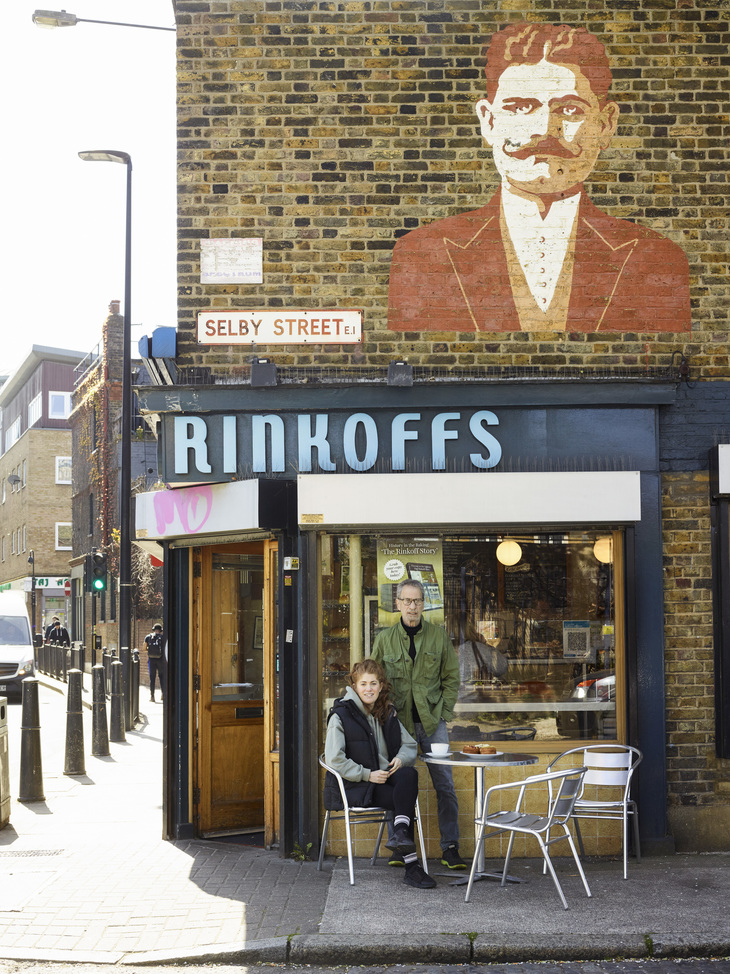
Rinkoffs, Bethnal Green
When Hyman Rinkoff started his East End bakery in 1911, he probably didn’t think his face would be gracing the façade of this store more than a century later.
Having fled an uncertain political landscape in his native Ukraine, the master baker set up in Old Montague Street, ultimately living above the shop with his seven children. Since then, the business has expanded to incorporate this nearby corner deli with its painted wall mural of Hyman, commissioned by his grandson Ray Rinkoff (pictured with his daughter Jennifer).
Though it was born to serve the local Jewish community with braided challahs, bagels and plavas, the bakery also has a brisk trade in Danishes, cupcakes, Easter and Christmas treats and, more recently, the ‘crodough’ – a croissant-doughnut hybrid. At one point in the early 2000s, Rinkoffs was producing up to forty thousand muffins a week for Caffè Nero.
When Hyman first set up shop, the area was a Jewish immigrant hub, with dozens of bakeries competing to serve the local community. Since then, many of them have closed, and a thriving Bangladeshi population has settled in the area. ‘I employed a great Algerian baker in 1975, and now several of our team happen to be Muslim,’ says Ray. ‘We work side by side, we respect each other’s traditions and we look after each other like family.’ Hyman’s skills, honed in the port city of Odessa, have passed through five generations of his family, and spread into the wider community too.
79 Vallance Road, E1 5BS
W. Martyn, Muswell Hill
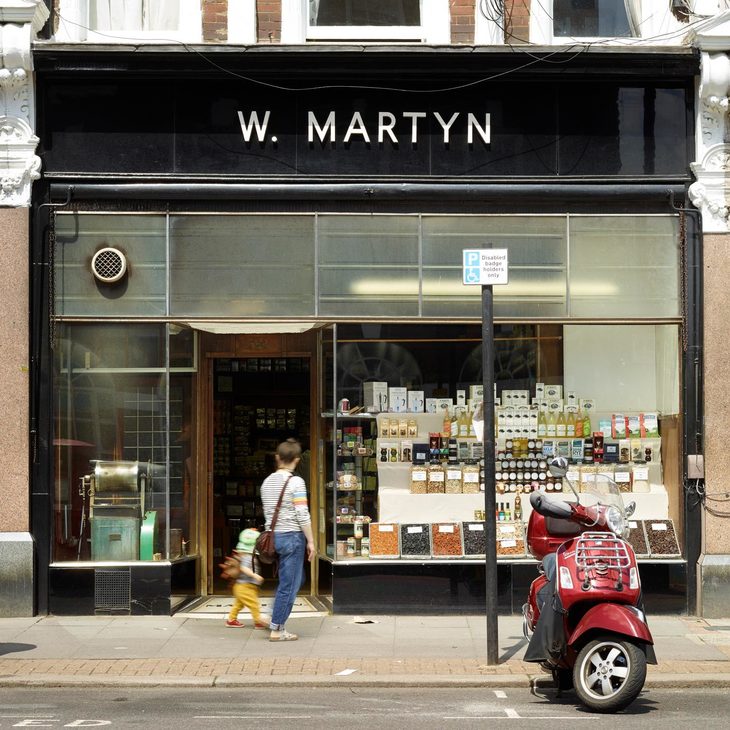
When grocer William Martyn set up shop here in 1897, the premises were newly minted. Built by architect James Edmundson, the store was part of what was originally known as Queen’s Parade — a row of tall, practical shopfronts created to serve the burgeoning suburb of Muswell Hill.
As the first to occupy the premises, William made his mark with elegant interiors comprising matchboard panelling, mahogany shelving and numbered storage caddies, which are all still in place today. Outside, the family name was engraved into the fascia, and tall plate glass windows put in to showcase the food-laden shelves within. In the 1920s, the shopfront was panelled with stained glass, but by the 1940s, the façade had been tweaked to accommodate the current wider windows, Vitrolite fascia and mosaic-floored porch.
‘Over the years, we evolved to specialise in tea, hand-roasted coffee and fine foods, from dried fruit and nuts to chutneys, preserves, chocolate, cereals, jams and marmalades,’ says William, great-grandson of the store’s founder, whose aim is to stock unusual but affordable goods. And although its offering has necessarily progressed to avoid the jaws of supermarket chains, aesthetically, little else has altered. ‘My father wasn’t a great one for change unless it was purposeful,’ reflects William. Fortunately, that means a perfectly preserved shopfront, noted for its elegant signage and a welcome that often includes a cup of tea for regulars.
135 Muswell Hill Broadway, N10 3RS
Wenty’s Tropical Foods, Forest Gate
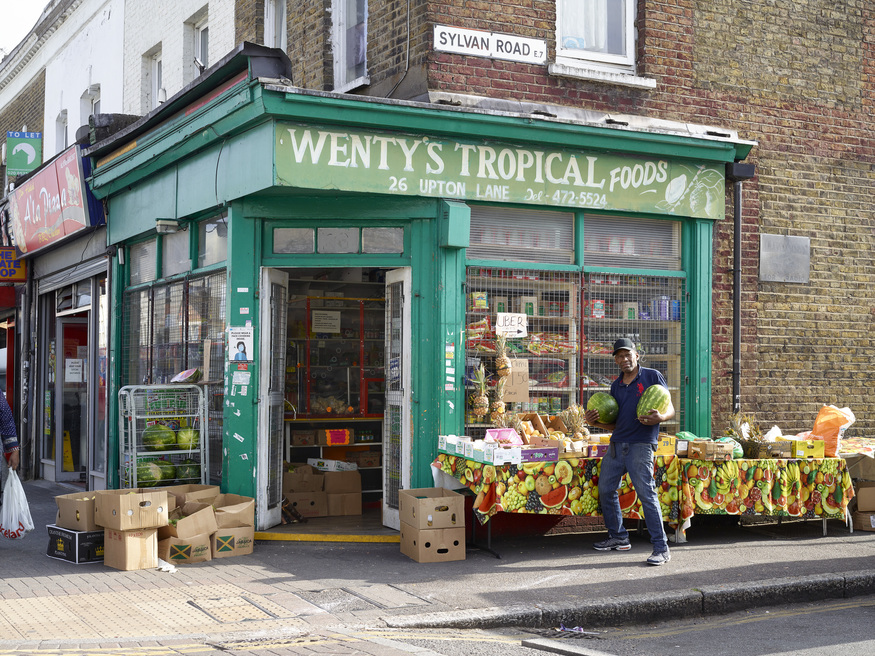
With its spearmint-green façade and daily medley of fruit laid out on trestle tables in front, this grocer’s brings a hit of colour to the surrounding suburb. Owner Wentworth Newland (pictured), known to all by his nickname, Wenty, settled in the area in the 1960s after leaving Jamaica as a teen. At first, he earned a living selling Jamaican specialties door-to-door from the back of a van, before opening the shop in the mid-1980s.
Soon, locals dropped by regularly for yams, plantain, coconuts, mangos, avocados and, of course, sugar cane, whose many alleged benefits Wenty still shares with all and sundry.
The band of yellow painted across the doorstep means it proudly incorporates all the colours of the Jamaican flag, while its hand-painted typography and simple illustration by a local signwriter form part of a fascia that hasn’t changed since the shop opened.
‘When I set up, it was nearly impossible to find tropical foods in the area,’ says Wenty. ‘I was craving the flavours of home, and so I knew that others who had settled here would be too.’
Now in its fourth decade, the store is a blend of vibrant colour and haphazard detailing. Pineapples hang from wire-fronted windows, sharing space with boxes of mangos. Random business cards are pinned to the doorframe, along with handwritten ads for Uber Eats. Inside, the shelves are lined with Scotch Bonnet pepper sauce, tins of callaloo, juices and condiments in an atmosphere of relaxed yet organised chaos.
Prior to the 19th Century, London didn’t have purpose-built docks. Going back to the Romans through the Medieval Period, ships docked in small quays near the City of London and Southwark that was known as the Pool of London. As it was, the Pool of London offered little protection against the elements or thieves and the space was pretty cramped. However, this didn’t stop London from becoming a prosperous port as its wealth increased from the Romans to the Saxons and then the Normans. Embankment of the River Thames occurred from the 12th to 14th Centuries that added 42 square miles of useable land around Rotherhithe, Deptford, and the Isle of Dogs.
It wasn’t until the reign of Queen Elizabeth I and then King James I that London actually did something to improve the ports along the nine miles that make up the London Docklands. The first act was to establish “legal quays” on the north bank between London Bridge and the Tower of London. However, the quays soon became overcrowded and in 1663, Parliament allowed for “sufferance wharfs” on both banks to alleviate the congestion. Despite this, London’s popularity as a port continued to grow at an almost exponential rate, with activity doubling between 1700 and 1770 and ships vying for space in ports that could only hold about 1/4 of them. This meant ships sometimes waited days or weeks to unload their cargo.
In the 1790s, William Vaughn began to circulate a number of pamphlets called “Reasons in Favor of the London Docks” that advocated the government to solve the maritime gridlock along the river. Parliament finally took action in 1800 when it passed a bill that proposed new docks. The first dedicated docks were built on the northern end of the Isle of Dogs in Rotherhithe in 1802 known as the West India Dock. The West India Dock encompassed 90 acres and cost roughly £82 million in modern currency. Such was the success of the West India Dock that others soon followed for the remainder of the century including the East India Docks, St. Katherine Dock, Royal Victoria, Millwall, Surrey, Royal Albert, and the London Docks, amongst others. The London Docks alone could handle 500 ships and the warehouses could store 200,000 tons of goods.
The Port of London Authority (PLA) came into existence in 1909 and the last set of docks added was the King George V Docks in 1921. Moving further into the 20thCentury, the Docklands were a focal point for the London Blitz, and the German Luftwaffe dropped some 2,500 bombs on the area. Post-war rebuilding led to a resurgence of the docks in the 1950s, but it wasn’t to last. By the 1960s, many shipping companies had adopted the new container system which increased the size of vessels beyond what London’s docks could handle. The area experienced a rapid decline until they were ultimately closed in 1980.
Yet, even before the last of the docks closed, London was already making plans to redevelop the Docklands. The Greater London Council and Parliament formed the Docklands Joint Committee, which produced a strategic plan for development in 1976. It mapped out development in four phases to take place from 1982 to 1997. In the first phase, new district centers, housing, and industrial areas would be constructed. Phase two would expand housing in Wapping, Beckton, and the Isle of Dogs. Phase three proposed an increase of public green space. Phase four would have wrapped everything up and connected all the development together.
In the end, the Docklands Joint Committee’s proposals were not implemented as Thatcher’s government preferred for private industry to take the lead in redevelopment rather than using public funds. Instead, Secretary of State for the Environment Michael Heseltine formed the London Dockland Development Corporation in 1981. The government also created an enterprise zone where developers were exempt from property taxes and were granted other allowances and economic incentives. Critics claimed that this did more to encourage luxury flats and amenities rather than affordable housing. Ultimately, the LDDC’s goals were successful as the Docklands transformed into a mixed-use area filled with housing, restaurants, shops, offices, and industries.
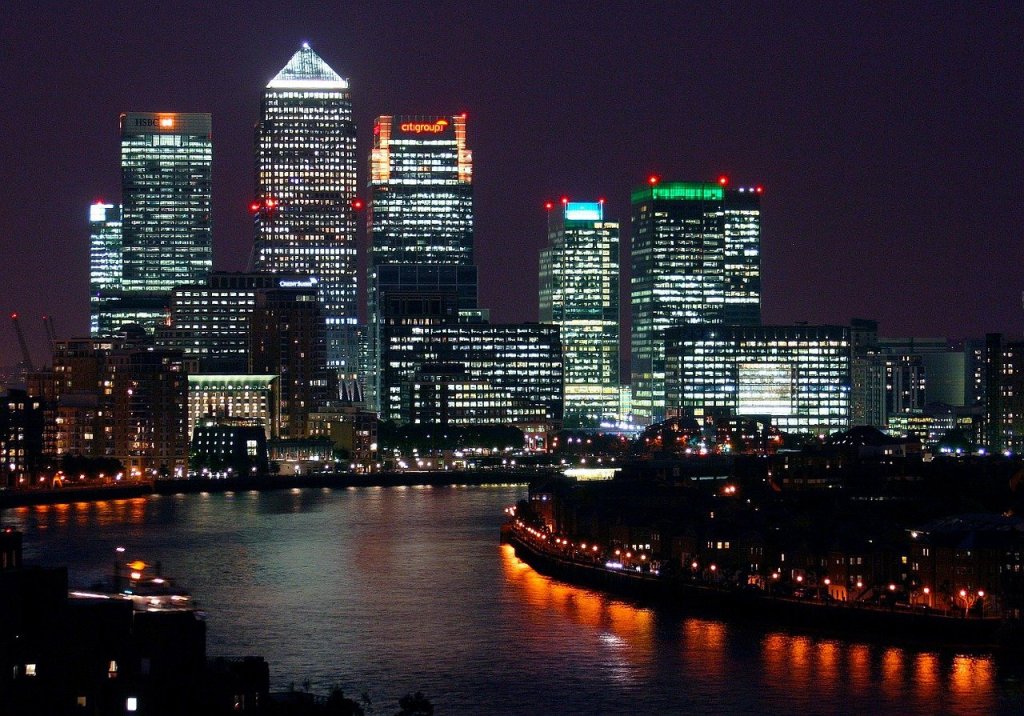
Amongst the most successful of the new developments was Canary Wharf, dominated by the 45-story skyscraper One Canada Square. Rail and London Underground lines were extended out to Canary Wharf in the 1990s. By 2003, Canary Wharf’s population numbered over 50,000. It has become emblematic of the success of the development scheme overall and a sign that even the most devastated areas can find a second life.
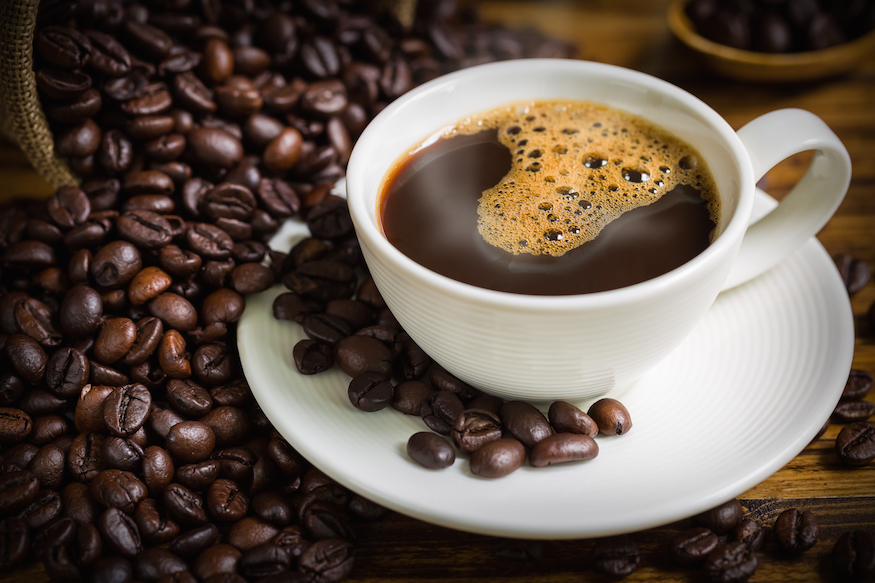
At a time when a brief ‘thanks’ is the limit of conversation between strangers in cafes, it’s hard to imagine that London’s coffee houses were once considered the height of civility. But when coffee first arrived in London — in a much more bitter, vulgar form that our modern-day caramel lattes — it was the drink of the intellectuals.
Coffee’s arrival in London
The advent of coffee in the capital is harder to trace than that of tea, although we do know that coffee arrived earlier, as result of travel to the Ottoman Empire. The Levant Trading Company, and later the British and Dutch East India companies, were among early importers of coffee to England. When it arrived, coffee would be stored in warehouses such as those in Shad Thames and at Hay’s Galleria.
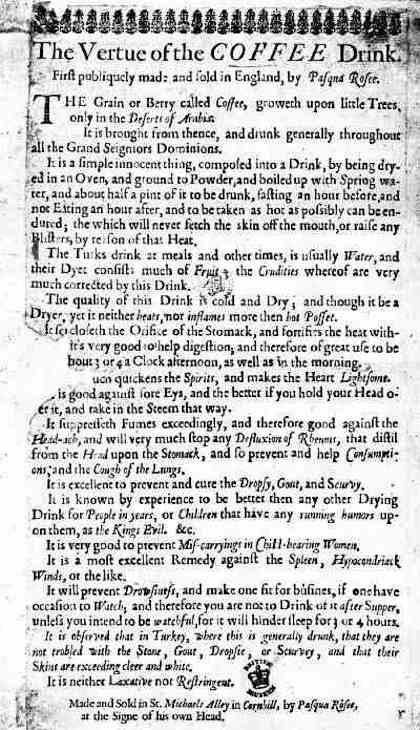
The first coffee was a very basic drink, made well in advance and reheated when served. This was long before the days of filtering, and the niceties of milk and sugar weren’t added until much later. It wasn’t much enjoyed by people at the time, who drank it for its stimulant qualities rather than its taste. Advert and posters of questionable scientific basis were published by proprietors of early coffee houses to get people hooked on the drink — the one pictured above can be seen in the British Museum.
London’s first coffee houses
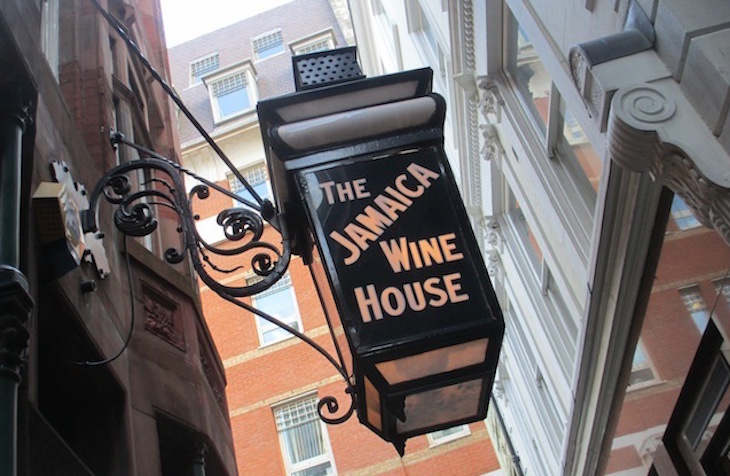
The iconic lantern of Cornhill’s Jamaica Wine House screams ‘history’. But the eponymous grape juice is a mere descendant of the site’s beverage history. The modern-day watering hole sits on the site of London’s first coffee house — a rather grand description for what was effectively a shed serving up a bitter liquid.
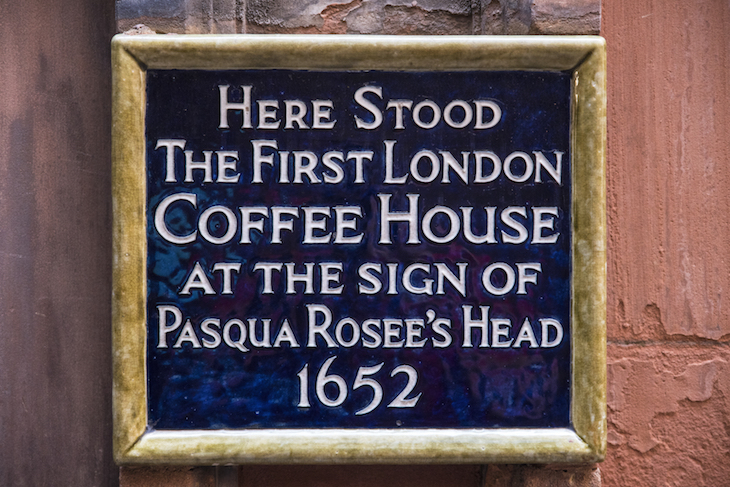
As a blue plaque informs 21st century passers-by, Pasqua Rosee opened a coffee house in 1652. Although the premises bore Rosee’s name and picture, a Daniel Edwards was the driving force behind it. A member of the Levant Company and a Turkish goods trader, Edwards employed Rosee as a servant. It’s thought that Edwards’ visitors enjoyed coffee so much, he employed Rosee to sell it to the public, although an alternative story is that the two had a falling out and Rosee set up the business alone, having been introduced to coffee by Edwards. Either way, it was a popular venture, reportedly selling 600 servings of coffee every day. Samuel Pepys mentions a visit in his diary in December 1660 — a big year for Pepys, as he also discovered tea.
Over to the west Oxford was ahead of the game. The scholarly city was home to ‘penny universities’ (named for the penny entry fee and academic conversation of coffee houses) before London got its first whiff of a coffee shop. In fact, it may be due to their success in Oxford that they came to London at all. Pasqua Rosee opened a coffee house in Oxford in 1651 before bringing it to London a year later — and his wasn’t the only coffee house operating in Oxford at the time.
Coffee houses were civilised. Women were banned (although some had female staff members), and male writers, politicians, journalists, poets and other members of the educated classes would gather there to discuss the issues of the day. Different venues had different focuses — political chat was much more rife in the coffee houses of Westminster, while theatrical reviews were offered freely by patrons in the West End.
Tavern owners saw Rosee’s enterprise as something of a threat to their custom, but that didn’t stop coffee’s rise in popularity, with several other coffee houses popping up in subsequent years. Rosee himself apparently had plans to open a second branch nearby — London’s first mini-chain, perhaps? — but they never came to fruition.
Interestingly, London’s first tea was sold in a coffee house, operating out of Exchange Alley in the City around 1657-58.
Button’s Coffee House, Russell Street
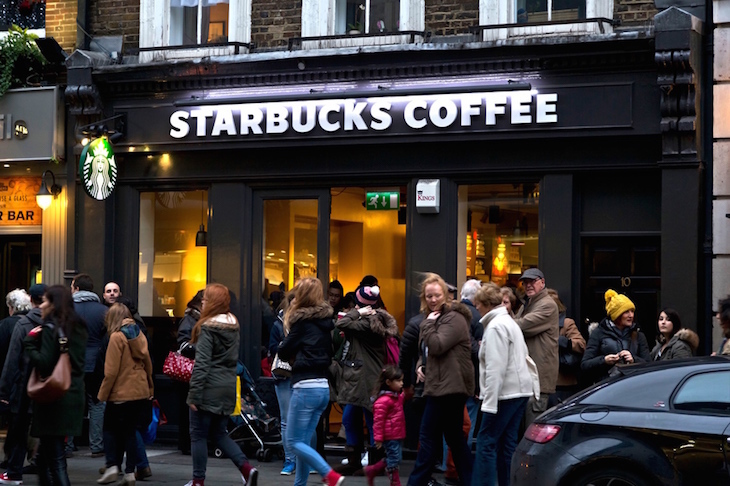
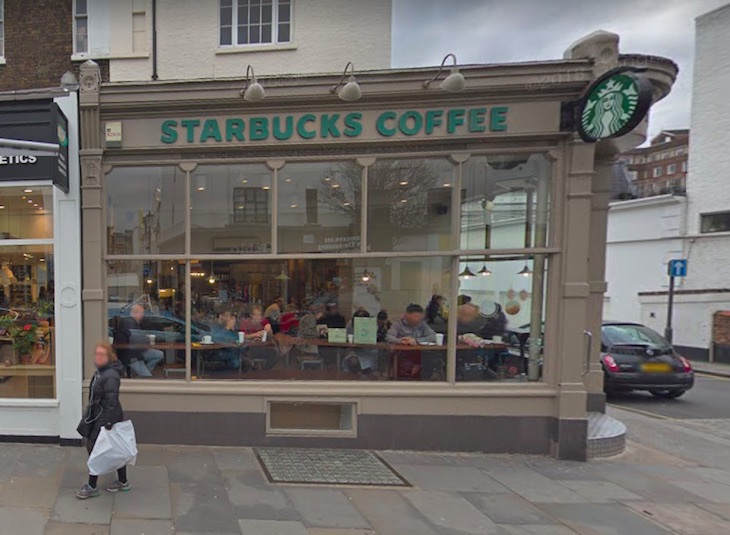
This Starbucks occupies the site where Button’s Coffee House is thought to have been
Other establishments of note included Button’s Coffee House, which opened in Covent Garden’s Russell Street in 1712 and functioned as the unofficial offices of a newspaper named the Guardian (nothing to do with the modern newspaper). So persistent was the presence of Guardian writers in Button’s, that a letterbox in the shape of a lion’s head was installed on the exterior of the building, for the public to submit news for publication. Alas, the newspaper lasted barely seven months, but the lion can still be seen at Woburn Abbey today.
Lloyd’s Coffee House
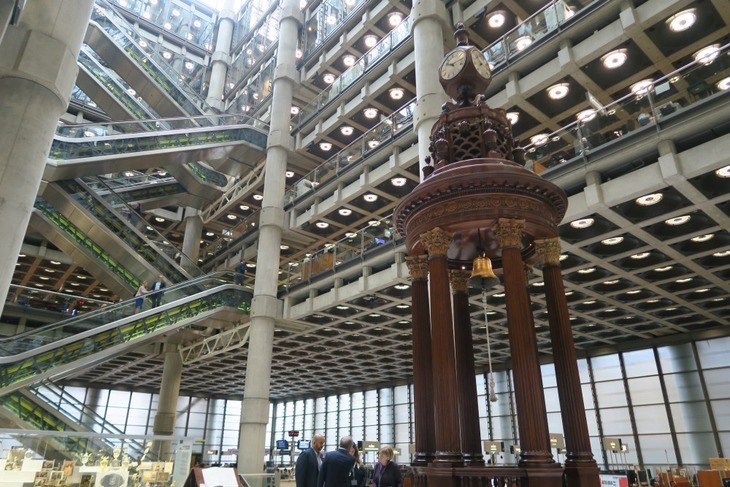
Inside the modern Lloyd’s of London building (not on the same site as the coffee house)
Modern insurance market Lloyd’s of London — famous for its Lutine Bell — exists today thanks to a 17th-18th century business called Lloyd’s Coffee House. A popular meeting place for sailors, merchants and shipowners, relationships forged here led to the establishment of Lloyd’s of London, and several other businesses of seafaring matters.
Tom King’s Coffee House, Covent Garden
An oil on canvas version of Hogarth’s Morning
Not all early coffee houses were high-brow. Tom King’s Coffee House — later known as Moll King’s Coffee House — was located in Covent Garden in mid-18th century and was a venue of ill repute. Its opening hours ran from the time the local taverns shut, until dawn. Coffee was reportedly an afterthought, with alcohol being served, and the business functioning primarily as a brothel, of sorts. To satisfy a legal loophole, there were no beds on the premises, bar the Kings’ own. Instead, introductions between prostitutes and customers were made on the premises, before they were taken elsewhere to get down to business. King’s Coffee House features in Hogarth’s Morning, showing two men pawing at girls in Covent Garden Piazza in the early hours.
Bar Italia, Soho
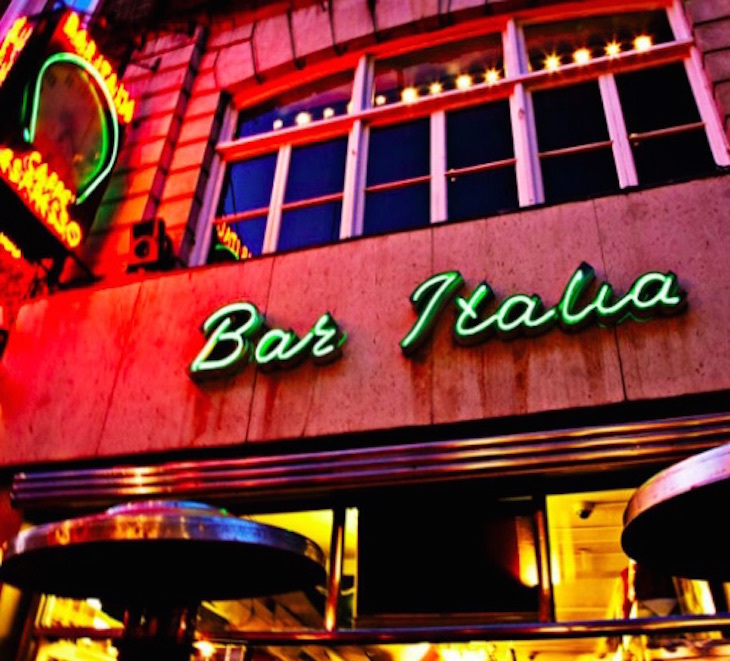
Soho’s Bar Italia is not one of London’s earliest coffee shops by any stretch, but its 1949 birth date makes it London’s longest running coffee shop, serving the likes of Jimi Hendrix and the Rolling Stones in its time. Its impressive tenure is nonetheless obliterated by Oxford’s Queen’s Lane Coffee House, which has been operating continuously since 1654.
For making your own coffee at home, hit up nearby Algerian Coffee Stores, which has been around since 1887, specialising in tea and coffee blends, plus the equipment you need for brewing your own.
Coffee houses under threat
Traditional taverns and ale houses weren’t the only ones threatened by these new-fangled coffee houses. King Charles II banned the establishments in 1675. The official line was that they disturbed the peace and promoted idleness, but the King was no doubt fearful that they provided the ideal environment for rebellious meetings and the plotting of treason.
Unfortunately for the king, several of his minsters were coffee lovers and opposed the ban. It was abolished before it even took effect, and London’s caffeine takeover continued apace.
Arrival of the coffee giants
Whatever your opinion of the quality of their coffee, there’s no denying that chain coffee shops have taken over London. But when did these modern-day incarnations emerge?
The capital’s first Starbucks opened on Chelsea’s Kings Road in 1998, a BBC report at the time stating that it «intended to be the first of 500 stores in Europe.» 20 years later, London alone often feels like it’s close to that number. You can still grab a latte at that early settler, at 123 King’s Road. Until recently, standing on a specific spot on Villiers Street near Embankment allowed you to see three branches of the chain. One’s now closed, rendering it one of several places in the capital where two Starbucks are visible.
London’s first Starbucks
Pret a Manger predates Starbucks, opening its first branch in Hampstead in 1983, although as its name suggests, the focus was more on the food than the takeaway coffee. Despite its Italian-sounding moniker, Costa was established here in London, beginning as a coffee roastery in 1971 before opening its own store in Vauxhall Bridge Road in 1978.
Coffee ghost signs
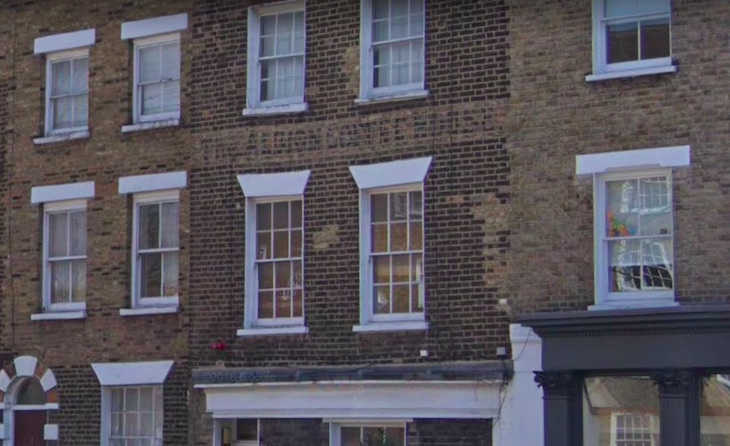
The Albion Coffee House’ can just about be made out
Ghosts of the London coffee industry can still be seen around town — and we’re not just talking about a boarded-up Costa. Squint up at the house by bus stop KC on Kennington Lane (pictured above) for a nod to the building’s history as Albion Coffee House, apparently a regular haunt of Charlie Chaplin’s father.
Harder to spot is an old advertisement for ‘The Royal Coffee & Dining Rooms’, located on Holloway Road, overlooking St Mary Magdalene Garden.
‘James Ashby & Sons Ltd Embassy Tea & Coffee’ can be made out on the side of 195-205 Union Street in Southwark. Although the building was under threat in 2008, it’s still standing — and the sign still mostly visible — today.
Keep your eyes peeled in the vicinity of Tooley Street and Hay’s Galleria for old signposts to the Bramah Tea and Coffee Museum. Alas, the museum closed in 2008 following the death of its founder, Edward Bramah, but for a few years it was a fascinating snapshot of the history of the tea and coffee trades in the capital.
Coffee meets booze in a match made in heaven
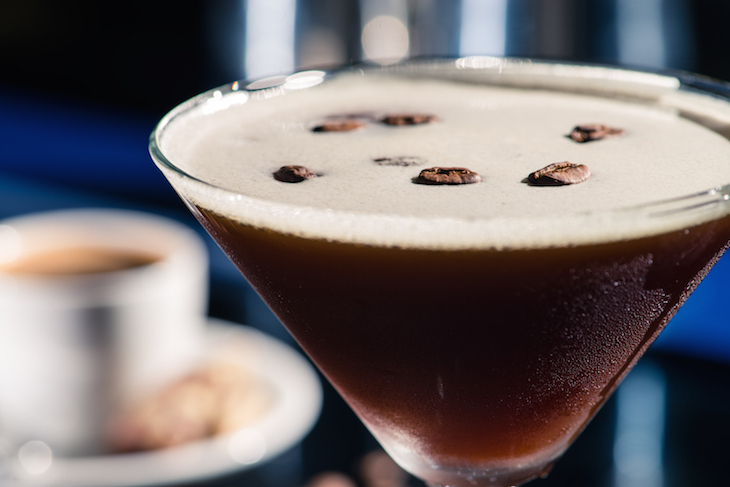
Coffee in our cocktails is something we’ve long been accustomed to thanks to the Espresso Martini, which itself was invented here in London. The story goes, legendary bartender Dick Bradsell whipped up the vodka and coffee blend while working at Soho Brasserie, as a response to a young woman’s request for a drink that would «wake her up and fuck her up».
Coffee’s infiltrated other drinks too. Greenwich-based Meantime Brewery launched a ‘Beerista’ range in 2017, including a coffee porter.
Coffee roasteries in London today
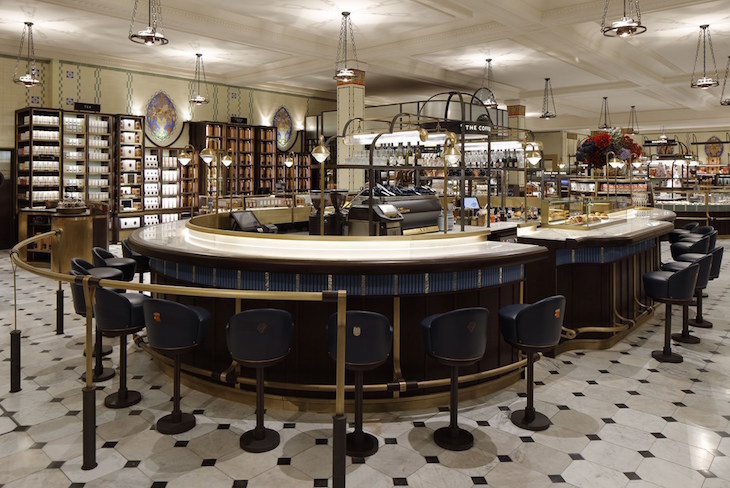
The Coffee Bar at Harrods
Today, coffee’s not only served in London, the beans are roasted here too. Caffè Nero prepares its special coffee blend in its Battersea-based Roastery, before shipping it to branches all over London and beyond to go into your morning latte.
The coffee sold in cafes at Tate art galleries is produced inside a second world war bunker in the grounds of Tate Britain. It roasts a whopping 22,000 kilos of coffee every year.
Both of these are off-limits to the public, but if you want to watch your coffee being freshly roasted before it’s served, head to The Roastery and Bake Hall in Harrods, where beans are prepared in house, allowing Harrods control over the quality. Sit back at the marble bar counter in the art deco hall and listen out for the bell, which rings every 15 minutes to announce that freshly-baked bread is ready.
A celebration of ‘thou shalt nots’ peculiar to London.
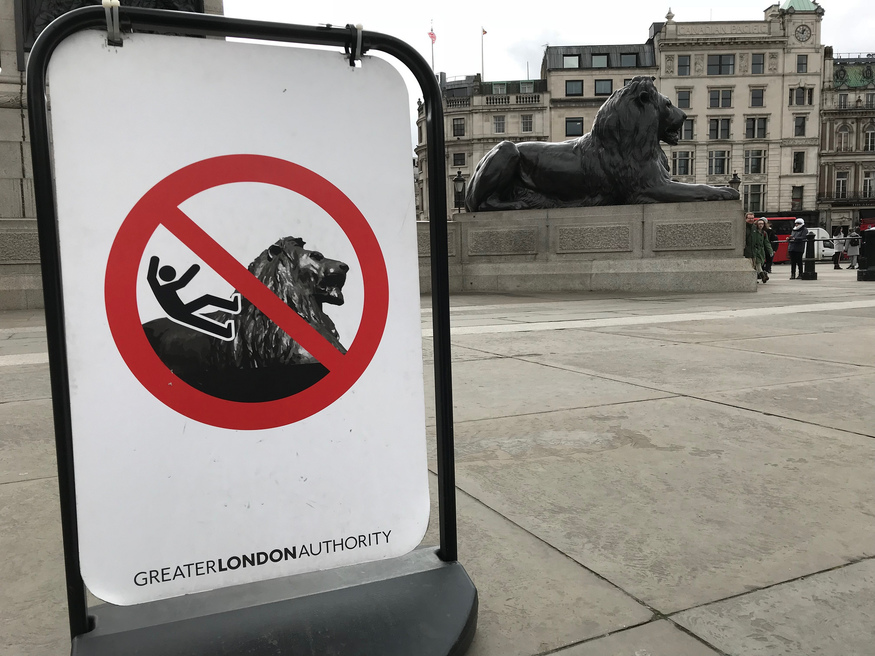
1. Do not fall off lions
If we’re interpreting this Trafalgar Square sign correctly, it’s OK to clamber on the lions, but refrain from plummeting.
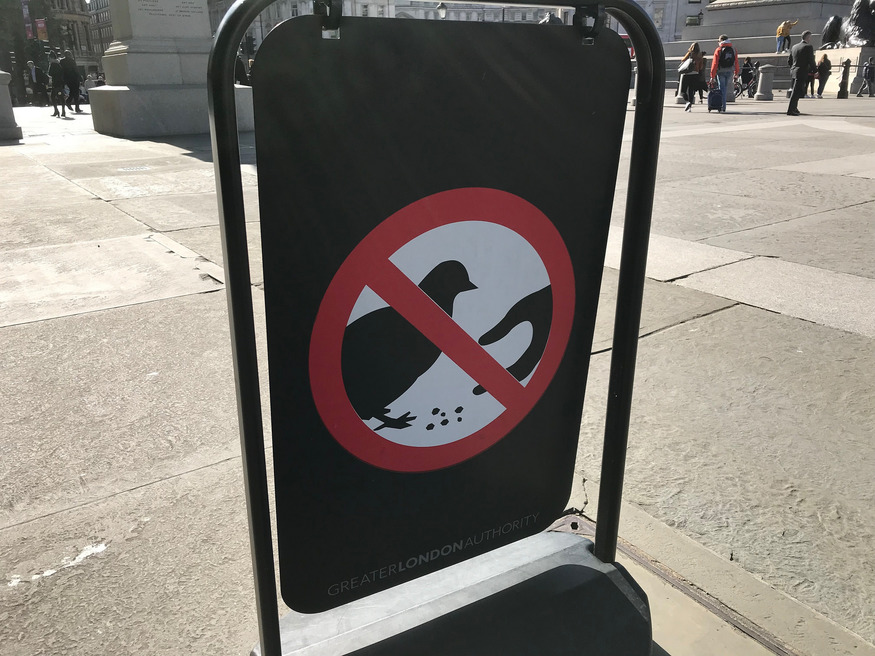
2. Do not feed the flying rats
While we’re in the area, here’s another forbidden activity. Pigeon feeding was banned in 2003 by Mayor Ken Livingstone.
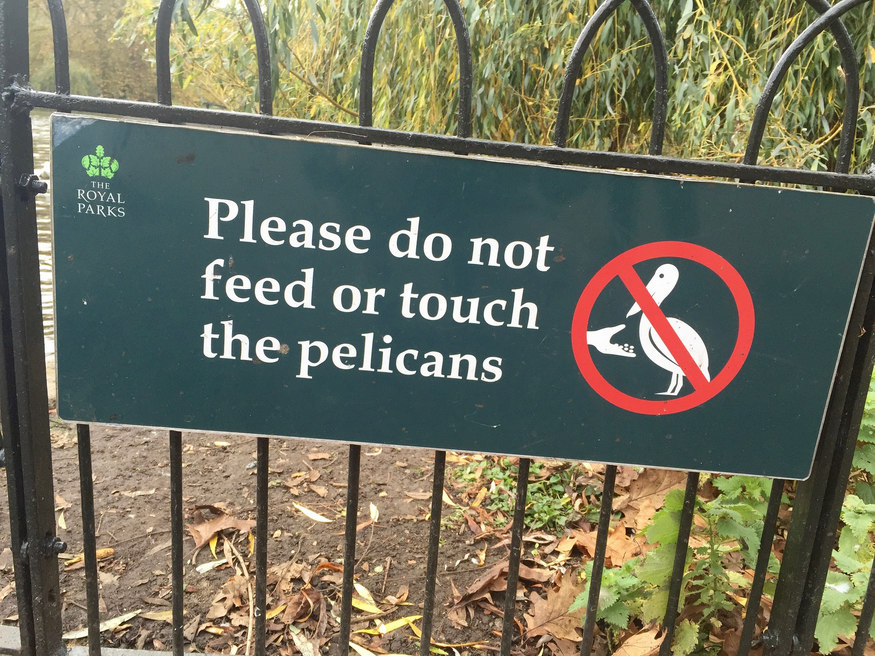
3. Do not touch the pelican
It’s easy to run up a massive bill in London, but you should never touch one. At least not according to this sign in St James’s Park, where a colony of pelicans has presided since the time of Charles II.
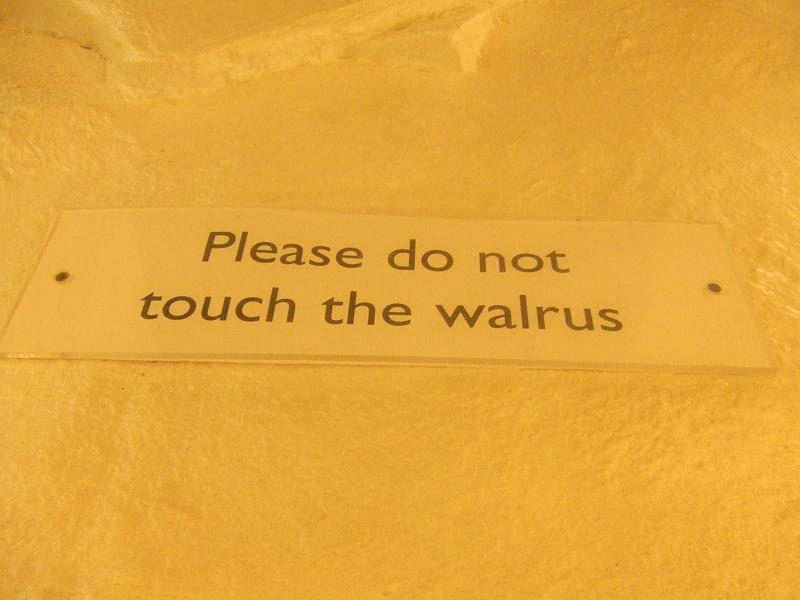
4. Do not touch the walrus
The Horniman Museum in Forest Hill is famed for its mal-stuffed walrus. Equally instagrammed is the sign telling you not to touch it.
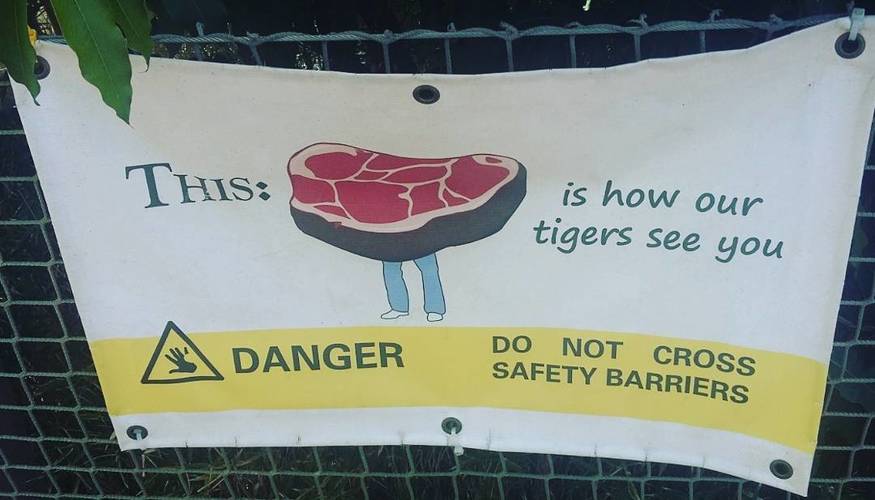
5. Warning: tigers think you’re steak
London Zoo’s tigers have some pretty serious cataract problems, judging by this typeface-juggling notice.
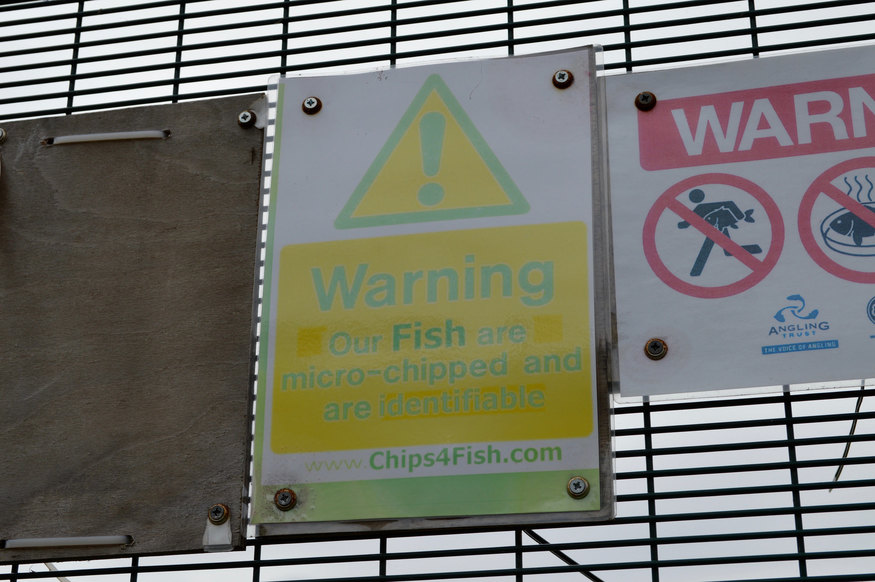
6. Warning: micro-chipped fish
Thamesmead is often labelled as dystopian. This sign does nothing to combat the stereotype.
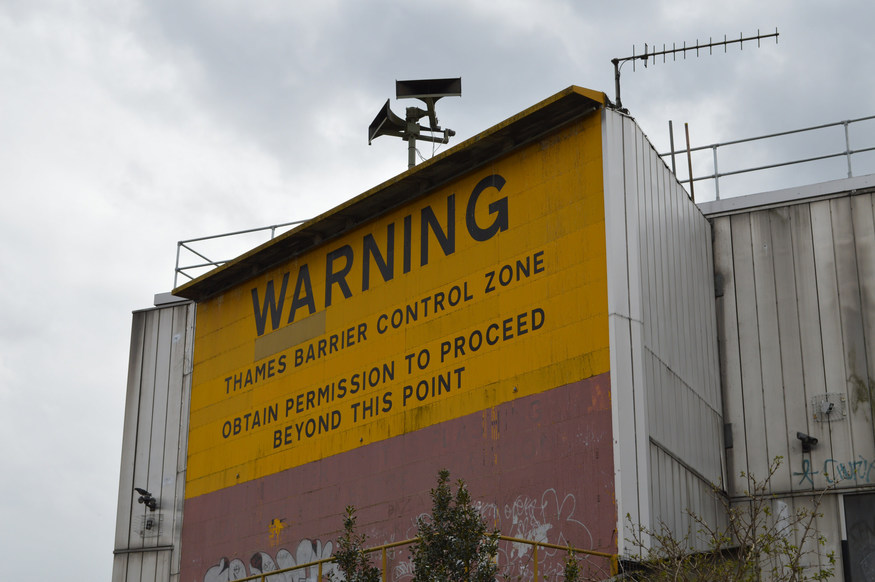
7. London’s aquatic answer to the Berlin Wall
The Thames Barrier is presaged by this mighty warning sign. Someone needs to paint a ‘NOT YOU, PEDESTRIANS’ on the bottom.
8. Danger: Olympic Park
Shocking juxtaposition of signs at the Queen Elizabeth Olympic Park.
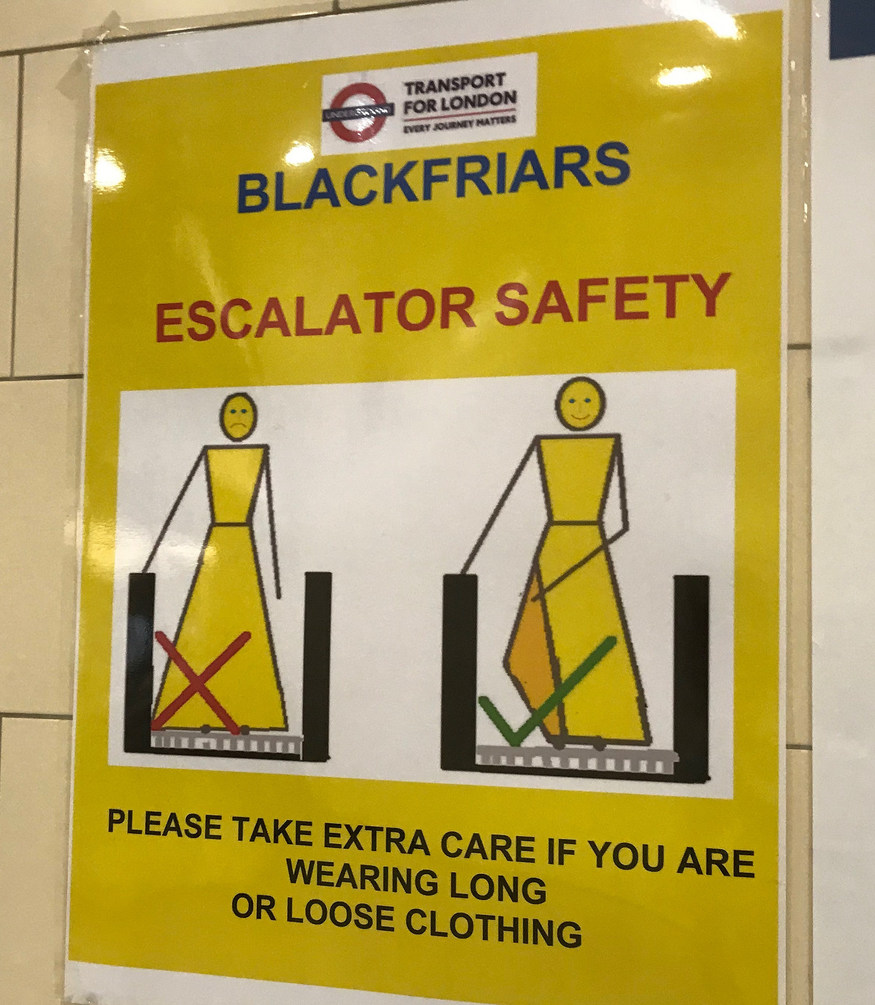
9. Shite escalator warning
Who says health and safety has to be all top-down authoritarian? The talented staff at Blackfriars station have bypassed professional design options and slapped something together in Microsoft Paint. Just look at the detailing on the escalator treads.
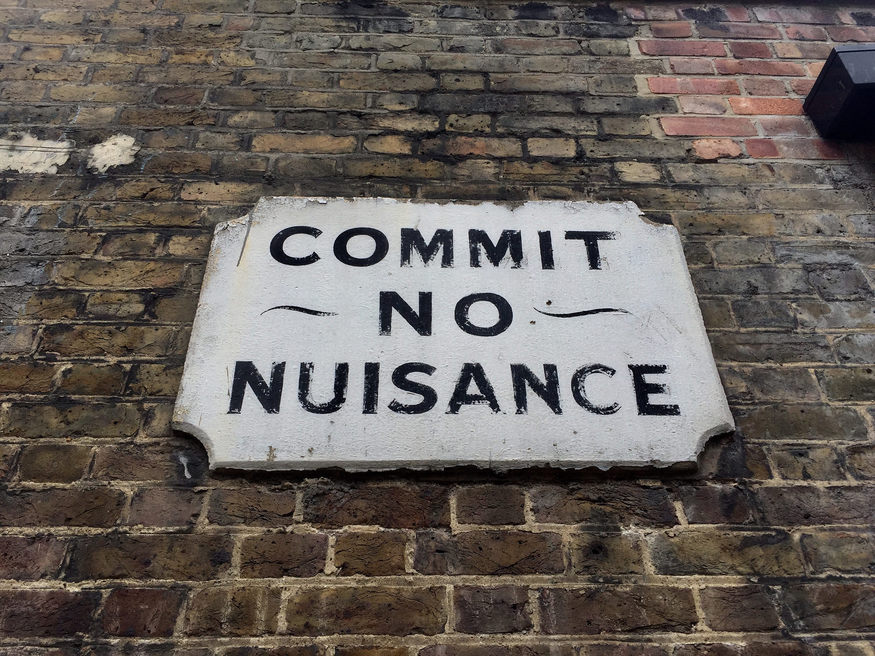
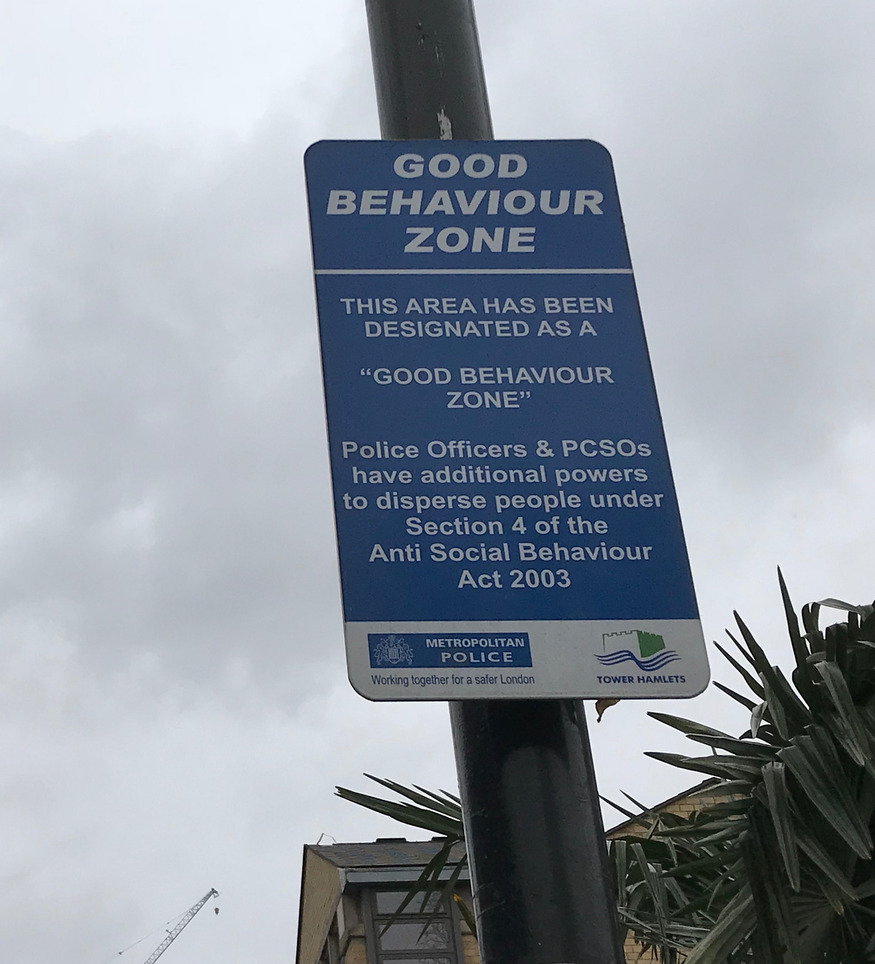
10. COMMIT NO NUISANCE
Admittedly, we’ve seen these commanding notices in other towns, but we will forever associate them with London. Each one is gagging for somebody to graffiti ‘OK’ underneath.
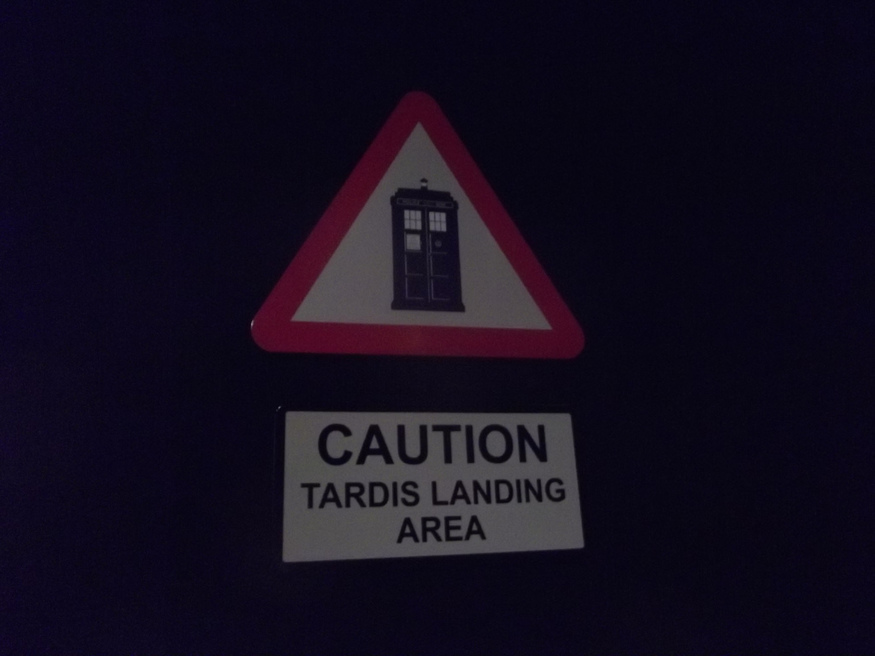
11. Warning: TARDIS landing zone
London has appeared countless times on Doctor Who. It’s effectively the Doctor’s holiday home. We can’t remember where or when we photographed this sign, but we suspect it’s the near future.
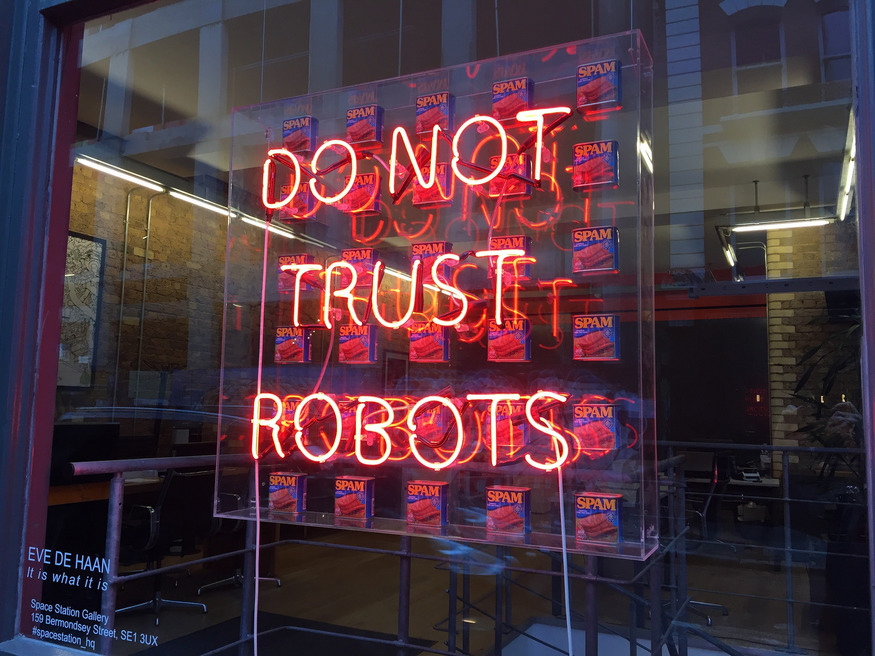
12. Do not trust robots
It feels whimsical now, but this Shoreditch window will be considered offensive and racist in a few decades.
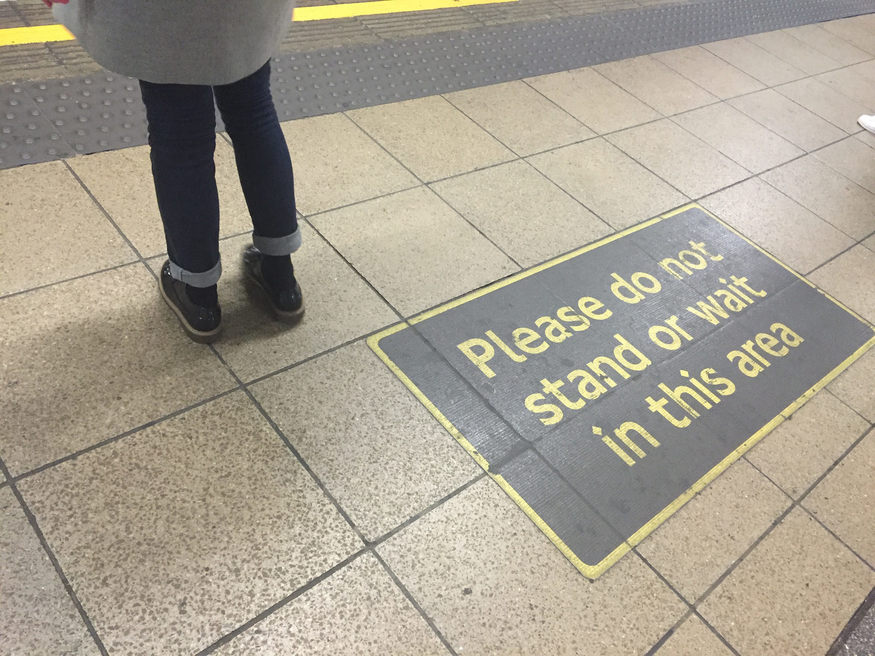
13. Random forbidden oblongs
Oxford Circus tube platform. Next time, we’re going to take seven friends and cluster around the perimeter.
14. Abbey Road punning signs
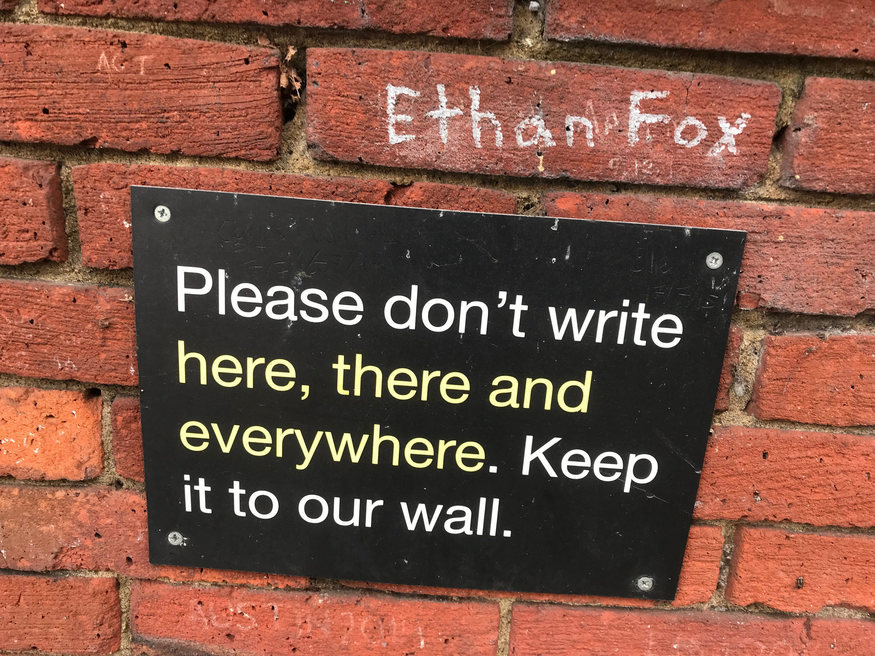
The walls outside Abbey Road recording studios are famous for Beatles graffiti. The wall next down has suffered by proximity. Punning signs warn would-be scrawlers to Get Back to the studio wall.










 London visitor