London Shops You Must Not Miss

James-Smith-Sons-Umbrell-007

A lot of people visiting London love to go shopping but stick to the “name” chain stores and fashion boutiques around Oxford Street.

But there are some shops that are icons of a particular time and style and here I want to share with you some lesser-known gems on the London shopping scene.

I’m talking here about shops that are redolent of a particular past – the gentlemen’s clubs of Regency London, the Pooteresque world of the City in the late nineteenth century, the Arts & Crafts world of William Morris or the Bloomsbury of Virginia Woolf. You can do your shopping wherever you like in London, but these shops are places you must not miss.

Some of London’s greatest shops have gone. Though not a smoker, I used to love looking at the window of Smith & Sons (Charing Cross Road), full of cigars, meerschaum pipes, and gold-painted tins of tobacco; the frontage, with its golden block lettering on blue, painted on glass, is sheer Victoriana – offset by the slightly seedy feeling of the bright yellow sign advertising the walk-in humidor. But on a recent visit I saw the windows empty and a sad ‘to let’ sign displayed.

Fortunately smokers can still visit JJ Fox in St James’s Street – not just a fine cigar shop, it also has a free cigar and smoking museum containing Winston Churchill’s favourite smoking chair.

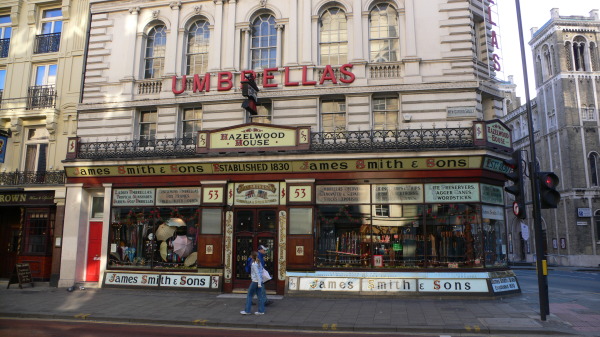
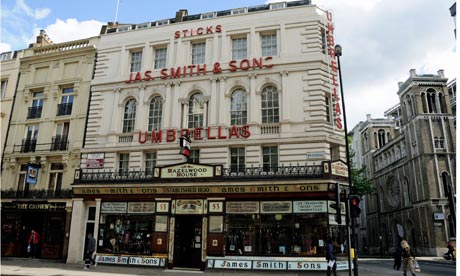
What could be more typically British than complaining about the weather? It may not be surprising then that London has a fascinating umbrella shop, James Smith & Sons, established 1830 (as it proudly claims on the frontage) and still in its Victorian premises on New Oxford Street, to which it moved in 1857. The signage is magnificent – gothic lettering marching the width of the façade – and if you want an umbrella with a difference, this is a wonderful place to buy one. I still regret a fine leather-handled purple brolly I bought there once and managed to lose somewhere between the City and the Savoy.

Liberty could have become just any old department store of its era, like the Army & Navy or Dickins & Jones. Instead, it’s kept true to its Arts & Crafts roots by featuring modern art and design. The half-timbered fake Tudor exterior is a loving creation of a medieval style past; I’m always thrilled to put my hands on the solid wooden banister of the stairs and think just how long it has been there and how many hands have rested there before mine. And of course you can buy fabrics and shawls in the famed Liberty print, which takes Indian inspired Paisley designs and makes them over into something quintessentially English and indeed rather Home Counties.

Head to Floris in Jermyn Street for a scent of the past – it was founded in 1730; the store is still full of mahogany shelves and counters and the hushed reverence of the past. Floris’ perfumes are something quite different from your usual department store scent counter favourites – I can always find something I like, with resinous or citrusy freshness, while friends of mine prefer the more floral scents. And if you’re heading to Jermyn Street, you should also stop off at the venerable Paxton & Whitfield cheese shop, and look in the window of Taylor of Old Bond Street, where badger hair shaving brushes and fine soaps are displayed.

For the true gentleman, a visit to his club needs to be prepared by a trip to one of the fine shops on St James’s Street – wine merchants Berry Bros & Rudd, which opened at no 3 in 1698 and is still there. Gents may also like Lobb’s bootmakers, or Lock & Co hatters where you can get a trilby, fedora, pork pie, or a real Panama; or a tweed cap for your rainy country weekend to go with your umbrella for the London weather.

All these businesses are preserved very much as they might have been years ago. But appearances can be deceptive. Despite its antique veneer (the paintwork on the façade seems never to have been stripped, just painted over again and again), Berry Bros is a very up-to-date business – it was the first wine merchant to go online and even runs BX, an online trading platform.

When I make a shopping trip to London, I like to stay within easy reach of the above shops while also being right opposite the tranquility of Kensington Gardens by taking one of the London luxury suites at The Baglioni.

Анализ психолого-педагогических аспектов применения мультимедийных технологий в учебно-воспитательном процессе школы.

Доступность любого гражданина к информации, применение IT-технологий в научной, производственно-хозяйственной, общественной сферах, высокий уровень информационного обслуживания способствуют ускорению научно-технического прогресса, созданию качественно новой информационной среды, обеспечивающей развитие творческого потенциала человека.

В текущих условиях современной школы процесс преподавания постепенно приобретает новые направления, идет поиск более совершенных средств и методов обучения и воспитания. Мультимедийная техника предполагает комплексное воздействие на все органы чувств (в первую очередь, зрение и слух), в силу этого, в случае разумного включения в практику учебно-воспитательного процесса, она может способствовать реализации базовых дидактических принципов и способствовать повышению эффективности учебно-воспитательного процесса школы.

В наши дни педагогика претерпевает значимые изменения. Активно проводится реформа образования: происходит сокращение сроков обязательного обучения, появляется значительное количество негосударственных, коммерческих образовательных учреждений, предпринимаются попытки изменить структуру процесса обучения. Это побуждает педагогов повышать эффективность учебно-воспитательного процесса, в частности, использовать для этих целей мультимедийные технологии. Главное условие при использовании мультимедийных средств — ориентация на гуманистические традиции, заложенные К.Д. Ушинским, Л.Н. Толстым, С.Т. Шацким и другими учеными. Деятельность этих великих людей была пронизана любовью к детям, заботой об их нормальном развитии и воспитании, стремлением развить личностные способности каждого учащегося. Гуманистическая педагогика – система научных теорий, которая утверждает, что воспитанник есть активный, сознательный, равноправный участник учебно-воспитательного процесса, развивающийся по своим возможностям. Мультимедийные IT-технологии – лучшее средство реализации гуманистических идей в практике учебно-воспитательной деятельности.

С позиций гуманистического направления, конечная цель воспитания состоит в том, чтобы каждый воспитанник мог стать самостоятельной личностью, полноправным субъектом деятельности, познания и общения. Мера гуманизации воспитательного процесса определяется тем, насколько этот процесс позволяет самореализоваться личности, раскрыть все заложенные в ней природные задатки и способности. Мультимедийные технологии являются лучшим средством для достижения данной цели, они способствуют существенному повышению эффективности учебно-воспитательной деятельности.

Глобальная тенденция современной педагогики – усиление и усложнение дифференцированной подготовки сообразно склонностям, интересам и успеваемости учеников. У всех учащихся присутствуют различные природные особенности, на которых основываются течение и результаты педагогического процесса. Мы считаем, что недостатком данной педагогической теории является исключительная приоритетность знаний и образования над остальными аспектами жизни учащегося. В ущерб физическому,

нравственному и трудовому воспитанию происходит увеличение объемов заучивания знаний, что уже стало нормой жизни для каждого учащегося. Мультимедийные технологии призваны сгладить данную проблему. Уже в наше время преподаватели приходят к идее, что процесс обучения не сводится к заучиванию большого количества дидактического материала, ведь, в конечном итоге, это приводит только к стремительному забыванию полученной информации. В эру инновационных технологий основная задача педагога есть раскрытие индивидуальных особенностей каждого учащегося, развитие логики, необходимо повысить интерес к обучению, а также сформировать у учащегося умение работы с информацией: умение грамотно искать нужную информацию, анализировать ее и давать критическую оценку полученным сведениям.

Преподавателю необходимо учитывать эмоциональное воздействие мультимедийных средств: избыток эмоциональности затруднит усвоение и осмысление основного материала, но если материал должен вызывать чувства и переживания (на занятиях по литературе, истории и др.), решающим оказывается именно эмоциональный потенциал используемого средства.

Мультимедийные средства обучения и воспитания обладают возможностями развития творческих способностей учащихся и позволяют им хорошо усваивать полученную информацию. Мультимедийные технологии позволяют широко использовать различные пособия, в которых ученики в процессе усвоения информации или ее закрепления и обобщения могут что-либо дописывать, дорисовывать, заполнять. С помощью современных технических средств учащиеся могут формулировать интересующие их вопросы, получать помощь в обучении, а также определять оптимальный темп изучения материала.

Таким образом, мультимедийные средства обладают огромным потенциалом в учебно-воспитательном процессе школы. Современные IT-средства позволяют сформировать положительную мотивацию, позволяют снять ряд комплексов, которые мешают процессу обучения и не устраняются при прямом общении с педагогом.

Важнейшее условие использования мультимедийных технологий — повышение интереса к таким вопросам, как психологическая подготовка учащихся, проблематика общения в школьных коллективах, взаимодействие преподавателя и обучаемых. При исследовании трудов отечественных ученых можно найти прямую взаимосвязь между характером социально-психологических отношений в коллективе и эффективностью деятельности. Необходимо, чтобы во время взаимодействия между преподавателем и учеником присутствовало взаимопонимание, присутствовало бы проникновение в духовный мир друг друга, сопровождающееся анализом хода и результатов совместной деятельности. Это предполагает организацию учебно-воспитательного процесса на основе диалога.

Поощрение самостоятельности подрастающего поколения есть еще одно условие использования мультимедийных технологий в сфере образования. Обучение и воспитание, основанное на сотрудничестве, партнерстве, в последнее время приобретает все большую популярность. В таких условиях ученик оказывается полноправным участником педагогического процесса; возникают доверительные, непринужденные отношения между учащимися и преподавателями; осуществляется совместная деятельность учащихся и преподавателей; рождается атмосфера активного творчества.

Работа с IT-средствами способствует развитию самостоятельности, приучает к точности, аккуратности и последовательности действий, развивает способности к анализу полученной информации и ее обобщению. Умение взаимодействовать с современными информационными технологиями облегчает усвоение абстракций, позволяя их конкретизировать в виде конкретных образов: схем, моделей, рисунков, более полно реализуются принципы и методы развивающего обучения, а также стимулируется не только мыслительная деятельность учащихся, но и творческая активность, максимально удовлетворяются познавательные потребности. Помимо прочего, учащийся получает возможность опробовать и применить собственные методы и приемы работы.

Исследование данного вопроса показало, что при работе с компьютером школьники глубже вникают в суть вопроса, появляется интерес к предмету, они более активно пользуются учебной и технической литературой. Всевозможные средства графики и музыкальные фрагменты снимают напряжение, способствуют эстетическому восприятию. Работа с компьютером развивает умение планировать свою деятельность, приучает учащихся взвешенно принимать ответственные решения. Персональный компьютер является важным коммуникационным устройством, он значительно улучшает возрастные возможности учащихся: теперь учащиеся могут без особого труда осваивать и применять методы и приемы работы, которые раньше были доступны только квалифицированным специалистам. Психологи отмечают у подростков, много общающихся с компьютером, формирование иных представлений об окружающем мире, выработку новых способов организации времени и взаимодействия с окружающими.

В наше время актуальна проблема устаревших средств обучения и воспитания, при этом присутствует необходимость осваивать учащимися большой объем информации, в силу чего происходит перегрузка преподавателей и учеников. Мультимедийные IT-средства способствуют решению данной проблемы, сокращают время освоения учебного материала.

Для успешного применения мультимедийных технологий необходим высокий уровень подготовки преподавателя. При этом необходимо учитывать не только компьютерную, информационную и техническую грамотности, но и психологическую подготовку педагога. С абсолютно любой категорией учащихся процесс воспитания и обучения с помощью информационных технологий можно организовать интересно и полноценно по информационной насыщенности. Современные мультимедийные технологии позволяют и преподавателям, и ученикам проявить самостоятельность и творческую активность при разработке новых дидактических материалов, отработке и совершенствовании выполняемых работ и проектов. При этом необходимо помнить об основных принципах обучения и воспитания в контексте данного вопроса, в частности целесообразности внедрения мультимедийных средств обучения и принципе «золотой середины».

Таким образом, при принятии во внимание всех выше обозначенных вопросов, а также при соблюдении обозначенных условий применения мультимедийных технологий, современные IT-средства позволят существенно повысить эффективность учебно-воспитательного процесса.

Литература:

1. Сайков Б.П. Организация информационного пространства образовательного учреждения: практическое руководство / Б.П. Сайков. – М.: Бином. Лаборатория знаний, 2005. – с.406.

2. Чернилевский Д.В. Технология обучения в высшей школе / Д.В. Чернилевский, О.К.Филатов. – М.:Экспедитор, 1996. – с.285

11 Myths Americans Generally Believe about London and Londoners

VB-00021839-001

London is Small

Many travelers to Britain underestimate the size of the country and also how large London actually is. It’s easy to think that London is a small city compared to cities in China, India or America – but London is HUGE. Spread over 600 square miles with 8 million or so people crammed in between – London is a massive place. One of the hardest things to conceptualize is how large it is.

However, don’t be put off by this. The actual touristy areas of London – in central London – that area is quite small and manageable. That’s the area we think of as London – not the sprawling commuter belt spreading in all directions. That said, it will take longer than you think to take a cab from Notting Hill to Covent Garden. It’s a long way.

You Have to Take the Tube Everywhere

The Tube is by far the easiest way to get around London and it will heavily influence your spatial understanding of London. But you don’t have to take the Tube everywhere. Many of the hot tourists sites in Central London are actually pretty close together and unless you want the high of riding the tube over and over, you can usually walk between most places rather quickly (and much cheaply).

London is Expensive

London CAN BE expensive. However, it depends on how you approach it. Getting around London is pretty cheap – either by Tube or Foot. Hotels can be cheap – but that depends on your standards (see below). Many museums and major sites don’t cost anything to see but some have admissions fees. Food will be your most expensive costs after lodging and if you are savvy – you can do it cheaply too. London is geared towards fleecing tourists with expensiveness – but you can be smarter than that.

All London Hotels Are Crap

You will find many tolerable cheap tourist hotels in London. Some more tolerable than others. But even those may not be up to the standard of your local Motel 6. Brits have different standards that we do. However, many hotels have been upgraded in recent years and things are improving. You’ll still find some crap hotels in London – but TripAdvisor should be able to steer you away from those. We’ve stayed in budget London hotels and posh London hotels, really the hotel doesn’t matter because you shoulnd’t be in your room – you should be out in London experiencing every moment you can spare. Your room is for sleeping (and… well depends on how lucky you are at the pub, don’t it?).

The Food Sucks

The food CAN suck. But if you limit your diet to fast food, especially American ones and tourist gastropubs, you will be disappointed in the food. That said – look for nicer restaurants and look for the places the locals wouldn’t be ashamed to be seen in. We always like to splurge on one really fancy restaurant with eye watering prices. Last trip it was Gordon Ramsey’s Maze Grill. Most expensive meal ever, but so worth it.

Londoners are Rude

Londoners, in general, are not a rude lot. What gives people this idea is because there are no many non-Brits in London, people mistake foreignness for rudeness. Look at it this way – how do you feel on your local transportation system when you encounter a clueless tourist on your morning commute? That’s how Londoners feel about it too. They have lives to live and rushing around ignoring you is not rudeness – it’s an entire city living their life as if you didn’t even exist.

It Rains All the Time

This is the biggest myth about London. It does not rain all the time. However, it COULD rain at any time – so be prepared and carry an umbrella if it’s in the forecast. I’ve had many pleasant London days where the sun was shining and then five minutes later it was raining buckets and then five minutes later the sun was shining again. It happens, deal with it. It forces you to stand still under and awning and appreciate London for a few minutes.

And nothing smells better than the air in London after a quick burst of rain. Call is London Fresh.

Everyone has a Cockney accent

The entire London metropolitan area does not speak like the folks from Lock, Stock and Two Smoking barrels. While you may come across a lot of people with a ‘cockney’ accent – it will not be nearly as many as you think. London is a conglomeration of Brits from all over the UK so you’ll find corresponding variety amongst the accents spoken. It’s beautiful. I would not recommend walking around speaking cockney rhyming slang to people. They’ll just look at you like you’re an idiot.

Harrod’s is everyone’s Local Shop

When most tourists think of shopping in London, they think of Harrod’s. Most Brits don’t, however. Harrod’s can be kindly described as an expensive tourist trap. While some rich people in the area may use if as their local shop – it’s not uncommon for most Londoners to never have been to Harrod’s. It’s a very expensive place filled with Tourists. That doesn’t make it not enjoyable, but may make it unenjoyable for locals.

Londoners Hate All Tourists

No, they just hate rude and clueless tourists. Travel smart, be friendly and don’t expect too much and you won’t have any troubles at all.

They all Have Lives Like in Love, Actually and Notting Hill or Bridget Jones

I’ve got news for my fellow Americans who love movies set in London: many Londoners hate them. A few years ago we did a list of our favorite movies in London and the Londoners that commented highly disagreed with our choices and many came up with completely differnet lists. While we like to curl up and enjoy Bridget Jones or Notting Hilll or Love, Actually (to name a few) they aren’t representative of life in London at all and are at the bottom of many Londoners favorite London movie lists. In the end, they’re movies and don’t represent reality much. For example – Notting Hill has turned into an enclave for rich people (thanks to the movie partly) and is overrun with tourists on the weekend.

Ten Unique London Shops To Pop Into on Your Next Trip

James-Smith-and-Sons-Umbrella-Shop-New-Oxford-Street-600x337

Stand aside Nabootique, the city of London has even stranger places to spend one’s money. From the questionable to the bizarre, there is a shop in London that caters to even the strangest of tastes (and no, I don’t mean dirty stuff). Have a look below and some of the most unique shops in London. Who knows? You may find something you want to purchase.

Viktor Wynd’s Little Shop of Horrors

You know you’re in an odd place where the first things to greet you on entering are taxidermy heads and African masks. Billing itself as a 17th Century curiosity shop in a 21st Century world, if it’s unusual, then you can find it at Viktor Wynd’s. They have fossils, cryptids, old medical equipment, skulls, and “etcetera”. Located in Hackey, you may want to wait for your shopping trip, as the store is currently closed for refurbishment.

Mystical Fairies

Clap if you believe in fairies. Even if you don’t, you will after you set foot in this shop in Hampstead. Unsurprisingly, everything in this store is straight out of a fairy tale, and they sell everything from statues, children’s fancy dress costumes, fairy dust, cosmetics, and party supplies. They don’t just sell items targeted at girls, but offer pirate and knight themes for boys. Furthermore, if you want to make a children’s tea or birthday party truly memorable, you can hire entertainers from the shop to make your child’s party truly magical.

Farm:shop

Another bizarre place, this shop in Dalston’s most interesting feature are its multiple fishtanks that are linked by tubes in every room, receiving rainwater from the roof and using pumps to keep it flowing from one tank to the next. The focus at Farm:shop is on green products, growing farm-fresh food in the middle of the city. They also have a café in the shop serving much of what they grow right there.

Daunt Books

This bookshop looks like a bookshop should. There are six locations in the London area, but the first (and possibly best) is in Marylebone on the High Street. Located in an old Edwardian building with oak columns and skylights providing natural illumination, you’ll be sure to get a whiff of that library smell when you walk in. There’s plenty to browse in here as they offer travel books, coffee books, fiction, and non-fiction for anyone.

Drink, Shop, & Do

An eclectic tea shop by day and a fun bar by night, DSD does afternoon teas on Saturdays and Sundays. During the rest of the week, it’s a fun café where you can have lunch and play board games with your friends. Friday and Saturday nights are dedicated to a dance party that loves playing old school hits. Lastly, they sell any number of knickknacks and artwork to adorn your living space. As they say “everything is for sale.”

The Viking Store

Feel like a little pillaging? The Viking Store in Walthamstow has all your Nordic and fantasy items. Besides just selling Viking memorabilia, the shop carries Lord of the Rings replica items and gear for Live Action Roleplaying (or LARPing). Jewelery, steampunk items, and even Star Wars costumes are up for sale in this awesome store.

Namco Funscape

One of my favorite places in London (probably because I’m still 12 years old on the inside) is this arcade near the London Eye. Billed as London’s biggest entertainment center, they’ve got everything including arcade games, bumper cars, pool, ping pong, karaoke, and bowling. My London Pass gave me some tokens to play and was easy to and fun to do after riding the Eye.

Hoxton Street Monster Supplies

This shop reminds me of a similar spot in Brooklyn, NY called The Superhero Supply Company and has essentially the same concept—to supply you with everything you need to make your monster fantasies come true. From bottled sorry to canned creeping dread, you can find any number of unique monster-related items in the ship. Similar to its American cousin, Hoxton Street Monster Supplies’ profits go to creative writing programs in local schools.

Stumper & Fielding

After you get done buying your umbrella at James Smith & Sons, make sure you stop here to get some good old English country tweed and really look the part of a well-to-do country person. On Portobello Road, you can find not only tweed coats, but union jacks, riding coats, tea towels, and other quintessentially British items. They also carry any number of ladies clothing items as well.

Portobello Gold Pub

spot_2768_1997

Portobello Gold is a great pub situated in the heart of the popular Portobello market that unveils a stunning tropical conservatory and a roof top garden for those who explore further. A secret kept from the outside, the conservative is a haven of lush vegetation with palms, weeping figs and Yukkas that Londoners aren’t usually spoilt with. The roof is equally green and pleasant with a panoramic view of Notting Hill and has a pleasant view of the busy market and of course the Notting Hill Carnival.This West End pub has a healthy appetite for the fine things in life with a seafood menu, unusual drinks and cigars such as Montecristo No. 4 and Bolivar No.3, with bourbons to match.

The atmosphere is a strong suit for Portobello Gold with a diverse clientele who enjoy Irish rock oysters and music from around the world. They often throw a live music night with more or less unplugged performances and the Gold Gallery showcases a new photographic or art exhibition every month.

Practical Tips for using Transport in London

VB-00032312-001

London has arguably one of the best public transport networks in the world. With comprehensive coverage from trains, buses and even boats you are never more than a short walk from a station or stop to get yourself on the move.

However, if you’re just visiting the city or are new to town then even the process of hopping on a bus can seem like a confusing and challenging task. Here are a few tips to help you go from slow to pro in no time.

Tickets and fares

By far the most convenient way to pay for transport in London is to get yourself an Oyster card. Just one of these plastic cards will serve you for all your travel needs for however long you’re in London and can be topped up with credit or travel cards as necessary. The cards should be swiped on distinctive yellow pads on buses and trains for ever journey made.

An Oyster will cost a small deposit, which is irritatingly tricky to get back, but it is well worth the cost for the convenience which it provides. If you are in London for one day only then a paper travel card will probably be preferable purely to save on the deposit cost, but all other times the Oyster wins out.

For fares London is divided into six zones, starting with zone 1 in the centre and working out like a drunken sketch of a dartboard. Travelling between zones by underground train will cost you more than travelling within a zone. Travelcards can be bought to allow free travel within specified zones, most tourists will need no more than zones 1 and 2.

A single bus journey will cost the same regardless of the zone or the journey length; paying the driver by cash costs more than using an Oyster card.

The Underground

Probably the simplest of London’s public transport options, the Underground, or Tube, will get you long distances quickly but has significant gaps in its coverage, particularly south of the river Thames.

There are certain etiquettes which should be observed while using the Tube which are not immediately obvious to new visitors. These are designed to make the experience more pleasant for all so please try to do the following:

    • Stand on the right on escalators, allowing room for people in a hurry to walk past you on the left.
    • Get your ticket out of your pocket before you get to the ticket gates to avoid stopping and holding everybody up.
    • When getting on a train wait for passengers to get off first; there will be plenty of time, so no need to panic and stand to the side, not right in everybody’s way.
    • When inside a busy tube move down the carriage. Just because you have space doesn’t necessarily mean the people behind you do.

The tube often gets extremely busy at rush hour (generally 7.30-10am and 5-6.30pm) so where possible avoid it at these times. In central London (zone 1) stations are often so close that it’s easier to walk between them than go underground, check a map before travelling.

Buses

Buses can be more intimidating than the tube, as they are irregular and if you don’t know what your destination looks like it can be difficult to tell when to get off.

Happily many of the newer buses have a digital display and announcer who tells you where you are, so remember to listen out for your stop.

The city’s famous double-decker buses are a great way to sightsee on the cheap. Just get a seat upstairs and you can get unique views of the likes of The Houses of Parliament, St Paul’s Cathedral or St Pancras International Station.

Some buses stop late at night (generally after midnight), but several become night buses, running around the clock. Oyster cards also work on buses, just swipe them in as you get on.

Other transport

The confusingly named river buses (actually boats) operate up and down the Thames and are a cheap and leisurely way to see London from a different angle. Although run by Transport for London they will cost you an extra fare on top of your travelcard.

London has a bicycle share scheme, with special docks dotted around town. You have to sign up online to participate but it’s a great way to get around quickly, just remember to bring a helmet.

If all else fails and you need to catch a taxi then make it one of the famous black cabs. These are officially licensed by the city and considerably safer than a dodgy minicab.

The best way to get around London is a really a mixture of all these forms of transport and a little bit of walking thrown in. So grab yourself an Oyster card and a map and who knows where it could take you?

Методические рекомендации в использовании спутникового телевидения на уроках английского языка.

Обеспечение учащихся нужным оборудованием на уроках английского языка является одной из проблем, возникающих у преподавателей. Обычные тексты с сопровождающими их дисками и упражнениями могут наскучить учащимся на среднем уроке (intermediate).
На сегодняшний день мы имеем доступ к кабельному и спутниковому телевидению, трансляция происходит на английском языке в том числе. Следовательно, возможности для изучения и совершенствования языковых навыков увеличиваются. Подобный вид деятельности можно отнести к повышенному уровню сложности аудирования и говорения с применением видео. Материалами являются телепрограммы, демонстрируемые по спутниковому телевидению. Их следует использовать начиная с начальной школы и до уровня intermediate (средний). Необходимо предоставлять возможность многократного просмотра материала с различными видами деятельности, обеспечивающими их практику интенсивного прослушивания.
Самый простой жанр – эпизоды новостей. Их преимущество – доступность. Предлагается смотреть 24-часовые каналы BBC World, CNN, Russia Today для учащихся 9-11 классов. Начальному и среднему уровню можно предложить BBC Prime, Baby TV, и французский канал с мультфильмами “Boomerang” (они настраиваются на английский язык) и т.д. Новости на перечисленных каналах повторяются практически одинаково в течение нескольких часов подряд. Наш спутник называется “Hotbird”.

Продолжительность просмотра.

Новости состоят из многих относительно коротких и законченных по смыслу эпизодов, что идеально подходит для эксплуатации на уроке. Опытные преподаватели советуют использовать короткие сегменты длительностью от 1 до 3 минут для реализации 1 или 2 специфических целей (задач), и это предпочтительнее, чем использование длительных сегментов с нечетко обозначенными задачами.
Задачи аудирования должны начинаться с коротких эпизодов, так как сконцентрировать внимание на длительных эпизодах гораздо сложнее, даже самим учителям. Более длительные видеоматериалы и фильмы для экстенсивного прослушивания в свободное время помогут изучать невербальное общение, элементы культуры и т.п.
Четкое, аутентичное произношение дикторов является характерной чертой вещания новостей. Мы смотрим на лицо говорящего, и для нас восприятие обеспечено по сравнению с тем, когда мы лишь слушаем голос диктора в пространстве. Их грамматические обороты правильны, и ими используется словарный запас и стиль речи образованных людей.

Возможности вариантов английского языка.

Когда у человека с улицы спрашивают его мнение, мы можем слышать много различных географических и нестандартных форм. Запинки и оговорки типичны для обычной, повседневной речи.

Уровень образованности.

Новости действительно являются информацией на самые разные темы, хотя политика доминирует, мы можем слышать о развитии техники, медицины, компьютерных технологий, о спорте, образовании и т.п. Ученикам следует быть информированными о том, что происходит в окружающей их действительности. Если учащиеся узнают о проблемах и обогащают свой словарный запас по определенным темам, они смогут гораздо легче вести непринужденный разговор с носителями языка в самых разных ситуациях.
Цели перед началом обучения.
Учитель может задать учащимся фоновые вопросы, чтобы сфокусировать их внимание и напомнить о событиях. Следует обучать учащихся правильному правописанию и произношению собственных имен.

Технологии.

Просмотр со звуком.
Учитель может задать вопрос об основной мысли эпизода. Слушанье для распознавания специфических слов – любимый учениками род деятельности. Можно задавать специальные вопросы к разным частям содержания. Они могут быть традиционными True/False, Multiple Choice Completion, или тип, требующий более распространенных ответов. Уместен короткий текст.

Просмотр без звука.

Для напоминания основной мысли мы можем спросить: Кто? Что? Когда? Где? и иногда Как? можно организовать парную работу; предложить написать эссе в одном абзаце, затем поделиться своими мыслями с классом. Если требуется, учителю следует обеспечить учащихся необходимым вокатуляром. На среднем уровне можно провести дискуссию, затем, как всегда, посмотреть эпизод со звуком и постараться выяснить большее количество деталей.

Заполнение close текста.

Можно закрывать звук. По мере того, как учащиеся совершенствуются в выполнении таких заданий, можно закрывать целые фразы. Цель: тренировать учеников транскрибировать целые эпизоды новостей ими самими.
Обсуждение как род деятельности.
Используется не более 2 видов деятельности в каждом разделе. Учитель должен учитывать уровень учащихся и их интересы. Мы взяли источник развлечения и удовольствия и мудро превратили его в обучающий инструмент. Было бы неразумно не воспользоваться таким мощным средством обучения английскому языку, как спутниковое телевидение.

5 Facebook Etiquette Rules To Follow

facebook-search

Facebook has announced that it is launching a new feature called Marketplace that will allow its millions of users to buy and sell from both their friends as well as people they don’t know. Taking inspiration from sites such as gumtree, the tool will put you in touch with people nearby who might be selling something you want or looking to buy something you have. The company says that many users are already selling stuff on the site with more than 450 million buying and selling groups already in existence. There will be a separate tab on Facebook where people can access the new section of the site which will appear in an imminent update. The new feature will use Facebook’s algorithms to try and predict what you might be interested in sending you targeted suggestions. At least for the time-being the area will be limited to individuals but it is expected it will later be rolled out to businesses too.

Scrolling down our Facebook timelines is our greatest form of procrastination with us spending on average more than 40 minutes a day on the site. At work or at home, we all love a bit of Facebook. Facebook is a great form of social media, but there are some unwritten rules of Facebook etiquette that some people seem unaware of. Until now, that is!

We take a look at the five big ‘don’ts’ of Facebook. Make sure you share, and maybe that over-poster will get the hint…

DON’T…

1. Write on your children’s walls

«Hi sweetie-pie, make sure you are back by 6 for dinner because we are having steak. Love you xx» might seem like a sweet message, showing you are a caring and thoughtful mother. However, it is doubtful your 17-year old son will see it this way, and his friends at school will probably call him «sweetie-pie» for the rest of the year. Why not send a text message instead? It’ll do the trick just as well — minus their embarrassment!

2. Continually post pictures of your pet

Yes, your dog is cute. Yes, that video is truly adorable and you’re making us squeal in adoration. But, we will start to get a little bored and irritated when we are seeing posts of the very same dog every single day. Limit it to twice a month, and we’ll be liking and commenting. Every day, and we we’ll be clicking «hide from timeline».

3. Write statuses about menial parts of your day

Unsurprisingly, you’re not going to get many likes on a status reading, «OMG just burnt my toast!!» It’s not that no-one cares about your burnt toast (although, to be honest, they probably don’t), it’s just that Facebook is not the right platform for these little snippets of insignificant information. If you like this sort of thing, head over to Twitter, the land of over-sharing.

4. Brag about your yourself / your children / your partner

It’s great to share you and your family’s achievements to keep all your friends simultaneously updated on what’s going on in your life. It’s not that we’re unimpressed by your amazing promotion, or your hot new toyboy, or your son’s First Class Degree from Cambridge, it’s just that we don’t need to hear about them every single day. No one likes a show-off! (And maybe we’re just a tiny bit jealous…)

5. Get too opinionated

Facebook is a great platform to connect with people who have similar views to you. It’s also a good way to find out about what’s going on in the world through what people are sharing, and have some healthy debates. But getting too opinionated and argumentative about the state of the economy could cause tension with your real-life friends. It’s very easy to misconstrue what you say on Facebook, and you wouldn’t want to be misunderstood or come across as aggressive or rude. Remember, Facebook is ultimately a platform to make and maintain friendships, rather than lose them!

BUT MAKE SURE YOU DO…

— Keep in touch with loved ones, especially those who live far away — new research has found that regularly receiving two comments a day from friends or family, or being tagged in a personalised post, can boost happiness to the same degree as getting married!

— Upload loads of great photos — we love flicking through and seeing what you’ve been up to

— Like pages and groups you feel passionate about


9 Great London Immigrants

Around 41% of inner London’s population is made up of foreign-born people. As they continue to contribute to, and shape, our city, here’s a list of nine immigrants who really made their mark during their time here.

William the Conqueror, France

tower

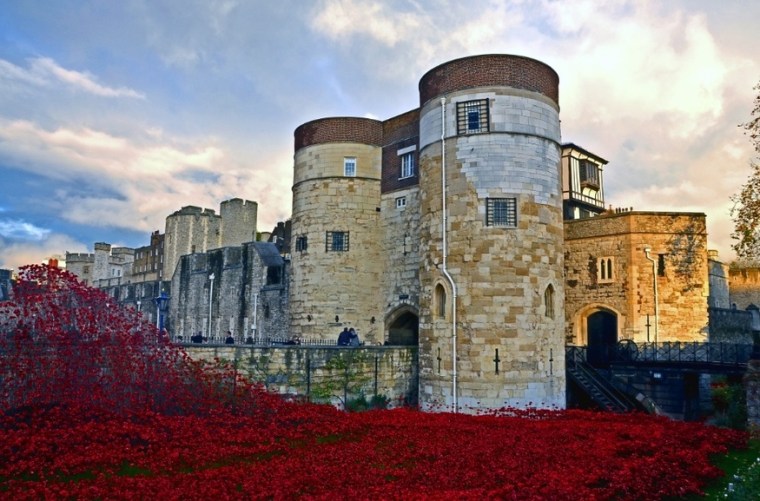
OK, OK, the Duke of Normandy’s passage into London was unlike any other immigrant’s (and one you’d struggle to get away with these days). But his impression on the evolution of London is unquestionable — notably with one landmark. As HV Morton puts it, «All we know for certain of the Tower’s origin is that William the Conqueror gave a charter of independence to London with one hand, while with the other he built the Tower to show his «beloved subjects» that, in spite of their liberties, he was their master.» The Tower of London remains a jewel in the city’s crown, not to mention a surefire source of income.

George Frideric Handel, Germany

1748HandelByHudson-0475

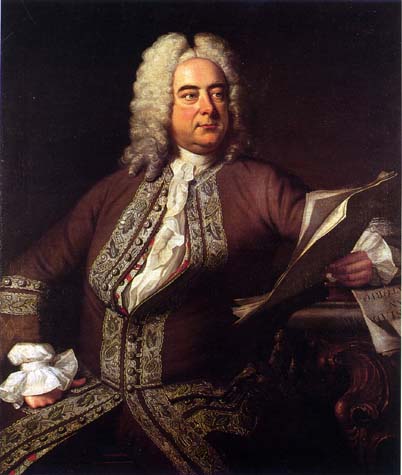
Moving to London in 1712, the bewigged composer came to be adored by the city so much that 15 years later, he was naturalised as a British citizen. Handel was not just a soundtrack for the royal family, but for London itself — his Water Music is synonymous with the Thames. As George Bernard Shaw later said, «Every Englishman believes that Handel now occupies an important position in heaven.» Handel’s Brook Street residence neighbours that of another great musician, Jimi Hendrix, with both now twinned as an unlikely museum.

Olaudah Equiano, Nigeria or the Americas

equiano

Although there’s some doubt as to where Olaudah Equiano was born, there is none about the impact he made when he arrived on British shores. Pinged back and forth across the globe as a slave, Equiano eventually bought his own freedom, and poured his efforts into working towards the abolition of slavery. As the founder of the Sons of Africa, he lobbied Parliament for better conditions on slave ships. It was in London, at 67-73 Riding House Street, that Equiano finally sat down to write his autobiography, The Interesting Narrative of the Life of Olaudah Equiano or Gustavus Vassa, the African — published in 1789. The harrowing tale — bookended with appeals to Parliament and the Queen — was a catalyst in ending slavery. It’s commemorated in a green plaque.

Mary Seacole, Jamaica

seacole

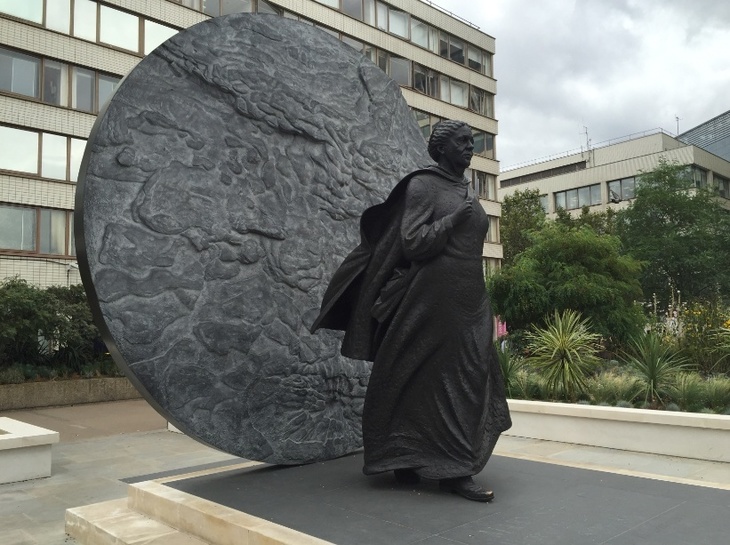
Much of Mary Seacole’s good work happened on foreign shores, notably during the Crimean War, where she bankrupted herself by helping soldiers with her own funds. Her return to London — where she’d previously been denied a place in Florence Nightingale’s nursing team — saw her lauded as a heroine by the British Army, royalty, and Britain as a whole. Seacole remains an important beacon for black Londoners and Brits; in 2016, when her statue was unveiled outside St Thomas’ Hospital, it caused some rather ugly arguments to bubble to the surface. On the other hand, the fact the statue was unveiled showed that enough people cared about her legacy to ensure Seacole was immortalised.

Karl Marx, Germany

marx

After Belgium and Paris decided they didn’t want Karl Marx, London took him into its bosom — and he stayed here for the rest of his life. From safe havens such as the British Library and his flat on Dean Street, Marx wrote his magnum opus Das Kapital. London is also where he went on his infamous lamp-smashing pub crawl (he never did pay us back for that). Marx is commemorated across London; in the Marx Memorial Library, on walking tours, and, of course, by that left-leaning memorial in Highgate Cemetery.

The Brunels, France

brunel

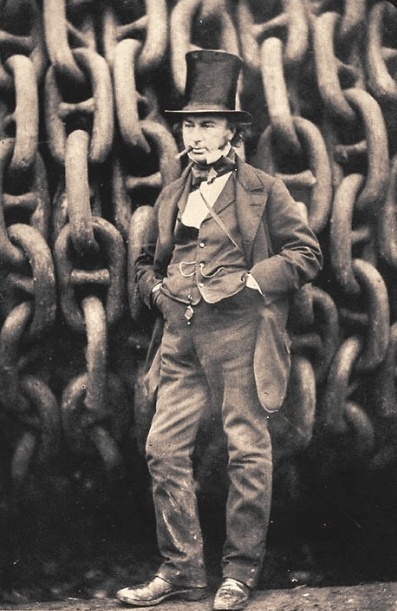
While Isambard Kingdom Brunel was born in Portsmouth, his father was born in Normandy, and both were educated in France. Everyone knows the photo of Brunel posturing by the hulking great chains of his ship the SS Eastern (above); what many don’t realise is that you can still pose by some of those chains at the remains of the slipway in Millwall. It was working together on the Thames Tunnel, that the father-son team created their finest London legacy — it remains in use today, as part of the Overground network. Put simply, London would not function as it does today without these two great Frenchmen. Pay your tributes to both at Kensal Green Cemetery.

Harry Gordon Selfridge, America

harry_gordon_selfridge__vanity_fair__1911-12-06

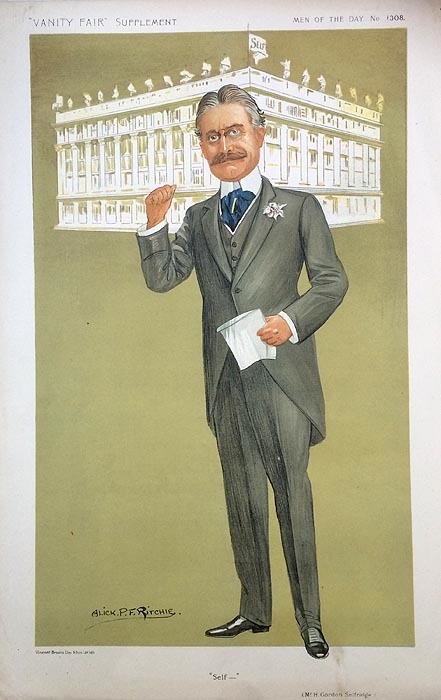
The state of Oxford Street on a Saturday has much to do with Harry Gordon Selfridge. As the man who gave London its first ‘democratic’ department store and «x days till Christmas», the Wisconsin tycoon revolutionised consumerism in the city. He also may be guilty for getting us hooked on Coke — Selfridges once had an American soda room. As much as he gave to London, he also tried to get what he could out of it; he pleaded with London Underground bosses for a tunnel for shoppers leading from Bond Street station to his store. They said he could have it if he paid for it. Selfridge’s answer was not recorded.

Zaha Hadid, Iraq

hadid

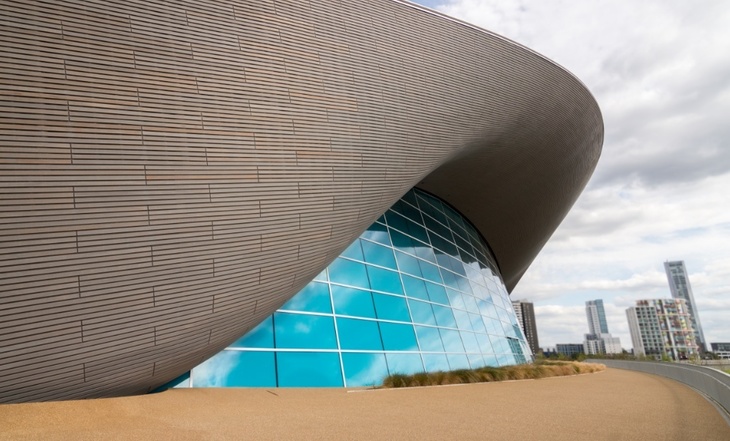
Many of Zaha Hadid’s early architectural designs on London never came to fruition; among her unrealised student projects were Malevich’s Tektonik (a hotel on the Hungerford Bridge) and a regenerated Trafalgar Square. The Baghdad-born architect went on to make her mark on the capital, with the Serpentine Sackler Gallery, and most memorably, the spaceship-like London Aquatics Centre. Zaha Hadid Architects remains in Clerkenwell, although it’s a shame Hadid’s successor stands for a deregulated and privatised London.

Monica Ali, Bangladesh

By way of Bolton and Oxford, Bangladeshi-born Monica Ali has made London her home — and subject matter. Her 2003 debut novel Brick Lane opened thousands of Londoners’ eyes to life for Bangladeshi people in the British capital — although the book and subsequent film adaptation weren’t without controversy. The fictional Imperial Hotel in Piccadilly formed the backdrop for another of her books, In The Kitchen. Still living in London — and the only living figure on our list — Ali continues to speak out for the rights and advantages of, immigration.

10 Inventions By Women That Changed The World

1. The car heater

grid-cell-11108-1407767663-8


grid-cell-11108-1407767663-5

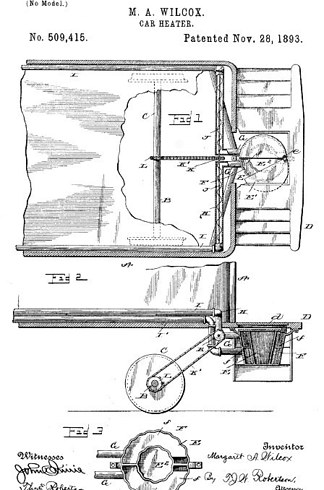
The first car heater, which directed air from over the engine to warm the chilly toes of aristocratic 19th-century motorists, was invented by Margaret A. Wilcox in 1893. She also invented a combined clothes and dish washer, which someone should please build immediately.

2. Monopoly

grid-cell-29328-1407767671-9

grid-cell-29328-1407767672-12

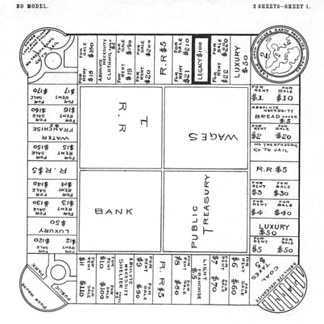
One of the most famous board games of all time, responsible for endless hours of wholesome family fun and/or devastating family arguments, was invented by Elizabeth Magie in 1904 under the original name The Landlord’s Game. Magie’s game was a critique of the injustices of unchecked capitalism, making it all the more ironic when her game was completely ripped off by Charles Darrow 30 years later, who sold it to Parker Brothers. The firm eventually tracked down Magie and paid her $500 for her troubles.

3. The fire escape

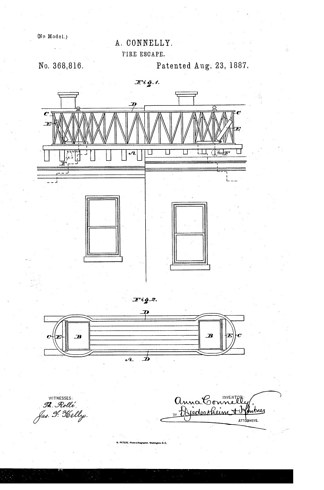
This device, so vital both to public safety and the smoking habits of urban hipsters, was invented in 1887 by Anna Connelly.

grid-cell-10951-1407767680-12

grid-cell-10951-1407767681-15

4. The life raft

grid-cell-29322-1407767691-1

grid-cell-29322-1407767692-4

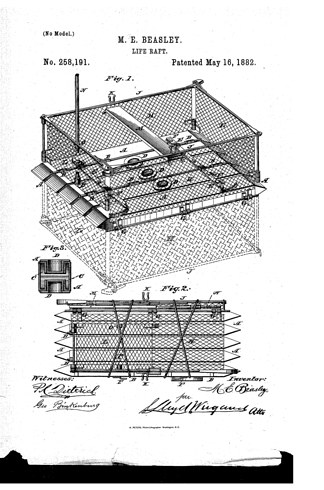
One day in 1882, Maria Beasely looked out at the sea and said, “People should, like, stop dying in huge transportation disasters.” And then she invented life rafts. Beasely also invented a machine for making barrels, and it made her really fucking rich.

5. Residential solar heating

grid-cell-20816-1407768835-28

Physicist and solar-power pioneer Dr. Maria Telkes teamed up with an equally badass lady, the architect Eleanor Raymond, to build the first home entirely heated by solar power in 1947.

6. The medical syringe

Oh, the wonders of modern medicine. In 1899, Letitia Geer invented a medical syringe that could be operated with only one hand. Remember her the next time your doctor injects you with only one hand.

grid-cell-13417-1407767711-3

grid-cell-13417-1407767710-0

7. The modern electric refrigerator

grid-cell-10070-1407767720-4

Florence Parpart invented the modern electric refrigerator in 1914. In 1900, Parpart also received a patent for a vastly improved street-cleaning machine, which she marketed and sold to cities across America, because she was incredibly badass.

8. The ice cream maker

grid-cell-21460-1407767730-0

grid-cell-21460-1407767731-3

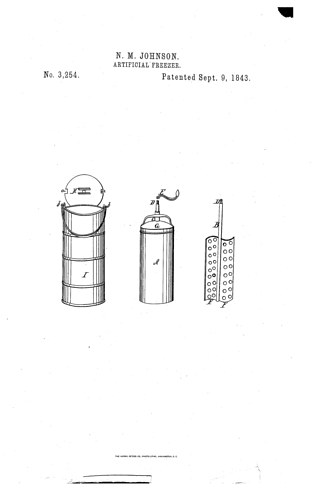
Nancy Johnson invented the ice cream freezer in 1843, patenting a design which is still used to the current day, even after the advent of electric ice cream makers. Thank you, Nancy Johnson. Thank you.

9. The computer algorithm

Ada Lovelace, whose father was Lord Byron, was encouraged by her scientist mother from a young age to become a fucking champion of mathematics. Lovelace worked with Charles Babbage at the University of London on his plans for an “analytic engine” (i.e. old-timey computer) to develop ways to program the machine with mathematical algorithms, essentially making her “the first computer programmer”.

grid-cell-12664-1407768274-18

grid-cell-12664-1407768275-21

10. Kevlar

grid-cell-16744-1407768203-6

grid-cell-16744-1407768204-9

The chemist Stephanie Kwolek invented the super-strong Kevlar fibre, used to make bulletproof vests. Kwolek’s invention is five times stronger than steel, and also has about 200 other uses.