Духовное становление личности.

В настоящий момент идет активный поиск новых путей духовного возрождения России. Государство, как и все общество в целом, остро нуждается в таком образовательном процессе, который бы обеспечивал духовно-нравственные компоненты в содержании образования. В связи с этим обращение к опыту православной педагогики особенно актуально. Процесс образования является непрерывным процессом по своей природе, начинается с появлением человека на свет и следует до завершения его жизни. Учитывая этот факт и то, что процесс образования происходит в определенной культурно-исторической среде, следует говорить об образовании и воспитании применительно к культурно-исторической традиции. Данный подход требует сочетания воспитания и образования с тысячелетней православной традицией России, что является главной педагогической проблемой двух последних веков. Остается нерешенной эта проблема и в наше время.

Необходимо помнить, что и семья, и школа активно участвуют в духовно-нравственном становлении ребенка. При взаимодействии сфер влияния школы и семьи на практике могут возникать противоречия, которые связаны с постановкой целей образовательного процесса и его содержания. Например, противоречие между восприятием жизни как вечной и образовательным обеспечением только одного, земного этапа жизни, как единственного. Причиной возникновения противоречий является отсутствие какого-либо теоретического обоснования единого процесса духовно-нравственного становления личности, совершающегося в различных сферах. Исследования православных ученых-педагогов позволяют утверждать, что основой духовно-нравственного становления личности являются религиозные воззрения народа, а базовым элементом этой системы является семья.

В наши дни происходит отчуждение семьи от образовательного процесса, что является одной из главных проблем для современных педагогов. Принято, что только учитель и ученик являются субъектами образовательной деятельности. Но неверно было бы придерживаться таких взглядов. «Семья является незаменимым органом социального воспитания. Нормальная семья может и не задаваться педагогическими задачами, но она все равно воспитывает самим строем своим, взаимностью социальных связей» — писал профессор В.В. Зеньковский в статье «Социальное воспитание, его задачи и пути» в 1918 году. Потому любой ребенок в образовательном учреждении является носителем национальных, религиозных, социальных традиций и особенностей семьи. И именно поэтому субъектом образовательного процесса следует считать не только ребенка, а семью в целом. Школа в широком понимании этого слова должна помогать семье в создании комфортных условий для развития личности, ее духовного становления, вводить ее в мир культуры, являющейся результатом духовного творчества народа.

Русская история неоднократно доказывала, что жизнеспособной является лишь та социальная система, которая содержит духовный компонент воспитания. О необходимости такой духовной компоненты в образовании Н.И. Поздняковым высказаны мысли: «Узкий профессионализм есть губительная попытка создать системность будущей бездуховности. Это путь тупиковый, поскольку узкая специализация умышленно изолирует себя от всего, что кажется посторонним… Говорить о подготовке специалиста в терминах одной лишь науки, голого рационального знания – ошибочно. Отсутствие духовной основы лишает

смысла саму подготовку: «Во имя чего жить и работать, если все тленно?».

Главной проблемой на данный момент, мешающей государству активно участвовать в духовном и нравственном оздоровлении общества, является неверное восприятие большинством работников образования «отделения Церкви от государства». Но следует помнить, что Конституция России не запрещает, а гарантирует свободу вероисповедания для всех желающих.

Актуальность исследования проблем православной педагогики как системы духовно-нравственного становления личности связана с изменением законодательной базы российского образования. Одним из принципов государственной политики в этой области образования является принцип защиты и развития системой образования национальных культур и традиций. Данный принцип отражен в Законе «Об образовании». В Законе «О свободе совести и о религиозных объединениях» признается особая роль Православия в истории России, в становлении и развитии ее духовности. В принятых Законах «Об образовании» и «О высшем и послевузовском профессиональном образовании» есть положения, в которых дается возможность преподавать вне рамок образовательной программы, а обучающимся получать знания согласно своим склонностям и потребностям, в том числе и религиозным. Вышеперечисленные законы позволяют сделать вывод об особой защите духовно-нравственных интересов обучающихся в государственной системе образования, которая заключается в защите национальной духовности и культуры, а в их становлении особую роль всегда играло Православие.

Литература:

1. Половинкин А.И. Православная духовная культура / А.И. Половинкин. – М., 2003. – 352 с.

2. Половинкин А.И. Пробуждение и возрождение России / А.И. Половинкин. – Волгоград, 2010. – 336 с.
London has been named the least friendly city in the UK

londonrushour0603a

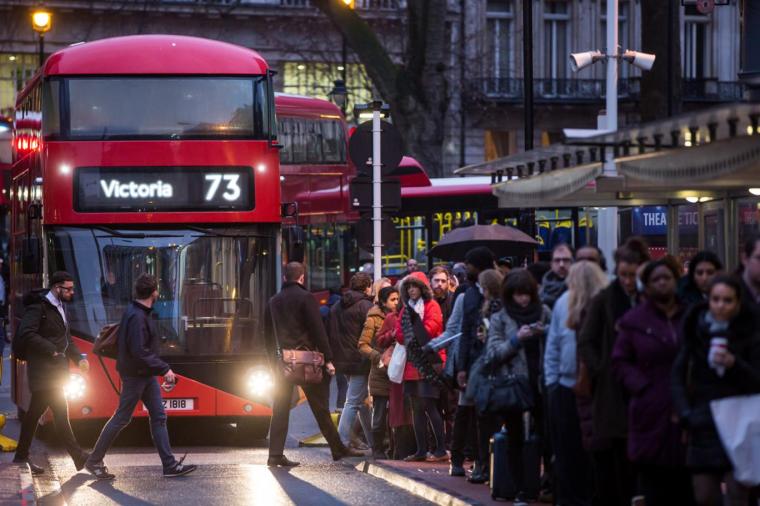
Next time you’re riding the Tube, maybe you should try smiling instead of scowling at your fellow commuters.

According to a study of our towns and cities, London is officially the UK’s least friendly city. Cheers.

The survey, conducted by Provident Personal Credit, asked 2,642 residents to rate how they felt within their community on a scale from 1 to 10. London beat out Chelmsford, Oxford and Portsmouth with a score of 6.44 out of 10 on the friendliness scale (a measly improvement from last year’s score of 6.28).

Alternatively, York claimed the title of most friendly city in the UK with a score of 7.47 out of 10. Not far behind was Gloucester with 7.32 and Swansea with 7.31.

The study, called “Unbroken Britain”, includes an interactive map for viewers to visualise where they’re more likely to receive a warm welcome than a frostier reception.

The eight components of the survey covered a range of topics, including cleanliness, safety, and friendliness of locals. Questions centred on factors associated with community engagement, like talking to others in public or knowing people’s names.

London didn’t do much better in the other categories either, placing in the bottom half for politeness, safety, upkeep, trust, gossip and happiness.

Five Weird Facts About London You Probably Didn’t Know

Each month, we’ll unload five of the oddest things we’ve heard about the capital, choosing trivia you won’t find in many, if any, trivia books.

1. St Paul’s amazing levitating dome

The dome of St Paul’s Cathedral once became completely separated from the rest of the church.

On 17 April 1941, a German bomb penetrated the North Transept. The shock from the blast was funnelled up into the famous dome, causing the entire structure to lift by a millimetre before settling back down.

A hairline crack still runs around the base of the dome. Source: Oliver Caroe, Surveyor to the Fabric of St Paul’s, personal communication

2. Death by billiard ball

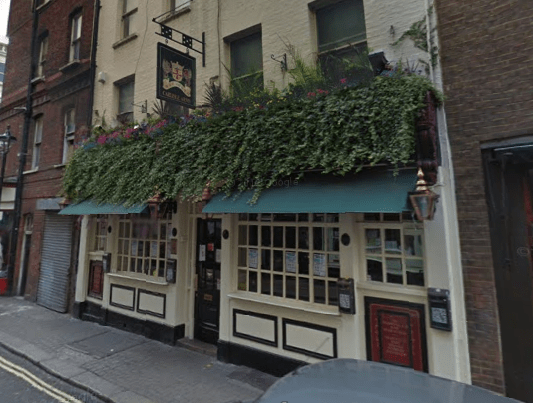
The Carlisle Arms on Bateman Street was the scene of London’s only known death through near-inhalation of a billiard ball.

screen-shot-2014-05-13-at-12-02-46

In November 1893, a 24-year-old envelope cutter named Walter Cowle reckoned he could place a whole billiard ball in his mouth and still close his teeth. This he achieved, but only by accidentally blocking his windpipe and choking to death.

The coroner later declared that it was a ‘silly and dangerous feat to attempt’. You can still drink in the pub to this day, but it no longer contains a billiard table. Source: Grantham Journal, 11 November 1893

3. John Barry, Bernie Ecclestone and Jeffrey Archer were all housemates… sort of.

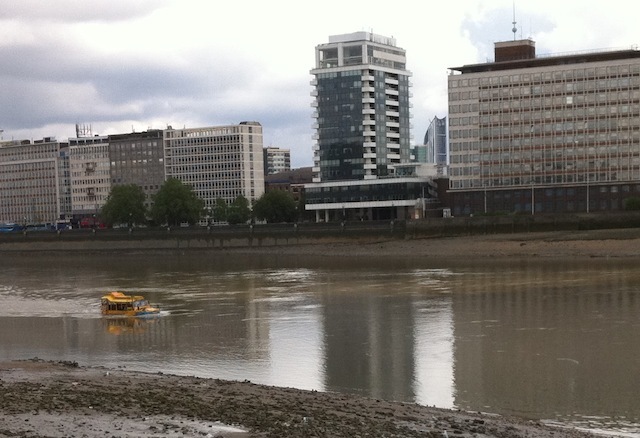
All three have owned the penthouse in Alembic House, the 1960’s mid-rise tower close to the MI6 building at Vauxhall. Source: London Walks, London Stories, by David Tucker.

Back Camera

4. There’s a good reason the name Penge sounds odd to the modern ear.

It’s one of the very few places in London whose name is thought to have Celtic (pre-Roman) origins, from penceat, meaning ‘tree hill’.

Nearly all other area names are derived from Germanic Anglo-Saxon languages, or from later times. Brent is another Celtic example, although it doesn’t sound nearly so hilarious. Source: The London Encyclopaedia and other texts

5. There are 118 different ways of getting into the Barbican…

Or at least there were, until recent work along London Wall and Moorgate curtailed some of the options. Source: Robert Rider, Londonist Out Loud.

18 BOOKS YOU’LL FIND ON A POSH PERSON’S BOOKSHELF

Tatler_Alnwick_Castle-how-posh-is-your-library-tatler-16aug16-pr_b_540x810

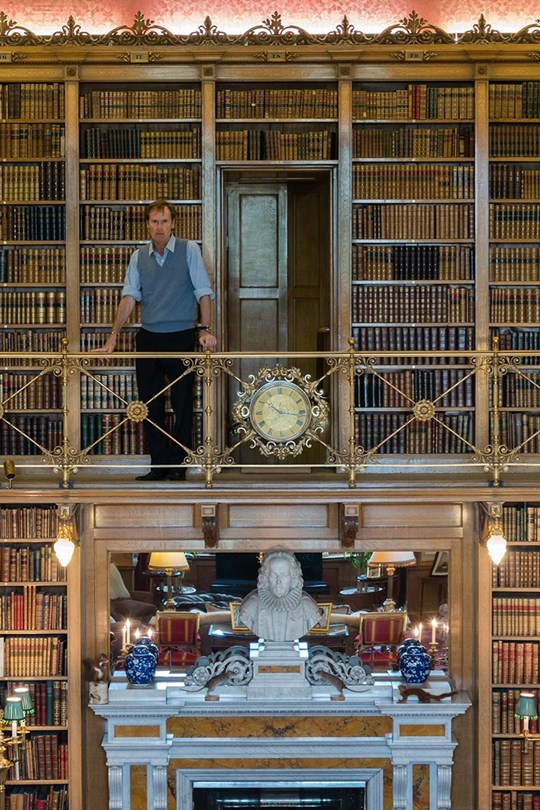
Endless Churchill volumes, a bit of smut and A LOT of books about animals. What you might find on the poshest bookshelves in the land. By Clare Bennett

Children’s books

1. MOORLAND MOUSIE BY MURIEL WACE. These short stories about an Exmoor pony are a favourite of the Duchess of Cornwall and the Queen, in case you want to love them more.

2. BLACK BEAUTY BY ANNA SEWELL. A Sloane essential. Not only is it one of the biggest-selling books of all time (an estimated 50 million so far), Clare Balding is a huge fan. The theme music from the TV show was one of her Desert Island Discs choices, and it’s a book she has said she could read again and again. Who can blame her?

3. WHITE FANG BY JACK LONDON. As Uncle Matthew in The Pursuit of Love says: ‘My dear Lady Kroesig, I have only read one book in my life, and that is White Fang. It’s so frightfully good I’ve never bothered to read another.’

4. BALLET SHOES BY NOEL STREATFEILD. The story of three adopted sisters, Pauline, Posy and Petrova. Highly possible three Labradors of the same name will have existed in the house at some point.

5. SWALLOWS AND AMAZONS BY ARTHUR RANSOME. From a time when no one laughed at the name Titty or tried to change her name to Tatty like they did in the film. #Silly

Crime and thrillers

6. DICK FRANCIS. Despite having been sacked as a jockey for the Queen Mother, Francis always sent her an advance copy of his books, deliberately cutting back on swear words and sex. The Queen is also said to be a fan.

7. AGATHA CHRISTIE. Don’t drink that cup of tea. Don’t take your eyes off those knitting needles. Don’t eat those cucumber sandwiches. Don’t get into that car with an American. Don’t trust anyone, not even the vicar. ESPECIALLY not the vicar.

8. BULLDOG DRUMMOND BY SAPPER. Stories of a rich gentleman adventurer bored out of his skull now the war is over and looking for LOLZ.

Reference books

9. BOOKS ON BIRDS. ‘Darling, quick, where are my bins? Is that a nuthatch? It’s heading for the birdbath — don’t let the cat out.’

10. THE OXFORD DICTIONARY OF QUOTATIONS. Important to have a few quotations up your sleeve for quieter moments during dinner parties when you can award prizes to the ones who get the most right.

11. A VAST ATLAS. So you can see which parts of India your grandfather used to live in.

12. ANCIENT DEBRETT’S/WHO’S WHO FROM 1972. So you know what’s what with whatnot and whatshername.

History and war

13. THE SECOND WORLD WAR IN SIX VOLUMES BY SIR WINSTON CHURCHILL. Or A History of the English-Speaking Peoples. Pretty much anything by Churchill.

14. THE HISTORY OF THE DECLINE AND FALL OF THE ROMAN EMPIRE IN SEVEN VOLUMES BY EDWARD GIBBON. That christening present no one ever got round to finishing. Or starting, for that matter.

Funny books

15. THE COMPLEET MOLESWORTH BY GEOFFREY WILLANS AND RONALD SEARLE. Boarding-school-based larks and japes from the appalling speller, Nigel Molesworth, to remind you how much you loved those halcyon days: ‘Peotry is sissy stuff that rhymes’ / ‘Foopball is a tuough game but it is a pity you canot win by hacking everybode. You hav to be nippy.’

16. ROGER’S PROFANISAURUS BY VIZ. Expect to find hordes of Sloanes gathered together howling with laughter as they educate themselves on words like ‘radar trap’, ‘mang’, ‘reedle’, ‘gin bin’ and the alternative meaning of ‘ Boris Johnson’.

17. PG WODEHOUSE. The adventures of Bertie Wooster, his butler Jeeves and a motley crew of confused but cheerful toffs, including Gussie Fink-Nottle, Catsmeat Potter-Pirbright and Cyril Bassington-Bassington. Art pretty much imitating life.

Nostalgic books

18. SCHOOL HYMNBOOK. Complete with childhood signature and name of house written in pencil on the inside.

8 Secrets Of Oxford Street

oxford_circus

1. How long is it?

Oxford Street follows the route of a Roman road which linked Colchester to Hampshire. These days it’s part of the A40, which begins at Cheapside and runs all the way out to Fishguard in Wales — although it does skirt round the city of Oxford, making it the main road linking the two cities.

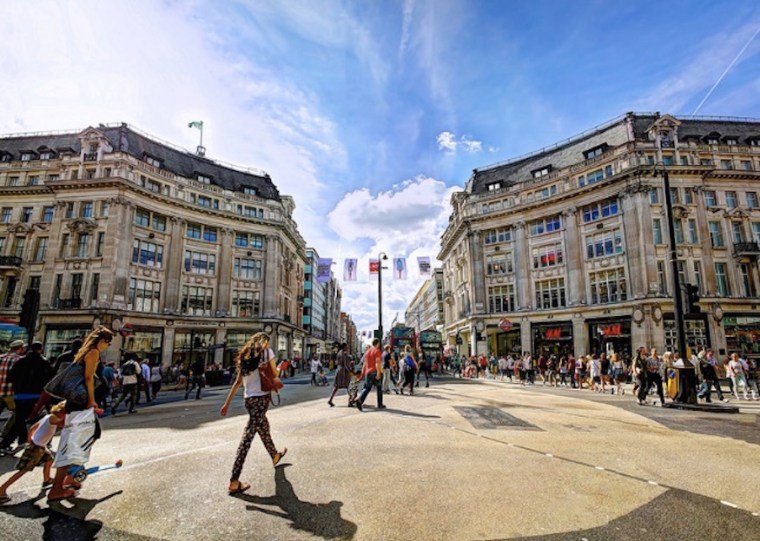
The stretch known as Oxford Street is 1.2 miles long, running from Marble Arch to Tottenham Court Road. The stretch east of Tottenham Court Road, to Holborn, is New Oxford Street.

2. Tyburn Road

Oxford Street was previously known as Tyburn Road thanks to the now-buried Tyburn River which runs beneath it.

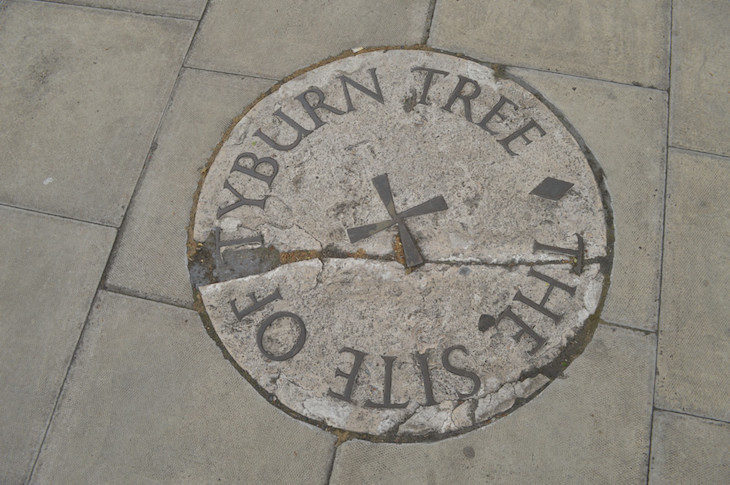
It also used to be the final journey for prisoners being transferred from Newgate Prison to the Tyburn tree at Marble Arch, where they would be hung. Today, a stone marks the site where the tree stood:

14019924390_7f0e06bdb5_b

3. The secret street

It’s long been rumoured that a secret — and perfectly preserved —  Victorian street runs underneath Oxford Street. Some blame Malcolm McLaren’s 1991 film The Ghosts of Oxford Street for furthering these rumours.

Here, a man who managed Lilley & Skinner at 356-360 Oxford Street (now Forever 21) in the early 1980s claims to have seen this abandoned thoroughfare.

Beyond this, we have no proof of the street’s existence, but our subterranean expert reckons it’s most likely to be some sort of sewer running underneath the streets. Tales of preserved Victorian shopfronts might be a bit far-fetched.

4. A disastrous night

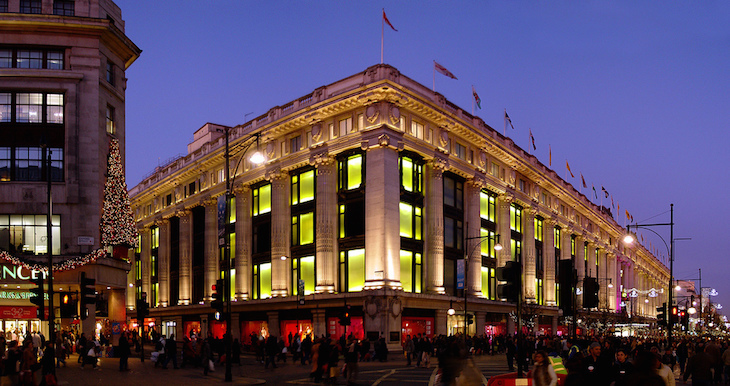
Like much of London, Oxford Street suffered during the Blitz. On the night of 17 September 1940, four of the street’s biggest department stores — Selfridges, John Lewis, Bourne & Hollingsworth and Peter Robinson — were all badly damaged.

In particular, at Selfridges, a window which had been signed by many celebrity visitors to the store was smashed beyond repair.

74796349_7a0c66ec79_b

5. The basement broadcast studio

The basement of the Peter Robinson store on Oxford Street (now Topshop — and a listed building) was used by the BBC as a broadcast studio in the latter part of the second world war.

Ex-BBC employee Trevor Hill shares his memories of working in the studio. George Orwell was among the names who made broadcasts from the basement.

Similarly, the US Army took over Selfridges’ basement, while John Lewis had a basement air raid shelter which could house 200 people.

6. HMV’s history

12269806433_bd6b991430_k

Several shops are long term residents of the Street, but HMV has its own story.

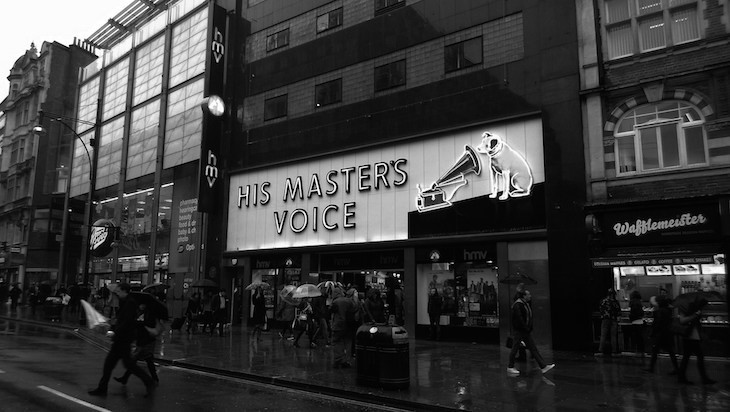
The first HMV store opened at 363 Oxford Street in 1921, and although it temporarily moved in the second world war due to bomb damage, it remained at those premises until 1986, when a new flagship store was opened further down Oxford Street. However, in 2013, HMV moved back into 363 Oxford street, where it’s been ever since.

In 1962, the store’s recording equipment was used by Brian Epstein to record a demo by a then-little-known band called The Beatles — and we all know what came of that.

7. Reaching new levels

House of Fraser’s flagship store — previously known as D H Evans, opened on Oxford Street in 1932, and was the first department store in the UK to offer escalators serving every floor.

8.What’s JFK got to do with it?

23914080460_52a35b88b1_k

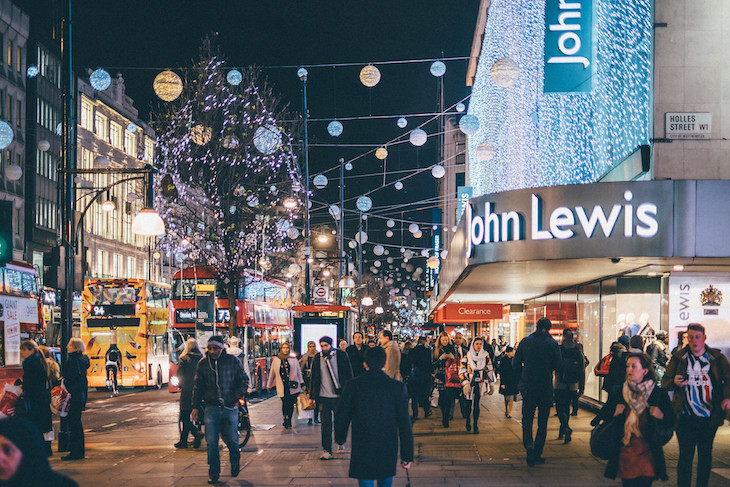
Oxford Street’s (and neighbouring Regent Street’s) Christmas lights are world-famous. Oxford Street began the tradition in 1959, after the success of Regent Street’s lights which began in 1954.

The lights were switched off for several years in the 1960s and 1970s due to the economic recession.

Twice, the switching on of the Oxford Street lights has been postponed: in 1963, as a mark of respect to the recently deceased JFK, and in 1989, to accommodate guest star Kylie Minogue’s touring schedule.

11 Secrets Of London’s Royal Opera House

The Royal Opera House in Covent Garden is one of the world’s leading opera houses. Here are our favourite facts about this incredible London institution.

roh_main

1. Third time lucky

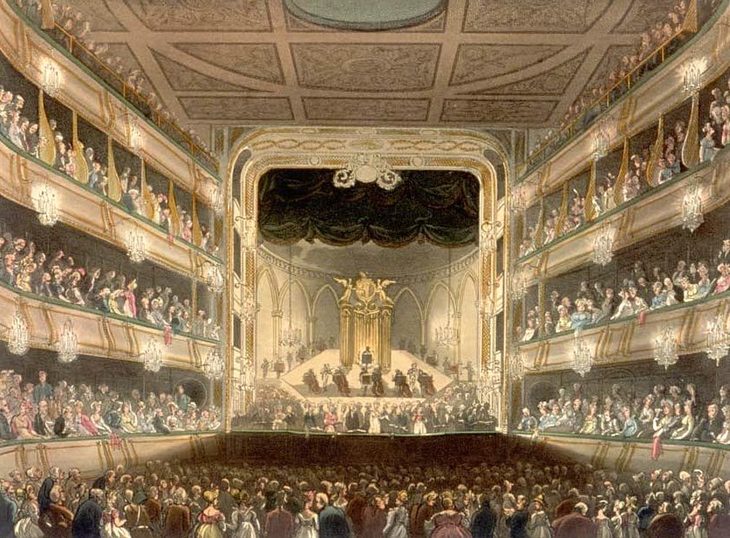
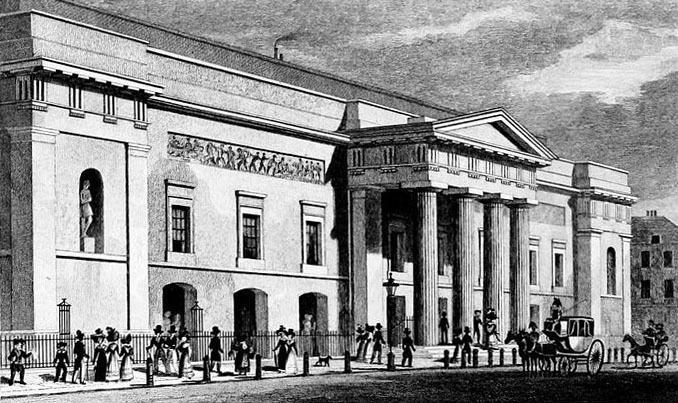
The current building is the third theatre on the site following disastrous fires in 1808 and 1856. The first, the Theatre Royal, opened in 1732, before burning down in 1808. The second opened just eight months later (1809) and survived until March 1856, when another fire destroyed the theatre.

covert_garden_theatre_edited

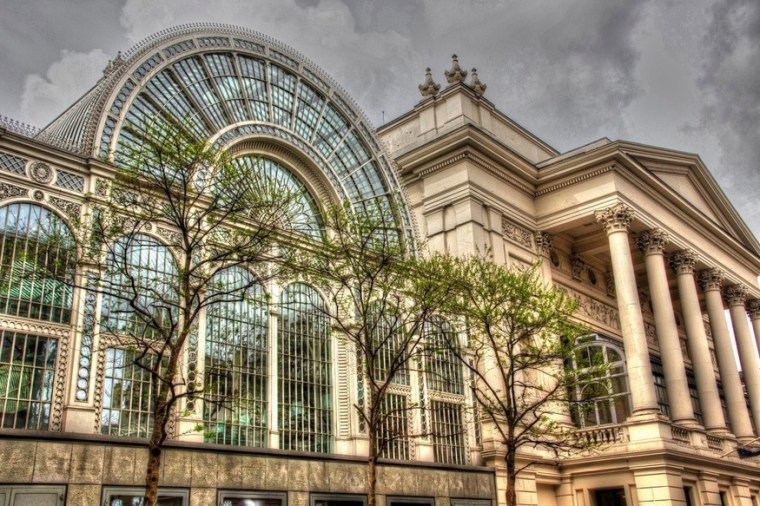
A third theatre, designed by Edward Middleton Barry, opened in 1858. This was a fireproof building in a regular classical design, and alongside it Barry built the Floral Hall in 1858-9. The Floral Hall was a glass-and-iron structure intended to serve as a concert hall annexe and winter garden. The theatre became the Royal Opera House in 1892.

Today’s façade, foyer, and auditorium date from 1858, but almost every other element of the present complex of buildings dates from the extensive reconstruction which took place between 1996 and 1999.

2. The Opera House… in Borough Market?

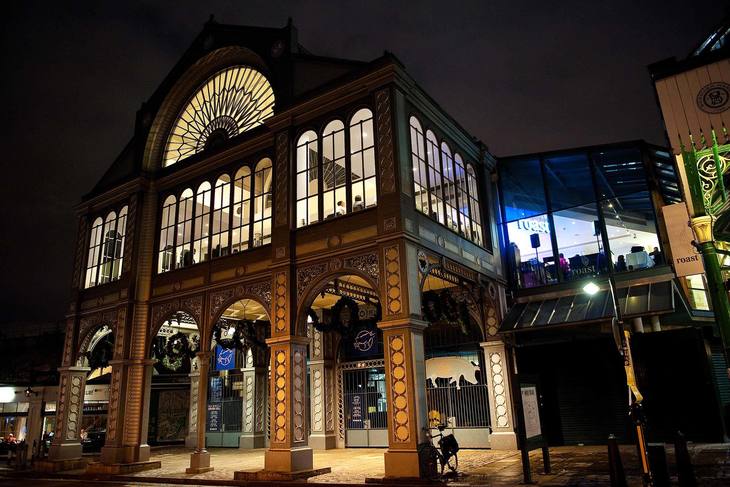
Next time you’re heading to Roast in Borough Market, look up.

The façade grafted onto this particular part of Borough Market is actually the old E M Barry-designed Floral Hall from the Royal Opera House, which was put in storage when the Opera House was done up in the 1990s.

roastbar

It was bought by Borough Market for £1 and added to the building around 2003. In 2008, it was awarded Grade II-listed status (we’re amused to see that Historic England thinks ‘ the interior is not of special interest’: unless, presumably, you really want a roast dinner).

3. It’s hosted some impressive ‘firsts’…

The Covent Garden site lays claim to various firsts: Pygmalion, performed in 1734, is said to be the first ‘ballet d’action’. That is, a ballet presented more like our modern understanding of ‘classical ballet’, with a story told through dance.

The then-Theatre Royal also hosted the first performances of many of Handel’s operas, including Il pastor fido, Ariodante, Alcina and Semele.

4. …including the first time a piano was played in public

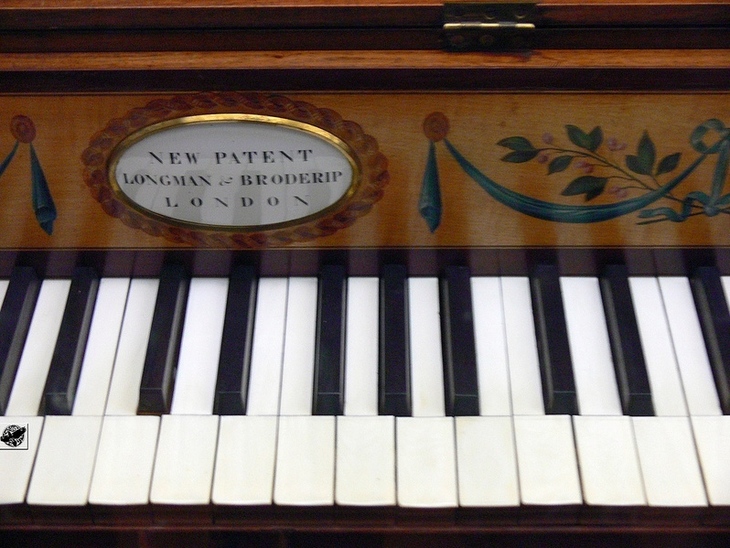
The first public performance on a piano in England took place on 16 May, 1767, at what is now the Royal Opera House.

A Miss Bricker sang a song from Handel’s Judith to the accompaniment of Charles Dibdin.

piano

This was followed by the first solo performance on a piano on 2 June 1768, by Johann Christian Bach, Johann Sebastian’s youngest son.

5. And some remarkable goodbyes

Actress Sarah Siddons gave her farewell performance what’s now the Royal Opera House in 1812.

The most famous tragedienne of her day, Siddons certainly knew how to work a crowd.

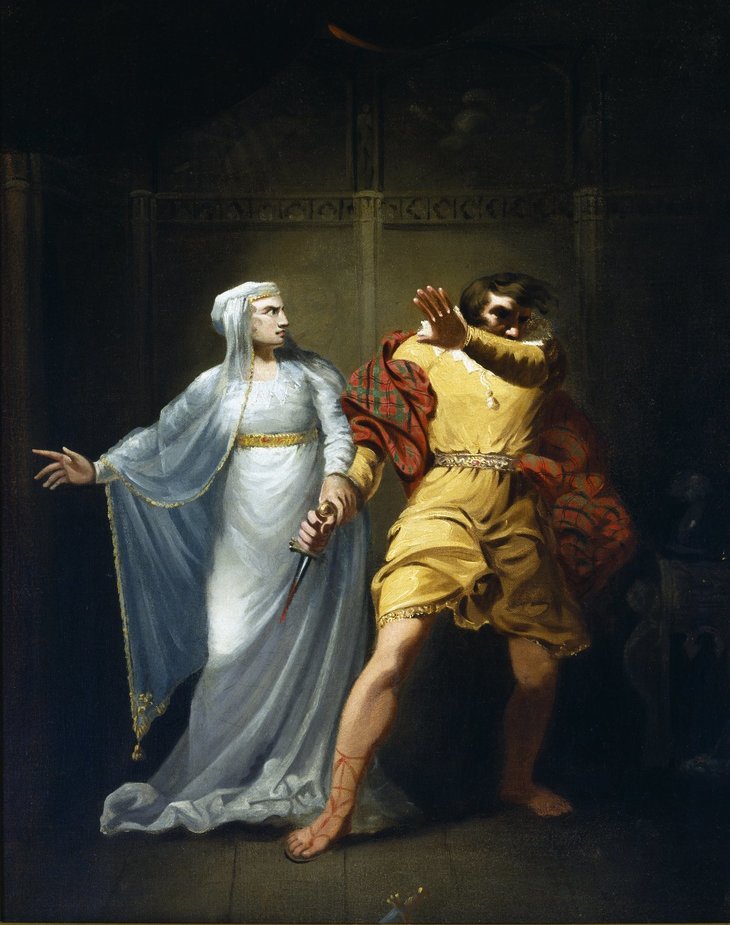
Her final act, on 29 June 1812, is perhaps the most extraordinary farewell performance in theatre history. The 57 year old was playing her most famous role, Lady Macbeth, but after the sleepwalking scene, the audience refused to allow the play to continue.

sarah_siddons_as_lady_macbeth_-smirke__c-_1790-1810

Eventually, after tumultuous applause from the pit, the curtain reopened and Siddons gave an emotional farewell speech to the audience, which was said to last nearly 10 minutes.

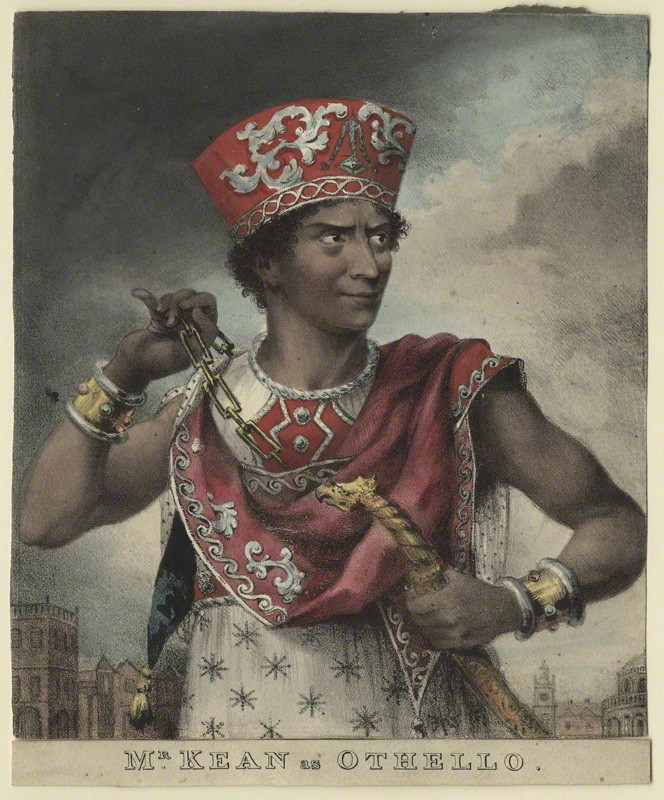
On 15 March 1833, Edmund Keane had a stroke on stage while playing Othello.

At the words «Villain, be sure,» in scene 3 of Act III, he suddenly broke down, and cried, «O God, I am dying. Speak to them, Charles!» Charles, his son, was playing Iago at the time. He caught his father as he fell and carried him off stage.

NPG D21258; Edmund Kean as Othello by and published by John William Gear

Edmund Keane died two months later.

6. It’s always been ‘in the limelight’

The Royal Opera House was the first theatre to use limelight to light its actors.

covent_garden_theatre_1827-28

Invented by Sir Goldsworthy Gurney in the 1820s, limelight was created by forcing a mix of oxygen and hydrogen through a pipe to produce a flame; then adding quicklime to make a very bright light by a combination of incandescence and candoluminescence.

In 1837 theatre manager William Charles Macready used limelight in the Opera House to highlight or spotlight one particular player on the stage. It was the first time the technique had been tried indoors.

While electric lighting took over in the early 19th century, the term ‘in the limelight’ has obviously endured.

7. It’s been used as a furniture store and a dance hall

During the first world war, the theatre was requisitioned by the Ministry of Works for use as a furniture repository.
During the second world war, the Royal Opera House building was used as a dance hall.

After the war, the idea of public subsidy of the arts was accepted and the decision was made to establish the Royal Opera House as the permanent year-round home of the opera and ballet companies now known as The Royal Opera and The Royal Ballet.

8. It also hosts an orchestra

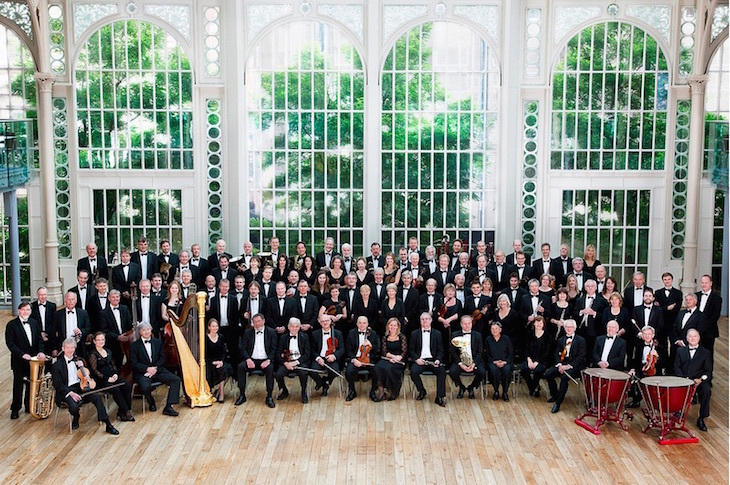
Most people know that the Royal Opera House is the home of the Royal Opera and the Royal Ballet.

But the building is also home to an orchestra (the Orchestra of the Royal Opera House) and a choir, the Royal Opera Chorus.

orchestra_royal_opera_house

Both were established in 1946 and both provide a kind of backbone to the work produced by the opera and ballet companies.

9. It’s not actually all that big

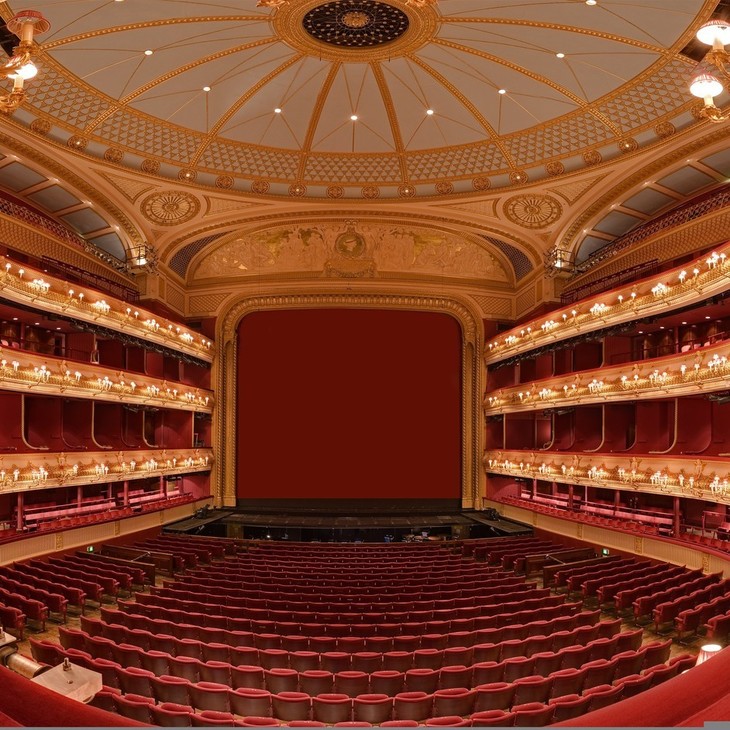
Step inside the auditorium of the Royal Opera House, and if you’re anything like us, you’re pretty much guaranteed a ‘takes your breath away’ moment.

wy185067_942long

But despite having a seating capacity of 2,256, the Royal Opera House only ranks in around sixth place in the list of London’s biggest theatres.

10. It’s connected to the Royal Ballet School

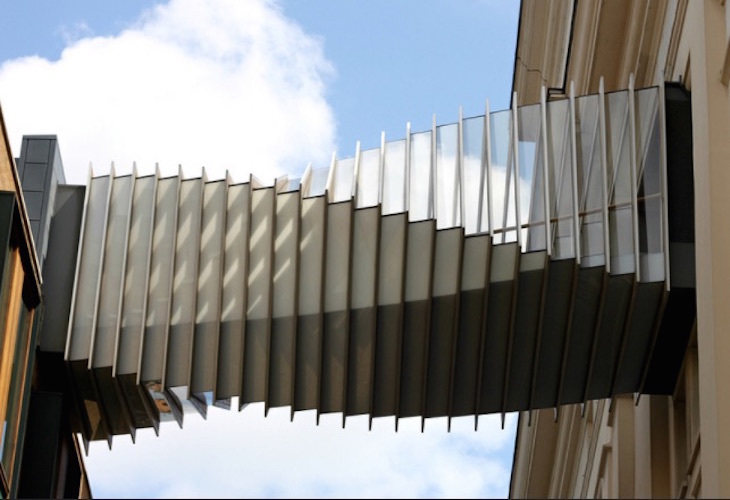
This beautiful bridge, called the Bridge of Aspiration, connects the Royal Opera House with the Royal Ballet School next door.

bridge_of_aspiration

We rather like the idea that fledgling dancers start one end, tiptoeing in like an ugly duckling, and are somehow transformed into wonderful professional swans as they emerge into the theatre proper from the other side. In reality, we reckon it probably takes a bit longer than that.

11. Let’s go outside

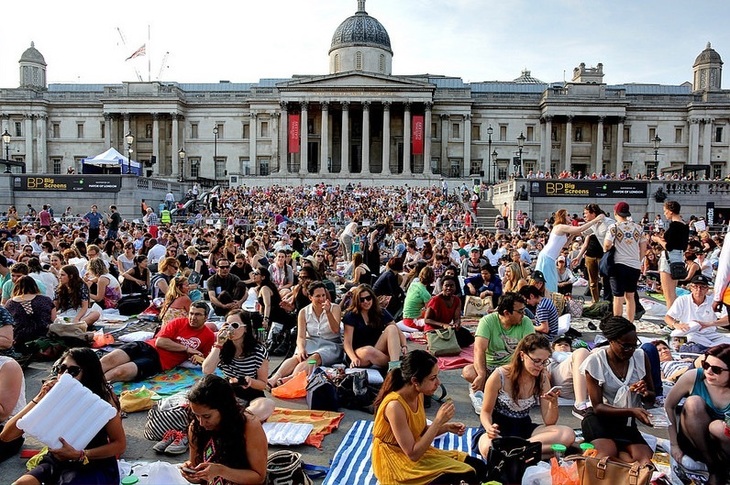
You no longer have to go to the Royal Opera House building to enjoy a performance there.

bpbigscreen

In recent times, the companies have been opening up the Royal Opera and Ballet shows through various innovative means.
You can now witness shows from the Royal Opera House in cinemas, on TV and via radio broadcasts, as well as on YouTube and through the BP Big Screens.

Как начать говорить по-английски: 14 рекомендаций для «молчунов»

1. Учим новые слова

Очевидно, что чем больше слов вы знаете, тем больше разговорных тем вам доступно, тем точнее вы можете выразить свои мысли. Поэтому, увлекшись разговорной практикой, не забывайте о пополнении своего словарного запаса.О том, как это сделать, мы написали в статье «Как учить английские слова быстро и легко»

2. Изучаем синонимы и антонимы

Чтобы ваша речь была богатой и красивой, во время изучения нового слова посмотрите в словарь, где указаны его синонимы и антонимы, например Merriam-Webster. Группы синонимов запоминаются легче, чем отдельные не связанные по смыслу слова. Так вы разнообразите свою речь и увеличите словарный запас.

3. Учим фразы

Если спросить современных полиглотов, как научиться говорить на английском языке быстро, многие из них ответят одинаково: «Учите фразы-клише, речевые конструкции и фразовые глаголы». Такие выражения, как Let’s talk briefly about… (Давайте поговорим кратко о…), I am tempted to think that… (Я склонен думать, что…), I’ve got an impression that… (У меня впечатление, что…) помогут вам начать разговор грамотно и красиво.

4. Активизируем словарный запас

Активный запас — те слова, которые вы используете в речи или на письме, пассивный — узнаете в чужой речи или при чтении, но сами не используете. Чем больше ваш активный словарный запас, тем больше у вас способов самовыражения, тем больше вы можете сказать. Работайте над его расширением: учите новые слова и «активируйте», привносите их в свою речь. В статье «Как активировать пассивный словарный запас английского языка» мы рассказали, как превратить пассивный запас в активный.

5. Используем специальный учебник

Книги для развития устной речи — хорошее подспорье для каждого изучающего английский. Они дают вам темы для разговора, интересные идеи и выражения, а также новые фразы, которые можно удачно использовать в любой беседе. Чтобы выбрать себе подходящую книгу, ознакомьтесь с нашим обзором «6 хороших пособий по развитию навыка говорения на английском языке».

6. Совершенствуем произношение

Работайте над произношением: если вы путаете звуки или произносите их нечетко, вероятность того, что вас поймут, значительно снижается. Хотите говорить правильно? Значит, подражайте речи тех людей, которые говорят правильно. Можете подражать своему преподавателю английского, диктору BBС, любимому актеру или англоязычному другу, если таковые имеются. Когда научитесь четко произносить звуки, у вас пройдет страх быть непонятым, и вы не будете испытывать смущение от своего акцента.Еще больше советов мы написали в статье «Как улучшить произношение на английском языке».

7. Слушаем обучающие подкасты

Вся прелесть обучающих аудиозаписей в том, что вы можете фактически без всяких усилий освоить несколько полезных разговорных фраз. Достаточно установить себе на смартфон приложение с подкастами для изучающих английский язык, периодически скачивать их на устройство. Слушать вы их можете по дороге на работу, во время обеденного перерыва, в поездке, во время шопинга и т. д. Советуем прослушивать одну и ту же запись по несколько раз, а если есть возможность, то и повторять за диктором. Этот простой прием позволит вам изучить фразы из настоящего «живого» английского языка, к тому же улучшит ваш навык аудирования. Много подкастов самой разнообразной тематики можно найти на сайте eslpod.com. Ранее материалы сайта были бесплатными, на данный момент для пользования подкастами сайта необходимо приобрести платный аккаунт. Узнайте, как учить английский язык по подкастам и применяйте советы на практике.

8. Смотрим видеоролики

Как быстро научиться говорить по-английски при помощи видео? Работайте с роликами примерно таким же образом, что и с подкастами. Смотрите видео интересующей вас тематики, слушайте, КАК и ЧТО говорят носители языка, и повторяйте за ними. Это полезно еще и тем, что вы не только овладеете разговорными фразами, но и сможете научиться правильной артикуляции, подражая героям роликов. Много роликов для людей с различными уровнями владения языком можно посмотреть на ресурсах: engvid.com, newsinlevels.com, englishcentral.com.

9. Поем песни

Любимые песни на английском языке могут помочь вам в совершенствовании навыка говорения. Найдите текст песни и включите любимый хит. Слушайте исполнителя и повторяйте текст за ним. Постарайтесь успеть за темпом речи певца и в то же время произносить слова максимально четко. Такое нехитрое упражнение поможет вам ускорить темп речи и немного отвлечься от выполнения грамматических упражнений.

10. Читаем вслух

Чтение вслух работает аналогично прослушиванию видео и аудио, только теперь вы самостоятельно читаете текст. В результате запоминаются новые слова и фразы. В статье «Как улучшить разговорный английский: 10 упражнений для тех, кто любит читать» мы предложили 10 увлекательных и необременительных упражнений для развития разговорной речи во время чтения книг. Рекомендуем воспользоваться предложенными приемами, они будут особенно полезны тем, кто грызет гранит науки самостоятельно и не знает, как научиться свободно разговаривать на английском языке без преподавателя.

11. Говорим как можно чаще

Чем больше вы будете общаться на английском языке, тем скорее достигнете беглости речи. А чтобы вам легко было найти собеседника, мы написали статью «Где можно поговорить на английском языке». Из нее вы узнаете, как просто найти себе друга среди носителей языка.

12. Записываем свой голос

Выберите какую-нибудь общеразговорную тему, например рассказ о вашей любимой книге. Включите диктофон и запишите свой голос. После этого включите запись и внимательно прослушайте ее. Обратите внимание, в каких случаях у вас возникает заминка, где вы затягиваете паузу, насколько быстрая у вас речь, хорошее произношение и правильное интонирование. Обычно первые записи для изучающих английский — испытание не для слабонервных: во-первых, мы не привыкли слышать себя со стороны, во-вторых, англоязычная речь на первых ступенях обучения звучит странно и непонятно. Мы рекомендуем вам взять себя в руки (все с этого начинали) и продолжить подобные занятия. А через месяц-другой сравните первую и последние записи: разница будет разительная, и это воодушевит вас на дальнейшие подвиге в изучении английского языка.

13. Находим себе партнера

Если вы склонны постоянно менять виды деятельности, возможно, вы относитесь к так называемым сканерам, подробно о них мы рассказали в статье «Как учить английский язык сканеру и дайверу». В таком случае вам нужен тот, кто будет поддерживать стремление учить английский язык. Попробуйте найти себе друга, который будет ходить с вами на курсы, заниматься разговорным английским языком и всячески мотивировать к продолжению обучения.

14. Не теоретизируем

Научитесь получать настоящую радость от общения на английском языке.
Практика, практика и только практика разговорной речи принесет желаемые плоды. Одной теории будет недостаточно: сколько бы вы ни читали полезных советов о том, как начать говорить по-английски, язык не дастся вам, пока вы не начнете применять все советы на практике.
Сегодня вы получили руководство к действию о том, как научиться говорить по-английски. Мы надеемся, вы не только внимательно прочтете наши советы, но и станете применять их на практике. Если вы хотите, чтобы грамотный наставник помог вам «разговориться», можете записаться на курс «Английский разговорный по Скайпу». Советуем также почитать статью «Вы заговорите по-английски: как этому учат в нашей онлайн-школе», чтобы узнать, как обучают говорению наши учителя.

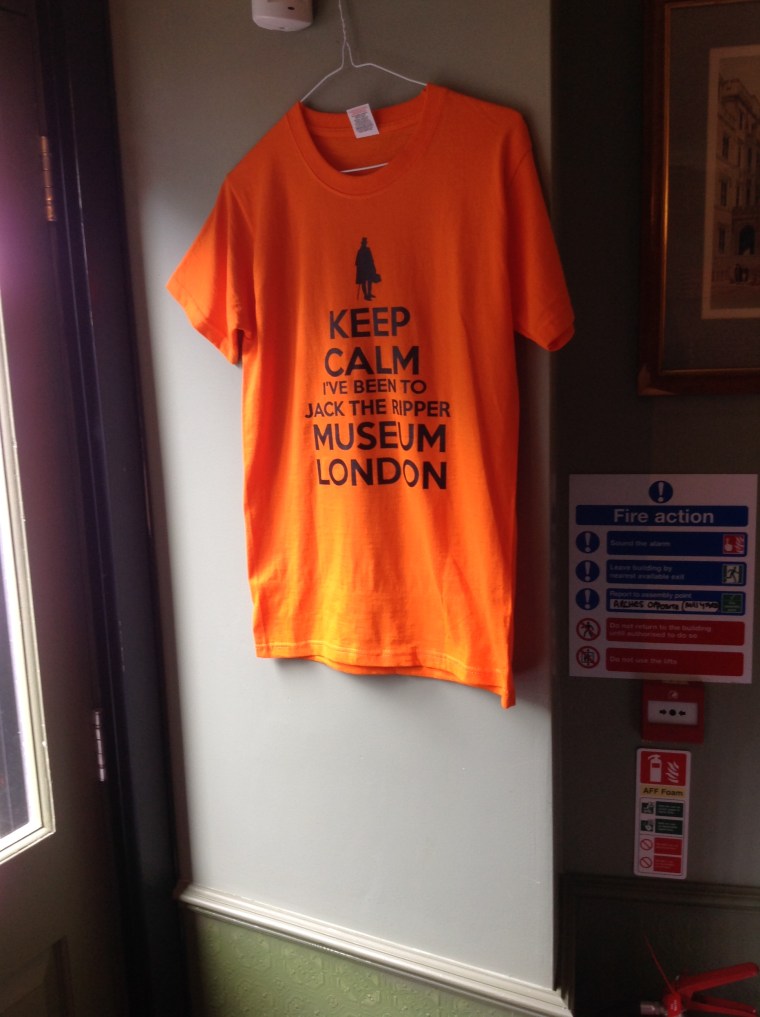
Jack the Ripper Museum

In 1888, Jack the Ripper committed a series of murders in the east end of London that shocked the world. The killings spawned hundreds of theories, books and films, each trying to solve the crimes which, to this day, remain a mystery.

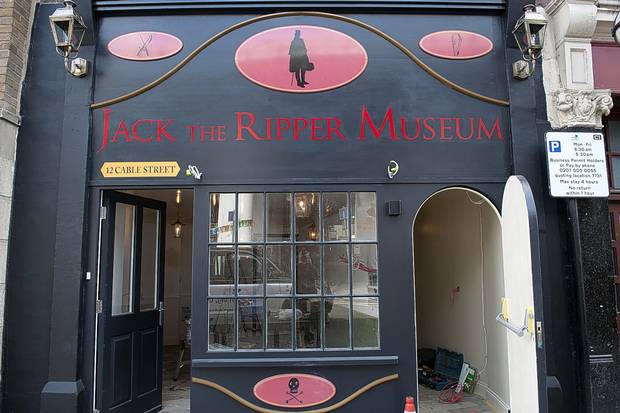
Jack the Ripper Museum, situated in a historic Victorian house in the heart of Whitechapel, tells the full story of the Jack the Ripper murders. Step back in time to the London of 1888, the greatest city in the world, where the greatest unsolved crimes of all time took place.

As you explore the museum, you will discover everything there is to know about the lives of the victims, the main suspects in the murders, the police investigation and the daily life of those living in the east end of London in 1888. Once you have all the clues, will you be able to solve the mystery of Jack the Ripper?

As you make your way up the stairs, you’ll see details of each murder recorded on the walls. The victims’ names, ages and murder locations are shown, along with newspaper reports and illustrations of the crimes.

jacktheripper

FIRST FLOOR

Mitre Square — 30 September 1888
The most notorious day in Ripper history

In front of you are two waxwork figures. One is of Catherine Eddowes, the second woman to die on 30th September and the other is of Police Constable Watkins, who discovered her dead body. You will see a worker’s cart under the street light. Carts like this were used to move the bodies of the murdered women to the morgue. One of the morgues used to store Jack the Ripper’s victims was only a few streets away from where you stand now. On the wall, you can see a replica of original graffiti that was left at the murder scene.

SECOND FLOOR

Ripper’s Sitting Room
Here we see how Jack might have lived and where he planned his crimes.

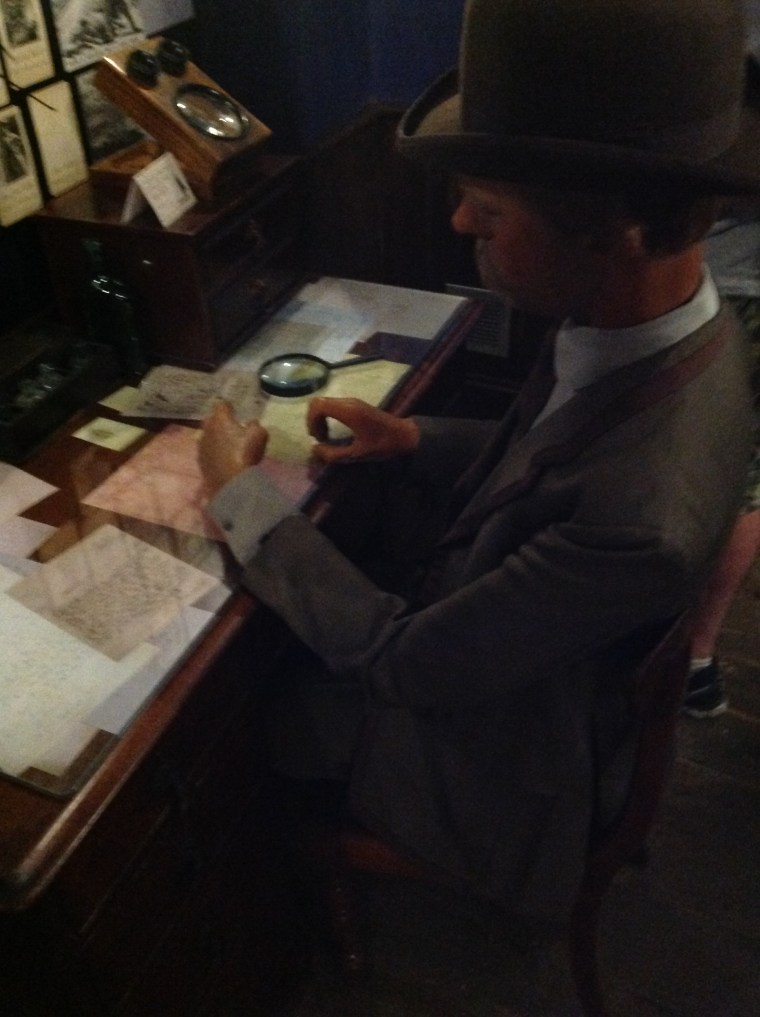
Read newspaper clippings written in 1888 which chart the progress of the serial killer’s hideous crimes. Hanging over the fire you can view an original drawing by Jack the Ripper prime suspect, Walter Sickert. Is she sleeping? Or is there something more sinister going on?

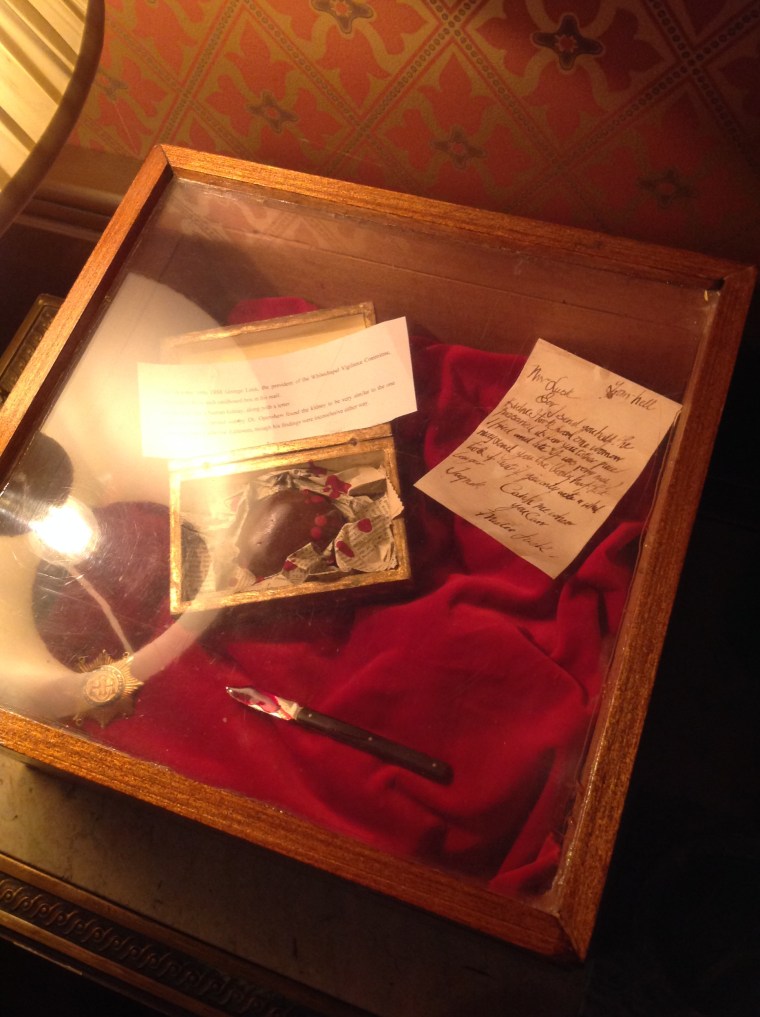
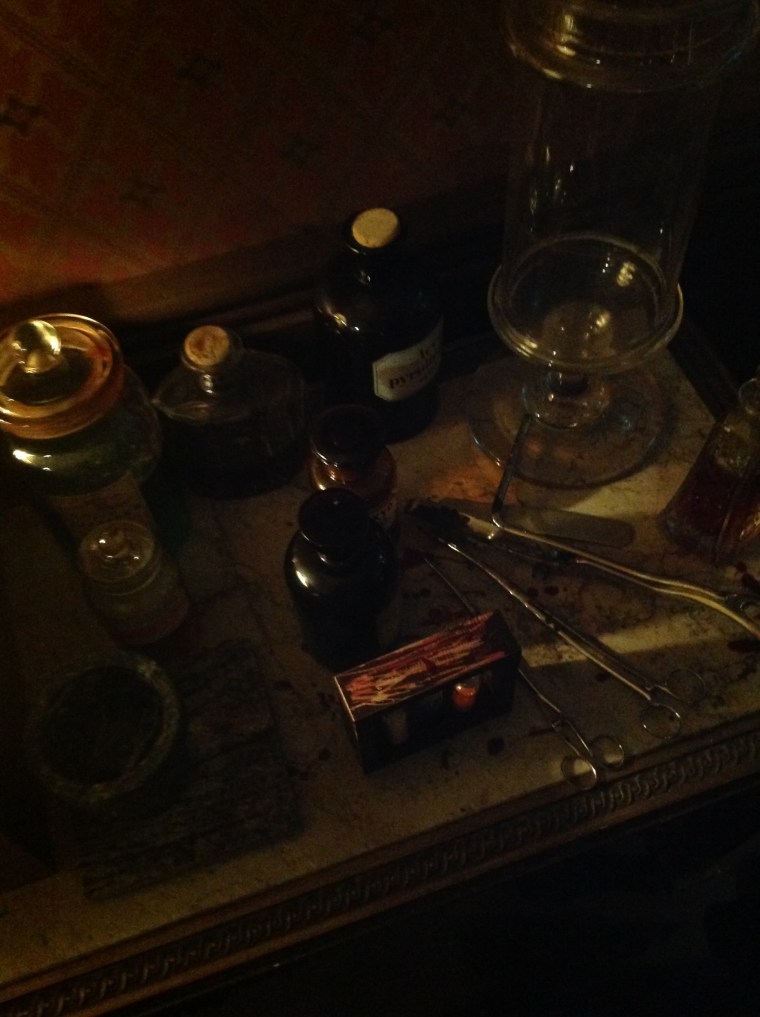
On the table, you will find medical instruments, poison, drug bottles and a skull belonging to the killer. At the desk, medical books on surgery and dissection are displayed, along with a letter addressed “From Hell”, which may have been written by Jack. A doctor’s bag, which contains knives similar to those used to kill and mutilate the Ripper’s victims is on the floor by the desk.

THIRD FLOOR

Police Station
Here you will find all the evidence and profiles of the suspects.

A crime board shows the sites of the murders and the evidence the police collected. In the display case is the actual whistle Police Constable Watkins blew to call for help when he found Catherine Eddowes mutilated body in Mitre Square. Also see Police Constable Watkins’ notebook, handcuffs and truncheon he was carrying that day – one of the rarest Ripperologists collections of recent times. By the desk is a waxwork of Chief Inspector Abberline, the detective in charge of leading the hunt for the Ripper in 1888.

FOURTH FLOOR

Victim’s Bedroom
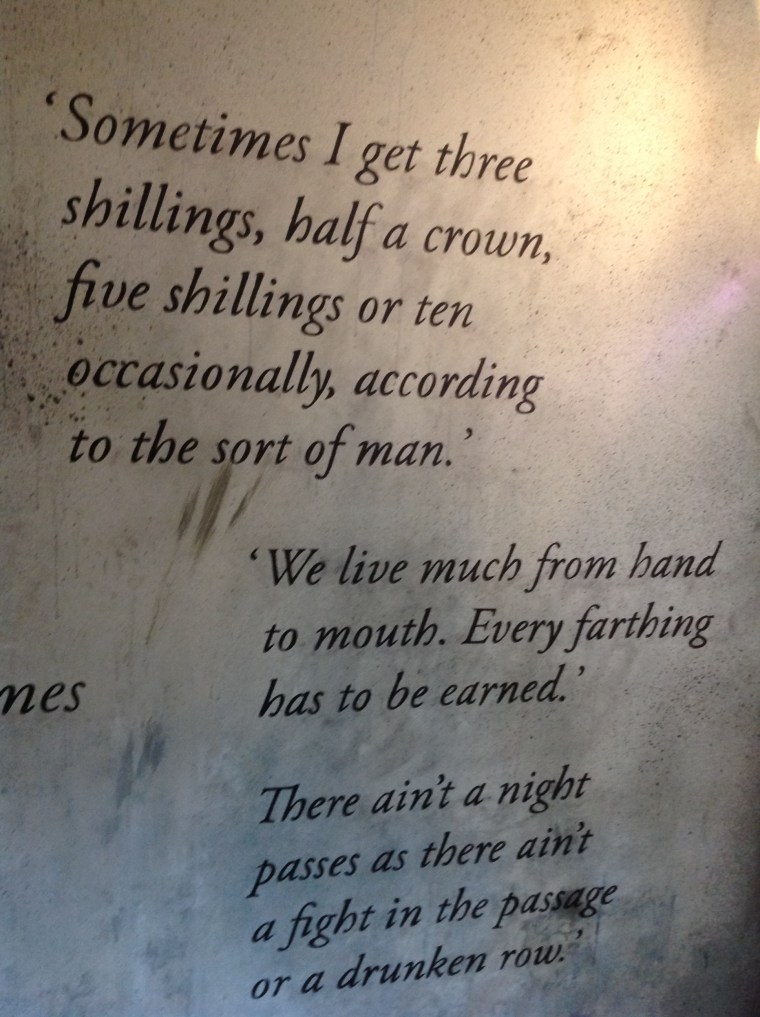
Some women in the 1800’s lived in dreadful conditions

Jack the Ripper’s victims would have lived in rooms just like this one, in one of London’s most poverty-stricken areas.

A tiny metal bed with a straw mattress was all the comfort these women would have enjoyed.

Gin was often the drink of choice, with a bottle costing a few pence. Rare photos of the victims can be seen on the wall.

In the display case are original Victorian bonnets. These would have been worn by women to cover their hair, which would have rarely been washed.

BASEMENT

The Mortuary
The violence of Jack the Ripper’s crimes still shock us today

On the walls you will see original autopsy photos of the horrific murders which some viewers may find disturbing – please view these with discretion and respect for the victims.

The body of Elizabeth Stride was taken to the parish mortuary of St George-in-the-East. The building, moments from where you stand now, was once a chapel. On the far wall is a Victorian stained glass window from the mortuary. Next to the stained glass window are drawers that were used to store the bodies of the dead until they were collected for burial.

Some of the murdered women had no families to collect their remains. They were buried in mass paupers’ graves, their last resting place left unmarked.

SO MUCH TO EXPLORE

Shop & Information Centre
We may have started you think.. Who was the Ripper?

Our shop has books, DVD’s and information to help you, further explore, the history of the time, the area where the victims lived and the clues that he left.

Ask our knowledgeable staff how you can continue to explore the stories from the 1800’s.

imageimage (4)image (3)image (2)image (1)

Vintage Stores & Charity Treasures of London

Charity shopping isn’t just a trend. In fact, the first charity shop to open in the United Kingdom was an Oxfam store, in February 1948. Countless Red Cross charity shops had launched prior to this throughout the war years in an attempt to raise money for the overseas effort, but this was the first commercialised thrift store. Since then this concept has taken the nation by storm, with fast fashion, sustainable living, recycling and eco-fashion ensuring that it has a prominent place in British society.

The sheer amount of charity shops in London is astonishing, which makes finding that ‘unique jaw-dropping look’ quite a strenuous task. Wherever you tread, shops line the streets and tourists on holiday and Londoners on their lunch break do their best to bag the best of the city’s bargains. Hard-core shoppers sift through countless articles of clothing before they get close to the good stuff, making it a very fast-paced shopping environment. This post unearths the very best of London’s esteemed vintage and charity stores. Forget about trudging through the long lost riches of London – find out the best spots to shop right here!

1. First place.
North:
— Lost N’ Found
— Camden Stables Market, NW1
— Nearest station: Camden Town (Northern Line)

Fans of 1950s Americana fashion wear are bound to fall in love with this delightful two-floor den. Located within the famous Camden market, this is arguably the best stocked vintage shop of North London. Featured by a handful of distinguished publishers, including TimeOut, the best thing about this shop is the extensive range of timeless wedding outfits that are up for grabs. Collections are comprised of lace, tulle, satin and feather, which are all sure to get the necessary levels of attention on the big day!

Martin.1-560x373

2. Second place.
East:
— Blitz
— 55 – 59 Hanbury Street (just off Brick Lane)
— Nearest station: Shoreditch High Street (London Overground)

This is the very first vintage department store to come to London and opened very recently on August 5th. Spread across five rooms, this 9,000 sq. foot store boasts an impressive collection of stock for men and women from every decade and designer. Everything from clothing to books to records and bicycles can be purchased here and it’s the perfect place to come to kit a new crib as there’s loads of funky furniture here too from Broadway Market’s design merchants. An on-site café is also in the pipeline to ensure that customers can replenish and refuel during their shopping spree!

3.Third place.
South:
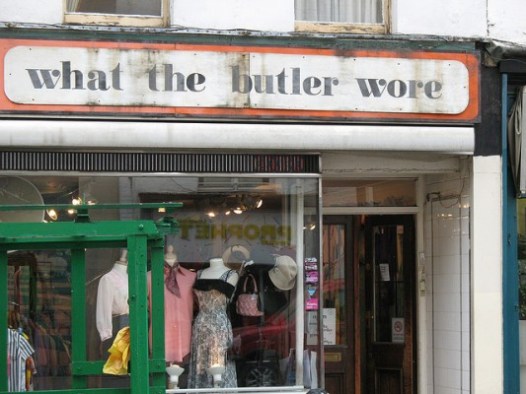
— What The Butler Wore
— 131 Lower Marsh, SE1
— Nearest Tube: Lambeth North

Thrift shopping wouldn’t be the same without the interesting characters you meet – owners, fellow fashion fanatics and those who contribute to create the magical environment. Once inside What The Butler Wore it’s all too easy to get distracted. Bridget Duffy, the shop owner, has a sparkling personality and is an absolute delight to spend an afternoon with. A very attentive and determined individual, she’ll go well out her way to ensure you make a grand discovery.

whatthebutlerworse-533x400

4.Fourth place.
West:
— Three Pound Shop
— 28 Pembridge Road, W11
— Nearest station: Notting Hill Gate (Central, Circle & District Lines)

This bargain branch is a great place to come for those in need of some cheap threads. Most of the goodies on display here are (unsurprisingly) three pounds, but there are also a few items a little bit above and below the threshold. Expect to trawl through lots of clobber before setting your eyes on that desirable garment. Patience is an absolute virtue here too, which comes both highly recommended and rewarded. There’s usually an array of cheap summer holiday deals – just be sure to make a visit before the end of the season.