Ten Interesting Facts and Figures about Hamleys – The Oldest Toy Store in the World

DSC05673-600x400.jpg

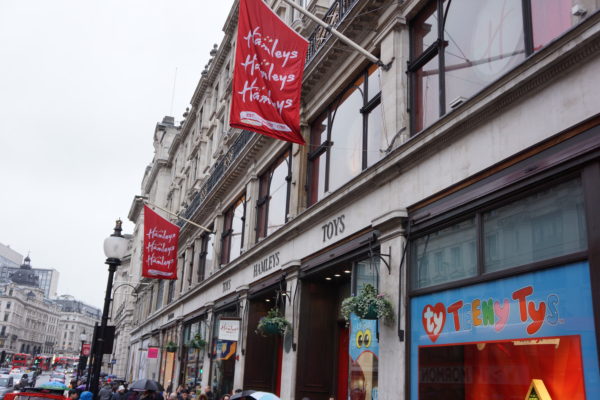
Hamleys is one of the premier toy stores not only in London, but in the world.  Proudly located on Regent Street, it is both the oldest toy shop in the world and the largest one in London.  There are plenty of great large retail stores in the city, Harrods, Fortnum & Mason, Liberty, Selfridges, and more, but none quite like Hamleys.  Its history and renown is such that the store brings as many tourists to it as some of the city’s monuments.  Whether you’re going for yourself or your kids, here are some interesting facts to enjoy while you browse Hamleys seven floors.

Oldest in the World

As mentioned, Hamleys is, in fact, the oldest toy store in the world.  William Hamley formed the store as “Noah’s Ark” in 1760 and carried everything from rag dolls to tin soldiers.  By 1837, it was already a London landmark and, then owned by Hamleys grandsons, saw even Queen Victoria as a patron.  The current store opened in 1881 and soon went from only two floors to a total of seven.  In addition to stores in Glasgow, Cardiff, and Manchester, Hamleys has stores all over the world including Russia, Abu Dhabi, South Africa, Mexico, and even the United States.

Temporarily Closed

As the world faced the Great Depression, Hamleys was hard hit as well and closed in 1931.  Walter Lines then bought the store and worked hard to re-open it and bring back customers.  Groupe Lendendo currently owns the chain, though it was rumoured that it was planning to sell to a Hong Kong based corporation in October 2015.

Mascots

Hamleys has a pair of mascots, giant bears named Hamley and Hattie.

Building a New Bus Stop

LEGOBUSSTOP2-600x400

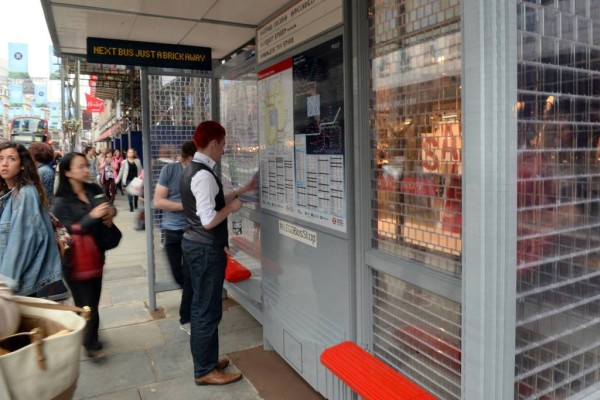
2014 was London’s Year of the Bus and Hamleys decided to celebrate in its own unique fashion.  The store constructed a bus stop on Regent Street made entirely out of LEGO bricks.  Over 100,000 bricks were used to construct the stop that was part of Transport for London’s celebration of the Routemaster bus.  It took fourteen days for Duncan Titmarsh, at the time the UK’s only certified LEGO Professional, to construct the stop. More than just a display piece, the LEGO bus stop actually served nine routes and remained in operation from 19 June to 15 July, 2014.

Bombs Can’t Stop Them

Hamleys was hit no fewer than five times by German bombs during the London Blitz, but the store remained open for business.  Staff wore tin hats and served customers out of the front door, rushing in to get the toys and making the exchange back at the front.

London__Westminster_-_Hamleys_Toy_Shop_-_geograph.org_.uk_-_1739065-533x400

Royally Warranted

Hamleys has been granted Royal Warrants twice.  Despite the patronage of Queen Victoria, the store would not receive its first Royal Warrant until Queen Mary issued it in 1938.  Queen Elizabeth would follow with another in 1955.

The Benefits

Hamleys employees, even the sales associates, get some pretty sweet deals for working in the shop.  Besides the typical discount on merchandise, employees get their birthday off, can receive an interest-free travel loan, and even a contributory pension plan.  It certainly must be appealing as the main store has 335 staff members.

Different Toys for Different Floors

Each of Hamleys seven different floors is stocked with different kinds of toys.  The ground floor is almost exclusively reserved for stuffed animals and you can find everything from the traditional teddy bear to exotic animals and near life-sized giraffes and elephants.  Interactive toys are in the basement, games on the first floor, preschool toys on the second, girls’ toys on the third, hobbies on the fourth, and boys’ toys on the fifth.  The store stocks 450,000 toys of over 10,000 varieties.

Green with Envy

Plenty of stores would love to be in business for over 255 years.  To celebrate the 250th anniversary, the store threw a massive VIP party and unveiled a Green Plaque.  The Westminster City Council bestows its Green Plaques on buildings where famous individuals lived and worked.  They are green to set themselves apart from the Blue Plaque Scheme present in other parts of Greater London.  The plaque is dedicated to William Hamley and was unveiled in February 2010.

Everyone Comes to Hamleys

The store on Regents Street gets over 5 million visitors per year.

This Is The Narrowest Street In London

crawfordpl_streetview

Fan of small spaces? Deep breath — we reckon we’ve found the three narrowest passages in London.

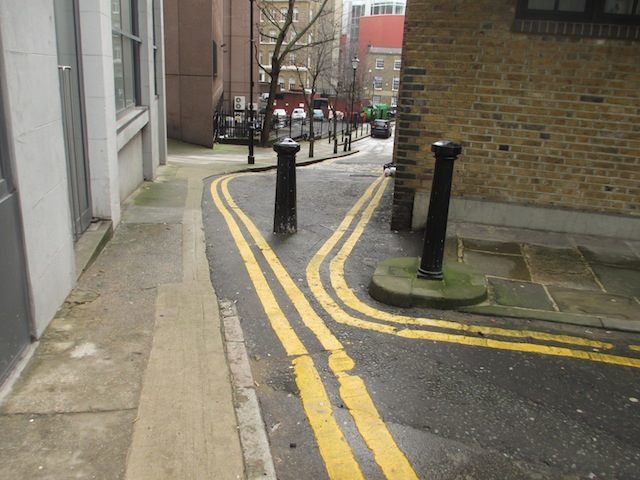
This is Crawford Passage, a super-narrow oddity that runs parallel to Farringdon Road in Clerkenwell.

doubleyellers

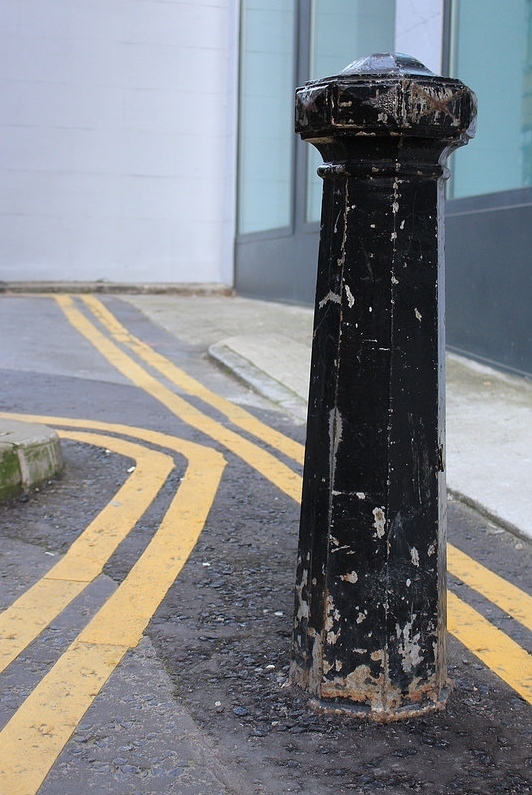
And of course, someone’s gone and slathered it with yellow lines.

At its narrowest point, the distance between all those yellow lines is just 5cm.

crawfordplace

5cm! Ladies and gents, we have a winner.

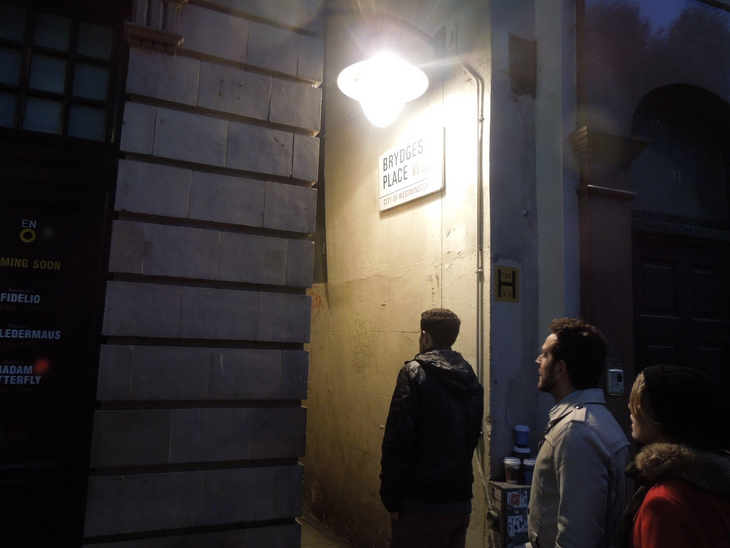
So don’t let anyone try to tell you that Brydges Place is London’s narrowest thoroughfare.

16060509120_26b09a8044_k

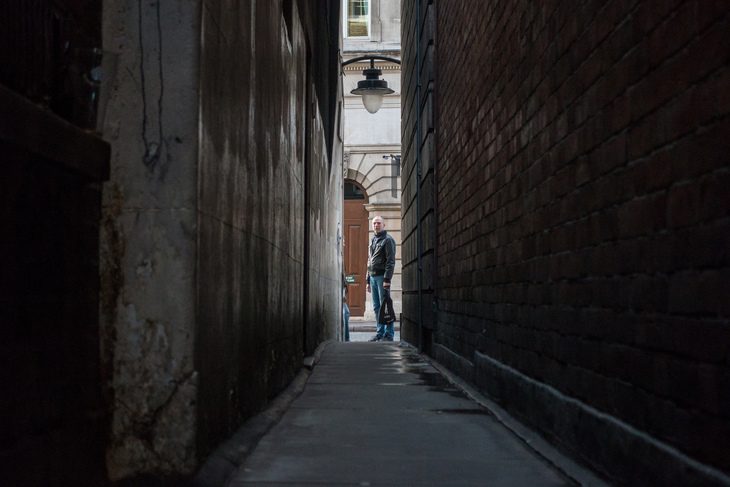
At 38cm (15in), Brydges Place is certainly London’s tightest alleyway, funnelling you between St Martin’s Lane (next to the London Coliseum) and Bedfordbury.

It makes an excellent Scooby Doo-style short cut for savvy Londoners when that particular piece of the West End is besieged with theatre-going tourists blocking your way.

10297150993_84ad8fd8c6_k

If you love a narrow passage, we also recommend checking out Emerald Court, the tiny alley that runs between Theobald’s Road in WC1 and Rugby Street.

Disappointingly, Emerald Court doesn’t have any Ozian connections, but you may find your imagination wandering about wonderful things as you squeeze through the mere 67cm (26.5in) at the alleyway’s narrowest point.

emeraldpassage

The Future Of London Transport… From 1988

screen_shot_2017-05-09_at_11-07-41.png

«By the year 2000, people may be driving along a tunnel on the bed of the Thames or on toll roads equipped with computers that automatically log the identity of the car and send out monthly bills to its owner.»

So predicted an article on the future of London’s transport, published in the 1 October 1988 edition of the Illustrated London News. We never got the subaquatic road, but number-plate recognition is a familiar part of 21st century driving, used in the Congestion Zone and Dartford Crossing, for example.

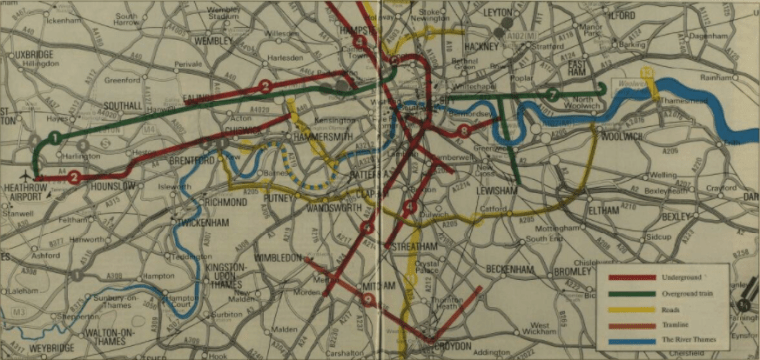
What else did the article predict? Which ideas were taken forward and which never saw the light of day? Let’s take a look at the 20 proposals mentioned in the article. Remember, these were written in 1988, looking ahead to the early 21st century.

1. A rail link between Heathrow and Paddington

Did it happen? Yes, but after a delay. The article suggests that the route could be open by 1993. Construction of the Heathrow Express, as it came to be called, only began in 1993. It finally opened in 1998, a decade after this article. The predicted journey time was 17 minutes — pretty close to the 15 minutes advertised by Heathrow Express today.

2. A new tube from Shepherd’s Bush to Turnham Green will divert Heathrow trains onto the Central line, while Central line trains from Ealing Broadway will be diverted onto the Bakerloo line

Did it happen? No. You can’t catch a Central line train to Heathrow, nor can you get the Bakerloo line to Ealing.

3. A motorway to run from Shepherd’s Bush to the river

Did it happen? No. The idea started off in the 1960s, when planners suggested an inner orbital motorway around London. Very little was actually built. One exception was a pathetic bit of motorway known as the M41, which connected the Westway and Shepherd’s Bush. It was only half a mile long. The next phase would have seen it extended down to the river, on carriageways that would have peeled either side of Olympia. The scheme — known bafflingly as the Western Environmental Improvement Route — would have been immensely destructive. At an estimated cost of £200 million, it would also have been Britain’s most expensive road. The plan was finally dropped in 1991. The existing bit of M41 was downgraded to an A-road in 2000, and is now the A3220 West Cross Route. A comically written background to the aborted motorway can be found here.

4. Split the Northern line in two, and extend it to Streatham or Peckham

Did it happen? No. Plans to disentangle the Northern line into two separate lines have been around for ages. It’s all due to the bottleneck at Camden Town. Remove this crossover, and train frequencies could be increased. At the time of the article, this decoupling was described as ‘almost certain to happen’. Not any time soon, it wasn’t.

TfL is still intent on unbolting the two at some point in the next decade — a plan that would need major reconfigurations at Camden Town and Kennington.

The bonus branch to Streatham or Peckham never got started. The estimated £250 million price tag was too much to stomach at the time. Ian Visits has a more detailed history of this proposal.

5. King’s Cross and St Pancras to become a hub of international travel

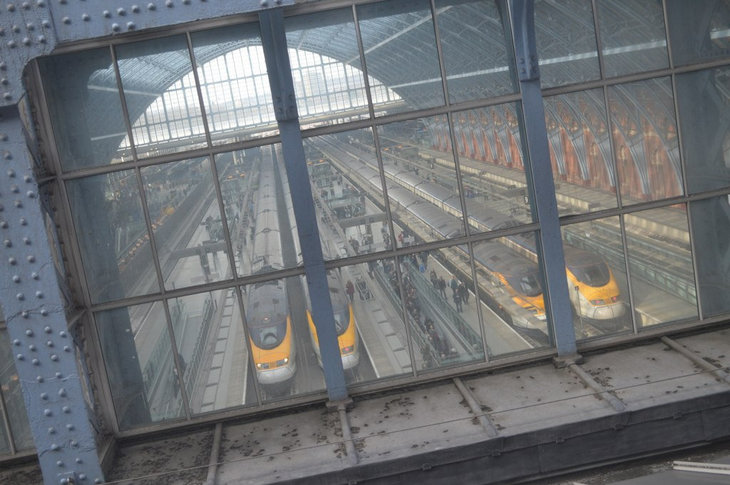
Did it happen? Kind of. Even in 1988, planners were keen to route the Channel Tunnel link through to these northern stations, after an initial period at Waterloo. That happened. The article also envisages Stansted airport trains shifting from Liverpool Street to King’s Cross, and also bringing trains here from Heathrow (Luton and Gatwick were already connected via the Thameslink). None of that happened.
16861427881_0251566d9b_b

6. Toll roads to link northern districts to King’s Cross

Did it happen? No. The roads to the north of London were a right old mess in the 1980s. One solution was to build a series of wider roads and charge for their use, like in the good old days of turnpikes. The scheme was never popular, and was soon dropped. Ken Livingstone’s Congestion Charge, introduced in 2003, was the nearest equivalent.

7. DLR extensions to Beckton and Lewisham

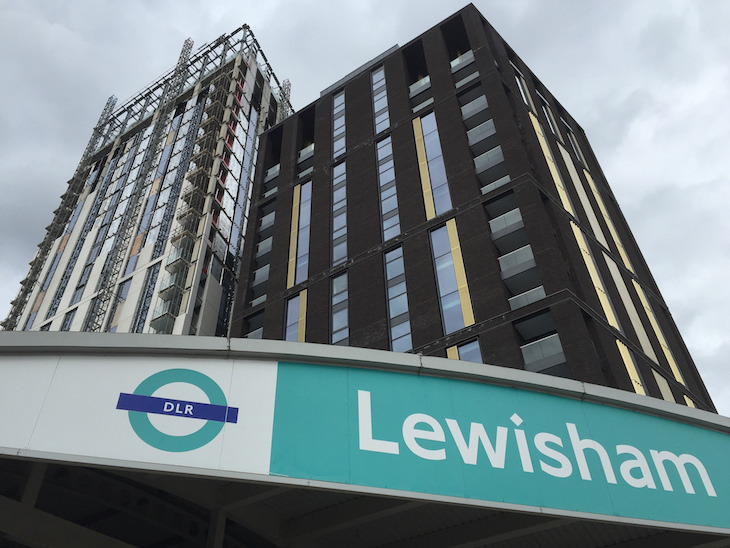
Did it happen? Yes! To boost development in the Royal Docks, better rail links were needed. They soon got built. The Beckton link opened in 1994 and the Lewisham extension arrived in 1999 (around the same time that the Jubilee line extension further boosted transport in this area).
26436500386_1e545eb02a_k

8. Bakerloo line extension to Canary Wharf

Did it happen? Sort of. The nascent business district of Canary Wharf urgently needed better transport links if it were to grow to its full potential. The DLR was a start, but had nowhere near enough capacity to meet future needs. Hence, lots of schemes were proposed to better hook the area into the transport network. One idea was to extend the Bakerloo line from Charing Cross through Southwark and Bermondsey to the Isle of Dogs. Eventually, though, the Jubilee line was selected for extension, taking a similar route (after earlier plans to run it north of the river in a ‘Fleet line’ were abandoned). The Jubilee extension opened in 1999.

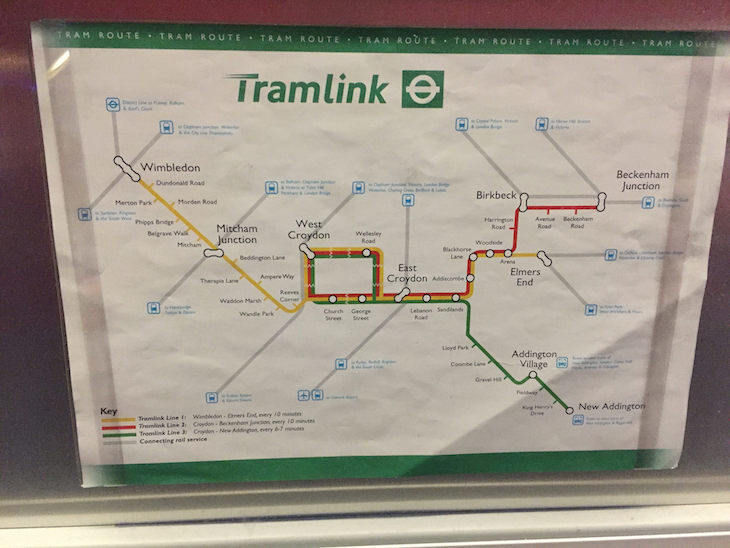
9. A new tram system linking Wimbledon, Croydon and Elmers End

Did it happen? Yes! The idea of a south London tram was still in the small-scale study stage at the time of the article. It was clearly a winner, making use of abandoned rail routes to cut down costs and disruption. The Croydon Tramlink Act was passed in 1994, and the network opened in 2000. It was the first tram system to operate in London for half a century, and has since been extended a number of times.
31162796386_8c44ea17ad_k

10. A toll road beneath the Thames from Chiswick to Chelsea

Did it happen? No. The proposal would have linked up the A4 at Hogarth Roundabout with Cheyne Walk in Chelsea, all via a tunnel beneath the River Thames. It seems like a daft idea — after all, a route following the sinuous Thames would be twice as long as tunnelling in a straight line between the two end points. Such a road would have been a huge and costly engineering challenge, and was never prioritised.

The notion of a sub-Thames tunnel has been taken forward by Thames Water, who are now constructing a super sewer beneath a much longer stretch of river.

11. Extend the M23 to the South Circular

Did it happen? No. The M23 is another runty little motorway — at least as far as the London section goes. It stretches just a mile inside the M25 before transmuting into the A23. It should have carried on as motorway as far north as Streatham. This phase was cancelled as too costly and disruptive.

12. Widen the South Circular

Did it happen? No. Had the M23 extension been built (see above), it would have fed into the southern section of Ringway 2, a diverted and widened version of the South Circular that would have served like an inner M25. The route would have carved a trench through vast swathes of residential suburbia, demolishing homes and businesses. Unsurprisingly, it proved a difficult sell. The plans fell out of favour in the 70s.

Still, something had to be done with the South Circular. It was not fit for purpose. Hence, plans to widen, bury or divert parts of it remained on the transport wishlist for many years to come. Little has ever been done, and the South Circular remains a bit shit.

13. An east London river crossing at Thamesmead

Did it happen? No. There have been many calls to span the Thames in east London over the decades. A bridge linking Thamesmead and Beckton is one of the more persistent options. The scheme mentioned in this article from 1988 was tentatively called the East London River Crossing, officially abbreviated to ELRIC by someone who must have been a Michael Moorcock fan. The scheme would have united the North and South Circulars and have been ready by 1994. It didn’t happen, but similar schemes have been revived on several occasions since. A crossing here remains an active proposal — though possibly now as a DLR extension. The only bridge crossing east of Tower Bridge is the QEII bridge at Dartford, outside London.


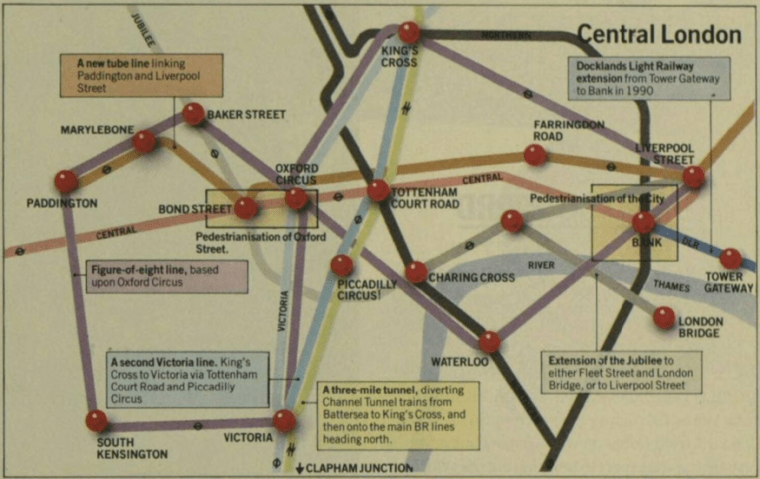
A second section of the article looks at transport in central London. Here are the proposals.
screen_shot_2017-05-09_at_16-11-08.png

14. Figure-of-eight tube line

Did it happen? No. Even in the 1980s, some of the busier tube stations could get dangerously overcrowded. One suggestion was to build an entirely new line in the shape of a figure-8, centred on Oxford Circus (shown in purple on the map above). It would act as a relief line for the existing central network. We would, no doubt, have called it the Bow Tie line.

15. Pedestrianise Oxford Street

Did it happen? Not yet. What at first seems like a simple, obvious idea is nothing of the sort. Buses, taxis and deliveries all need to be rerouted to make it so. The proposal from the 80s met stiff opposition from local interest groups. Pedestrianising Oxford Street has since wandered in and out of fashion, but has found new traction with the advent of Crossrail. Parts of the Square Mile were also tipped for pedestrianisation, particularly the frenetic junction around Bank. With a few minor exceptions, this has not come to pass.

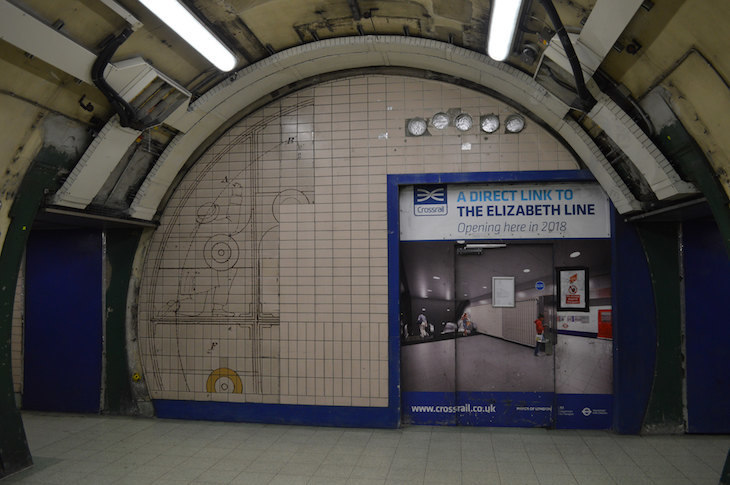
16. A new tube line linking Paddington and Liverpool Street

Did it happen? Yes! It’s called Crossrail, or the Elizabeth line if you must. The article goes into no detail about the scheme, save for its appearance on the graphic. The route was first proposed in 1974, based on even earlier suggestions, but momentum didn’t really get going until 1989, the year after the article.
33067400885_1cba72954d_k

17. A second Victoria line

Did it happen? No. The idea of running a north-south route that parallels the Victoria line is essentially what we now call Crossrail 2. Such a scheme has been talked about since the 1970s, and the route has long been safeguarded. 30 years after the article, this line remains unbuilt, although it now seems one of the more likely transport projects for the next decade.

18. A three-mile tunnel bringing Channel Tunnel trains to King’s Cross

Did it happen? Sort of. Channel Tunnel trains began operating out of Waterloo in 1994. St Pancras, next to King’s Cross, took over in 2007. The shift made use of the High Speed 1 line that loops under east London, rather than a tunnel from Battersea.

19. Extension of the Jubilee line to London Bridge/Liverpool St

Did it happen? Sort of. The route was indeed extended through London Bridge (and beyond) in 1999 via a tunnel beneath Southwark and Bermondsey. The scheme envisaged in the 1988 article would have seen it terminate at London Bridge after passing along Fleet Street, or else heading to Liverpool Street.

20. DLR extension to Bank

Did it happen? Yes! The Docklands Light Railway initially terminated only at Tower Gateway in the central area. A connection to Bank tube was underway at the time of the article’s publication. It opened in 1991, a year after the predicted date.


In summary: of the 20 schemes mentioned in the article, about half were completed, or partially so. That’s not a bad ratio, given that many were only pipe dreams at the time. We’re sad that the Bowtie line never got built, if only for the humorous pub crawls it might have inspired.

Some Of London’s Best Secret Gardens

garden1

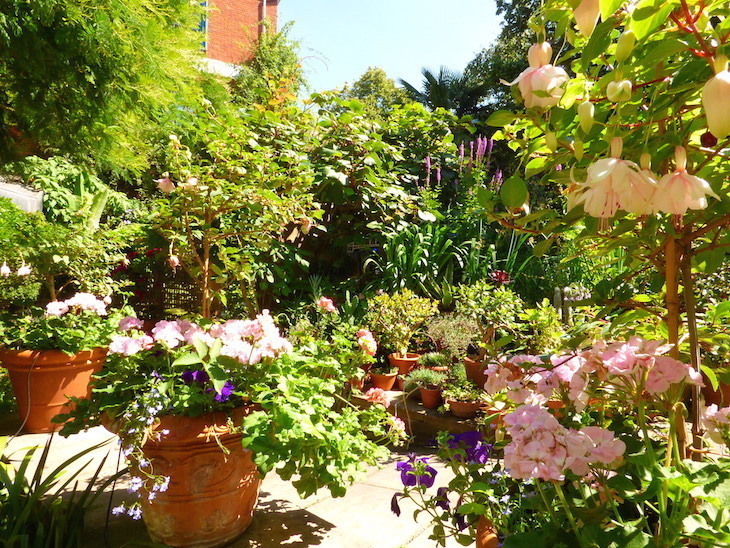
Sometimes you just want to get away from the madness of London and contemplate in peace for a while. That’s where London’s secret gardens come in. They’re green spaces, but often surprisingly close to the busiest parts of the city — ideal for grabbing a few minutes of respite before getting back to it.


The Rookery, Streatham

therookery

We make no secret of our love for The Rookery. Anyone who takes the time to climb the ambling hill of Streatham Common is rewarded with this lawned haven. Benches aplenty, pagodas and a trickling fountain are all present and correct. A mini waterfall completes the picture. The water features are all the more fitting due to the area’s past as a popular spa town.

Museum of Brands Café, Ladbroke Grove

pots2

Kiwis are being grown in London. Or at least they are in the summer, at the Museum Of Brands’ café garden. It’s worth visiting even if you’re not going to the museum — the brownies are a bonus. Packs a lot into a small space, this place.

Sexby Garden, Peckham

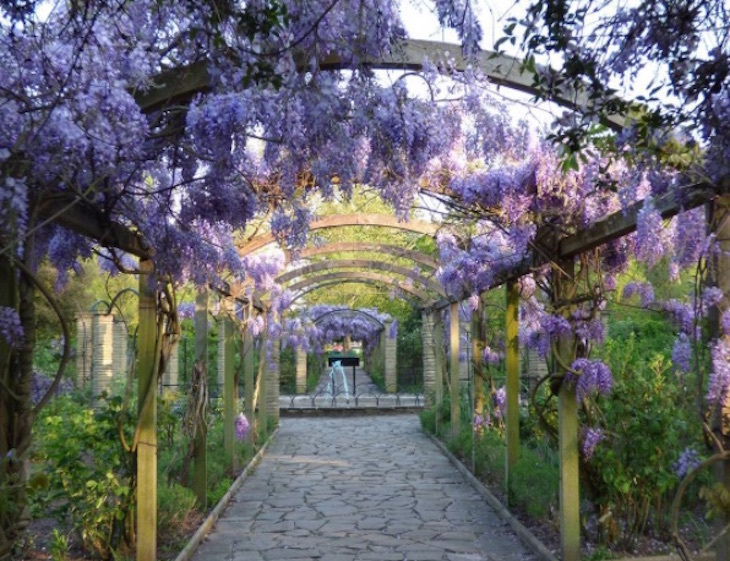
wisteria

A park within a park on a common, the Sexby Garden on Peckham Common is at its best when the wisteria is in bloom. The water in the fountain is an alarming shade of blue, but if you can overlook that, it’s a romantic corner of south east London.

SOAS Japanese Roof Garden, Russell Square

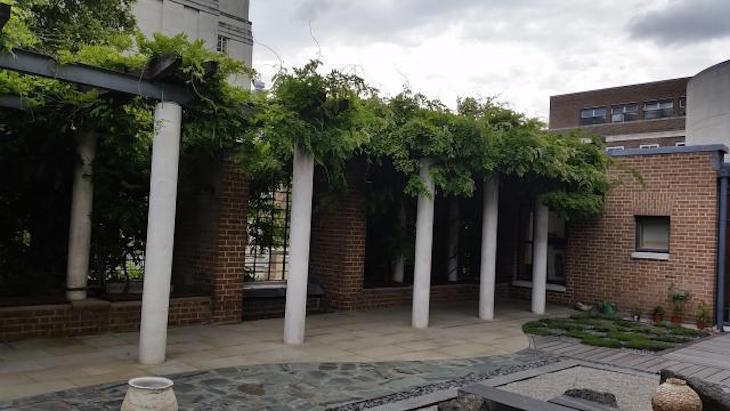
soas41

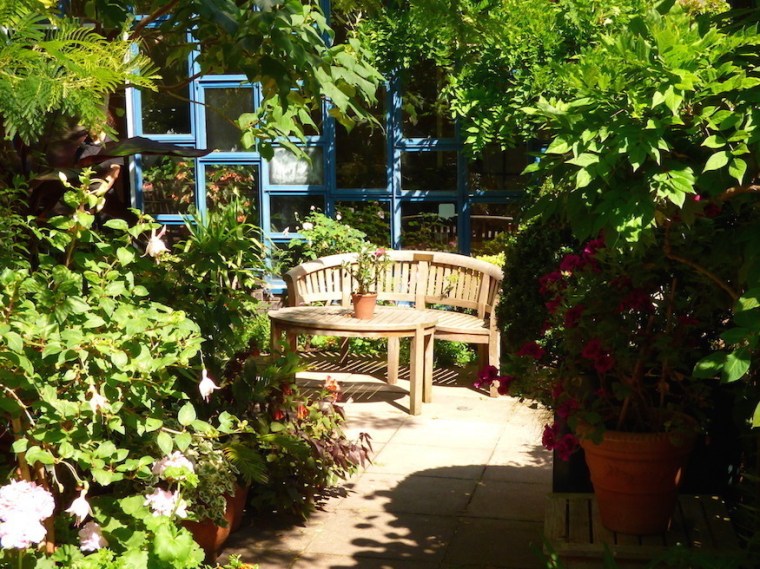
Tucked away on a roof off the western corner of Russell Square is a small, but perfectly formed, Japanese garden (above the Brunei Gallery at SOAS to be precise). It’s enclosed on all sides (though you can peek at — and be peeked at in return — by people in an office on one side), with a little raked gravel section and wisteria hanging above benches in spring. Yep, we like wisteria.

The Phoenix Garden, Covent Garden

phoenix5garden

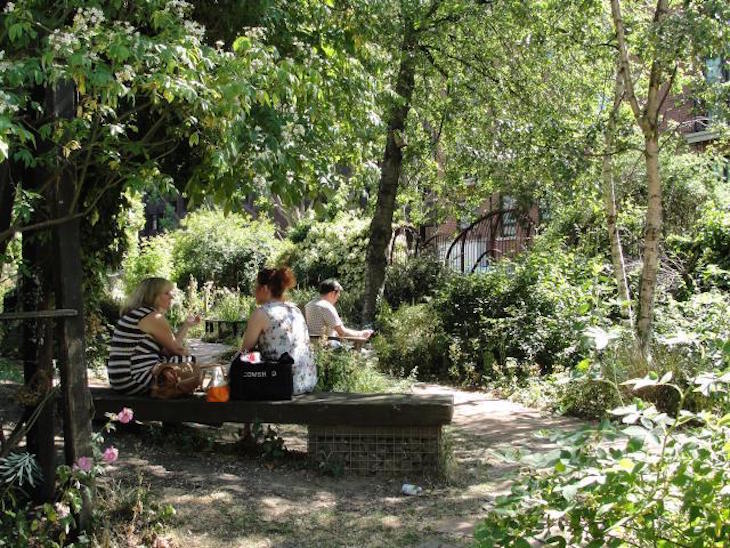
This little slice of greenery is not what you’d expect to find between Covent Garden and Tottenham Court Road, but there it is — bristling with roses, daisies, banana palms — and all manner of wildlife (it’s great for dragonflies in summer). It receives no council funding so relies on public donations to stay open. Keep an eye out for frogs too.

Ravenscourt Park Walled Garden, Hammersmith

4023157806_8731d5fbc8_b

Hammersmith has its own secret spot in the form of Ravenscourt Park Walled Garden, in the north-east of the park. It’s run by volunteers, so if you’re looking to get hands-on with a green-fingered project, this may be one for you.

St Dunstan In The East

stdunstaneast

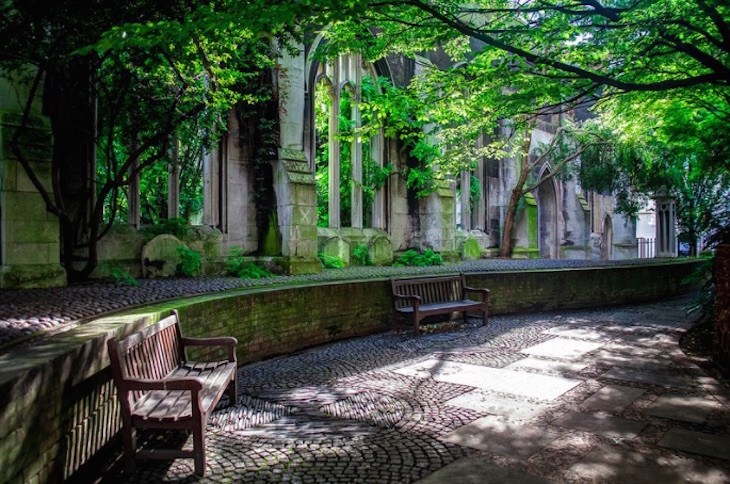
Not far from the river between Monument and the Tower of London is St Dunstan in the East, a bombed-out church in the City, now with garden benches. It can get busy with lunching City workers, but the rest of the time, it feels impressively secluded.
Christchurch Greyfriars

7184636360_11c24124c4_b

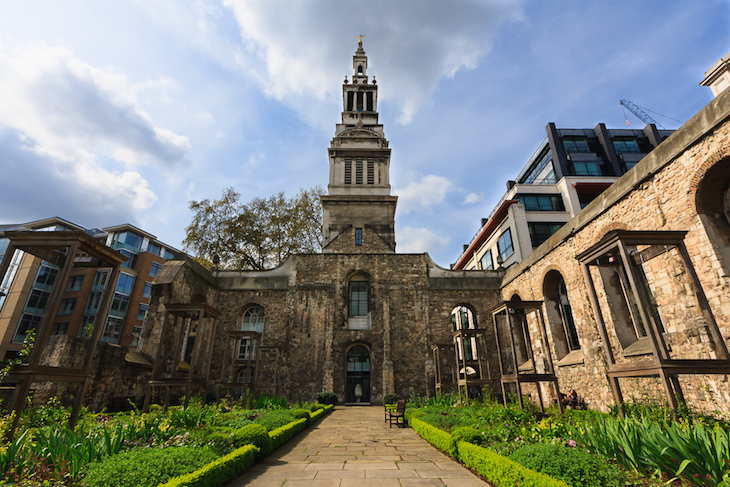
Not far from Postman’s Park is Christchurch Greyfriars Church Garden, overshadowed by the church tower. The church itself was destroyed in world war two, but wooden towers representing the pillars which once held up the roof are now adorned with climbing roses and clematis.

St John’s Lodge Gardens, Regent’s Park

stjohnlodgepark

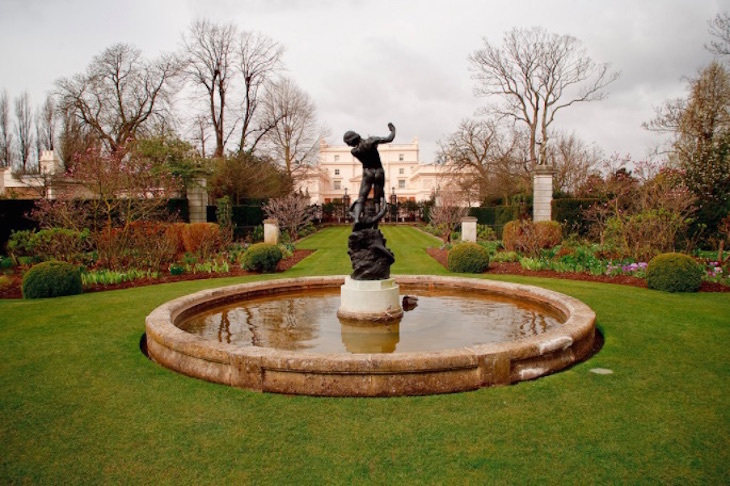
We found this one once, completely by accident, then struggled to find it again for years — most Regent’s Park visitors head for Queen Mary’s Rose Gardens instead. But when you do, persist and find St John’s Lodges Gardens.
The house (more of a posh 19th century villa really) was built in 1818. The gardens were designed as a series of compartments ornamented with sculpture and stonework, designed to be ‘fit for meditation’ by Robert Weir Shultz in 1889. Hopefully you’ll find peace here.

Rembrandt Gardens, Little Venice

paul

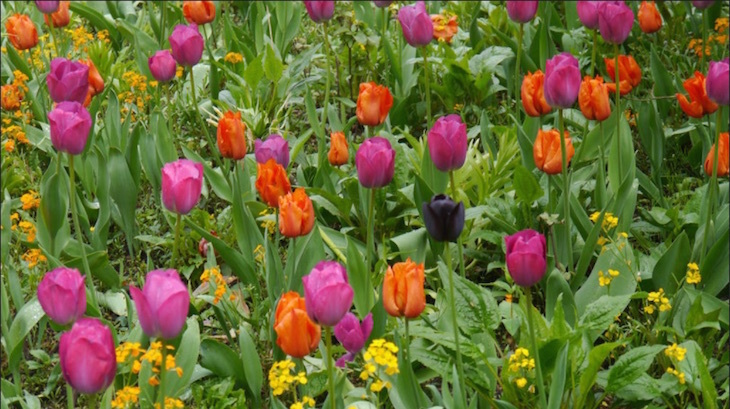
One for the boat lovers among you; Rembrandt Gardens overlook Little Venice in Paddington, where Regent’s Canal meets Grand Union Canal. Seats overlook the water, among lawns and tulip borders (a nod, we assume to the Dutch artist after which this place is named).

Gibbon’s Rent, London Bridge

dscf0666

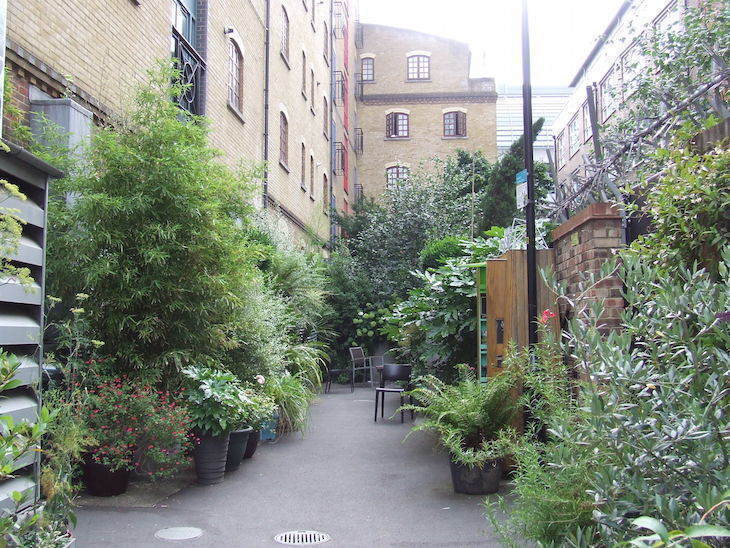
If you ever need somewhere quiet to sit down between the craziness of London Bridge station and Tooley Street, slip into Gibbon’s Rent. The Shard towering over you won’t allow you to forget that you’re in central London, but provided you don’t visit at a lunchtime in the summer, you should be able to bag yourself a seat… and even a book from the mini lending library.

Marococo, Belgravia

moroccan_garden

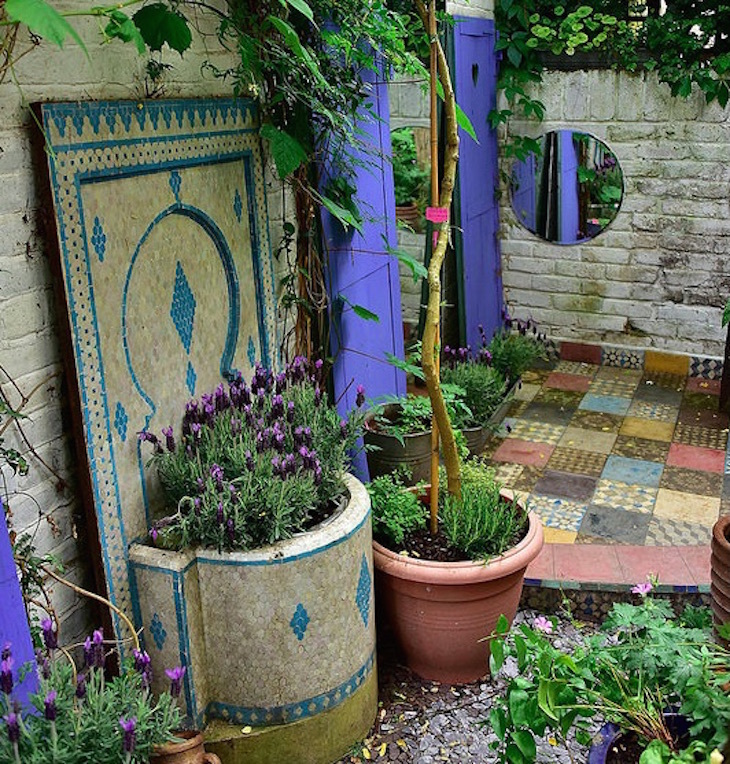
We’ve never been to this one, but heck are we intrigued by it. Behind the Belgravia branch of Rococo chocolatier is a Moroccan-style garden, cleverly named Marococo, with potted plants, Moroccan tiles, and a fountain. Lovely.

Postman’s Park, St Paul’s

fish

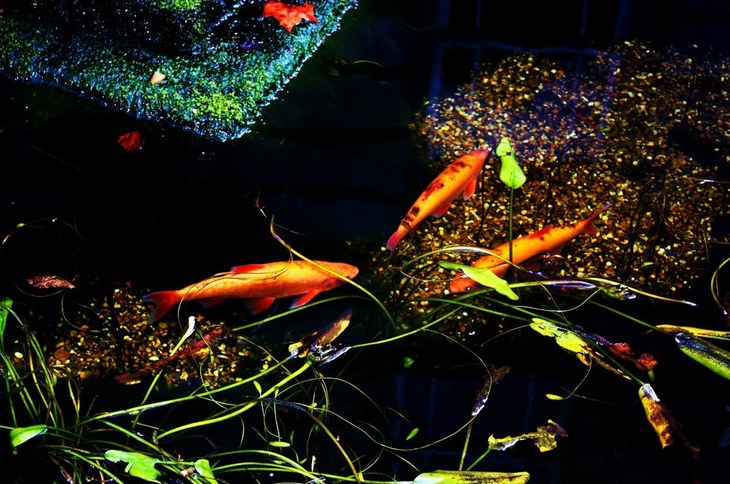
Another favourite lunch spot for nearby office workers, Postman’s Park is home to the Watts Memorial which celebrates ‘heroism in every-day life’. It’s also littered with benches for those looking for somewhere to tuck into their sarnies, as well as paved paths and flower beds. It’s also probably the least secret gardens on our list.

Hampstead Heath Pergola

5605420779_0a2fd467ef_b

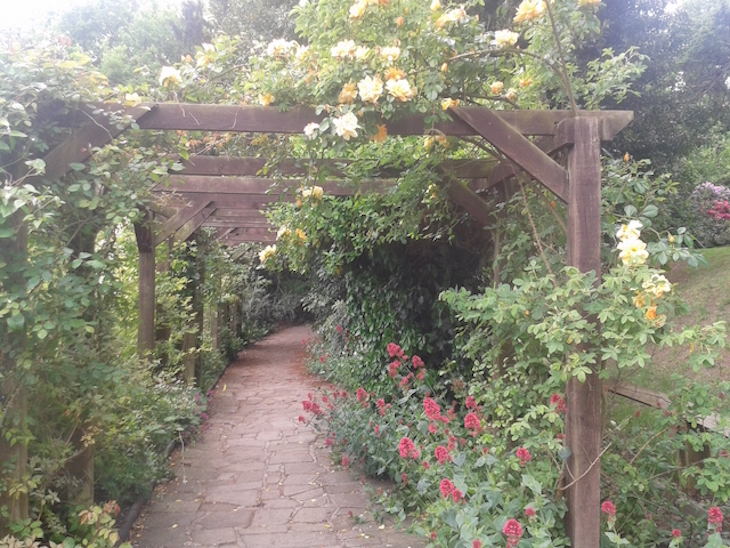
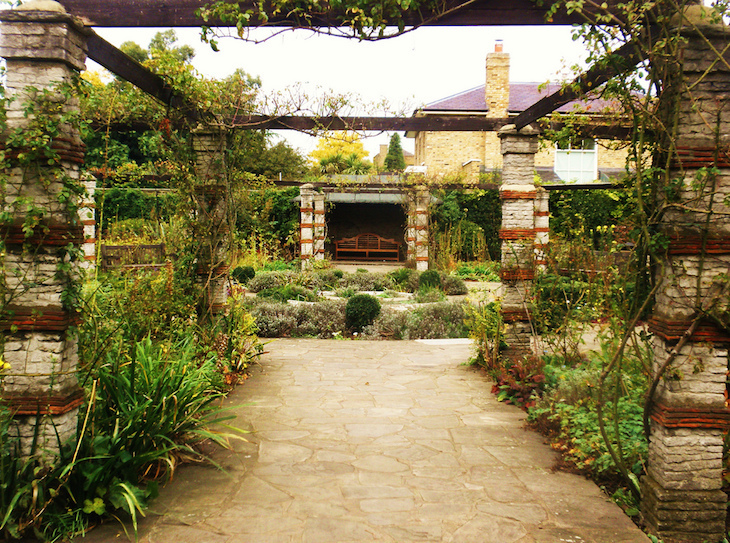
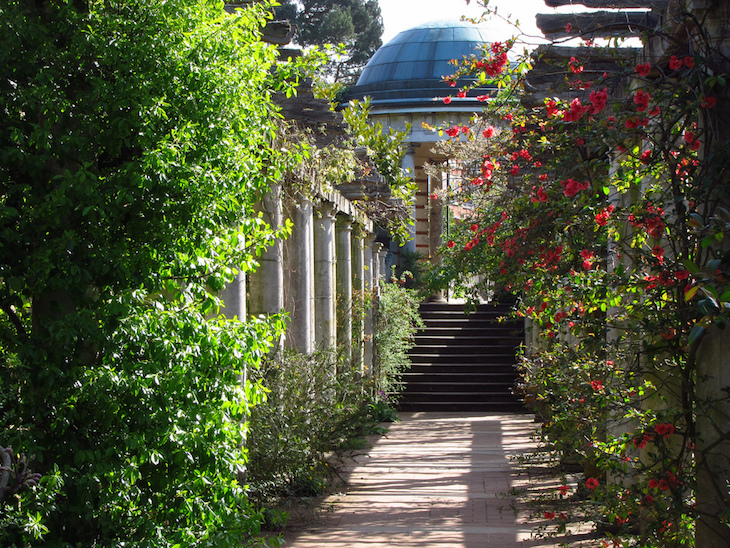
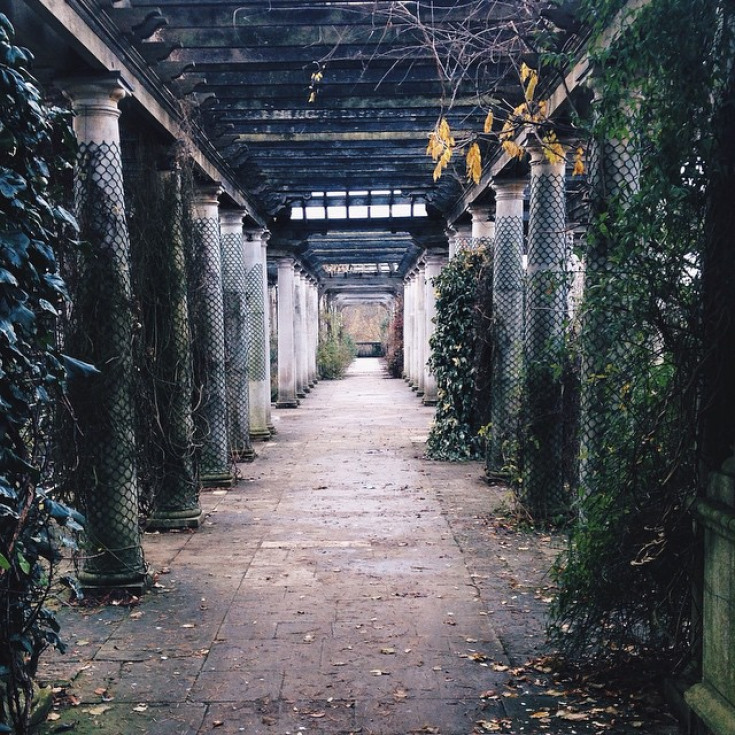
This one’s pretty well known too, but remains one of our favourite outdoor spots in London, situated on the western side of Hampstead Heath (sensible shoes are a must). With rose-covered trellises, it’s one for the romantic at heart — you can even get married here.

In Photos: London In 1939

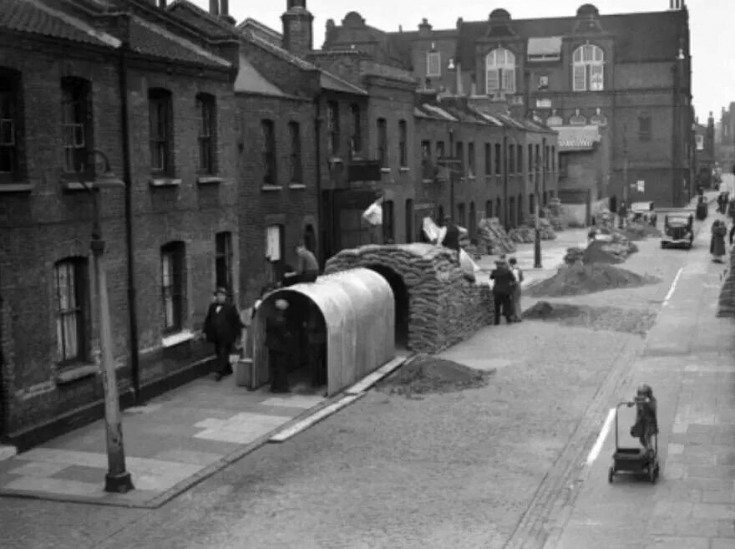
1939 in London. Anderson shelters were being built and headlines spoke of the war. Elsewhere though, life went on as normal, with Thames beaches, East End pubs and traffic on Regent Street.


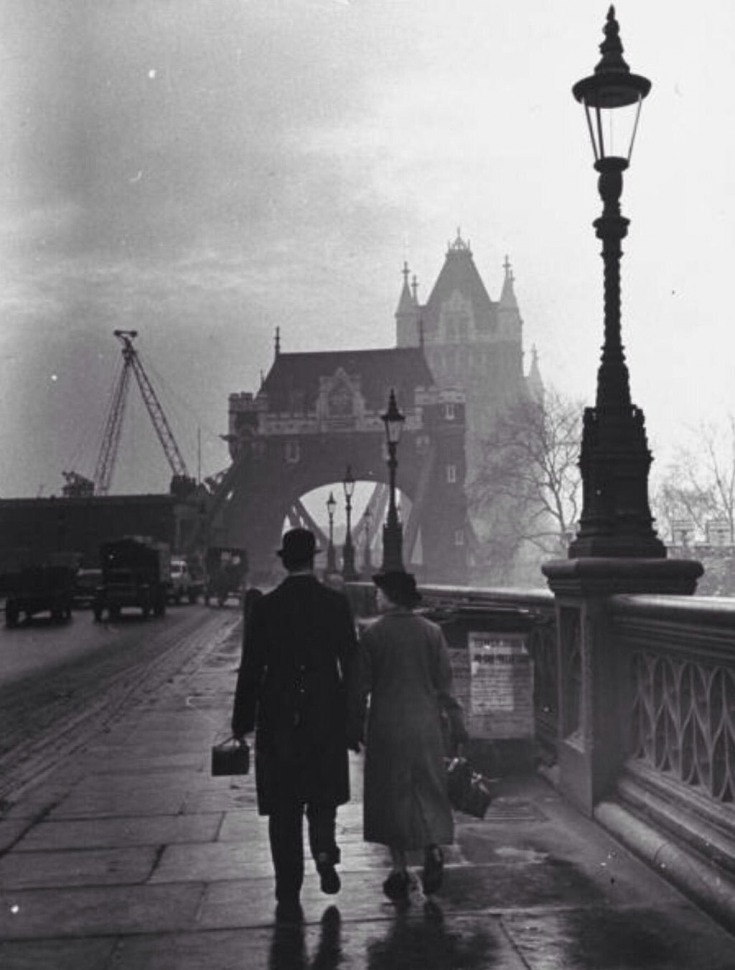
A couple strolling hand in hand across Tower Bridge, 1939

0ed40b1255c25bb4150eb675872f6f31_735

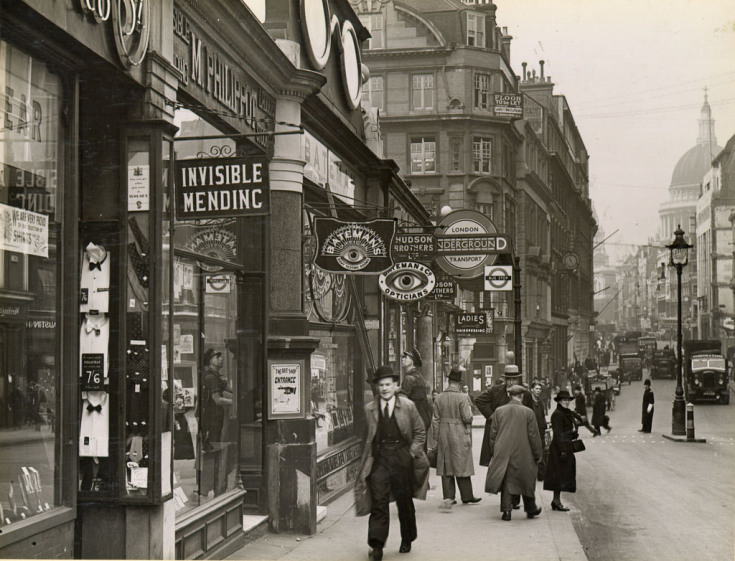
Cannon Street tube station, London, 1939

16a074f42c729916c78986464776b617_735

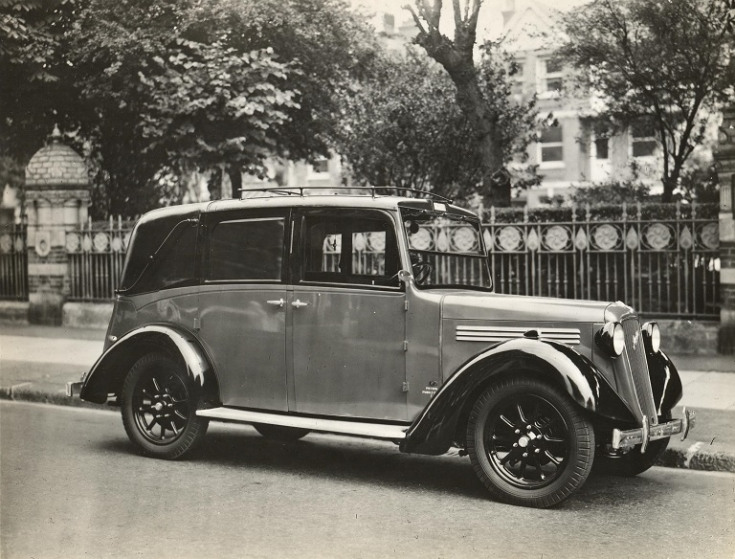
An Auustin LL (Low-Loader) taxicab, which was introduced in 1934. The rear portion of its roof could be folded down.

0ae06bdcb9ef7d712aebc445298e745e_735

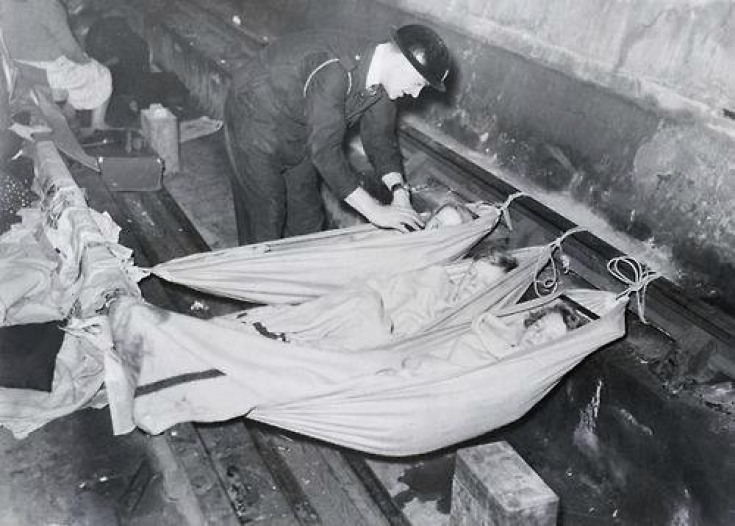
Children sleeping in the underground, 1939

fbb15743da5daeb4db2a72492ca664a4_735

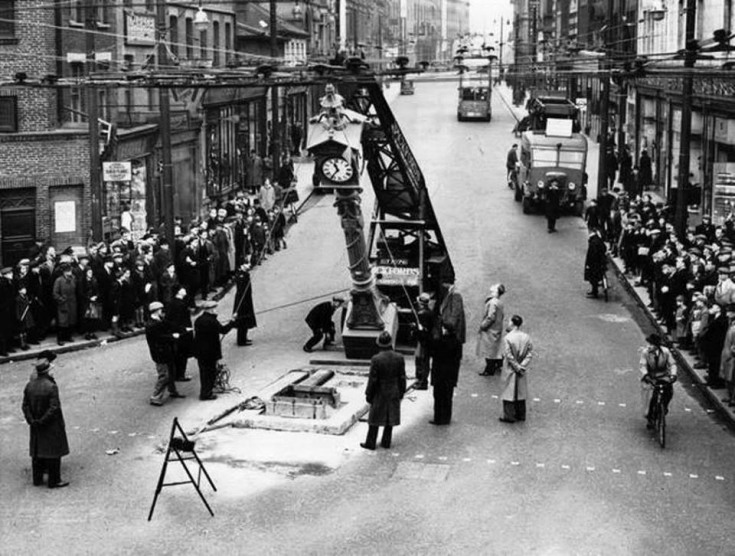
Harlesden clock, 1939

cb0245e3d827656ceffb3391e18a692c_735

Workmen erect Anderson shelters in the street for houses without gardens, September 1939

36bce317987ab83f6a32d3a4d759dacd_735

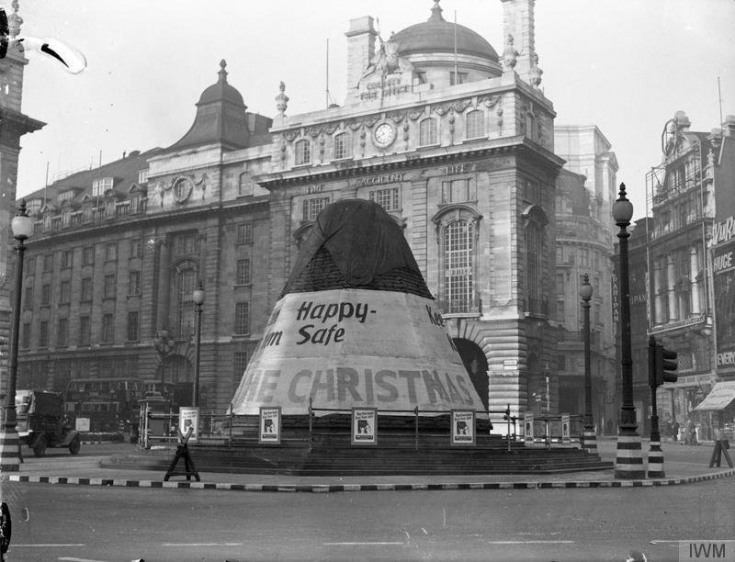
Piccadilly Circus, Christmas 1939

b39b87fca899a29922660d348a0f2af9_735

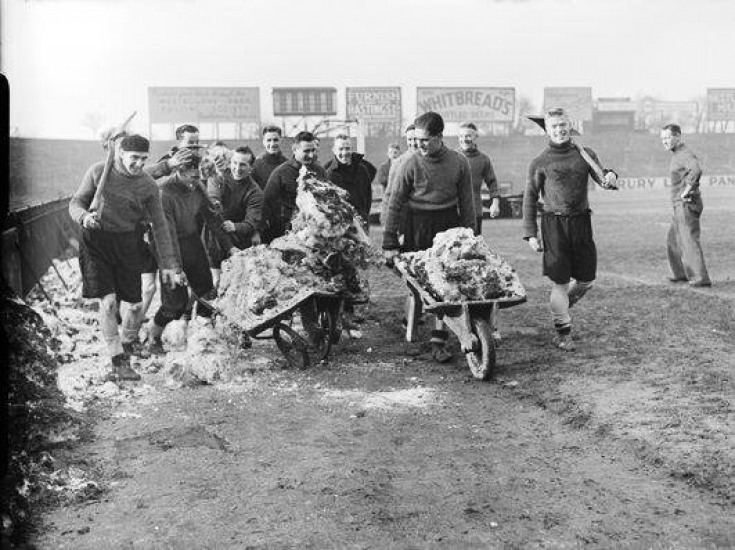
Fulham FC footballers clear snow from the pitch before their cup tie with Bury, 1939

a49e1dc6cbffb4fd7d142efa8add0297_735

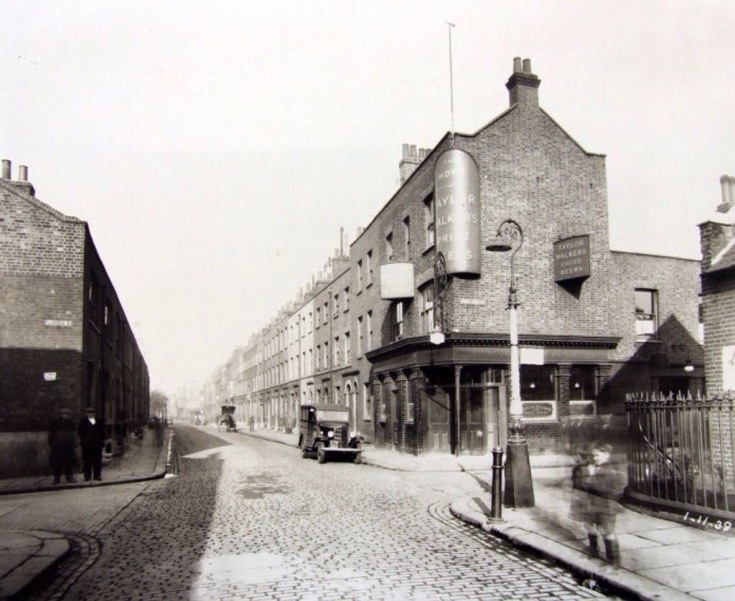
The Hope Tavern on Pollards Row, Bethnal Green, 1939

7d4495f5082df3c9744394e6ee65b6d7_735

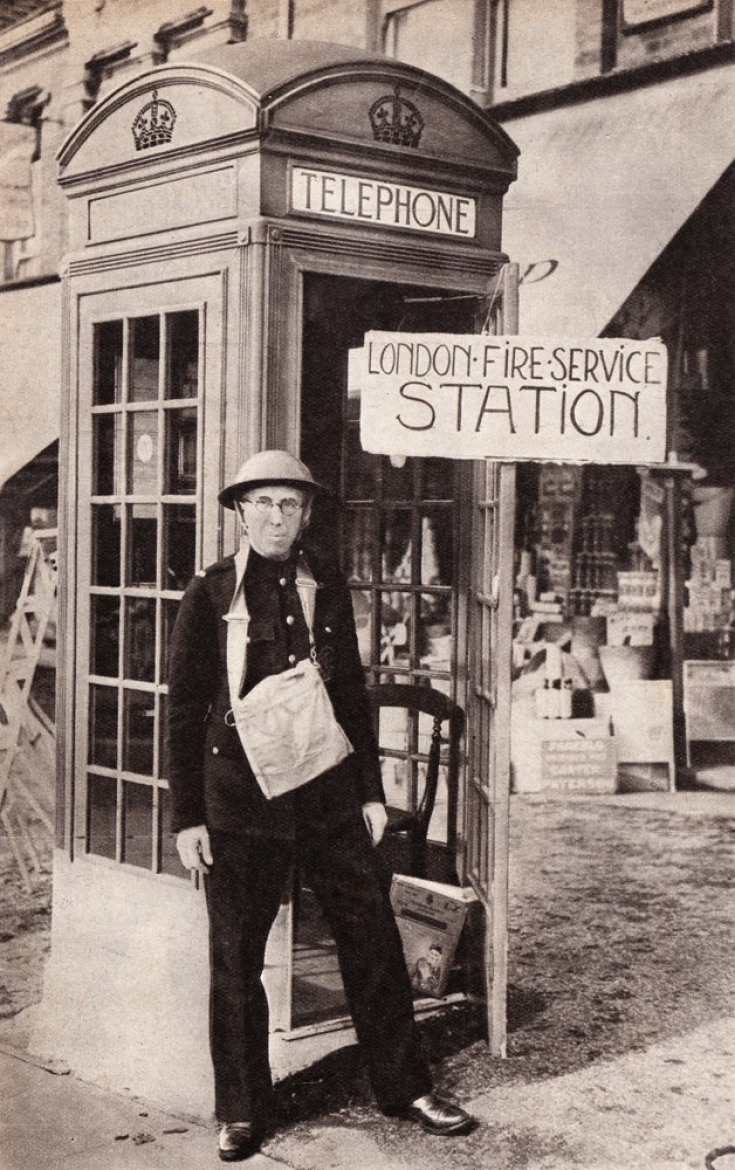
London’s smallest fire station, 1939

e10dd3f546e2eff2290d5c30d0c2e16d_735

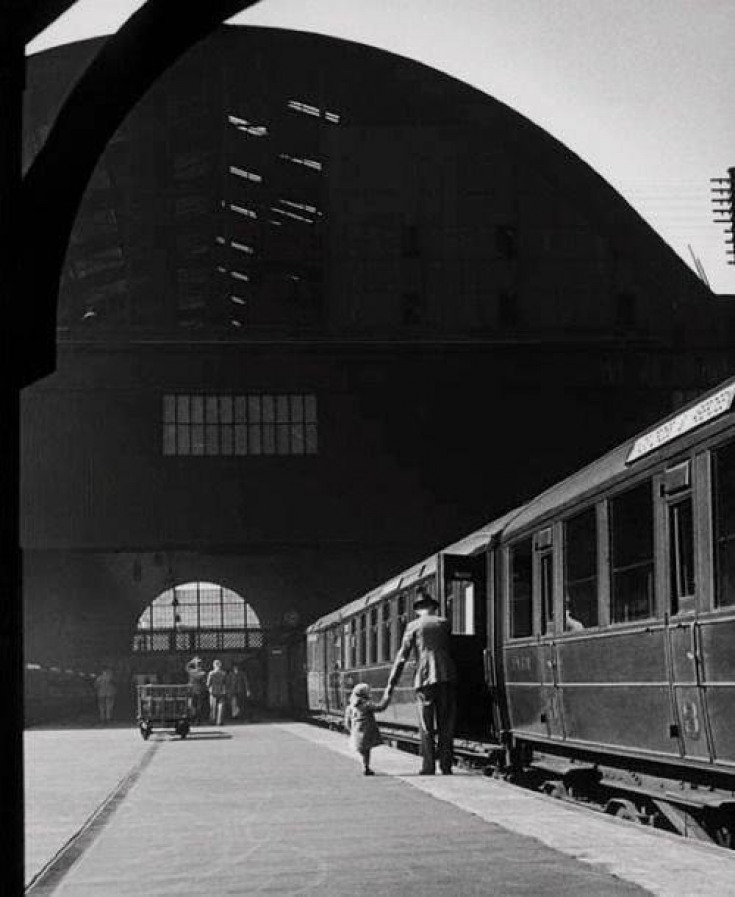
King’s Cross Station, 1939

a65190f86ff5cd40d4036dc40d1dc498_735

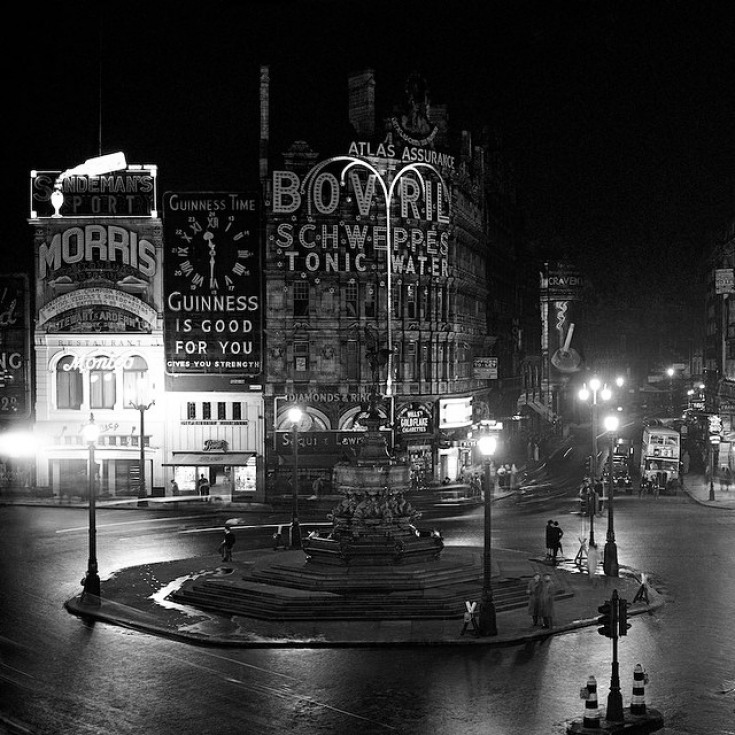
Piccadilly Circus, on the night before the 1939 blackout took effect

aa2fc14442eff853fc4986e339d4f32d_735

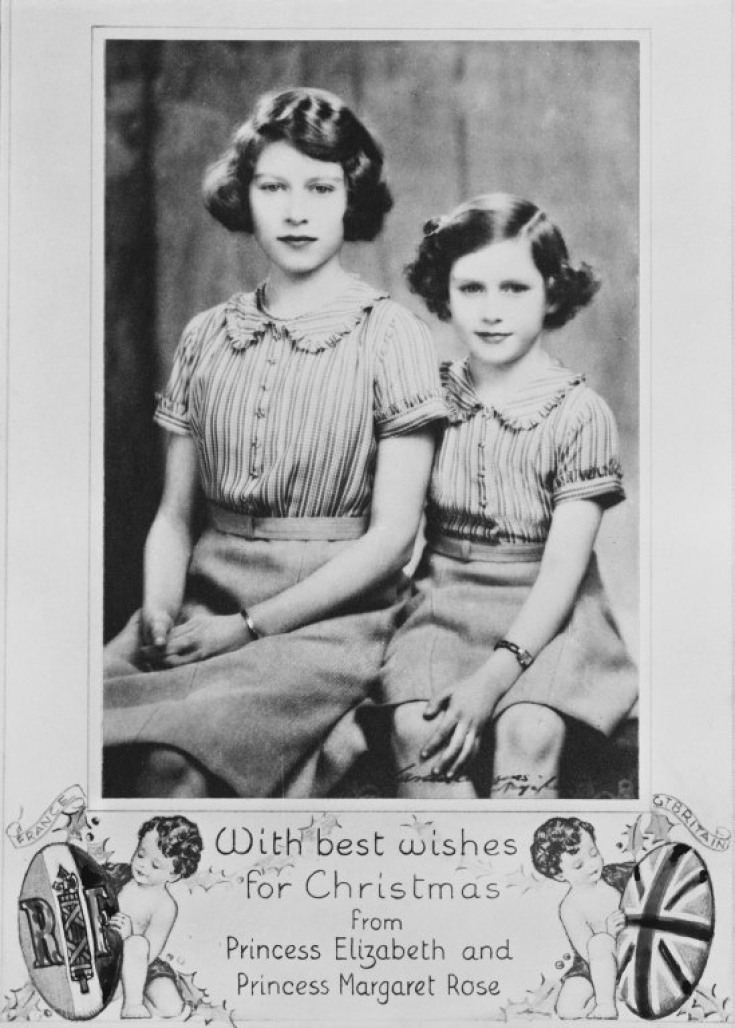
Princesses Elizabeth and Margaret, Christmas 1939

d6641be7e144993a86f6ccc6d511a9c3_735

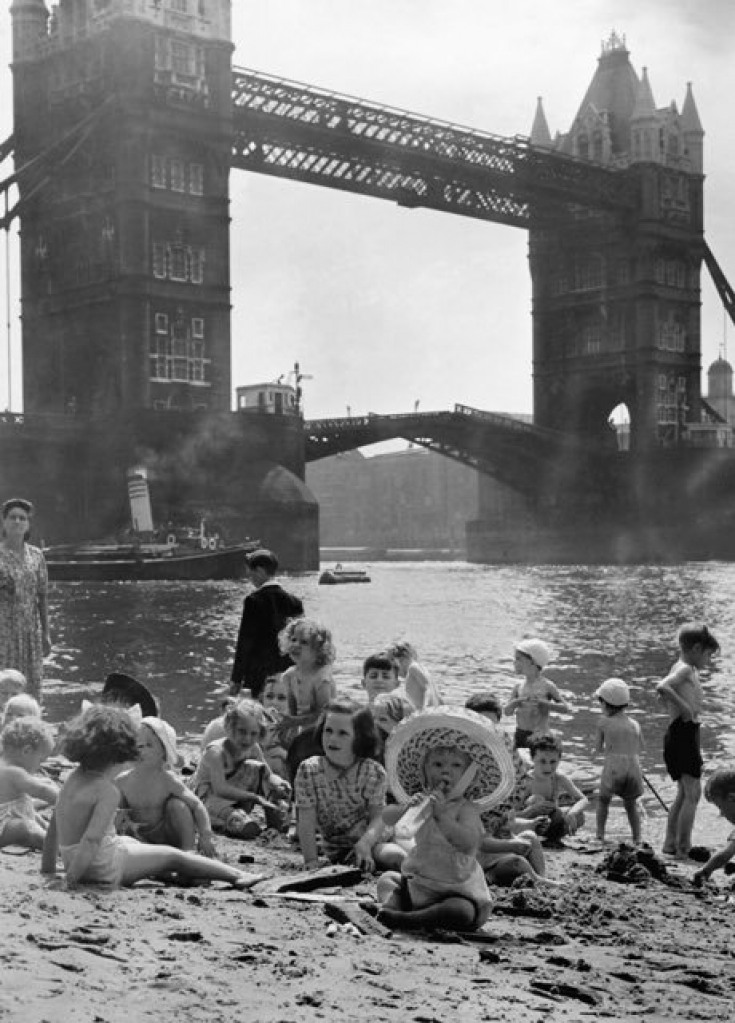
Tower Bridge, 1939

0fe5e479e9c3a42146c282128500f13e_735

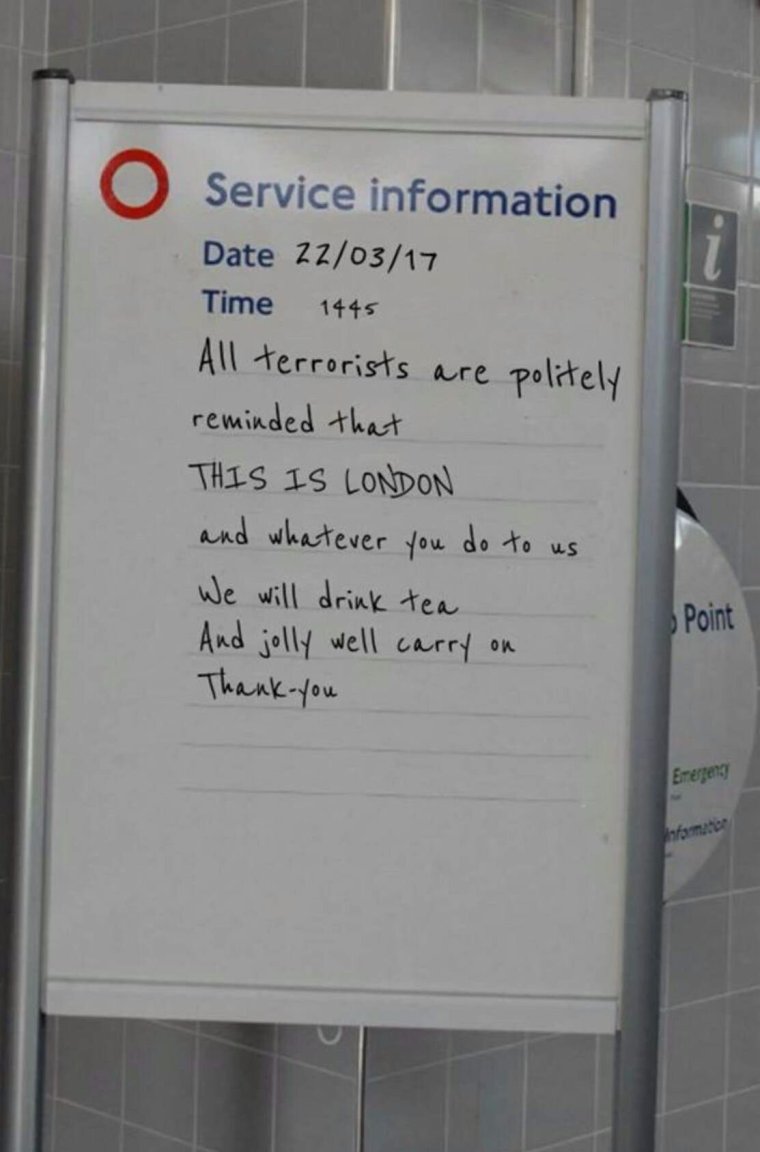
London set for Easter tourist bonanza as terror attack fails to deter record numbers of visitors

piccadillynight1304a

London is set for an Easter tourism bonanza as record numbers flock to the capital from all over the world for the bank holiday weekend.

A huge surge in inbound flight bookings and reservations for hotels and attractions compared with last year suggests visitors have not been deterred by last month’s terror attack in Westminster.

They are also rushing to take advantage of London’s bargain status following the 10 to 15 per cent devaluation of the pound in the wake of the Brexit referendum.

Bookings for international flights to London are up by 61 per cent compared with Easter 2016, according to figures from Europe’s largest online travel company eDreams ODIGEO.

Its chief executive Dana Dunne said: “London has always been a favourite destination for travellers from around the world and this Easter we’ve seen a 49 per cent increase in international flight bookings to the UK and 61 per cent for London.”

Arrivals from France and Germany are at least double last year and bookings from Spain are up 23 per cent.

Separate figures from travel market researchers ForwardKeys said arrivals for two nights or more from the US are expected to be up 68 per cent for April.

danielradcliffe1304a

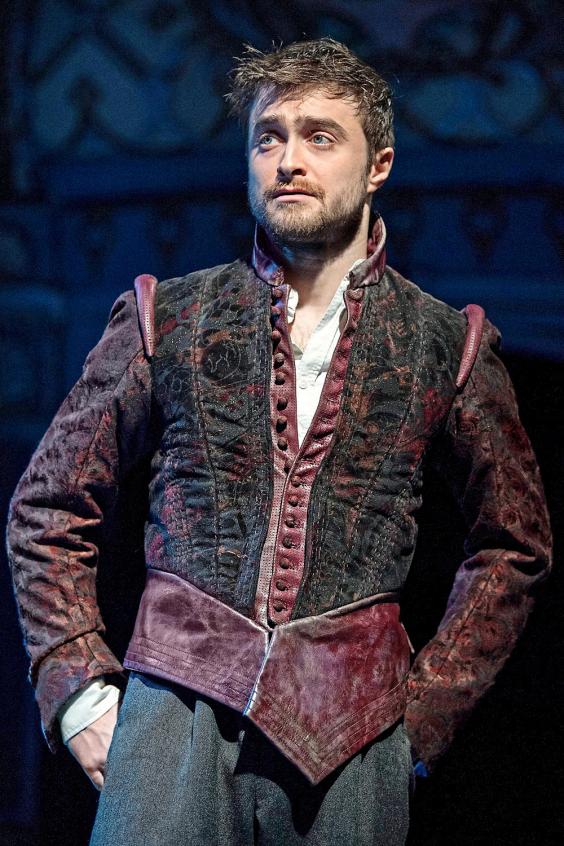
City Hall hailed the “bounce” as a sign London continues to be “a world-leader” for culture and the arts and remains “open for business”. Tourism chiefs said London’s theatres are proving a big draw, with three world-renowned actors —  Daniel Radcliffe, Damian Lewis and Andrew Garfield — treading the boards over the bank holiday weekend and a fourth, Jude Law, returning to the stage after Easter in Ivo van Hove’s Obsession at the Barbican.

Reigo Eljas, UK director for travel and leisure website lastminute.com, said: “We expect to see a surge in theatre ticket bookings for hit shows such as Wicked, Dreamgirls, Aladdin and Kinky Boots over the Easter weekend.”

5obsession1304a

Hotels are also reporting high levels of occupancy as the visitors arrive. Maybourne Hotels, which runs Claridge’s, the Connaught and the Berkeley, said: “We’ve seen a particularly robust pick-up over the Easter period in London with year-on-year increases across our hotels.”

The timing of Easter this year compared with 2016, when it fell in late March, is thought to be one factor but tourism chiefs said the trend has been building since the start of the year. Darren Neylon, managing director of The Original Tour, London’s largest operator of sightseeing buses, said growth is in double figures this year. He said: “There is the Brexit impact on the pound and so people are seeing it as a cheaper destination than in other recent times. That, and that people see it as safe compared to other places. The Westminster incident, I think, people just see as a one-off.”

Deputy mayor for culture and creative industries Justine Simons said: “London is a world leader for culture, theatre, fashion, dance, food, and much more besides. As a city that is outward-looking and open for business, tourism, talent and creativity, it is little wonder millions of visitors continue to pick London as their destination of choice.”

Inside London’s Biggest Bookshop

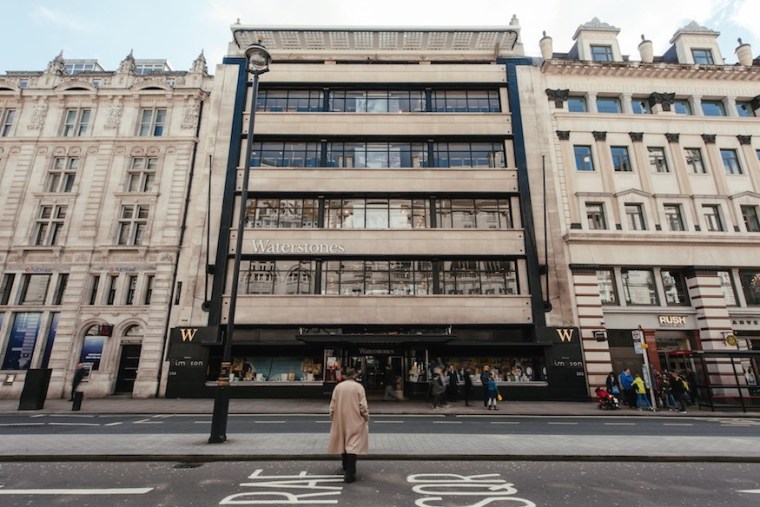
outside_875

Waterstones Piccadilly is London’s largest bookshop, and claims to be the biggest bookstore in Europe.

The shop is spread over six huge floors of books with more than eight miles of shelves, containing more than 200,000 titles.

Simpsons of Piccadilly building

The Waterstones at 203/206 Piccadilly is the company’s flagship store. It’s housed in a Grade I Listed 1930s art deco building that used to be a department store called Simpsons of Piccadilly.

Opened in 1936, the new Simpsons building was designed to showcase the whole range of clothing offered by Simpsons and Daks (the latter is a portmanteau of ‘dad’ and ‘slacks’). The architects and designers were influenced by the Bauhaus, modernism, futurism and cubism.

The building was the first in Britain to feature uninterrupted curved glass windows at the front.

You can still see some of the original fixtures inside the shop, including the 90-foot chromium light fitting suspended from the ceiling, illuminating the stairwell, and the steel and glass handrails.

Waterstones Piccadilly Sections

As well as the usual best sellers and new releases, Waterstones Piccadilly has sections on Travel (lower ground floor); First Editions (on the first floor); Biography, Humour, Film & TV, and Transport (third floor); and History, Politics, Languages, Religion and Business (fourth floor).

Children’s Section

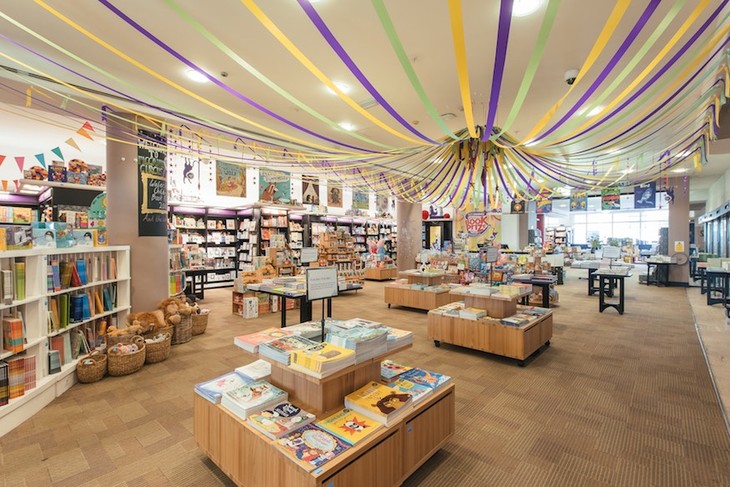
In 2015, Waterstones Piccadilly expanded their Children’s Section on the second floor.

The (Piccadilly) Circus-themed area now takes up two-thirds of the building’s second floor.

childrens_875.jpg

The Russian Bookshop

There’s even a bookshop within the main bookshop. The Russian Bookshop opened on the fourth floor in March 2012, and stocks around 5,000 titles. It’s staffed by Russian-speaking booksellers.

5th View Bar

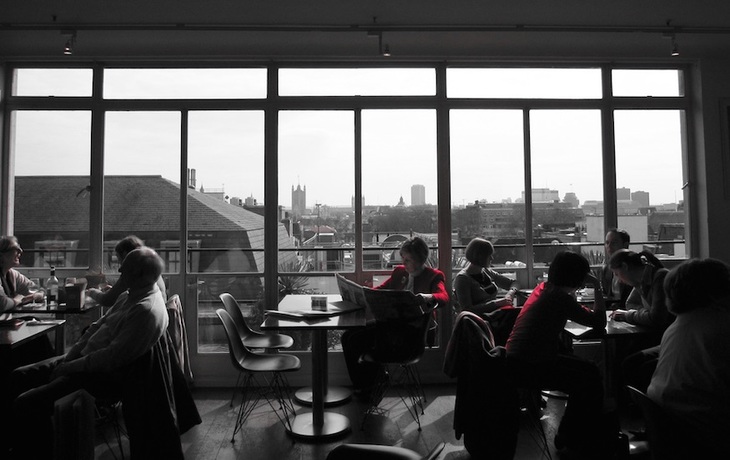
On the top floor of Waterstones Piccadilly is a bar, 5th View Bar & Food, with a view over the rooftops towards the Houses of Parliament, Westminster Abbey and the London Eye.

fifthfloor_875

Cafe W

There are two Cafe Ws inside.

The one on the ground floor is useful for takeaways in this busy corner of London; the second, on the Mezzanine among the plentiful stationery and gifts on offer, is a good place to settle if you’re looking for a bit of peace and quiet.

cafe_875

Waterstones’ lock-ins and sleepovers

In 2014, Waterstones Piccadilly hosted a sleepover for 10 lucky prize-winners.

The event was organised after a Texan tourist, David Willis, got locked in the Trafalgar Square Waterstones when it had closed for the night. Willis tweeted for help and attracted 12,000 retweets, as well as lots of media coverage and discussion on social media.

Special Events

The bookshop also hosts a variety of special events, including author events and writing classes.

The London Sci Fi and Fantasy Book Club meets at Waterstones Piccadilly once a month, and the store itself has its own book club.