Great British Houses: Bletchley Park – The House That Helped Save Britain in World War II – Where Enigma Was Decoded

Bletchley-Park---Draco2008-590x442

The name ‘Bletchley Park’ conjures an image of harassed mathematicians hunched over monstrous typewriters, inputting endless numbers and letters, pale-faced women wired into huge switchboards, listening, and everywhere the pained silence of ultra secret, life or death, wartime work. Bletchley Park was once simply a curious, Victorian English country home but today it is one of the most influential historic sites of World War Two and has benefitted greatly from a recent heritage lottery funded renovation.

Key Facts about Bletchley Park

  • Bletchley Park is located in Milton Keynes, Buckinghamshire, England.
  • The present house was built in 1883 by Sir Herbert Leon.
  • The mansion was home to Sir Herbert Leon and his family until 1938 when it became the base for MI6’s communications operation.
  • Bletchley Park is where Alan Turing and his team broke the German Enigma Code and completed the mathematical work that formed the basis of modern electronic computing.

A Brief History of Bletchley Park

Colossus

Originally a part of the estate of the Manor of Eaton the site of Bletchley Park is mentioned in the great Doomsday Book of 1086. A house was built on this historic plot of land in 1711 by a man named Browne Willis. In 1793 the house was demolished and it wasn’t until 1883 that Sir Herbert Leon expanded the remaining farmhouse on the site and built the mansion known as Bletchley Park.

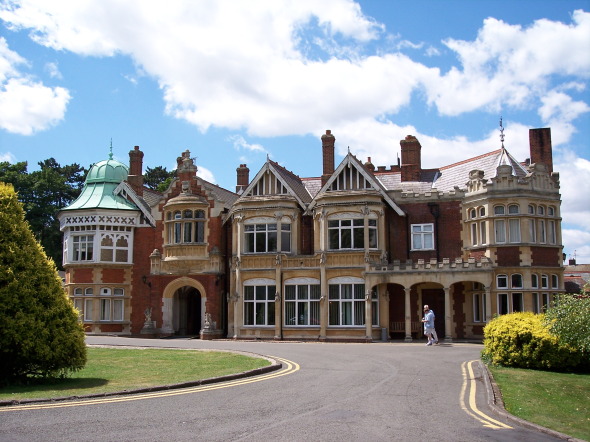
The Bletchley mansion is an unusual and eclectic design that incorporates elements of Victorian Gothic, Dutch Baroque and Tudor architectural styles. Founded and funded by millionaire Sir Herbert Leon, the mansion’s exterior features both Dutch and Tudor gables and a Moorish influenced roof. The building is asymmetrical in design with sumptuous interiors featuring reproduction Jacobean ceilings, marble arches and an impressive ballroom with gilded ceilings.

In May 1938,Bletchley Park went from being a little-known and somewhat curious English country home to being one of the most important centres of British intelligence during the Second World War. Under Sir Richard Gambier-Perry Bletchley Park mansion and 38 acres of land was transformed into the headquarters for MI6’s communications operation in preparation and anticipation of the outbreak of war with Germany.

Bletchley Park, known as B.P. to those who worked there, was chosen due to its prime location almost immediately adjacent to Bletchley Railway Station, a main road linking London to the North West of England and a telegraph and telephone station at Fenny Stratford. Throughout the Second World War Bletchley Park was the location of British military intelligence and code-breaking, the most influential example being the cracking of the German Enigma code and the building of the Colossus computer in 1943 to decrypt the Lorenz cipher used by the Nazi high command. MI6 and the GC&CS (Government Code and Cypher School) collected staff from various backgrounds to join the code-breaking efforts at Bletchley Park. The most famous of the ‘Code-breakers’ were cryptoanalyst Dilly Knox and mathematician’s Alan Turing and Peter Twinn.
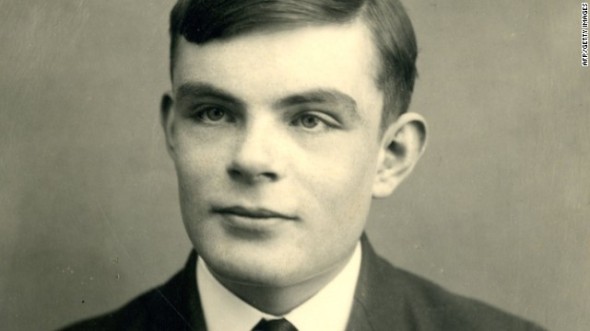
131224084938-alan-turing-story-top-1-590x331
Alan Turing

At the peak of MI6’s code-breaking efforts in early 1945 there were around 9000 people working at Bletchley. In order to accommodate the many staff and extensive equipment a large number of buildings were added to those already in existence on the site of Bletchley Park. Wooden huts known by number and brick-built blocks known by letter were built all over the grounds of Bletchley Park to house the many departments, workers and equipment needed by the code-breaking teams.

Following the Second World War much of the equipment and documents held as Bletchley Park we destroyed and the buildings were left to ruin. The site of Bletchley Park was used as a teacher-training college and local GPO headquarters in the sixties and seventies but by the 1990s was at risk of being demolished to make way for re-development. The Milton Keynes Borough Council stepped in and declared Bletchley Park a conservation area. The Bletchley Park Trust was formed and opened the site to visitors in 1993 as a museum.

Bletchley Park has recently undergone a huge renovation funded by the Heritage Lottery and re-opened to visitors in June 2014 complete with a new visitors’ centre, renovated huts and newly landscaped gardens. Bletchley Park’s main attractions include the rebuilt Bombe and Enigma machine which sit alongside Glyn Hughes’ full-size sculpture of Alan Turing in Block B, The National Museum of Computing in Block H, the Mansion itself and various displays focused on subjects such as the Home Front, Maritime History, The Diplomatic Wireless Service and Toys and Memorabilia.

What Makes Bletchley Park Famous?

The work of the Code-breakers who toiled at Bletchley Park during the Second World War was considered ‘Ultra’ secret, even more secret than the ‘Most’ secret operations, and as such all workers were sworn to absolute secrecy, a command some Bletchley workers have obeyed right up to this day. A chain of wireless intercept stations around the country collected messages sent by various enemy armies and sent them on to Bletchley Park to be deciphered, translated and fed back to the British Army in intelligence reports that were used by commanders in the field. Winston Churchill famously described the code-breakers who worked at Bletchley Park as “the geese that laid the golden eggs and never cackled”.

Bletchley Park on Film and TV

Bletchley Park featured as a location in the following films and TV shows.

  • The Imitation Game (2014) Film
  • The Bletchley Circle (2012-) TV series
  • Danger UXB (1979) TV Series

Further Research

Visiting Information

Bletchley Park is ran by the Bletchley Park Trust and is open to visitors every day except the 24th, 25th and 26th December and the 1st January. During summer the park is open from 9.30am to 5pm and in winter is it open from 9.30am to 4pm. Admission price for adults in £15 and for children is £9, unless they are under 12 in which case it is free. Visit the website www.bletchleypark.org.uk for more

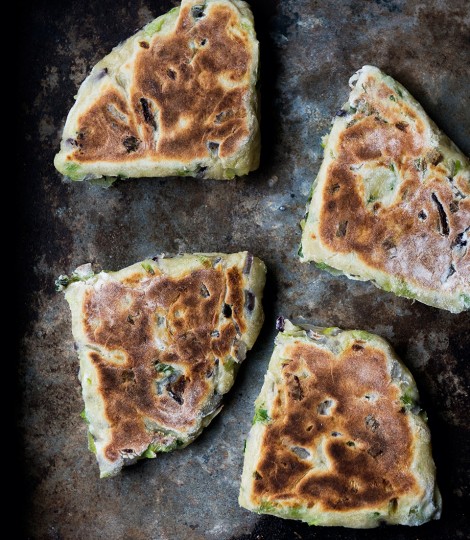
Potato farls

854582-1-eng-GB_potato-farls-470x540

  • Makes 4
  • Hands-on time 10 minutes, cook time 8 minutes
  • Easy

Irish potato bread, or potato farls, are the star of the famous Irish breakfast and makes a great accompaniment to many meals, Irish or otherwise. This recipe, taken from Baking School: The Bread Ahead Cookbook, is incredibly simple and as quick and easy (and flavourfully rewarding) as they come.

INGREDIENTS

  • 125g boiled potatoes (made with about 200g potatoes such as Maris Piper)
  • 15g unsalted butter, melted
  • fine sea salt and ground white pepper, to taste
  • 50g plain flour
  • ½ teaspoon baking powder
  • 2 tablespoons sliced red onion (about 1 small onion)
  • 2 spring onions, finely sliced (including the green stalks)

METHOD

  1. If cooking in the oven (as opposed to on the hob), preheat it to 200°C/fan 180°C/gas 6.
  2. Mash the potatoes with the melted butter and season to taste (we go quite heavy on the seasoning). Add the flour, baking powder, red onion and  spring onions and mix together until well incorporated.
  3. Push your potato dough down to form a disc about 12cm across, then cut the disc into 4 pieces. Place them in a hot, dry ovenproof pan (no oil or butter) for 4 minutes, then carefully turn them over and cook for an additional 4 minutes – you can do this on the hob or in the oven. (If cooking on the hob, be careful they don’t burn).
  4. Take out of the pan or oven and serve with your fry-up!

Unmissable events in London this autumn

Think shorter evenings, colder temperatures and rainy days in London have got ‘night in with Netflix’ written all over them? Think again. If you can tear yourself away from your central-heated surroundings, there are some seriously good things going on to warm you up this autumn. Embrace that back-to-school feeling and plan an awesome autumn in London, with brand new bars, tasty restaurant openings, exciting art shows, fab festivals and ace attractions. Here’s our pick of the best things to do in September, October and November 2017.

image1

Mail Rail

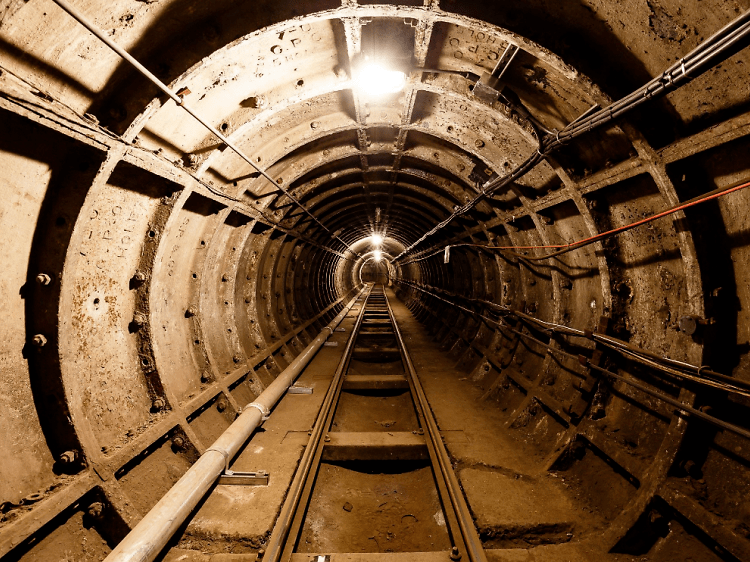
The Tube isn’t London’s only underground transport network. A hundred years ago, the Post Office built a secret railway under central London. It stretched six-and-a-half miles from Paddington to Whitechapel, connecting post offices across the city and carrying up to four million letters a day. The driverless trains stopped running in 2003, but this autumn the rails are back in use. Instead of bank statements and ASOS returns, the little carriages will take passengers on a fascinating and spine-tingling 20-minute journey deep under London. The adventure through abandoned tunnels has our stamp of approval.


image2

Hoppers St Christopher’s Place

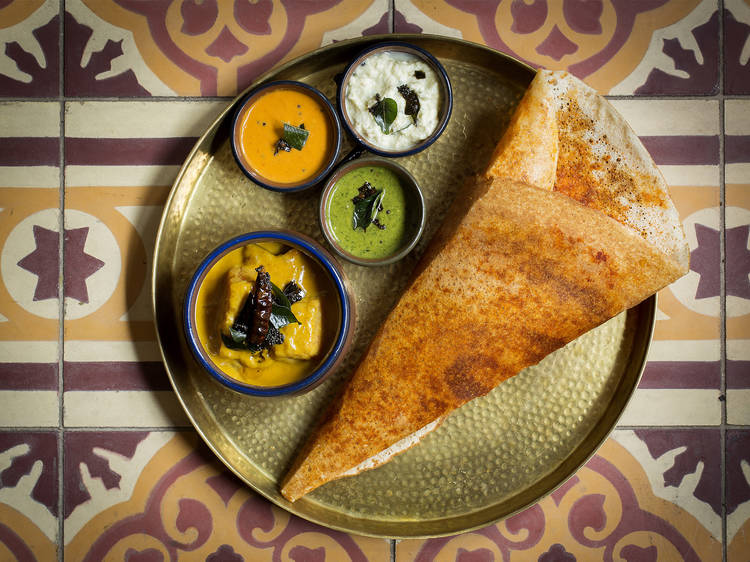
If you’ve ever spent a hangry evening in the queue at Hoppers, you’ll know that getting a table at Soho’s insanely popular Sri Lankan street food spot is no easy feat. Thankfully, that’s about to change with the arrival of a second branch in St Christopher’s Place this autumn. The new restaurant, which will seat 85 slavering foodies over two floors, actually takes actual reservations, so you can sample those incredible bowl-shaped savoury crêpes without having to hang about on the street for hours. It’s just what we’ve been waiting for. From Sep 12.


image3

London Design Festival

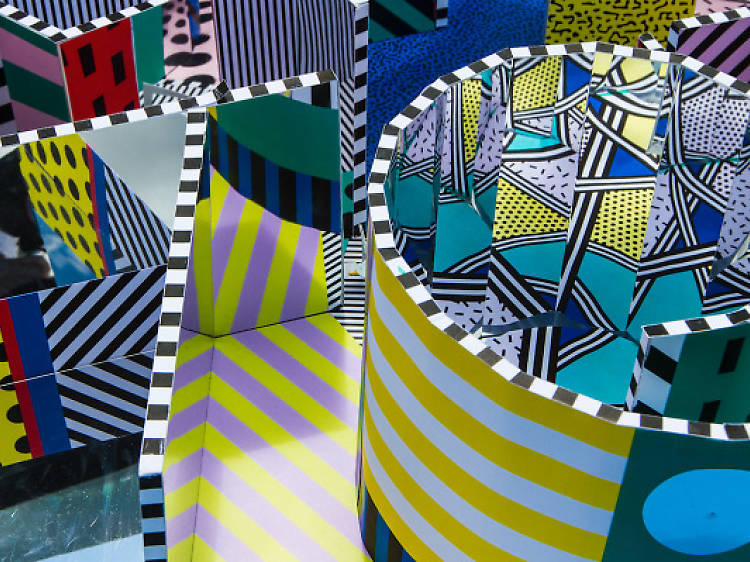
London is the self-professed design capital of the world and goes about proving it in September when cultural institutions all over town show off for the annual London Design Festival. Now in its fifteenth year, the expo will feature an epic coloured light installation at the V&A and a stone exhibit at The Design Museum, plus plenty more talks and displays. Projects will also pop-up all over the city. We’ll be heading straight to ‘Villa Walala’, Camille Walala’s colour-pop installation in Exchange Square, Broadgate. It’s a giant building-block play-castle complete with squeezy stress balls. An artful way to unleash your inner kid.
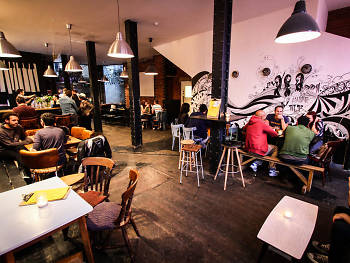
 

image4

Open House London

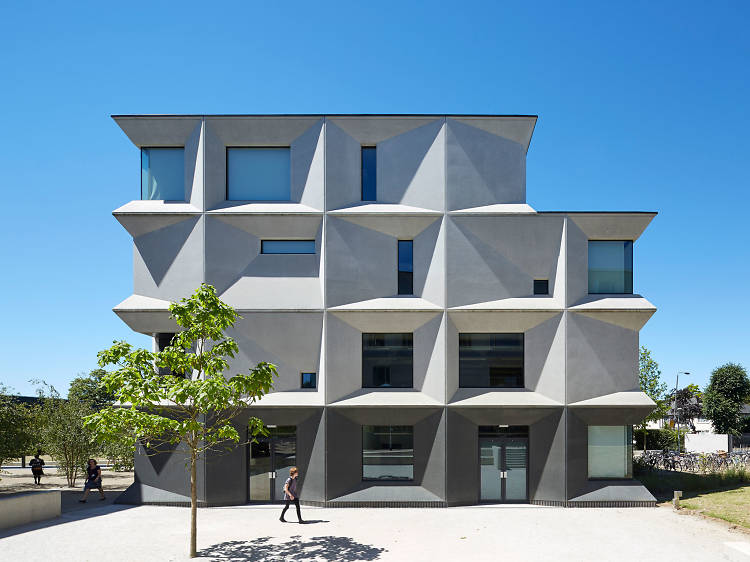
London’s architectural marvels big and small are opening their doors this September for the fifteenth annual Open House weekend. Visitors can wander around world-famous landmarks, ancient edifices, office blocks, cool housing, petite, cleverly designed urban pads and the odd sewage works. You can even poke around inside some of London’s most exclusive private members’ clubs without paying any fees. It’s a rare chance to see more than 800 buildings that are usually closed to the public, in a weekend dedicated to those of us who can’t resist peering through other people’s windows when we walk past.
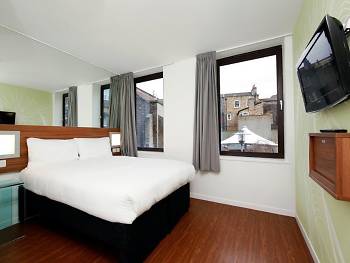
 

image5

London Film Festival

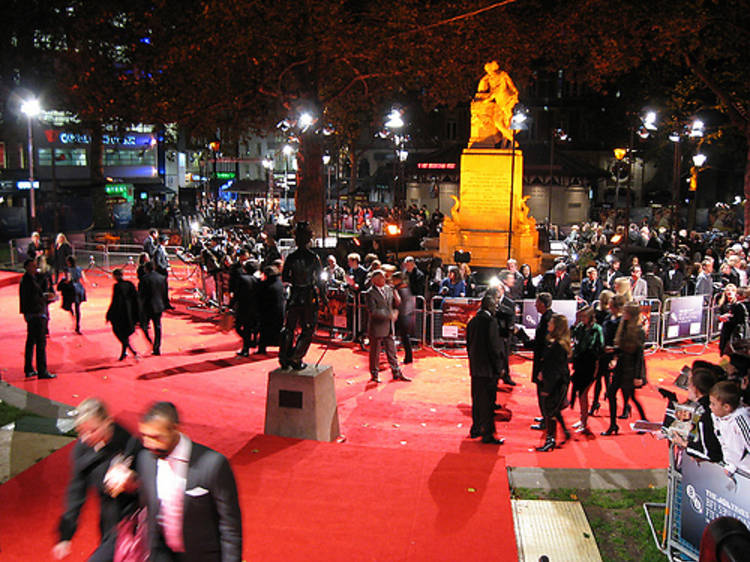
Switch your phone to selfie mode and get down to the city’s cinemas this October for the London Film Festival. Actors, writers and directors are about to descend for ten days of premieres, previews and talks. Films to check out? ‘Breathe’, a love story starring Andrew Garfield (fresh from ‘Angels in America’). Plus Time Out is putting on a gala screening of ‘The Florida Project’, about a mischievous six-year-old. You can expect plenty of A-list action both on and off the carpets, too. In 2016, Ry-Gos surprised cinemagoers by making an unexpected appearance during a screening of ‘La La Land’.


image6

Harry Potter: A History of Magic

Prepare to feel old: it’s been 20 years since ‘Harry Potter and the Philosopher’s Stone’ was first published. To mark the momentous pop culture anniversary, the British Library is getting serious and taking an academic look at the folklore, magic and myth that inspired JK’s wizarding world. Get up close with rare books, manuscripts and historical artefacts that deal in divination, potions, astronomy and unicorns, as well as original drafts and drawings by Rowling herself. You’ll ace your OWLs afterwards.


image7

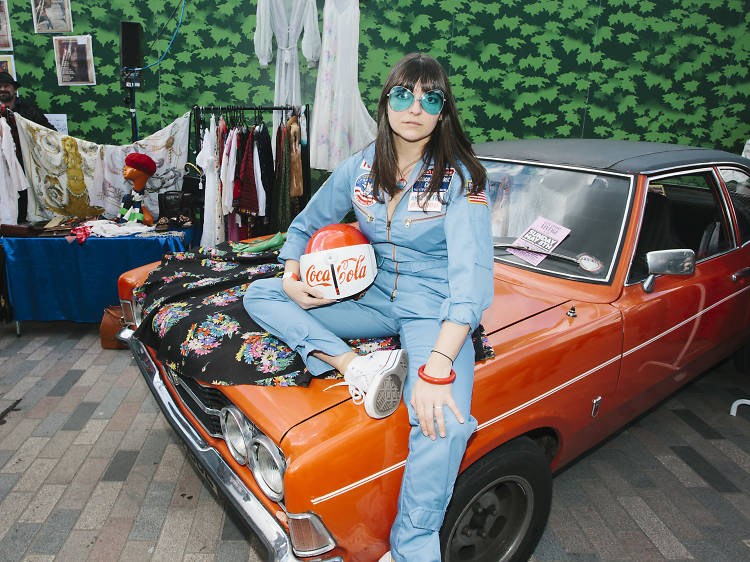
Classic Car Boot Sale

King’s Cross’ Granary Square is gearing up to be covered in classic vehicles from which vendors will be flogging vintage fashion, homewares and collectibles. Heritage fairground rides, street theatre and mobile eateries will be dotted between the old school cars and campervans, while DJs will be impressing purists and pop lovers with vintage vinyl from the top of a routemaster bus.

17 tweets about London that should put a smile on your face

image

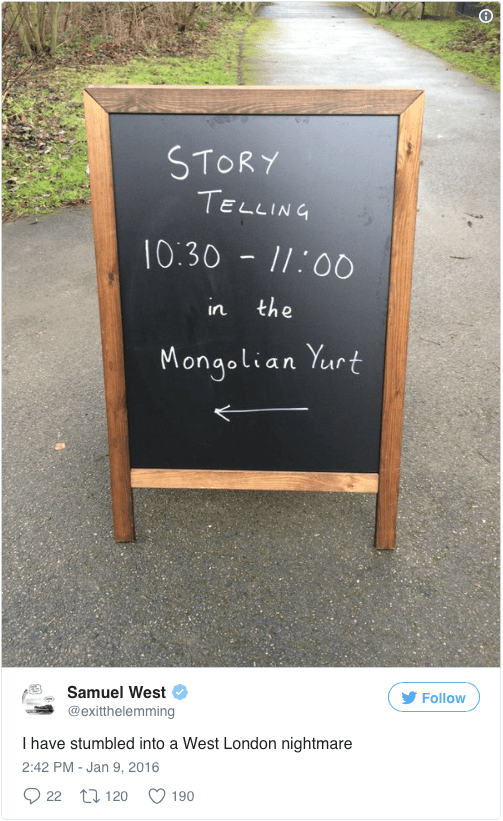
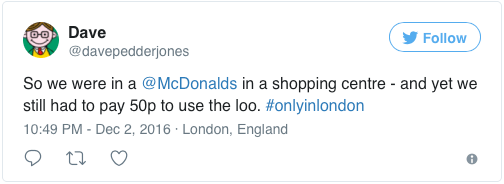
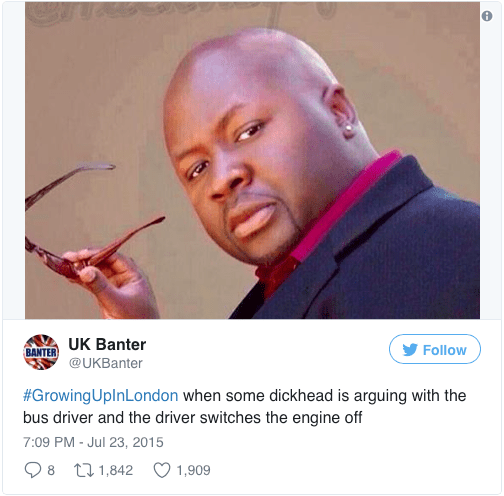
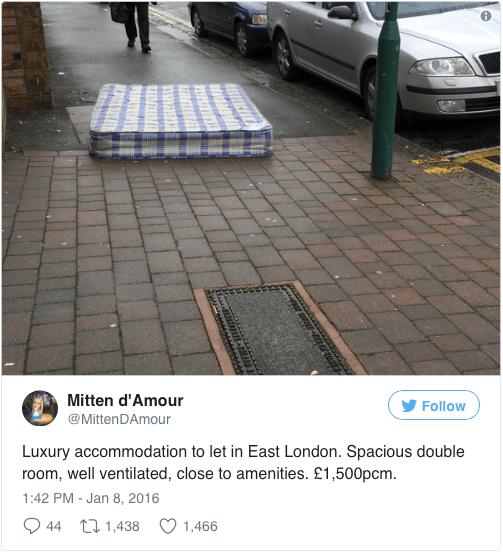
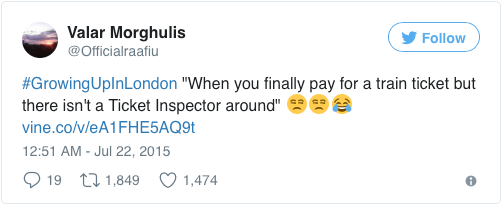
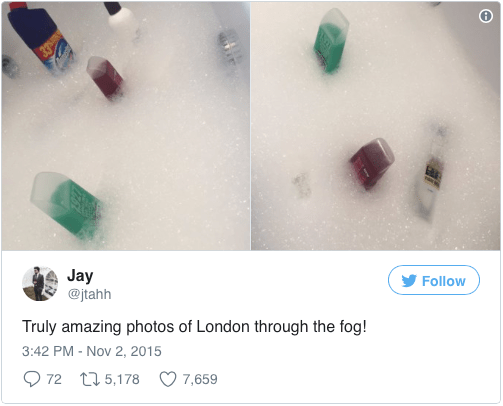
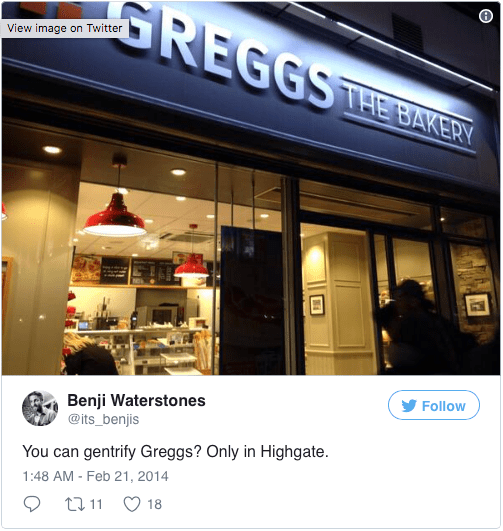
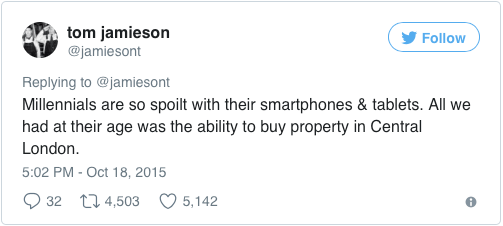
Life in London can be hard work. So for some much-needed LOLs, here are 17 tweets about everything from hellish tube strikes to gentrified Greggs.

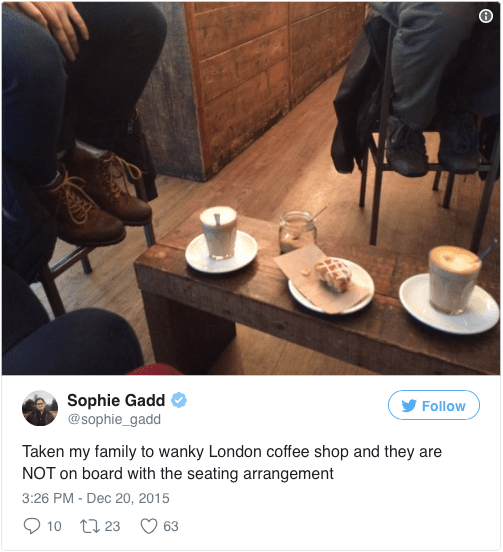
We’ve all felt the struggle of a fancy coffee shop…

Снимок экрана 2017-08-29 в 22.40.33

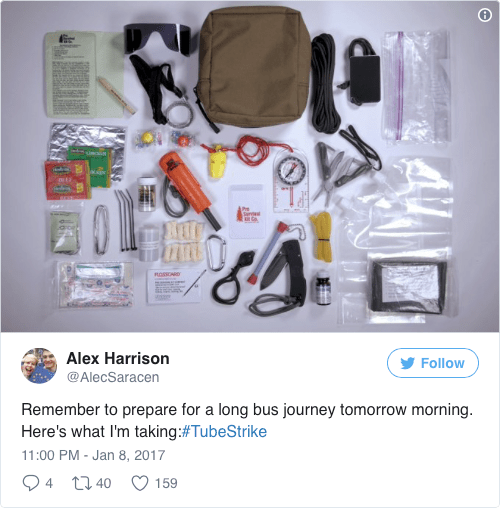
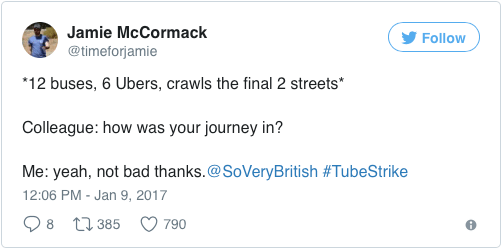
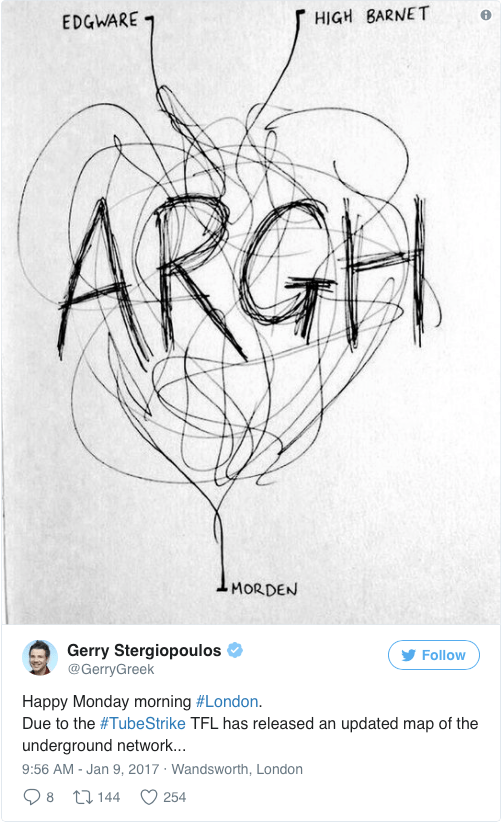
Let’s not forget the horrors of the recent tube strike.

Снимок экрана 2017-08-29 в 22.40.47

Снимок экрана 2017-08-29 в 22.40.59

Снимок экрана 2017-08-29 в 22.41.22

Снимок экрана 2017-08-29 в 22.41.39

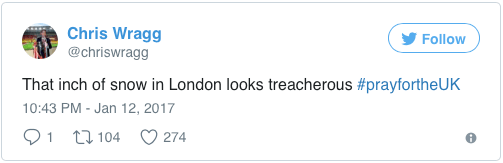
And the recent savage ‘snowfall’.

Снимок экрана 2017-08-29 в 22.41.54

Снимок экрана 2017-08-29 в 22.42.09

Снимок экрана 2017-08-29 в 22.42.19

When you leave your own neighbourhood.

Снимок экрана 2017-08-29 в 22.42.44

Those darn loos.

Снимок экрана 2017-08-29 в 22.43.08

This age-old London struggle.

Снимок экрана 2017-08-29 в 22.43.20

No words.

Снимок экрана 2017-08-29 в 22.43.28

Снимок экрана 2017-08-29 в 22.43.39

When Londoners take ‘taking the piss’ to new levels.

Снимок экрана 2017-08-29 в 22.43.47

#Brexit.

Снимок экрана 2017-08-29 в 22.44.27

When London just gets out of control.

Снимок экрана 2017-08-29 в 22.44.35

And finally, the most relatable tweet of them all.

Снимок экрана 2017-08-29 в 22.44.42

The best cheap hotels in London

image

Sure, the capital has big names in hospitality, but there’s also loads of great cheap hotels in London that you needn’t trek out to the sticks to find. Stay somewhere better located and more fun than many of the city’s grand five-star hotels, all for less than you’d pay for a slap-up meal at one of London’s best restaurants. Whether it’s a dorm bed in the heart of Soho, a traditional family-run guesthouse on a period square, or a tech-smart room near St Pancras, London’s got it covered. Have a peek at our list of the best cheap hotels in London and save your pennies for exploring.

Generator

image1

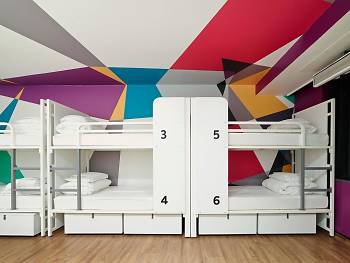
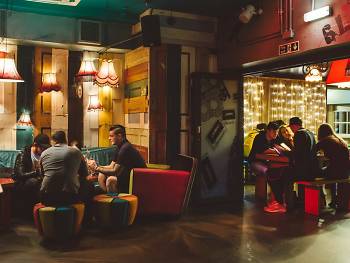
With half a Routemaster parked in the lobby and repurposed furniture and street art all over the place, Generator is one of the most fun budget hostels in town, complete with regular gigs and DJ sets in the lounge (pack your earplugs). And at these prices (dorms from £21; private rooms from £78, including towels), it’s busy too. The location in a quiet Bloomsbury mews is central enough for walking around the city, but leafy enough to be away from the mayhem of central London.


Clink78

image2

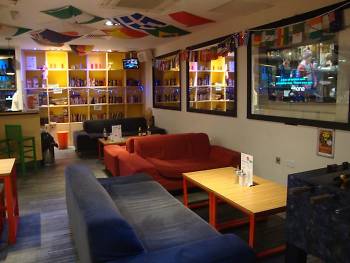
The people behind Clink knew that an old courthouse might make a perfect if incongruous hostel for young folk looking to party, so they had fun with it. Some bedrooms are cells that once held the accused, the courtroom is a TV salon, and there’s comfy, contemporary furniture throughout. Breakfast is included, there’s a licensed bar, and the location is great for pretty much all of central London – and Paris: the Eurostar is 10 minutes’ walk away. Dormitory beds start at £13.


YHA London Central

image3

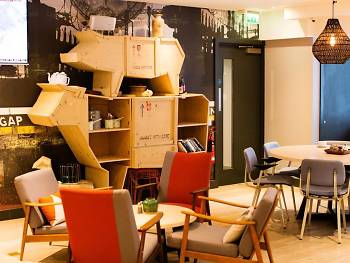
Forget the school camping-trip clichés, YHA is now tech-savvy and design-conscious, but still retains its cheap as chips appeal. The 104 beds at its Oxford St incarnation, one of six in London, is a relaxed spot with beds that start at £23. Rooms are arranged over five floors above a large pizza café and bar (open to non-guests). It’s neat, clean and sensibly throughout, with all the dorms and private en suites only accessible by     keycard. Free wifi in public areas.


QBic

image4

The concept of this Dutch import is simple: assemble 171 modular ‘cubi’ rooms in a cheap former office space in a central but slightly dowdy part of the East End and the guests pocket the savings (rooms start at £67). Qbic forgoes staff for self-service at check-in and for the free snack breakfast, though there are people on hand in the snappy-looking lobby should you need anything.


The Z Hotel Soho

image5

The rooms are small, and if you’re over six foot the beds are a squeeze, and there are no phones or proper wardrobes, but… really, at this price, for this location, you can’t complain. The attractive en suite rooms start at £69 and come with organic wool mattresses and duvets from Devon, and there’s free wine and cheese in the evenings. There are five other branches in town.


Pavilion

image6

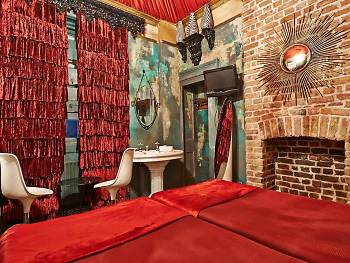
Pavilion made a name for itself as one of the capital’s go-to shoot locations for magazines, as well as a somewhat unlikely celeb overnight pitstop – unlikely, that is, given the wallet-friendly pricing (from £69) and lack of fanfare. Forget trendy, clean, pared-down decor, this is a self-styled ‘fashion rock ’n’ roll’ hotel with a riot of OTT interiors and themed boudoirs like the 70s-esque Honky Tonk Afro and Flower Power (heavy on the floral motifs) and Chinese-slanted Enter The Dragon.


The Dictionary Hostel

image7

Club kids, you’ve found your home: right at the axis of Kingsland Road and Old Street and so walking – or crawling – distance from Hoxton’s best dance spots. There’s a bar downstairs, Translate, and also a laundrette, a café, a small interior courtyard and an even smaller roof terrace. There are dorm beds and private rooms (with TVs, kettle and coffee) – though don’t come expecting a quiet night in. Breakfast is free and includes the highly prized beigels from nearby Brick Lane. Beds start at £17.


The Dictionary Hostel Tune

image8Tune now has five branches in London, and while it’s not as stylish as the Qbic, Z or Hub – we’re not sure about the alarming lipstick red everywhere – the locations are convenient (this one is brilliantly handy for Liverpool Street), and the vibe is non-fuss. To keep costs low, pretty much everything aside from the bed is an optional add-on, including wifi and towels. Rooms begin at £34.
 

Luxury Inn, De Beauvoir

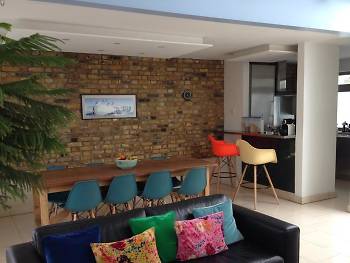
image9This family-run bed and breakfast is set in a converted factory in the conservation area of De Beauvoir in Islington and has four en suite rooms that surround a stylish loft space. A self-service breakfast in a shared dining room-lounge area, free run of the kitchen, and a courtyard garden make it feel homely, though if you want to explore, you have a whole of Dalston’s cafés and restaurants around the corner.
 

Garden Court Hotel

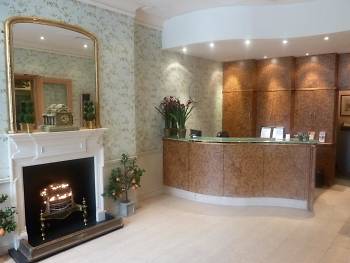
image10For a chance to explore west London without paying west London prices (rooms start at £58), try this independent, family-run hotel on a pretty Victorian street, a stroll from Notting Hill and Hyde Park. Rooms in this grand terraced house have a bright, modern feel and (other than the small ones) plenty of space. The lounge, with its wood floor and leather furniture, is a great place to kick back after a trek through the park after a West End matinee or shopping spree.


Stylotel

 image11The futuristic decor might seem a little incongruous on a street of terraced properties: once inside it’s all royal blue curtains, aluminium panelling and illuminated glassware that looks like something out of the Starship Enterprise. All rooms are clean and well-appointed, and have en suite pod bathrooms, but for a little more space and privacy, try Stylosuites, which are just around the corner above a pub. Rooms start at £99.
 

SoHostel

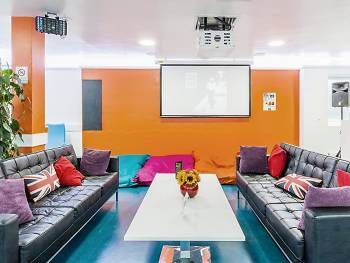
image12Decked out in bright primary colours, beanbags, funky London murals and its own roof terrace, this hostel is a strong contender among London’s budget accommodation. SoHostel certainly has a lot going for it with its light, spacious, nicely priced dorm rooms, twins and doubles (starting at £55). After a long day of strolling around the sights, you can enjoy a tipple at the guest-only bar and soak up the views from the roof garden. There’s also free wifi and breakfast is only a fiver. But it’s the location that can’t be beaten. You could spend a week exploring central London from your base here on Dean Street and never have to set foot on – or have to pay for – public transport.
11 Secrets Of Regent’s Park

regent_park.jpg

1. The borough boundary

Did you know that Regent’s Park sits in two different London boroughs? The Broad Walk, the north to south path in the east of the park is the boundary line — to the east of this is Camden, and to the west of this is Westminster.
Read about more of London’s borough boundary oddities.

2. AKA Marylebone Park

In 1539, the area that’s now Regent’s Park became part of the Crown Estate — except then it was known as Marylebone Park. Thickly forested and laden with deer, it was used by Henry VIII as a hunting ground. By 1646, it had passed to Oliver Cromwell, who let it out as small holdings, until it was returned into the regal mitts of Charles II in 1660. In the intervening years, over 16,000 trees had been cut down in the park to allow it to be used as farmland. It has remained part of the Crown Estate since 1660. It only became the Regent’s Park after John Nash landscaped it in the early 19th century.

3. Ice skating tragedy

Before the days of pop-up ice rinks, it wasn’t uncommon for people to take to iced-over lakes in London’s parks for a bit of recreational skating. Sadly, on 15 January 1867, this resulted in the deaths of 40 people in Regent’s Park. The thin ice cracked, plunging 200 people into the icy water, and while many osurvived, it took over a week to recover the bodies of all of the victims.

As a result of this disaster, the depth of the lake was reduced to 4-5 feet, to prevent future drownings.

lake.jpg

4. Several minor planets were discovered from here

No, not *that* observatory. Astronomer George Bishop (who made his fortune as a successful wine merchant) owned South Villa in Regent’s Park, and in 1836, he built himself an observatory nearby (on the site where Regent’s College London now sits). Several minor planets were discovered from the observatory.

The observatory closed on Bishop’s death in 1861, and the equipment was moved to his son’s own observatory in Twickenham. That closed a few years later, and the instruments are now at an observatory in Naples.

5. The secret garden

Queen Mary’s Rose Gardens within the Inner Circle is a beautiful area of the park, but for those who explore a little deeper, there’s a lesser-known garden just outside the Inner Circle.

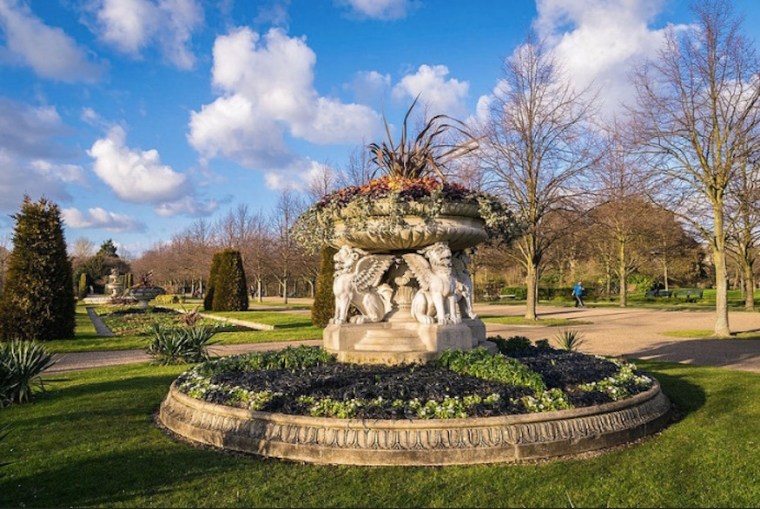
St John’s Lodge is a private residence in Regent’s Park, but the gardens are open to the public to visit for free. The centrepiece is a Grade II listed statue, donated to the gardens by the Royal Academy of Arts, and the garden also has a pergola walk, a fountain and a sunken lawn.

3296036114_889b735a92_b

6. The first palm houses

Before the famous Palm House at Kew (completed in 1848), another Palm House existed in London, in the centre of Regent’s Park.

The now-defunct Royal Botanic Society, established in 1939, was based in Regent’s Park where Queen Mary’s Gardens can now be found. As well as an experimental garden, which was open to the public, the Society built palm houses (opened in 1846) and a water lily house in the park, which existed until the Society ended its lease in 1932.

The palm houses were designed by Decimus Burton (also partly responsible for Kew’s Palm House and the Giraffe House at London Zoo).

7. Listed

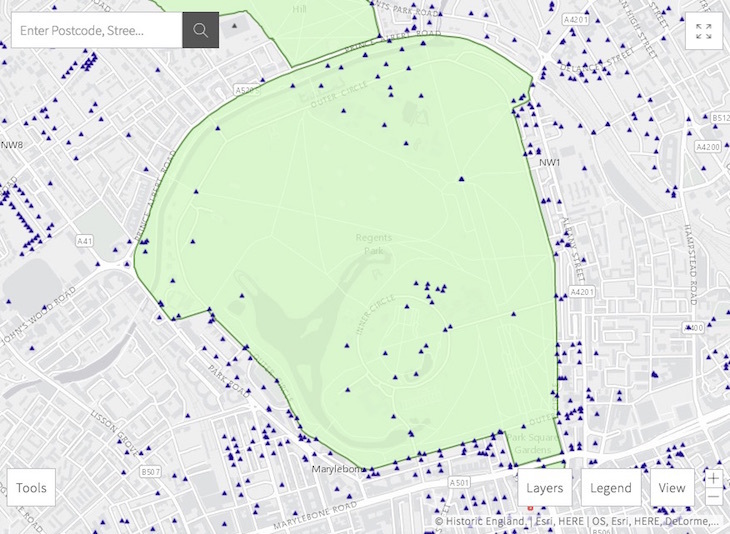
The park itself is Grade I listed but it contains plenty of building, sculptures, monuments, gates and bridges including large parts of London Zoo which are listed separately. Villas designed by John Nash make the list, as well as the footbridge over Regent’s Canal to Primrose Hill.

listed

8. The abandoned canal

You’ve probably heard of abandoned tube stations, but did you know that Regent’s Park has its own abandoned canal?

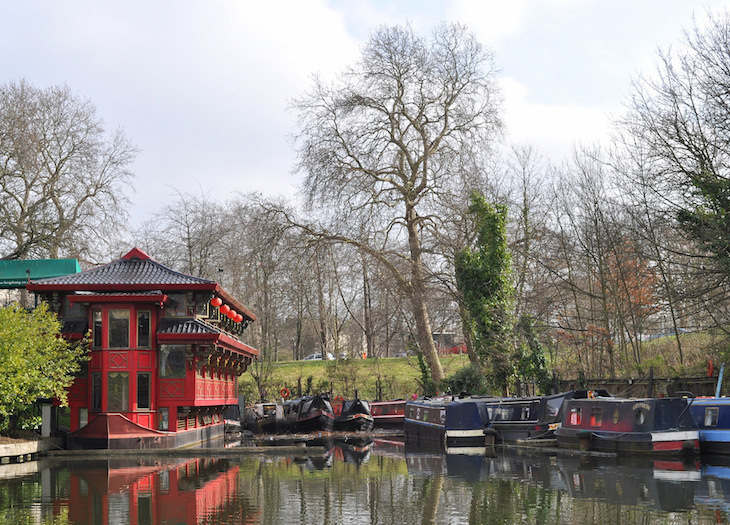
The Cumberland Basin, home to the Feng Shang Princess Chinese restaurant, used to extend further east, to the site that is now the London Zoo car park, and under Gloucester Gate. This part of the canal fell  into disuse just before the second world war, and was filled in with rubble from the Blitz. If you’ve ever wondered why Gloucester Gate is a bridge over nothing, this is why — water used to flow below it. Find out more about it on our Secrets of Regent’s Canal video.

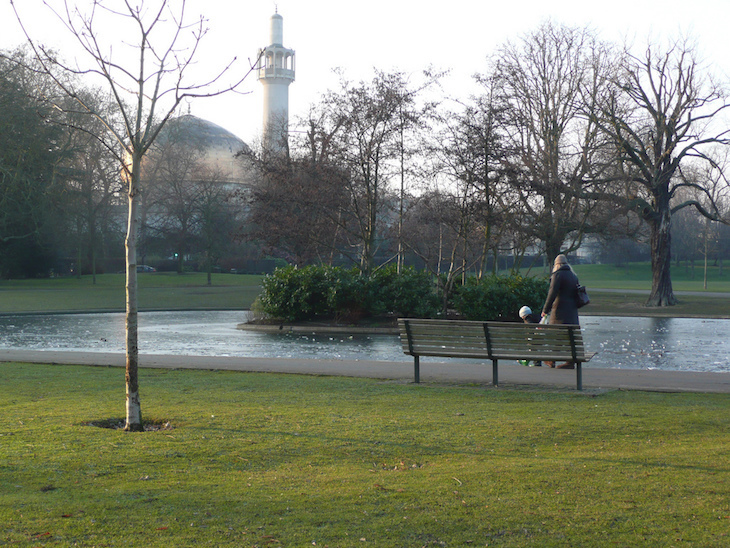
9. The mosque that took 37 years to build

Most visitors to the park notice the dome of the Regent’s Park Mosque (or London Central Mosque as it’s officially known) on the west side of the outer circle. The 2.3 acre site was gifted to the Muslim community of the UK by the British Government in 1940, and King George VI opened the Islamic Cultural Centre on the site in 1944, but the Mosque itself wasn’t built and opened until 1977.

6975645625_ab4cf537fa_k

10. Railings in demand

The park was ringfenced by wooden railings until 1906 when the process to replace them with iron railings began. This process took until 1931… and then a few years later the iron railings were removed for the war effort. They were replaced with chain link fencing, much of which still exists today.

11. It’s the reason we have Regent Street

Regent Street was built to link Regent’s Park to Carlton House, near Piccadilly.

13 surprising things to do on Seven Sisters Road

image

The compassionate response to last month’s attack on Muslim worshippers in Finsbury Park showed the strength of the community in this corner of north London. People love this area, and there’s no better place to see that than along Seven Sisters Road. Running for almost three miles through Islington, Hackney and Haringey, it’s a bustling stream of activity lined with Algerian grocers, Somali internet cafés, Afghan grill houses, Turkish barbers, Italian delis, Ethiopian restaurants and whatever else you can think of.

Let’s rewind to where it all began. Seven Sisters in Tottenham was named in the eighteenth century after seven elm trees growing in a ring on a common piece of land called Page Green. Some say they were planted by seven sisters about to go their separate ways; others say the clump was used as a pagan temple. But there are no records, so like many London legends it could all be complete and utter bull.

Over the centuries the seven trees have been replanted several times as the area has developed, and Seven Sisters Road has turned from a rural track between villages into a major city artery criss-crossed by train and tube lines. The road we all know and love today is a vibrant London thoroughfare that’s more defiantly alive than ever.

Eat this

Снимок экрана 2017-07-19 в 9.25.59

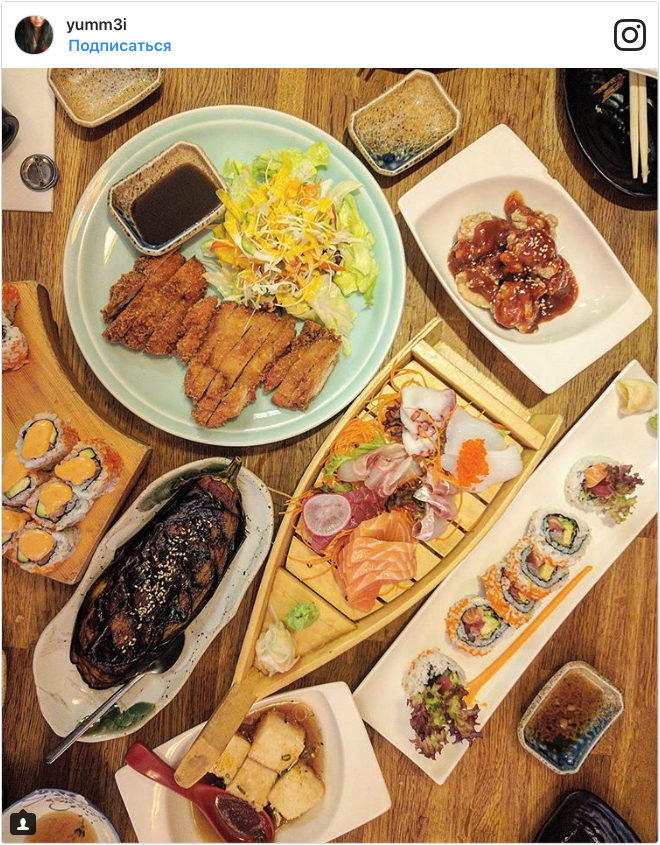
The Hana Special Maki, a dreamy deep-fried sushi concoction created by the chefs at Studio Ghibli-themed restaurant Hana Sushi.

A traditional kebab straight from the brazier at Greek eatery Apollo, which also hosts live music, dancing and lots of impressive moustaches until 3am most weekends.

A big, fat Asian feast at the family-run RoundSquare restaurant. Then hit the secret karaoke room.

The kimchi lasagne at Vegan Yes inside Nag’s Head Market. Created by the Italian-husband-and-Korean-wife duo who run the place, it offers the best of both worlds. It’s cruelty-free too!

Drink this

Снимок экрана 2017-07-19 в 9.26.50

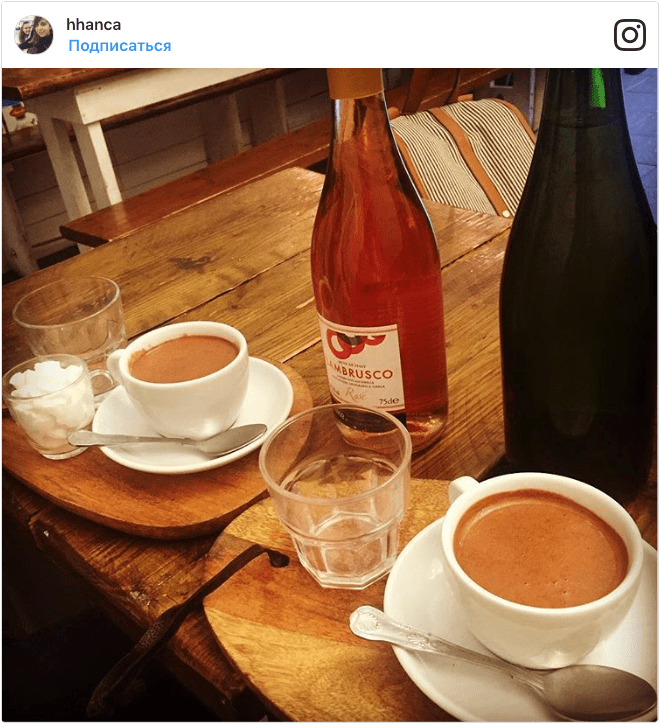
A proper Italian espresso at Girasole, a cute Italian deli where you can sample fresh Italian bakes, cakes and hot food.

Pre-game or post-game pints at old-school boozer The Eaglet. Friendly advice: don’t wear a Spurs shirt.

A craft beer or two at Jeremy Corbyn’s local, The Bedford Tavern. Spend your Sunday afternoon tucking into a massive roast while a smooth, live jazz band plays.

Do this

Снимок экрана 2017-07-19 в 9.28.06

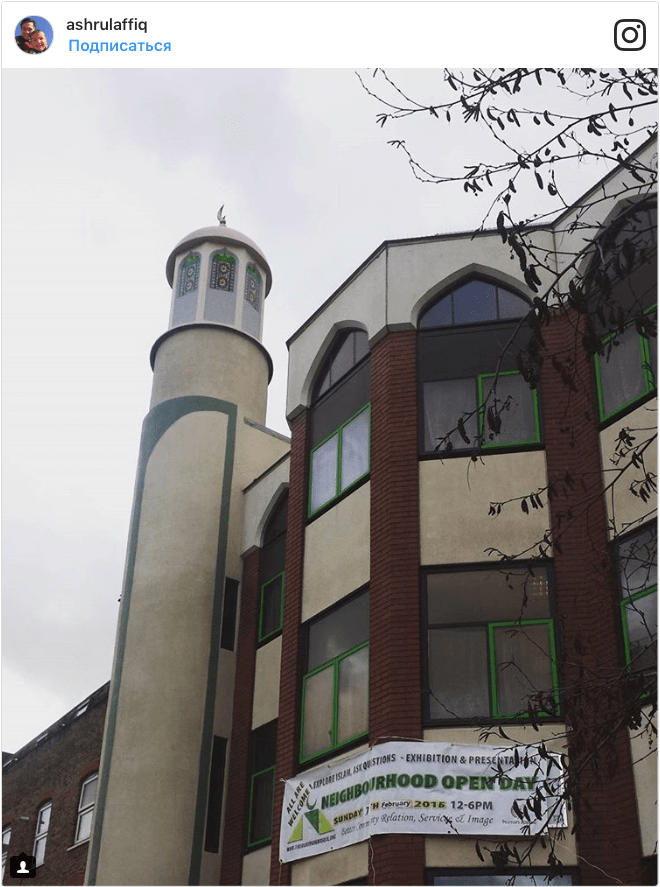
Take a tour of the Finsbury Park Mosque, just off the main drag on St Thomas’s Road. With regular open days and daily prayers, it’s a friendly and welcoming place.

Leave your poorly bike in good hands at Finsbury Cycles. With the help of its experienced staff, you’ll be back on two wheels in no time.

Buy this

Снимок экрана 2017-07-19 в 9.29.01

Second-hand gems and antique bargains at Nag’s Head Market. Whether it’s a box of organic eggs or metres of sari trimmings, you’ll find hidden treasures aplenty inside this sprawling place.

Fresh fruit and veg from the weekend market stalls surrounding The Enkel Arms. Get yer poun’-a-bowl bargains here!

A massive bag of frozen dumplings, fresh seafood and hard-to-find Asian supplies from Hua Run. This friendly neighbourhood Chinese supermarket gives Chinatown a run for its money.

And if you only do one thing…

Снимок экрана 2017-07-19 в 9.30.02.png

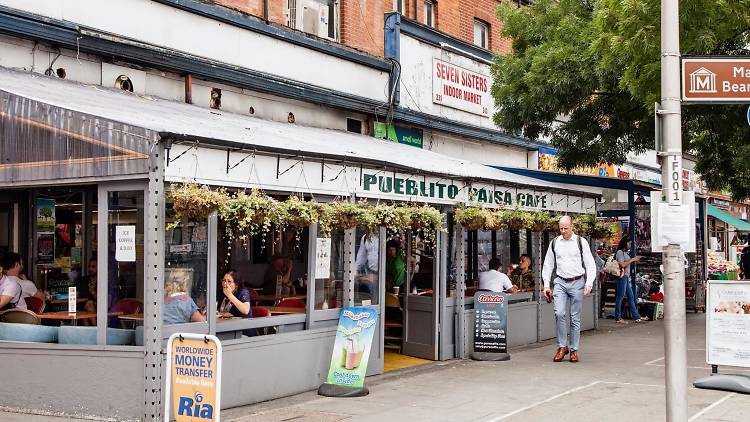
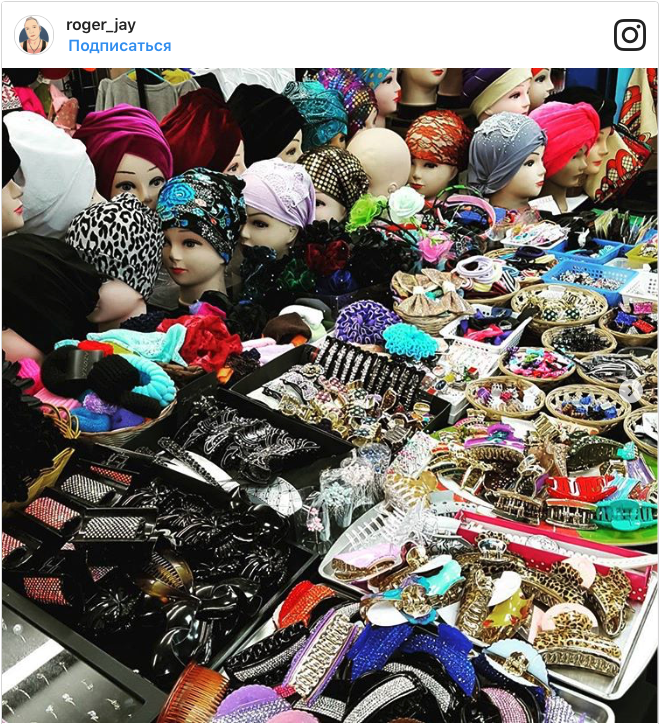
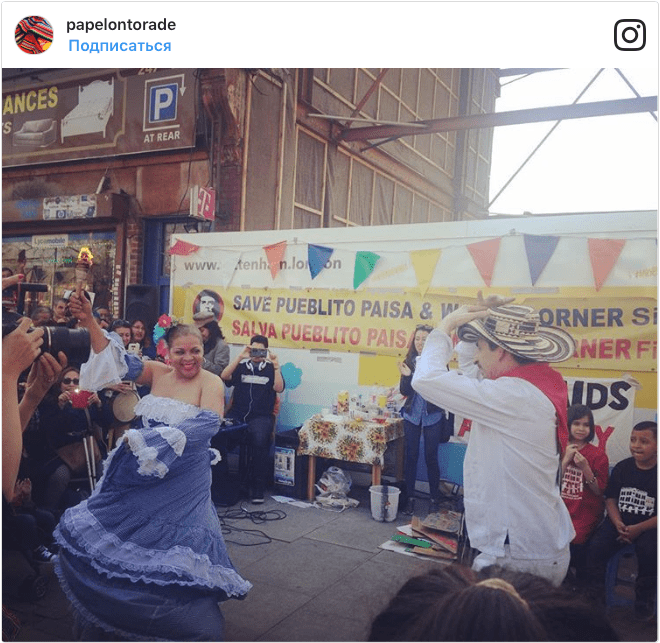
Pop into Seven Sisters Market, a unique community of 30-plus Latin American shops, cafés and canteens. Campaigners are fighting to save it from redevelopment.

Ten Interesting Facts and Figures about Leadenhall Market

Leadenhall_Market_In_London_-_Feb_2006_rotated-590x400.jpg

One of the oldest markets in London, Leadenhall Market’s creation dates back to the 14th Century. Even before that, the site of the market was the central part of Roman London. Always a center for commerce, today the covered market mostly caters to food and flower shops and even has a magical connection. Its architecture is beautiful to behold and has been restored and enhanced over the years to ensure that it continues to be a major destination for shoppers and tourists alike. So what interesting facts can we find under its glass ceiling? In the shops and stalls that line its corridor? Read on.

And I Ran, I Ran so Far Away

During the 2012 Summer Olympics in London, Leadenhall Market was actually used for a portion of the marathon event. Runners in both the women’s and men’s marathon events entered the market through Whittington Avenue and left through Lime Street.

Magical Mystery Film

Parts of Leadenhall Market were used as Diagon Alley for the various Harry Potter films as well as the Leaky Cauldron. Though the storefront used for the Leaky Cauldron was empty at the time of filming Harry Potter and the Philosopher’s Stone, it’s not occupied by an optician’s shop. Other films made there include Lara Croft: Tomb Raider, The Imaginarium of Dr. Parnassus, and Hereafter.

Making the List

Leadenhall Market is a Grade II listed building, having been added to the Statutory list of Buildings of Special Architectural or Historic Interest in 1972. Grade II means that a building is of special interest and everything should be done to preserve it.

From Home to Market

In the 1300s when the market was founded, the building it belonged to was actually the manor of Sir Hugh Neville. Eventually, Lord Mayor Richard “Dick” Whittington (for whom Whittington Avenue was named) purchased the building for the city in 1411 after the area around it had long been used as a marketplace.

Leading Place of Commerce

The tronage of wool was actually determined at Leadenhall Market by the mid-15th Century, tronage being the duty paid for the weighing of course goods at market. This signified its importance in the city’s commerce.

Roman History

During Roman times, the Leadenhall area was a major part of the Roman settlement of Londonium. In 1803, the “most magnificent Roman tessellated pavement yet discovered in London” was found across the street from the East India Company building. It was 9 ½ feet below the street and depicted Bacchus riding a tiger with drinking cups, serpents, cornucopia, and more. Unfortunately, part of it had been destroyed to make room for a sewer. What remains was preserved by the British museum.

Last of His Kind

“Old Tom” was once a celebrated figure in Leadenhall Market. He was a gander who had managed to survive the slaughtering of 34,000 of his fellow geese. Inn keepers and shop owners would feed him. When he died in 1835 at the age of 38, he lay in state in the market and was buried there.

Architectural Wonder

The old market was demolished in 1881 to make way for a more Victorian building designed by Sir Horace Jones, who also built the Billingsgate and Smithfield markets. Like many buildings of the time (such as the Crystal Palace) it was rebuilt with wrought iron and glass.

Banking on a Pint

The nearby Counting House Pub has one of the most gorgeous interiors of any pub in the city. It was built in 1893 as a banking hall and still maintains many of its fixtures such as the marble walls, chandelier, and even a domed ceiling. It is perhaps the most elegant place to have a pint and having one there will certainly make you feel rich.

A Game of Cricket

Back in 1766, a major game of cricket took place between the poulterers and the butchers from the market for “a considerable sum of money and a fine whole lamb for supper”. The poulterers won, though no score could be found for the purposes of this article.

34 ways to have the staycation of a lifetime in London this weekend

image

Not got a holiday booked? There’s no need to enviously scroll through your mates’ poolside Instagrams. Let Susanna Huth, Matt Breen and Kate Lloyd take you on the capital staycation of a lifetime…

Have a happy hour

1. Polpo runs daily ‘spritz’ happy hours from 4pm to 6pm at all of its venues, during which Aperol and Campari spritzes cost just £5. Head to its Smithfield branch for the most Continental vibes.

2. The courtyard at Bar Story in Peckham is a great spot to top up your tan. They do two cocktails for £7 on weekdays, 6pm-7pm.

3. It wouldn’t be holiday time without a rum cocktail or two (or three). Rum Kitchen in Notting Hill has a happy hour menu packed with them every day, 5pm-7pm. Sober up with a jerk chicken burger while you’re there.

Take a day trip

Снимок экрана 2017-06-27 в 21.57.32

4. If you take a trip on the 166 bus from West Croydon to Mayfield Lavender Farm during the summer, you’ll find vast fields in full purple bloom.

5. Venture into the murky depths of Chislehurst Caves in Bromley, a labyrinth of manmade tunnels used for chalk mining, smuggling and even gigs in the ’60s.

6. No self-respecting Londoner should pass up on an excursion to ancient Epping Forest at the eastern end of the Central Line. To be honest, after that journey, you’ll be grateful for the fresh air.

Hit the beach

Снимок экрана 2017-06-27 в 21.58.49

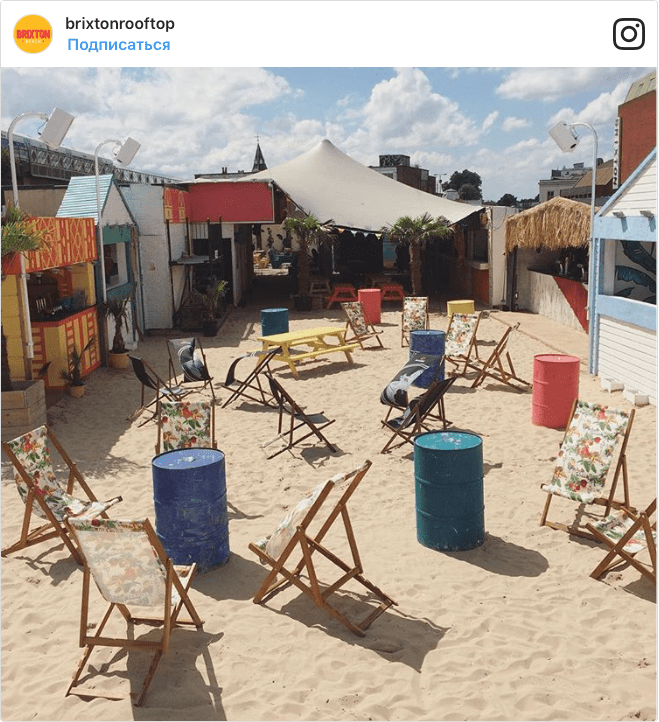
7. There are basic beaches, and then there are London’s urban beaches. Take Brixton Beach, for example, a sandy rooftop spot that’s home to parties, street food and film screenings.

8. The Beach Bar at Bloomsbury’s The Montague on the Gardens should be your go-to if you like to sunbathe with a side of tropical drinks.

9. Want the real beach deal? Laze on the sandy shore of Ruislip Lido in Hillingdon and you’ll be able to cool off in the water and in the adjacent shady woodland.

Have a spa break

Снимок экрана 2017-06-27 в 21.59.28

10. Nothing takes you from stressed to blessed like a luxe spa break, but you don’t have to head to the country (or spend a ton of money) to find one. Bethnal Green’s York Hall is super-affordable.

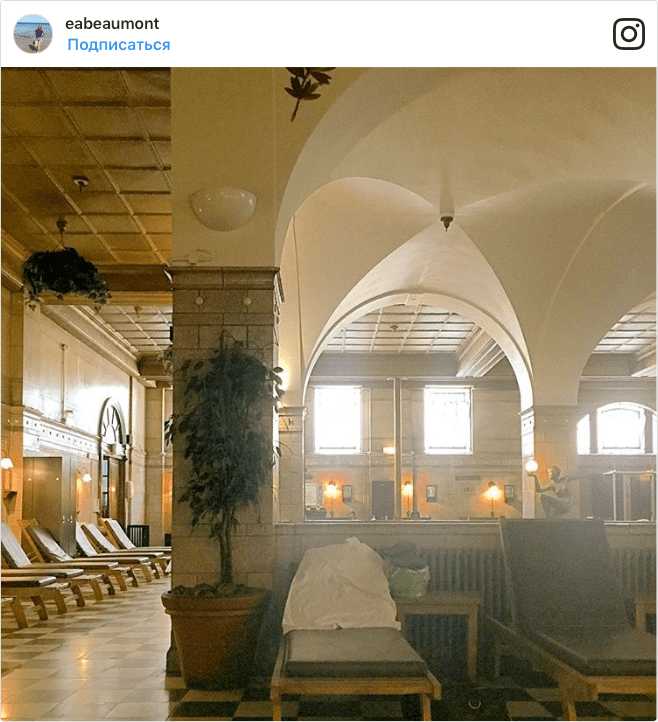
11. Porchester Spa near Hyde Park is a steamy Turkish-inspired oasis that features tiles from the 1920s.

12. For something more alternative, try floation therapy at The Floatworks in Vauxhall, London’s very own Dead Sea.

13. There’s also Banya No 1 in Shoreditch, London’s first authentic Russian spa, offering vodka shots and 10C plunge pools. The definition of ‘vacation’ is being swathed in hot wet leaves, right?

See the (alternative) sights

image2

14. Don’t think a trip to a historic building involves a car journey to the countryside – there are plenty to visit within the M25. Sutton House is a beautiful Tudor manor house in Hackney of all places, with a few surprises, like a mural painted by a group of squatters in the ’80s.

15. The early nineteenth-century Brixton Windmill will transport you back to the days when SW2 was just fields and orchards.

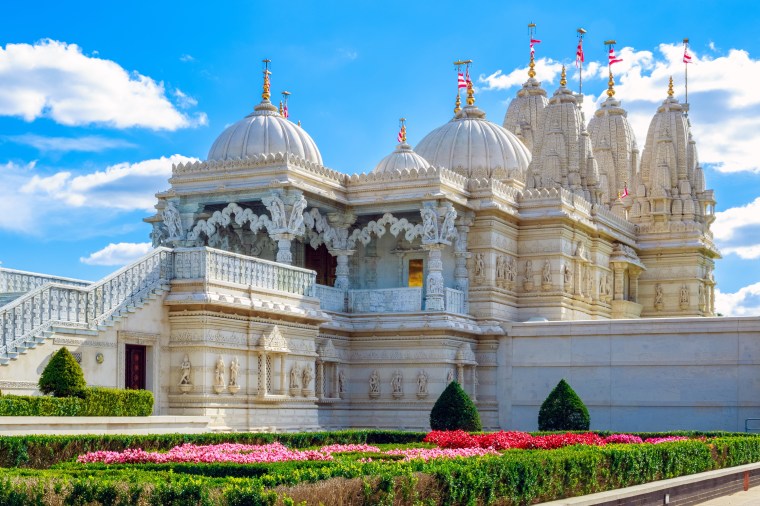
16. Perhaps London’s most unusual architectural gem is the BAPS Shri Swaminarayan Mandir temple in Neasden: a huge marble-and-limestone edifice of traditional Hindu design, open to everyone throughout the year.

Be a culture vulture

Снимок экрана 2017-06-27 в 22.01.03

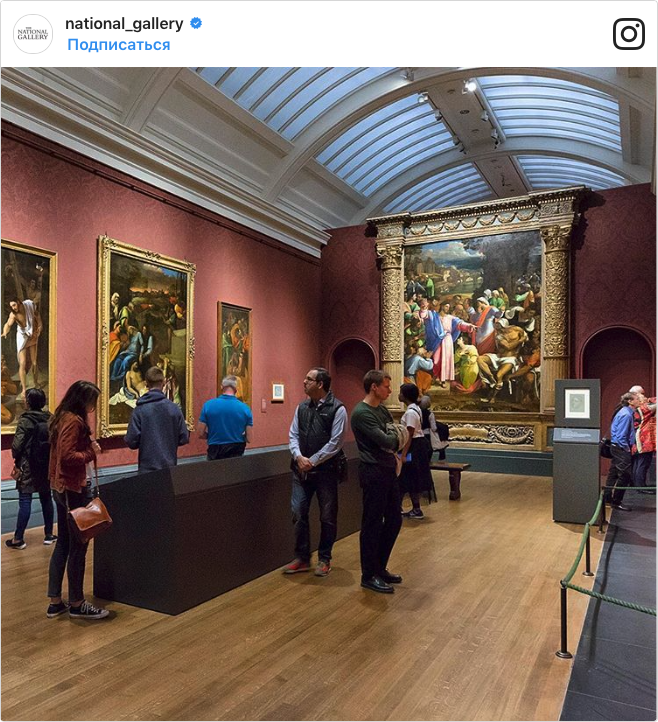
17. If you want to play it smarter than the average tourist, be strategic and selective. Why jostle for space among the Van Goghs at the National Gallery when you can drool over the Dutch flower paintings in Room 17a in relative seclusion?

18. Why trek the length and breadth of the British Museum when the gorgeous Celtic jewellery in the Roman Britain section is worth a whole trip in itself?

19. Don’t forget that some of the nicest places to eat and drink in London can be found in our institutions: the V&A’s courtyard café, for example, is the perfect spot for a coffee in the sunshine.

Be a tourist

Снимок экрана 2017-06-27 в 22.01.47

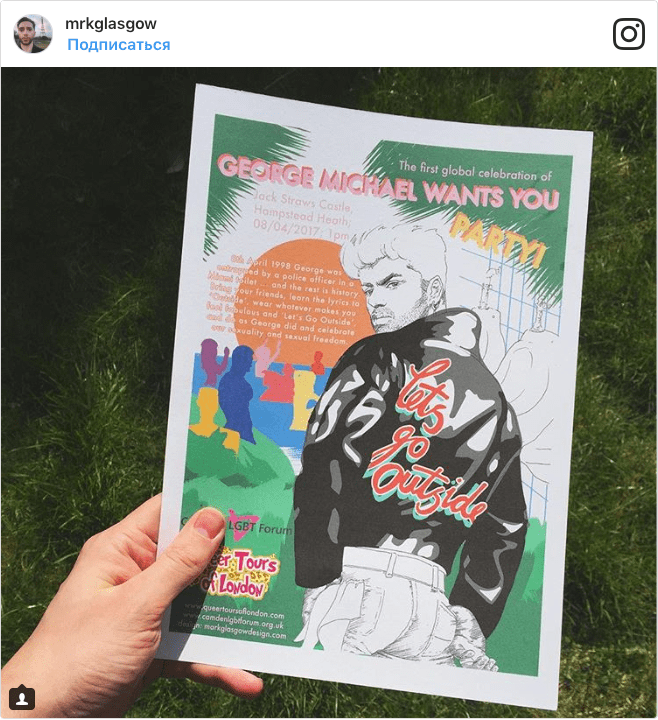
20. Walking tours must be one of the activities most under-subscribed by locals – which is a shame, because, beyond the Jack the Ripper nonsense, there’s a fair few cool ones, like Queer Tours of London, which delve into the city’s LGBT+ history.

21. Also touristy, City Cruise’s Sundowner trips give you the opportunity to enjoy the Thames at sunset.

22. And half a decade might have passed, but you can relive Olympic fever by taking a trip up the London ArcelorMittal Orbit in Stratford, and spiralling down Carsten Höller’s add-on slide – the world’s longest, at 178 metres.

Holiday camp it up

Снимок экрана 2017-06-27 в 22.02.25

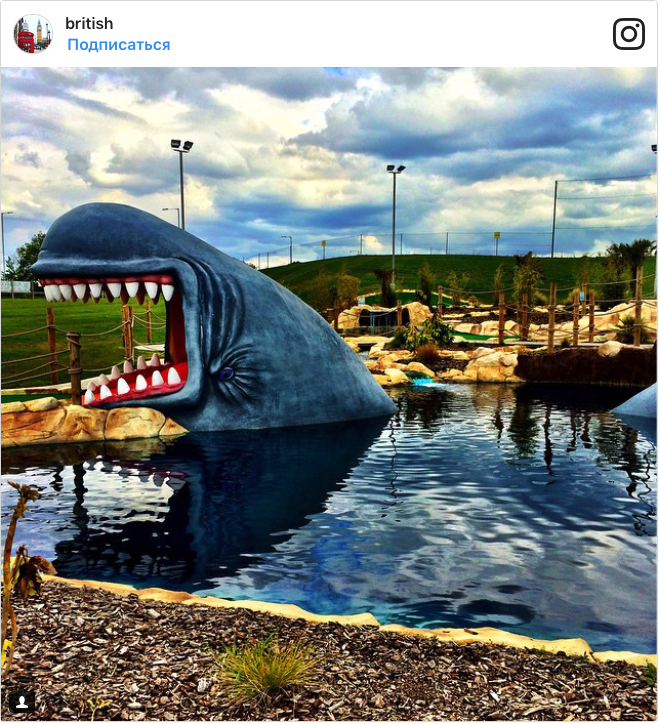
23. Dagenham’s ‘Moby-Dick’-themed Moby Golf has a lagoon, eight-metre waterfall and an enormous model whale for extra lols as you work on your putting skills.

24. Over at Roof East in Stratford, you can indulge in some roller disco and reminisce about the heady days of the ’70s you never lived through.

25. Over at the lawn-club-themed rooftop spot Skylight at Tobacco Dock, you can play a game of croquet: the perfect summer pastime, since you can drink throughout.

Eat alfresco

Снимок экрана 2017-06-27 в 22.03.03

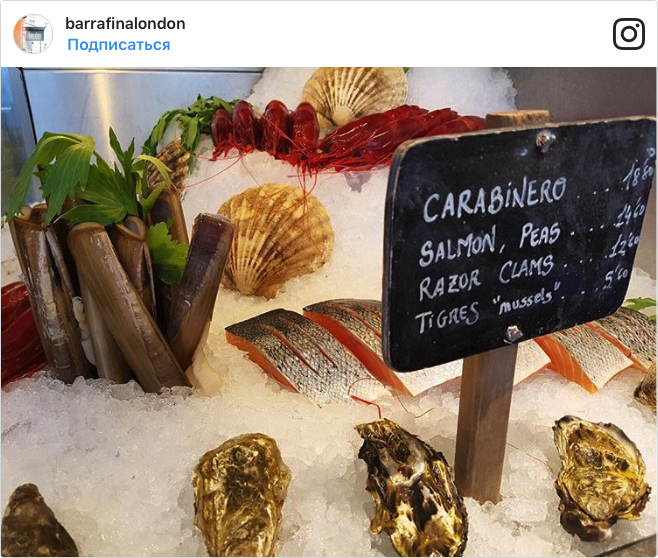
26. Eating alfresco at Barrafina on Drury Lane is extra-special, though, as you can chow down on some of London’s best tapas – from cuttlefish empanadas to salt-baked prawns – while chilling on its terrace.

27. Inhale salted butter caramel and flambéed pear crêpes in the garden of Clapton’s Le Merlin Crêperie.

28. If Brexit really does mean Brexit for you, then keep things traditional: get takeaway fish and chips and enjoy it on a park bench. We recommend Hook in Camden or Sutton & Sons in Stoke Newington. Don’t forget to wear a knotted hankie on your head, you true Brit, you.

Have an island adventure

Снимок экрана 2017-06-27 в 22.03.46

29. Eel Pie Island is a sleepy spot near Twickenham with a rock ’n’ roll past – in the ’60s it was the home of legendary rock venue the Eel Pie Island Hotel and was a mecca for hippies and music fans. Around the pretty boatyard there are dozens of artists’ studios, which open their doors for two weekends each summer. Eel Pie Island studios are open to visitors on Jun 24-25 and Jul 1-2.

30. Further downstream you can admire London’s most fancy-schmancy houseboats moored around Taggs Island near Hampton Court Palace (but it’s private, so resist going all pirate and stepping ashore).

Splash out

Снимок экрана 2017-06-27 в 22.04.35.png

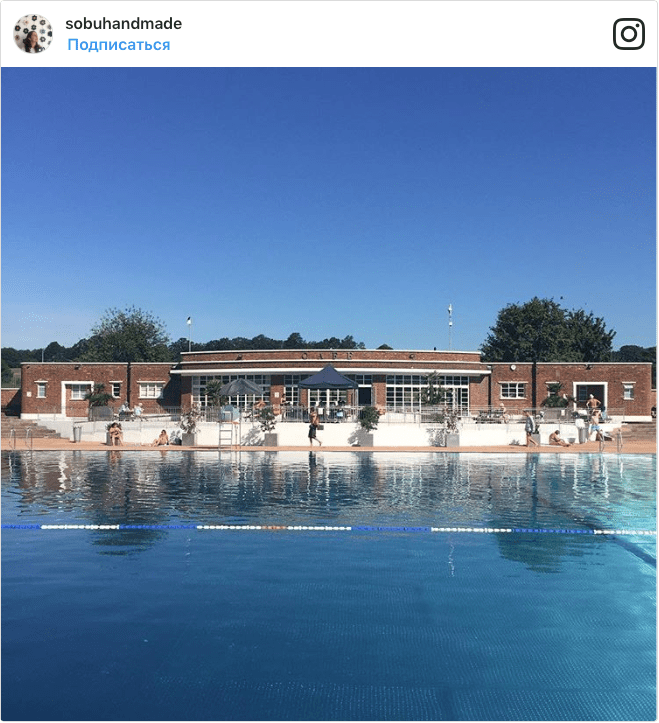
31. Londoners have spent summer days cooling off at Parliament Hill Lido in Dartmouth Park since 1938. The retro pool’s probably the most beautiful in London, with a steel liner which gives the water a metallic shimmer.

32. Brockwell Lido in Herne Hill has an award-winning café, or you can splash around with the ducks at Hampstead Ponds.

33. If you’d rather stay on top of the water than plunge into it, spend an afternoon on a pedalo on Victoria Park’s boating lake.

34. Take a sailing lesson at Southbank Sailing Club and become captain of the Thames for a day. Ahoy!