5 London cafés you won’t be able to stop yourself from Instagramming

People used to sniff at seeing someone take a photo of their food, but now it’s commonplace for the whole joint to look like a game of musical chairs, with people hopping onto their stools to get the perfect bird’s-eye view of their brunch. Here are the top five places to unleash your inner influencer (and not feel like a wanker in the process).

Farm Girl at No.1 Carnaby

image1

This is the new sister site to the original Notting Hill mothership (they were the ones that made rose lattes a thing). Here, you can get your fix of teff porridge (an ancient grain eaten by long-distance runners – think of it as the new quinoa), do a bit of Mandala Flow pilates (in the Sweaty Betty fitness studio downstairs) and get the best undone blowdry (back upstairs at Duck & Dry), all under one roof. Sold.

1 Carnaby Street, W1F 9QF

High Mood Food Café

image2

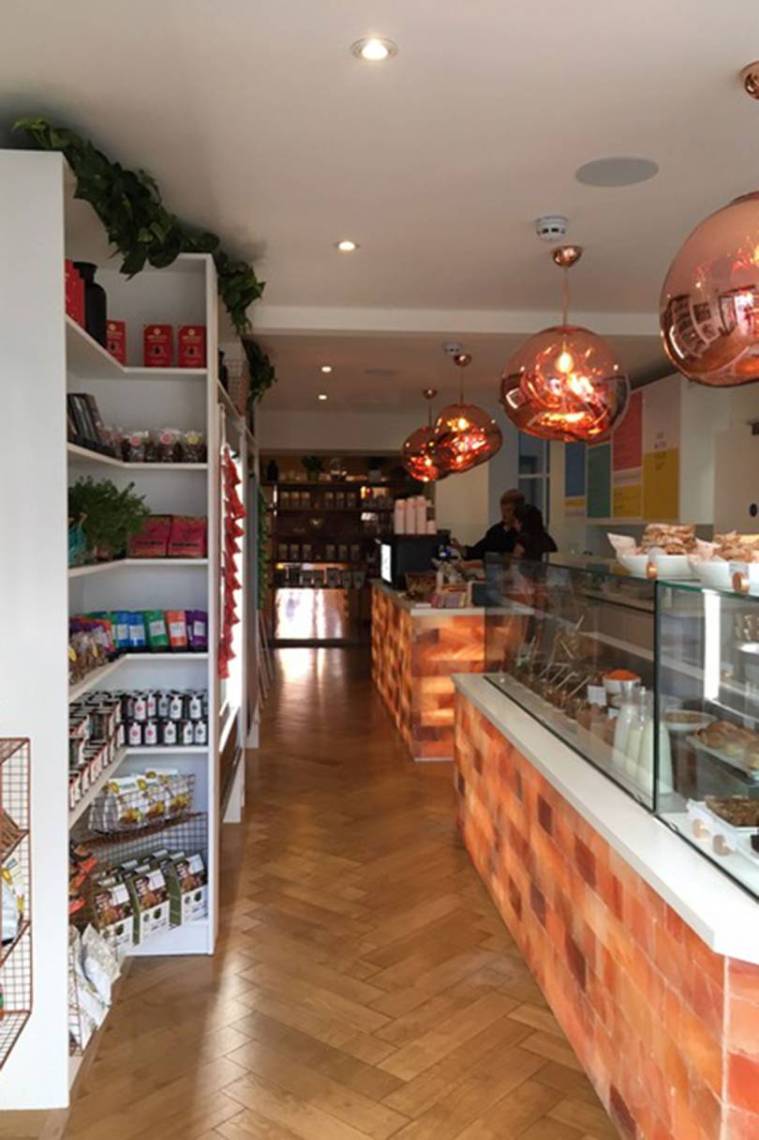
When a menu features fermented drinks (‘Gut’ is a delightful-sounding cocktail of probiotic kraut brine and Kombucha vinegar), kefir and a buddha bowl, you had better make sure you’ve got plenty of space on your camera. Excellent copper lampshades too.

25 Duke Street, W1U 1LD

Detox Kitchen

image3

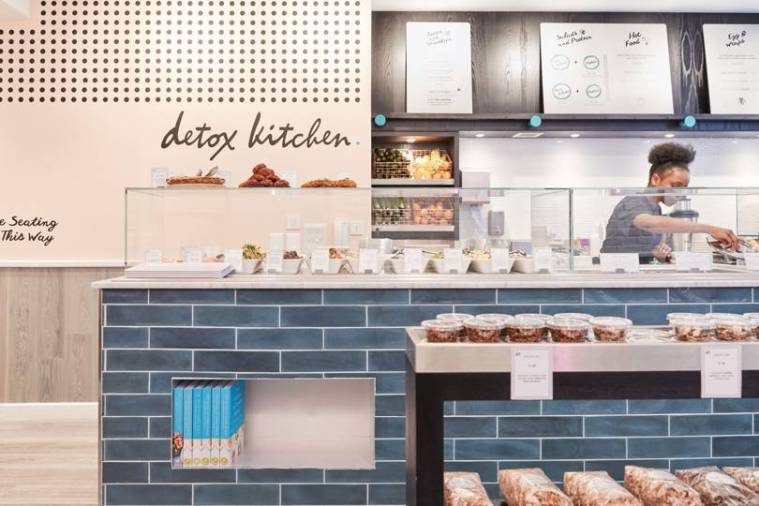
Detox Kitchen were so far ahead of the healthy-eating trend that they were basically single-handedly responsible for bringing beetroot brownies to the UK. Now you can enjoy their photogenic food at any of their THREE delis. Otherwise, their ‘grab and go’ range can be taken to your preferred shoot location.

Branches in Soho and Fitzrovia

Palm Vaults

image4

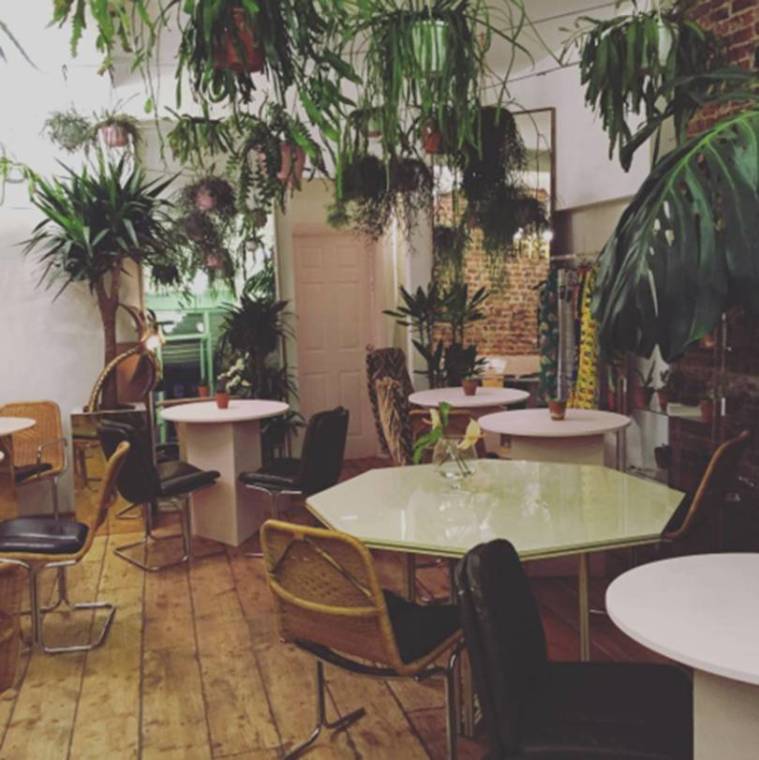
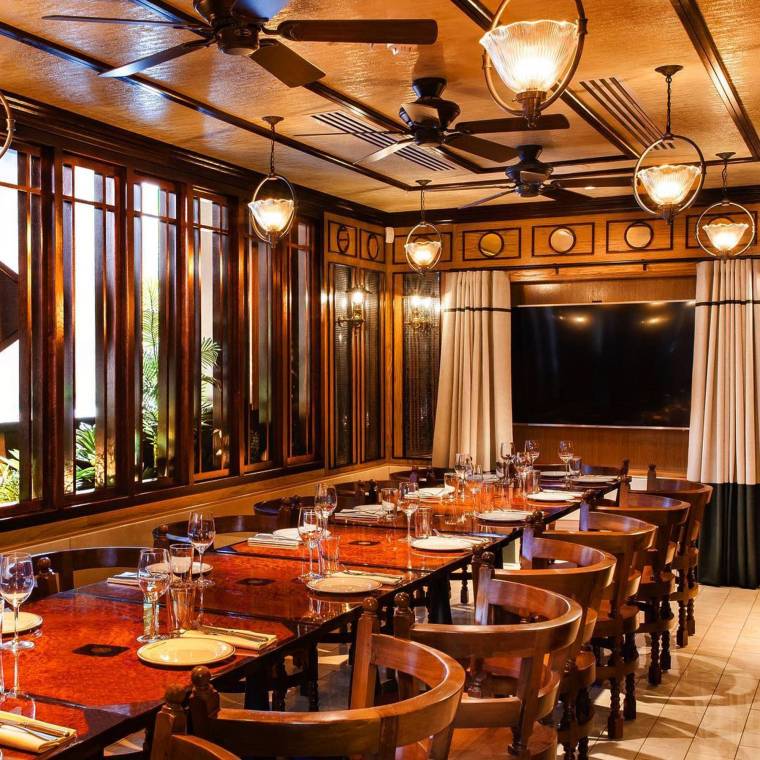
Vegan menu and red-velvet lattes aside, the baby-pink interiors here are off-the-scale Instagrammable. Think ‘Seventies furniture inside a greenhouse meets Miami’ vibes. Surprisingly, it works.

411 Mare Street, E8 1HY

Yeotown Kitchen

image5

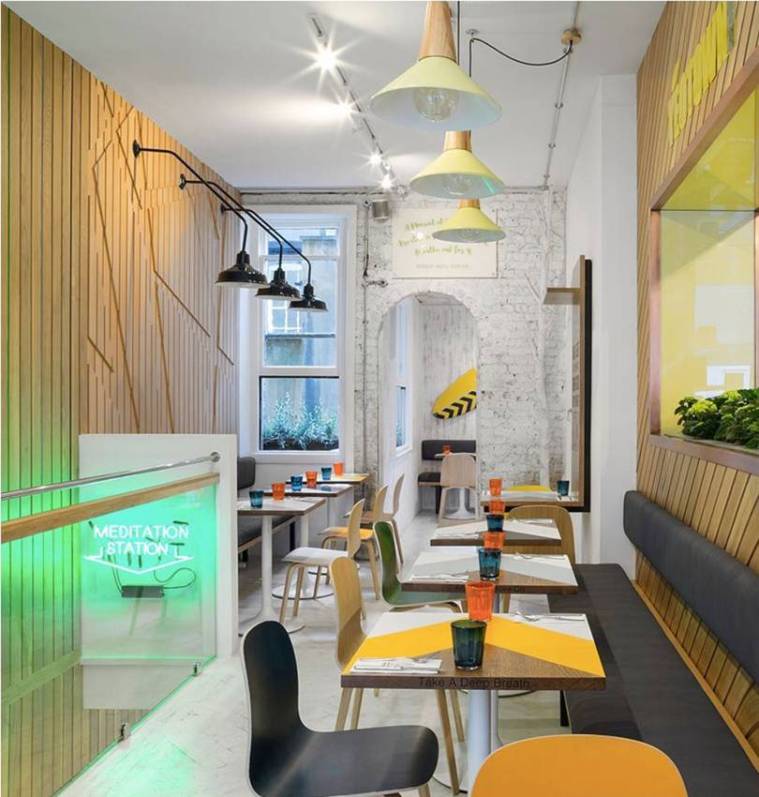
This is London’s first ‘mindfulness café’, which means not only can you order the prettiest rainbow-hued açai bowl, but you can listen to a guided meditation inside a ‘meditation pod’ while you eat it. And those primrose-coloured tables do make for a lovely backdrop.

42 Chiltern Street, W1U 7QN

The Fiver – Five of London’s Oldest Theaters

London is home to one of the best theater districts outside of Broadway.  Most can be found throughout the city’s West End in Westminster and Camden.  Naturally, being the center of the drama world means that the West End is also home to London’s oldest still-standing theaters, grand palaces built to house everything from Shakespeare to modern productions.  We’ve managed to identify the five oldest still in operation, going back more than 350 years.  While these are the oldest, they may not represent your personal favorites, so let us know what those are in the comments.

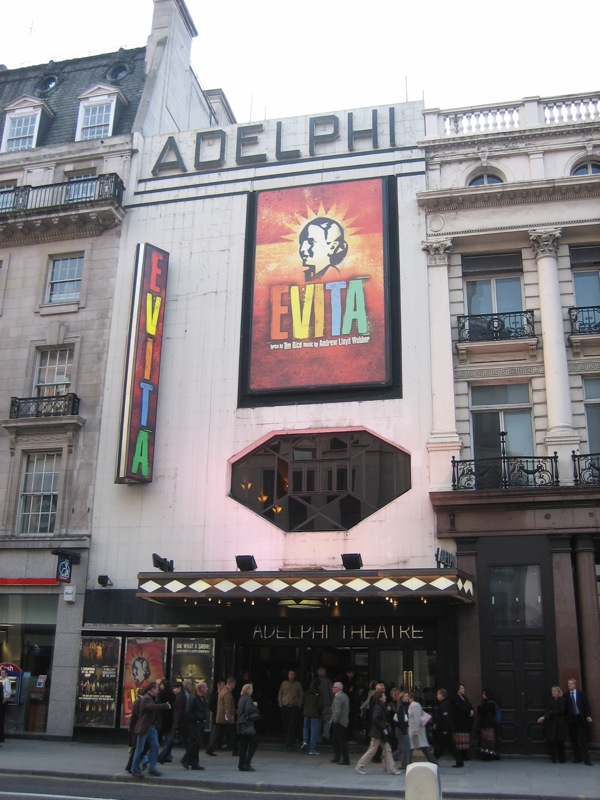
The Adelphi (1806)

image1

Some fathers will do anything for their daughters, and in the case of merchant John Scott, that meant buying a theater for his daughter Jane, a theater manager, playwright, and actor.  It opened as the Sans Pareil (“Without Compare”) in 1806, and after Jane married and retired from theater, it reopened under its current name in 1819.  Its current show is Kinky Boots, based on the film of the same name about a struggling shoe factory owner who partners with a drag queen to save the family business.

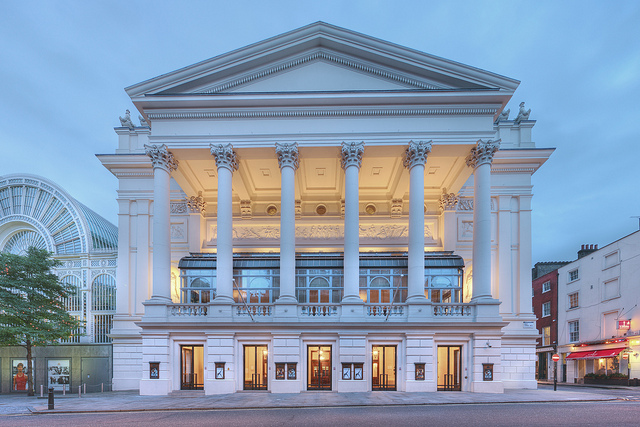
The Royal Opera House, Covent Garden (1732)

image2

1728 saw John Gay’s The Beggars Opera had a then-record 62 performances and gave its producer, John Rich, enough money to build his own theater, known first as the Theatre Royal, Covent Garden.  This theater and another on this list were the only theaters at the time to have patents to do spoken-word drama, so competition between the two during summer was fierce.  It was a playhouse for the first 100 years of its life and now serves as the home to the Royal Opera, the Royal Ballet, and the Orchestra of the Royal Opera House.  Its shows vary, so be sure to check the schedule before you go.

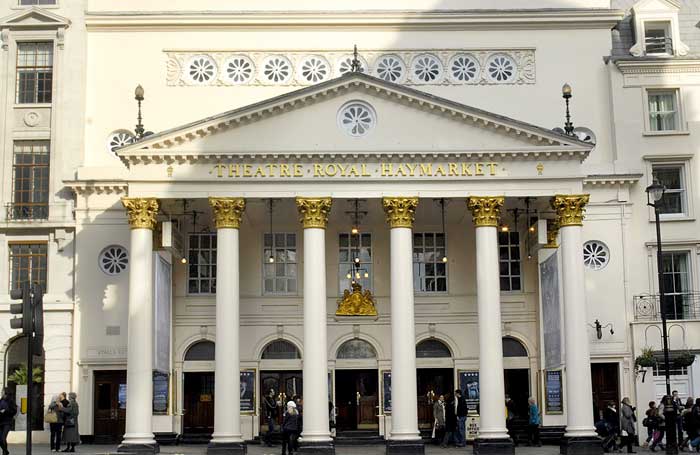
Theatre Royal, Haymarket (1720)

image3

One thing you’ll find is that there have been a lot of playhouses bearing the title of “Theatre Royal” over the years, and the theater in Haymarket was actually the third patent theater to share that name, earning its patent in 1754.  The first theater was built here by John Potter in 1720 and was known as Little Theater until it acquired its patent.  This summer sees performances of Tartuffe and Broken Wing, while the theatre in the day puts on a Master Class segment for those interested in a career in theater, television, and film to learn from the experts.

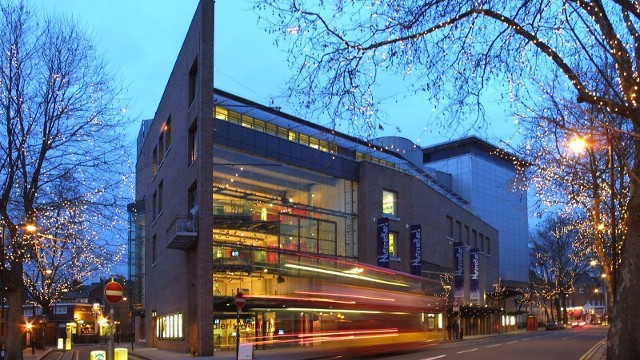
Sadler’s Wells (1683)

image4

London’s second-oldest theater opened in 1682 as the “Musick House” run by William Sadler and was the second theater to open in the city after the Restoration.  The discovery of monastic springs on the property gave it its name and drew people to then-rural Islington for its “healing” waters and lively performances.  Another five theaters would be built on the site, culminating in the current building which opened in 1998.   Performances vary, so you will want to check the schedule first, but Sadler’s Wells is primarily a venue for touring dance and ballet companies.

Theatre Royal, Drury Lane (1663)

image5

With most theaters shut down during the Commonwealth Period, the Theatre Royal at Drury Lane was the first to open with letters patent from King Charles II in 1663.  It survived the Great Fire in 1666 only to burn down in 1672 but was rebuilt in 1674 and has been putting on a variety of performances ever since.  Most historians accept that the second theater was designed by Sir Christopher Wren and it is a Grade I listed building.  This year’s performances see everything from an evening with Joanna Lumley to 42 Street and a live orchestra performing scores along with film screenings of La La Land, The Italian Job, Paddington, and Love Actually.

Ten Brilliant British Idioms and Their Meanings

An idiom is a phrase or expression that carries meaning that may not be self-evident.  The expression might be so old that it’s origins have little meaning to us today, though the idiom still conveys value.  While some British idioms translate to America, others are more difficult to decipher outside of UK culture.  As such, we’ve found ten common British idioms and unraveled their meanings for an American audience.  If you have any favorite British idioms (or idioms from any other country), please share them and their meanings in the comments below this article.

Absolute Unit

Our first idiom is a more recent entry but has gained prominence due to the internet.  An “absolute unit” is a reference to something that is overweight or very large.  The use of the word “absolute” is a modifier in British lad culture and was first applied to an image of hotelier David Morgan-Hewitt.

As the Actress Said to the Bishop

This phrase is essentially a double-entendre, implying a sexual reference whether intentional or unintentional.  For fans of the US version of The Office, this is the British equivalent of Michael Scott saying “That’s what she said.”

Bob’s Your Uncle

Tends to mean achieving some level of success or a conclusion.  An American equivalent might be “and there you have it.”  The phrase supposedly originated with Robert Arthur Talbot Gascoyne-Cecil, 3rd Earl of Salisbury, who appointed his nephew, Arthur Balfour, to several high-profile governmental posts.  Balfour would go on to have a successful public career on his own merits, but would never have gotten his start without his uncle’s help.

Beyond the Pale

For something to be “beyond the pale” means that it’s gone way too far.  This could be something said in a discussion or an action taken.  A “pale” is an old term for a stake that served as a boundary marker, meaning that once you went “beyond” it, you were in a place you shouldn’t go.

Codswallop

A British slang word for “nonsense,” codswallop came about because of Hiram Codd, a soda salesman who developed a bottle with a glass marble stopper in it and when the bottle was shaken, the carbonation pushed the marble into the neck and formed a seal.  Around the same time, the word “cod” was a little-known slang term for a hoax, so it seems more likely that the latter word later developed into the term we know today, though evidence is scant on exactly how this happened.

The Full Monty

To give something, “the full monty” typically means you’re going all the way, giving it everything you’ve got.  It can also mean that something is the real deal and not at all faked.  This idiom came to prominence with the release of the movie in which six unemployed steelworkers decide to become strippers to earn money, going “the full monty” by getting completely naked.

Leg It

An idiom with a simpler meaning, to “leg it” often means to run quickly, usually away from something or someone.  You might often hear it said in a police drama as the bad guys are caught in the act and try to get away.

Gobsmacked

Typically, this word means to be shocked, so overcome with surprise that you don’t know what to say.  The origin of the idiom is the 1950s and combines the slang term “gob” meaning “mouth” with the past tense verb “smacked” as if something hit you so hard in the mouth that it left you speechless.

Pear-Shaped

This is a catch-all phrase that means everything’s gone wrong.  There are multiple theories about how the phrase came about from potters whose work collapsed to a cleaner way to say “tits-up,” a similar phrase that originated with the Royal Air Force.  The first documented use was in 1983, though the idiom is believed to have been used decades beforehand.

Take the Mickey

This is another way of saying that you’re making fun of someone.  The phrase can also be shortened to “take the mick.”  The phrase originated with Cockney rhyming slang as another way of saying “take the mickey bliss” or “take the piss,” which is said to be a vulgar way of describing how morning wood dissipates once one uses the bathroom.

The Best New Restaurants In London

With all the excitement of summer and the temperature soaring in London, it can be all too easy to overlook the hottest new openings on the capital’s food and dining front. From Ottolenghi adding to his empire to pop-ups becoming permanent, here are the best new restaurants landing in London this summer.

Laurent

image1

Hotel Café Royal welcomes back internationally renowned chef Laurent Tourondel to where he worked in the early days of his career, for its new grill and sushi, 100-cover restaurant. The informal, all-day dining menus are centred around the parilla grill — a traditional iron grill barbecue serving up such delights as USA Snake River Sirloin, Wagyu Beef Short Ribs and Dover Sole.

10 Air St, Soho, W1B 4DY

Kricket

image2

Cult seasonal Anglo-Indian eatery Kricket, born in Brixton, serves a tantalising menu of seasonal small plates. What started out as a pop-up now boasts a permanent residency in Soho and, as of this summer, its second location in Brixton. This autumn, as part of the revamp of White City and the BBC Television Studios, Kricket will open another venue alongside the likes of Soho House and Bluebird.

41-43 Atlantic Road, Brixton, SW9 8JL

Scarlett Green

image3

Inspired by Melbourne and Sydney café culture, the all-day menu at Soho’s chic and laid-back Scarlett Green includes Antipodean sharing plates and London’s largest Australian wine list. From the Daisy Green Collective Set, the two sprawling floors boast huge bespoke artworks and a contemporary contrast of marble counters and stripped-back concrete walls.

4 Noel St, Soho, W1F 8GB

Brigadiers

image4

From the team behind the wildly popular Gymkhana and Hoppers comes Brigadiers to the City (yes, a new reason to visit Bank other than The Ned). The concept behind the Indian fine dining destination is inspired by army mess bars, where military regiments eat, drink and socialise. The menu serves up a variety of methods of Indian barbecue — from kebabs to tikka and an array of feasting options (the whole suckling lamb biryani is a standout). What’s more, there’s also an ever-changing extensive drinks list, cocktails on tap and a whisky vending machine.

Bloomberg Arcade, 3 Queen Street, EC4N 8BN

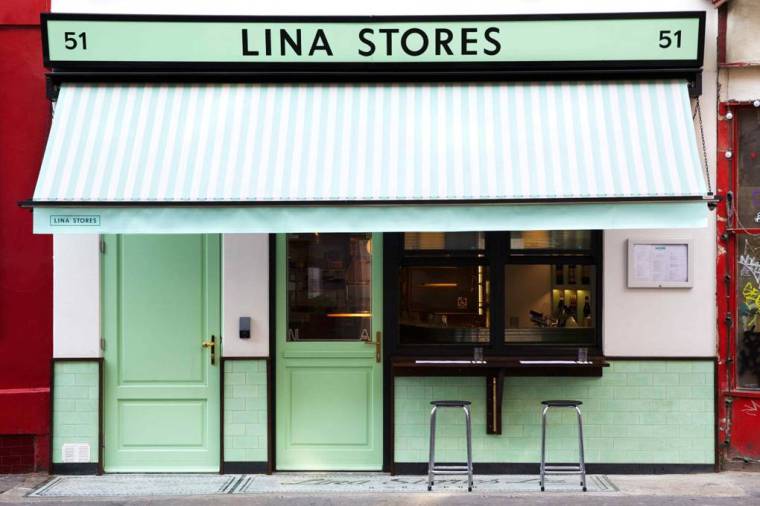
Lina Stores

image5

Long-time locally loved Italian deli Lina Stores in Soho has opened up a pasta restaurant just down the road from its original Brewer Street location. The new Greek Street restaurant serves its beloved pasta dishes and a selection of antipasti and dolce (yes, including those cannoli) at very reasonable prices. Reservations are available for lunch and early dinner only, but it’s worth the walk-in.

51 Greek St, Soho,W1D 4EH

Rovi

image6
Fans of Ottolenghi, rejoice. The latest in Yotam’s empire, Rovi, comes to Fitzrovia this month featuring a menu based around vegetables, but — according to the chef — with a «fresh focus on fermentation and cooking over fire». The seasonality of the menu also extends to the drinks list, from “dynamic low-intervention” wines to cocktails based on seasonal spices.

London on screen: the shop from ‘Paddington’

image1

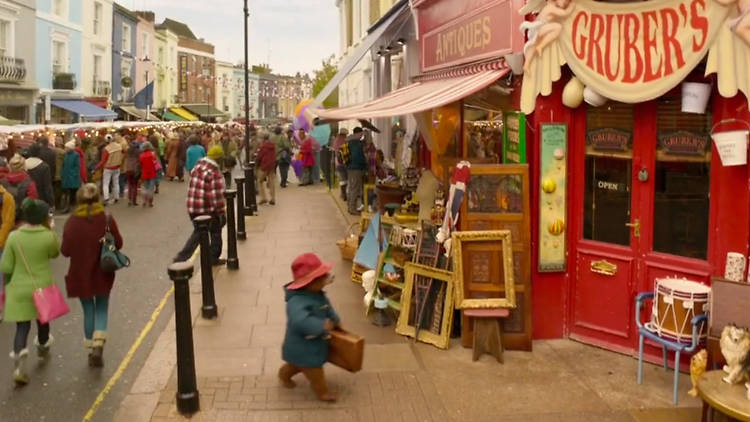
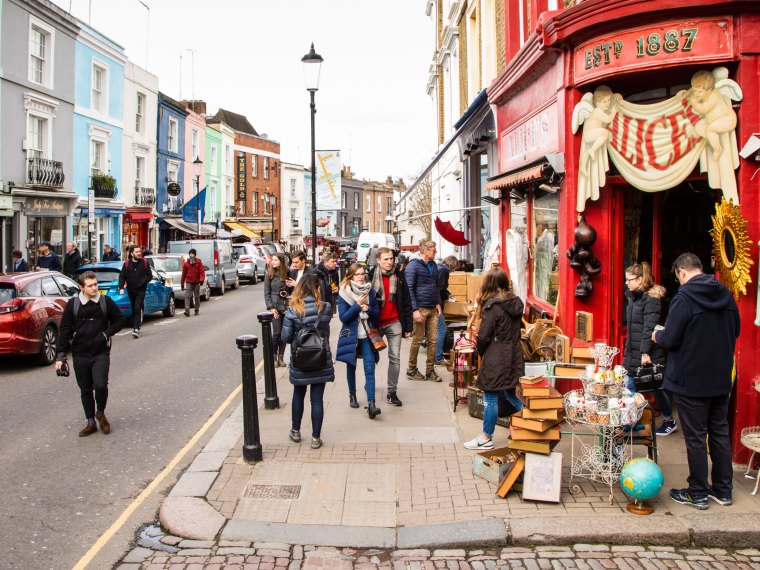
Did you know that the antique dealers in ‘Paddington’ is based on a real shop in west London? Here’s where you can find it…

The location: Alice’s Antiques, 86 Portobello Road.

The scene: In the first ‘Paddington’ film, the furry new Londoner befriends local antiques dealer Samuel Gruber. Later, in ‘Paddington 2’, our hero has his eye on a unique pop-up book for his Aunt Lucy’s hundredth birthday present. Unfortunately, Hugh Grant’s narcissistic actor Phoenix Buchanan breaks into Gruber’s shop, steals the book and frames Britain’s favourite bear for the crime.

Then: The bright colours and Notting Hill location of Alice’s Antiques made it the perfect spot for exterior shots of Gruber’s – which coincidentally sits next door to Michael Caine’s flat from ‘The Italian Job’.

image2

Now: The shop attracts endless hordes of young Paddington fans, according to its manager Jill Boden: ‘Even toddlers recognise it! It’s given the business a new lease of life.’ The shop has been owned by the same family, now in its fourth generation, since 1887, and Boden hopes it will once again transform into Gruber’s for ‘Paddington 3’. Fingers (and paws) crossed.

The London Fiver – Five Ancient Ruins in London to Visit That Haven’t Been Swept Away By Time

London is an ancient city.  Even before the Romans established their settlement of Londonium, people had lived in the area.  However, the Romans were the first to erect permanent structures here, some of which have survived today as ruins, hiding amongst the buildings that succeeded them and today’s skyscrapers.  Of course, not all of these buildings are Roman, and some of London’s ruins are the result of German bombing during World War II.  We’ve highlighted five of our favorite ruins from across the centuries below, but you can let us know your own favorites in the comments.

London Wall

image1

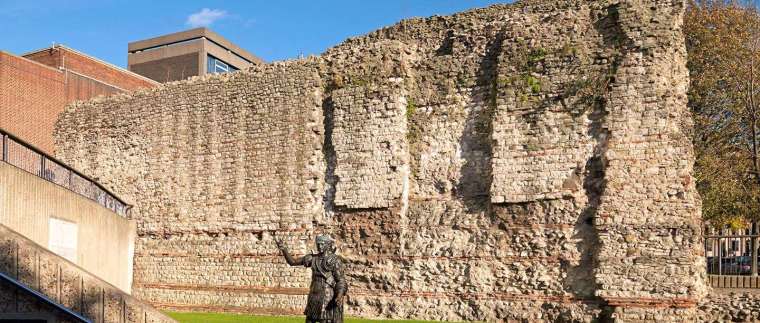
The wall was built by the Romans as part of their settlement and was the first stone defensive wall constructed for the city.  It was built in 200AD and stood for nearly 1700 years, and surviving fragments can still be found around the border for the City of London, including one or two of the bastion towers.  Historic UK provides a map for anyone who wants to tour the remaining segments of the wall, and other available tours will introduce you to other parts of Roman London.

Roman Amphitheater

image2

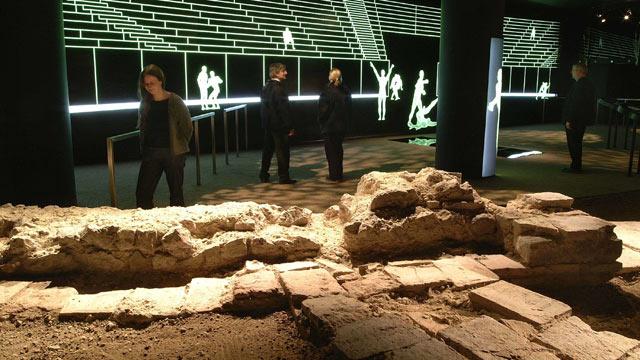
Speaking of such, the Romans built the city’s first amphitheater from wood sometime in the 70s AD and revamped it during the 2nd Century.  Lost to time after the withdrawal of the Romans, the London Guildhall, home of the City of London municipal government, was built directly on top.  It was during the redevelopment of the Guildhall’s art gallery in 1985 that the ruins were uncovered, and now it’s a dedicated monument as part of the gallery.  The Guildhall provides tours of the ruins and even the opportunity to handle actual Roman artifacts under the watchful eye of a seasoned archaeologist.

Lesnes Abbey

image3

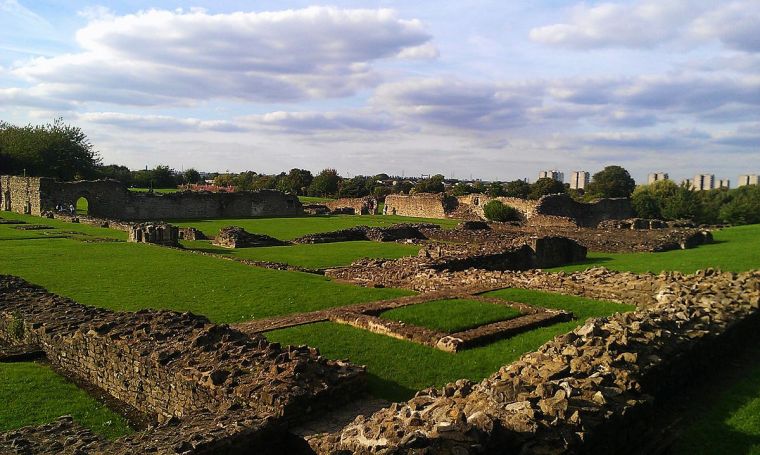
If you ever wondered from where Abbey Road gets its name, the answer is Lesnes Abbey, which used to be located along the road in Abbey Wood before King Henry VIII got his hands on it.  The Abbey was built beginning in 1178 and is believed to have been an act of penance by Richard de Luci, Chief Justice of England, for his part in the murder of Thomas Beckett.  It fell as one of the first church buildings to be closed as part of the Dissolution of the Monasteries, and it became farmland until an active effort to excavate it began at the turn of the 20th Century.

Crystal Palace

image4

Built for the Great Exhibition in 1851, Crystal Palace was a massive wood-and-steel structure that remained an iconic part of London’s advancement in science and technology until a fire claimed it in 1936.  The Palace’s towers survived but were torn down in World War II as it was feared they would provide markers for German bombers.  Much of the stone structures that remained are still on the property today, including many statues that formed the Dinosaurs Park.  Crystal Palace Park is a fun day out and a great reminder of the original event that sparked the creation of the Albertopolis.

St. Dunstan-in-the-East

image5

While what remains of the Crystal Palace avoided the bombs of the London Blitz, many other structures were not so fortunate.  The church was one of many reconstructed by Sir Christopher Wren following the Great Fire of London in 1666, specifically the tower and steeple.  Unfortunately, nearly everything but Wren’s contributions and a couple of walls were destroyed during the London Blitz in 1941.  What remains was turned into a gorgeous park amidst the church walls.  Today it is one of the city’s many secret gardens and even still hosts services on Easter Sunday and other major Christian holidays.

THE BEST AFTERNOON TEA IN LONDON

image0

Here’s a fun fact: afternoon tea came to be because a grumpy aristocrat couldn’t make it through the day without a snack.

Queen Victoria’s Lady of the bedchamber, Anna, the Duchess of Bedford, grew tired of having to wait for her late evening supper and mid-afternoon would ask servants to sneak her tea and slices of bread and butter.

This grew to cakes and sandwiches, until her friends began to join in, and the starving upper classes hungrily adopted the practice. Since then, afternoon tea has become a staple of the English diet.

London is, without question, the capital of the world for tea and cakes, and offers the afternoon tea in all sorts of curious guises. Still, the gallery above details the finest traditional serves going – those with lashings of luxury, gilded in gold. You come to eat cucumber and salmon, to drink fine English tea and to brighten the day with a dash of champagne. Granted, there may not be anything experimental, but isn’t experimental tiresome, sometimes? Forget it: indulge your inner Wooster for a day, and sink into soft chairs, to the sounds of pianos and harps and silverware on china. Heavenly.

Below are our favourite teas across London, listed in no particular order. All prices are per person.

The Savoy
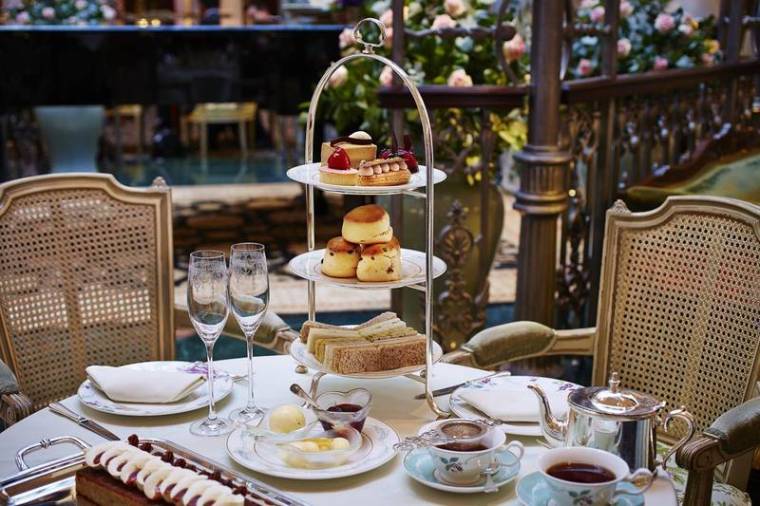
image1

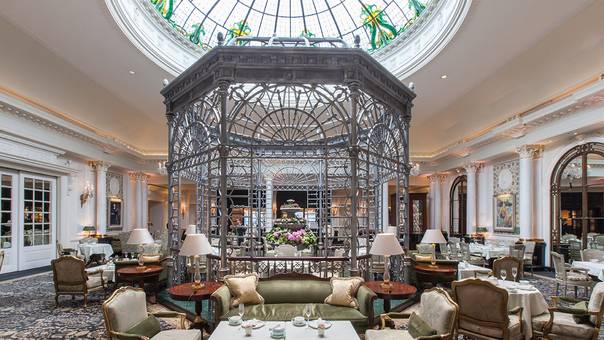
The Savoy serve their afternoon tea in style: you’ll be seated in the beautiful Thames Foyer, under light streaming down from the glass cupola, looking out over a black and white marble floor. A pianist plays, tea comes in upright, sterling silver teapots and all the usual suspects are all here: raisin and plain scones, finger sandwiches, French pastries, and a cake selection served from a trolley. There are 30 types of tea on offer, while they also offer high tea and champagne tea. The mint tea is the finest mint tea in London – genuinely – while the chai offers a delicious and reasonably authentic experience.

This and a little magic means The Savoy is very possibly the finest afternoon tea in London: if you so desire, the first-rate food is unlimited, while staff are extremely courteous, managing the fine balance of keeping a little distance while always remaining attentive. Though constantly busy and lit up with conversation, things thankfully aren’t run like a military option, so guests remain unrushed.

Cheque out: from £60

Strand, WC2R 0EU

Fortnum & Mason
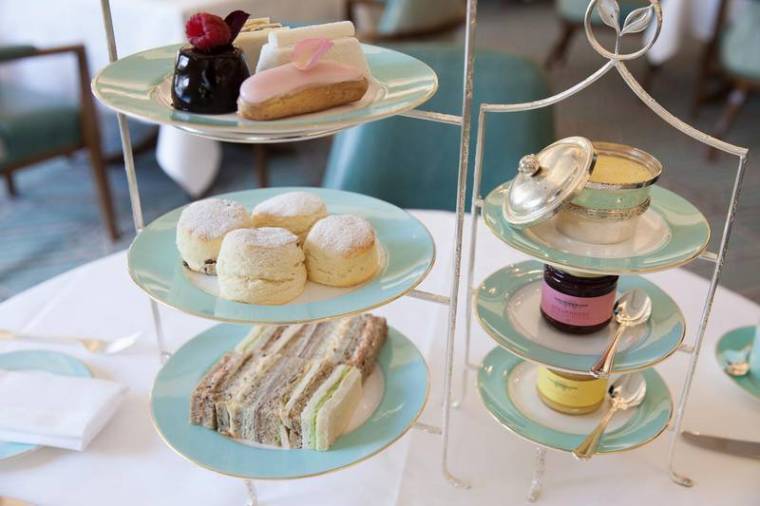
image2

Fortnum & Mason is celebrated for its selection of fine teas – perhaps unsurprising since they’ve been importing and blending leaves since 1707. They do elegance with a certain pleasing quietness, and offer generous selection of sandwiches and the scones come with a marvellous array of jams (wild blueberry is especially good). Out of all the afternoon teas in London, Fortnums offers some of the finest cakes, with very generous helpings. The staff also kindly encourage customers to take some away with them, and the cakes are good enough that they’ll easily stay fresh for a couple of days afterwards.

Fortnums also offer a savoury option, for those without a sweet tooth, and High Tea, which has a mix of both savoury and sweet goodness. If you’re splashing out for champagne, the menu includes a number of Grower Champagnes, which is wonderful if you fancy something a little different.

Cheque out: from £44

181 Piccadilly, W1A 1ER

The Ritz
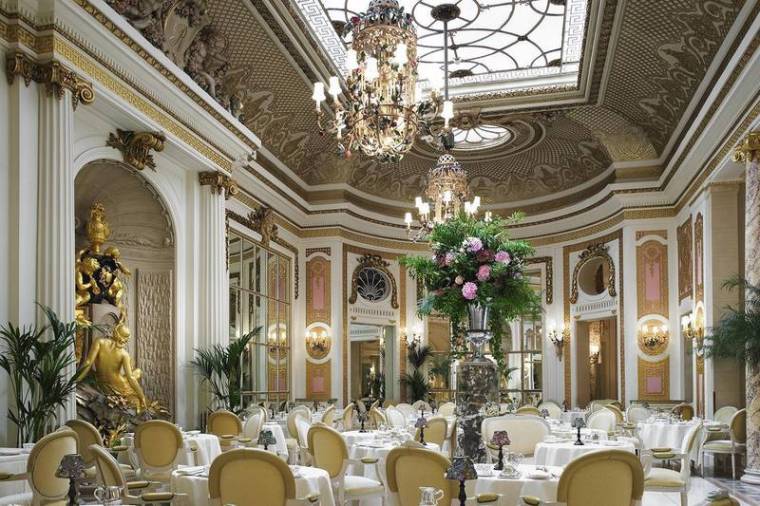
image3

Considered the granddaddy of afternoon tea, the Ritz has earned itself the reputation as the one to beat. Held in the almost cartoonishly opulent Palm Court, which is all gold leaf and crisp linen, flowered plates and immaculate service. The food is as you’d expect – finger sandwiches, scones and sponge cakes – and as good as you’d expect, too. There is a fine selection of 16 teas to ponder over while either a harpist plays across the hallway.

We admire the fact there is a dress code (jacket and tie for men, no jeans, no sportswear), which only adds to the sense the Ritz are holding up centuries worth of standards. We’ll (politely) toast to that. However, holding the reputation this tea does means this afternoon is incredibly popular. You may find it difficult to book, and one should be aware they turn around tables quickly, so guests don’t have all afternoon to luxuriate over the hotel’s excellent offerings. Still, this is the bona fide Tea at the Ritz – hard to ignore how good that sounds.

Cheque out: from £54, £30 for children

150 Piccadilly, W1J 9BR

Sketch
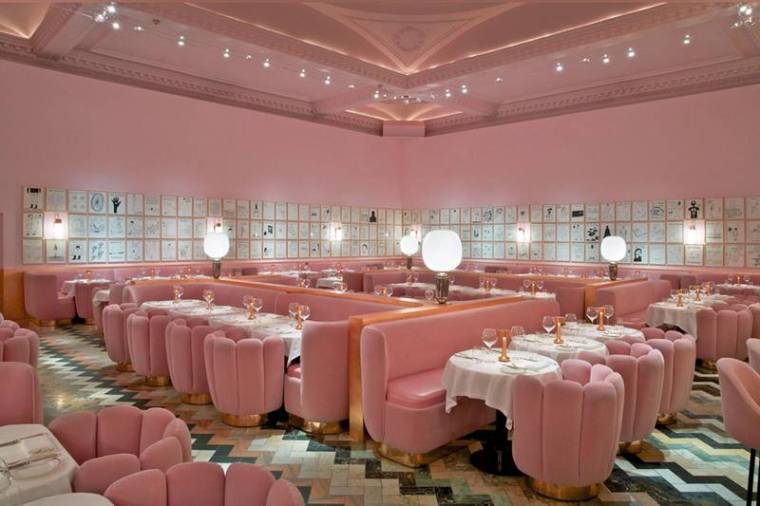
image4

Afternoon tea at Sketch is not just a feast of pretty little sandwiches and sweet treats, it’s a feast for the eyes too – and your Instagram following too. It’s held in the David Shrigley Gallery downstairs which is an explosion of millennial pink from scalloped velvet chairs and booths to the waiters’ double-breasted suits.

You’ll be spoilt with a pretty presentation of finger sandwiches with gourmet fillings such as Oxfordshire duck egg and mayonnaise and Scottish Smoked Salmon with Jacob’s cream as well as sponges, cakes, scones and petits gateaux. This one is just the things for mother and daughter bonding, baby shower or non-naff hen celebration.

Cheque out: from £58

9 Conduit St, W1S 2XG

The Dorchester
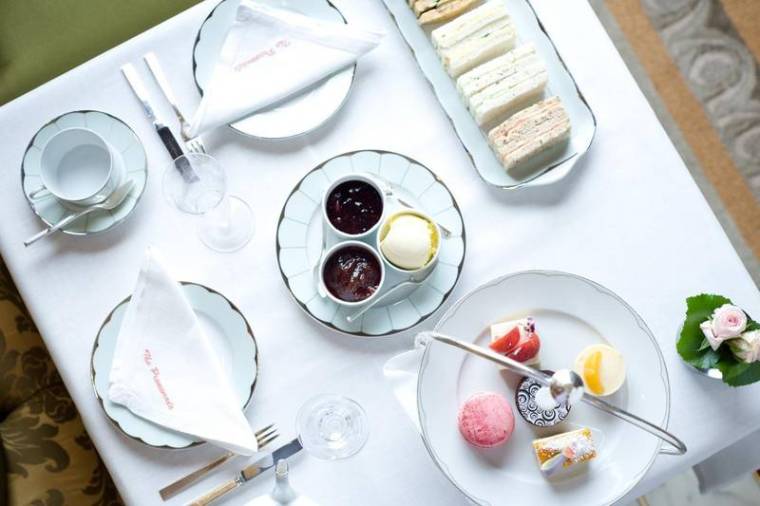
image5

Served in the rather grand Promenade lobby, take them up on the option to be greeted by a glass of champagne and a selection of finger sandwiches, with different fillings for every day of the week. More warm scones than you could possibly hope to eat quickly follow, after which French pastries promptly arrive.

The hotel also lay on high tea, with a selection of bigger dishes available. We’re most keen on the quail scotch egg on black pudding with home-made ketchup which, frankly, sounds outrageous. They’re also proud of their tea offerings, and especially worth noting are the Dalreoch White Tea, Dalreoch Smoked Tea, and the Garrocher Grey.

Cheque out: from £58

53 Park Lane, London W1K 1QA

Claridge’s
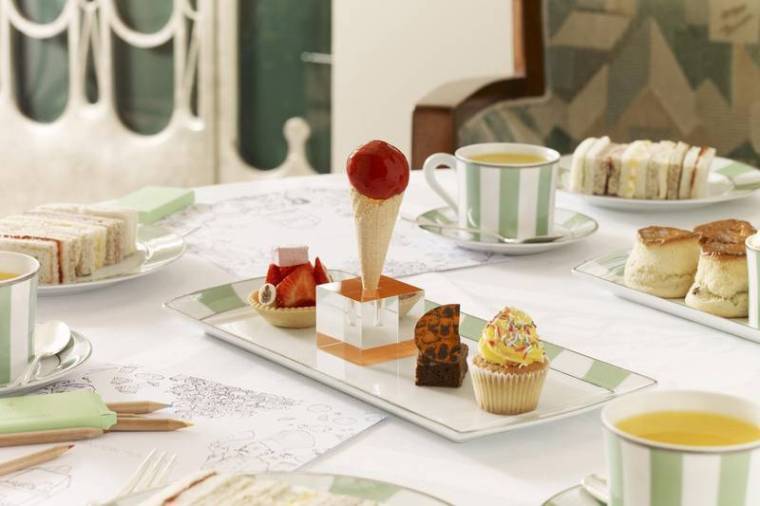
image6

Although somewhat more understated than some of its Piccadilly cousins, Claridge’s is no less luxurious. Bow-tied waiters in white jackets serve in the art-deco surroundings. Sandwiches, scones and even the tea itself is all excellent, but note that the service here is more hands-off than you might expect. Rather than constant attentiveness, the staff leave parties to themselves for much of the time. This suits many people, but others prefer to be attended to a little more closely, so decide what you prefer before you head down.

However you feel about what kind of service you prefer, there’s no getting away from the fact the food and tea is delicious. It’s more expensive at £82, but they get points for the seasonal afternoon tea, too, which, as the name suggests, uses seasonal ingredients. Find the bar afterwards, too, it’s pretty marvellous.

Cheque out: from £60, children £30

Brook St, W1K 4HR

The Connaught
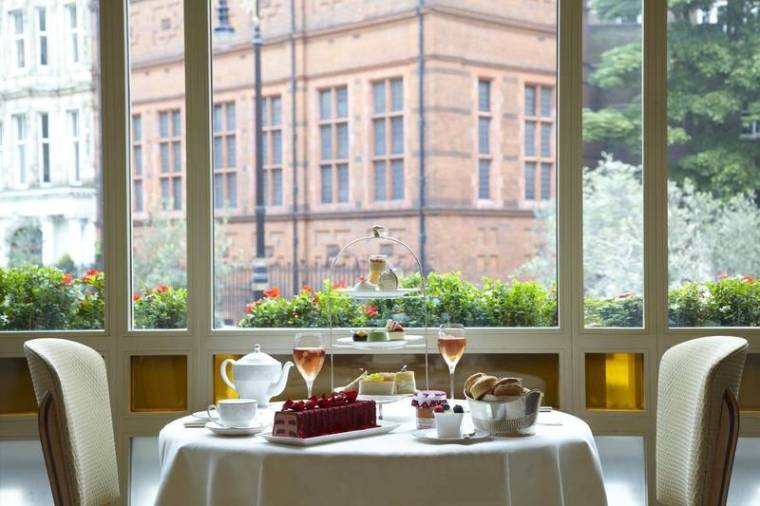
image7

Like the Ritz, this is another popular choice that limits your visit, but you’re able to squeeze a lot into your hour and forty-five sitting: Espelette, where the tea is served, is a conservatory, so it’s a light and airy spot to enjoy yourself. They’re serious about tea here, enough to have been awarded membership by the British Tea Council and to have won an ‘Award of Excellence’ from the Tea Guild, back in 2013. So if tea really is your thing, it’s hard to better The Connaught.

In a dream world, where pockets are bottomless, we’d use the lovely finger sandwiches – points for changing seasonally – and the fine, fine scones (fresh from the hotel’s bakery), and not forgetting the cakes and pastries, as a hearty meal prior to a trip to their wonderful bar. Still, you’re not us, so enjoy the afternoon tea exactly for what it is: a really rather splendid way to enjoy an afternoon.

Cheque out: from £60

Carlos Place, W1K 2AL

Top 10 things to do this May bank holiday

image0

Let’s be honest, May is the best month out of all twelve. The weather (usually) gets better, the rooftop bars reopen and we suddenly acquire a complete disregard for coats. But that’s not all, because May brings with it not one, but two sweet bank holidays our way. The last of the May three-dayers is upon us, and it is PACKED with amazing things to do.

We’ve rounded up the ten best events happening in London for the late (or ‘spring’) May bank holiday, which falls Sat May 26 — Mon May 28 2018 that we think you need to know about. Let’s just hope the sun lasts (and the wisteria, if that’s not too greedy). But if not, you could always hold up London pub or hide from the rain in one of these cosy spots. What ever you do, don’t let a free day off work go to waste.

Peckham Warehouse Kilo Sale Weekend

image1

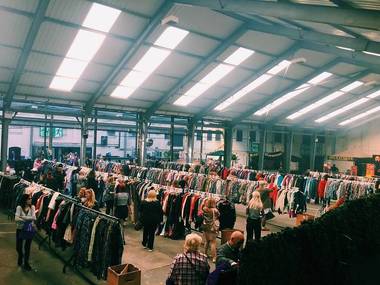
Get your summer wardrobe sorted for a bargain price at this vintage sale where six tonnes of stock is there for the taking. 

Jam on Rye

image2

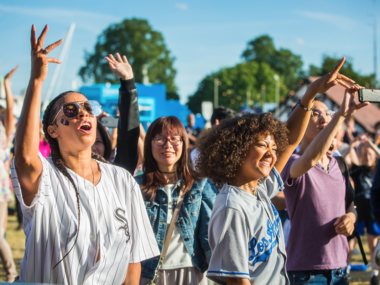
Get a belly full of burgers and throbbing basslines at a day dedicated to street food and sound system culture. It’s a little early for Carnival, but you can still eat chicken from Only Jerkin’ while jumping around to a Mungo’s HiFi set.

All Points East

image3

APE is a banging three-day festival (May 25-27) that’s swinging into London with three jaw-dropping names acting as headliners: Björk, LCD Soundsystem and The xx. Boom. Then there’s the All Points East Presents series (June 1-3) – three one-day concerts led by three different acts: Nick Cave and the Bad Seeds, The National and Catfish and the Bottlemen. In between there are four days of community-driven entertainment on the site, with comedy, film screenings, street food and much more.

Fashioned from Nature

image4

Learn about the source of the materials that go into your clothes at the V&A’s upcoming exhibition. Fashionable garms will be displayed alongside natural history specimens, taxidermy, unprocessed plant and animal fibres.

Green Rooms Botanical Market

image5

Are you a sucker for succulents? Turn your London flat into a crowded garden centre at this botanical market welcoming over 20 stalls selling indoor and outdoor plants, pots, botanical art and horticultural nick-nacks.

Pitch

image6

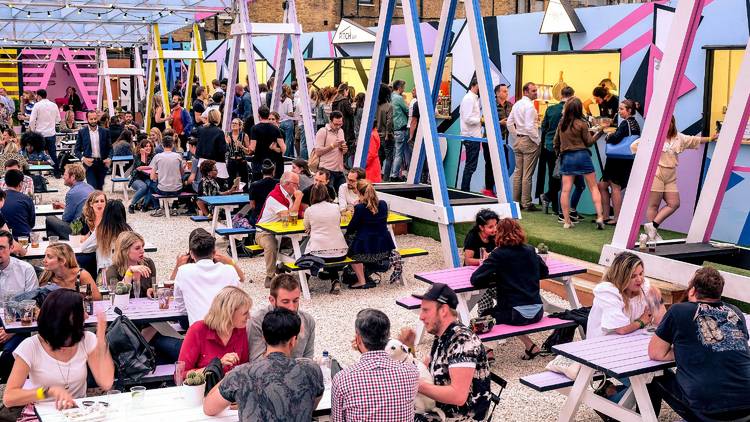
The Pop Brixton of East London is back! Grab some Venezuelan food from Guasacaca and take a seat on the ‘Miami Vice’ pastel rooftop. There will also be a weekly events programme of classes, networking sessions, family-friendly weekend fun, themed Saturday nights and DJs to soundtrack your brunch on Sundays.

Bare Lit Festival

image7

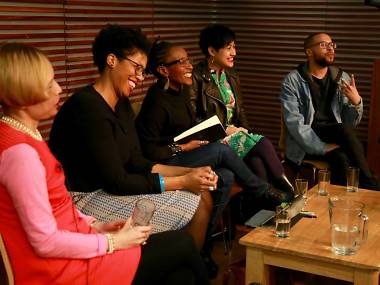
Join debates on censorship and migration and hear readings from writers of colour at this festival which makes London’s literary scene look, well, bare lit.

All Points Equal

image8

Celebrate 100 years of (some) women getting the right to vote in the UK and 90 years of equal voting rights for women and men at All Points Equal. It’s a day-long bank holiday party, put on by the folks behind All Points East, full of screenings, panel talks and live music from the Hackney Colliery Band.

MCM London Comic Con

image9

With dealer stalls, special guests, manga, games and cosplay, this pop-culture convention  should be on on every fanboy and girl’s calendar.

Anthea Hamilton at Tate Britain

image10

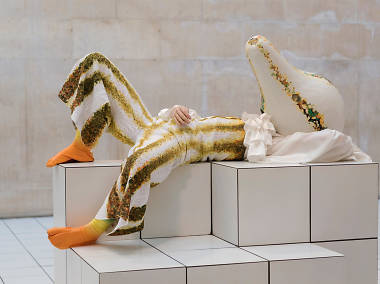
For her 2018 Tate Britain Commission for the Duveen Galleries, Anthea Hamilton has created a squash-human hybrid, and by gourd, you won’t want to miss it.

Remarkable old Tube maps show how London Underground network has changed over the past 100 years

image1
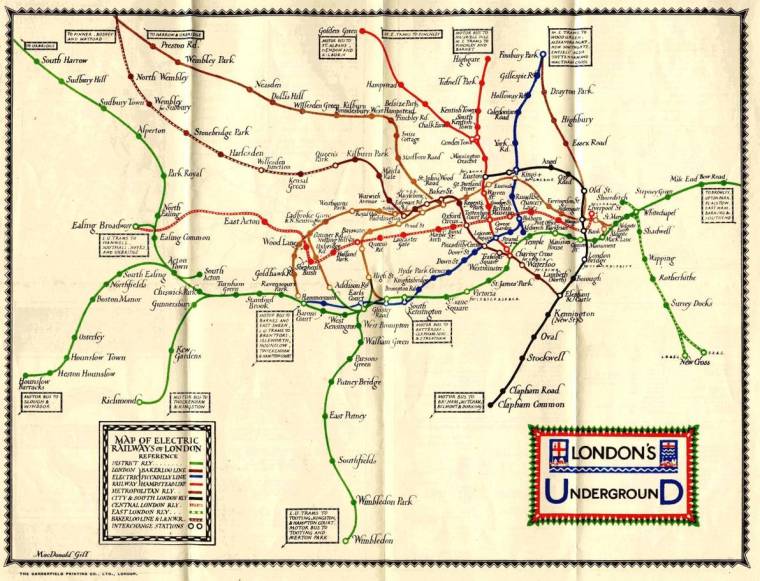
Designers’ hand-drawn diagrams were largely based on the real geography of the Tube lines, which resulted in far more chaotic-looking maps (Published 1925)
image2
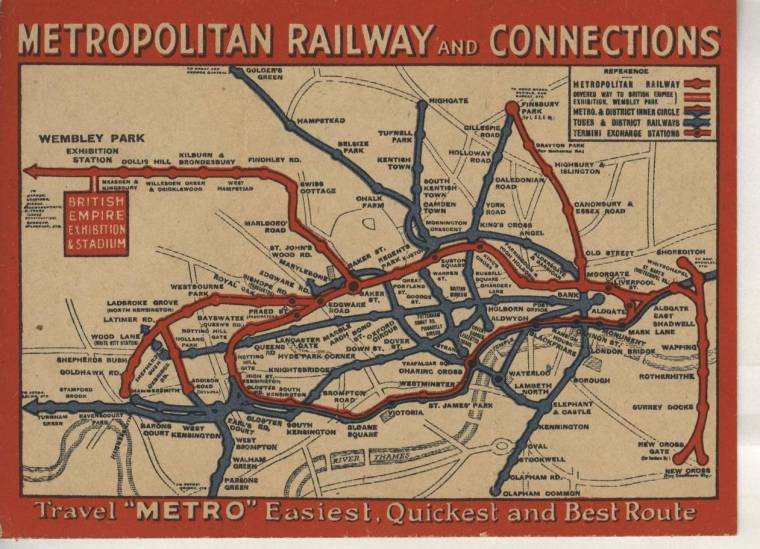
Prior to 1906, the individual railway companies produced their own maps and focused on their own lines (Published 1925)
image3
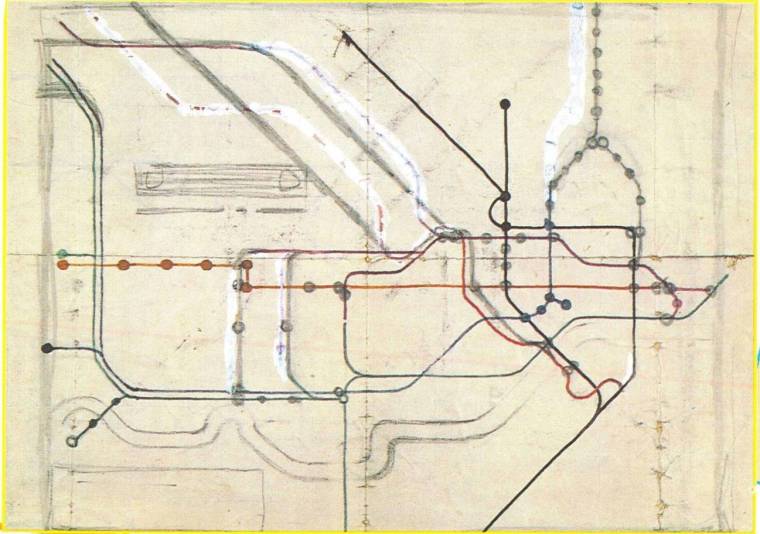
Henry C Beck’s design was initially dismissed for being too revolutionary (Created 1931)
image4
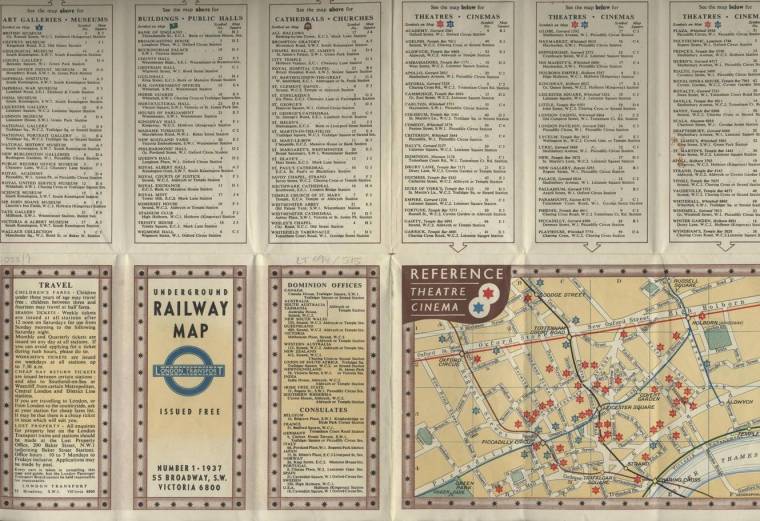
The maps show how the ever-expanding Tube system and railways were previously depicted, often using free-hand drawings and calligraphy (Published 1937)
image5
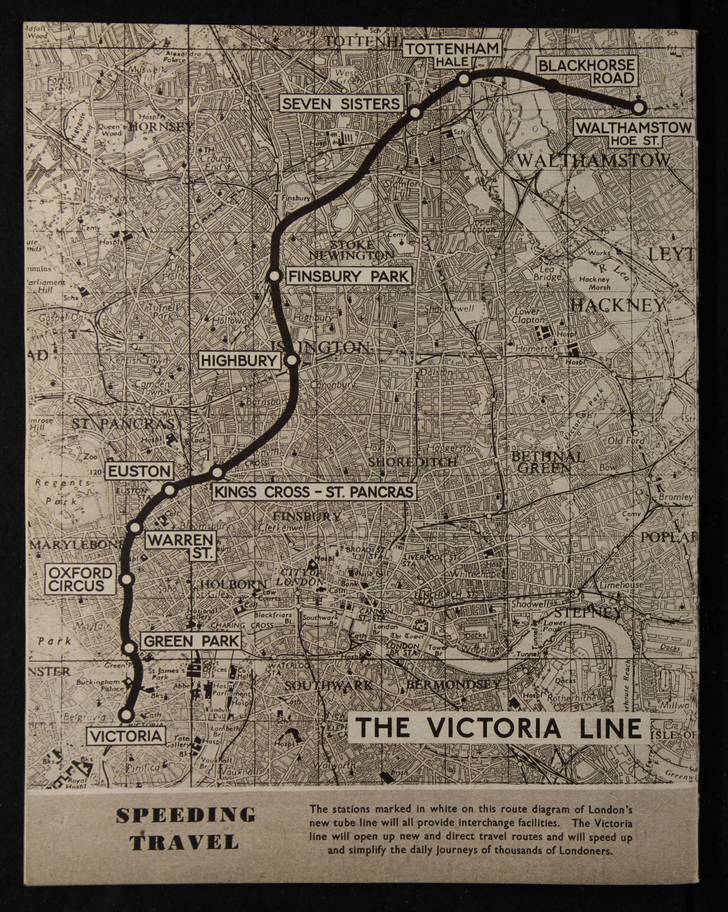
The Victoria Line, which was opened in March 1969, shows the route from Victoria to Walthamstow (Published 1962)
image6
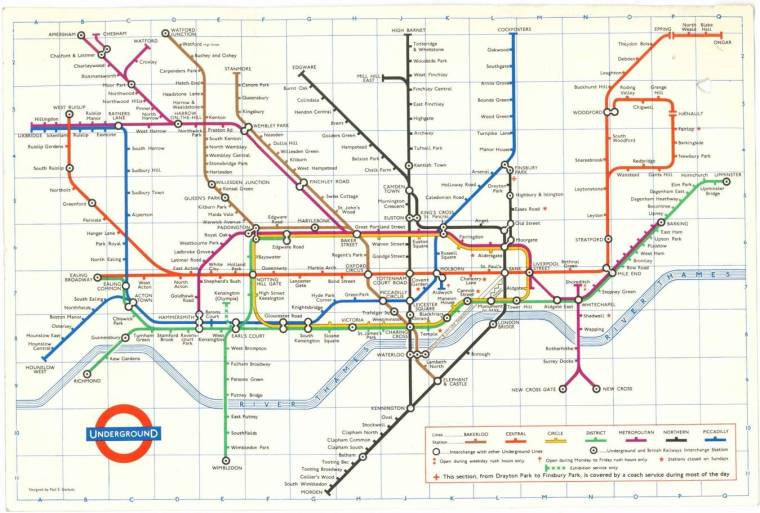
The historic diagrams provide a fascinating insight into the development of the capital’s famous Underground since it first began operations in 1863 (Published 1966)
image7
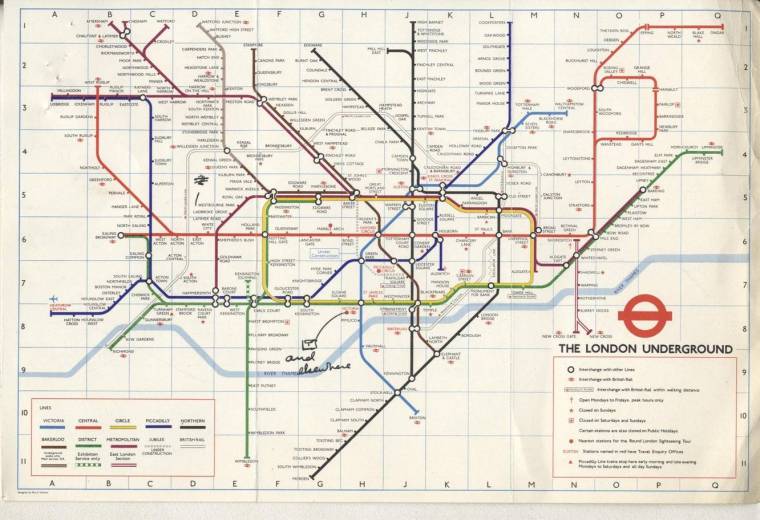
This map from 1978 announced the arrival of Heathrow Central underground station (Published 1978)


Tate Modern are giving art lovers the chance to eat like Pablo Picasso

image4

We all want to paint like Pablo Picasso – but have you ever thought about eating like him too?

In celebration of The EY Exhibition: Picasso 1932 – Love, Fame and Tragedy, Tate Modern have announced a special menu at their Level 9 restaurant, which will chart the artist’s life in food.

The two course menu, created by head chef Jon Atasharoo, will encompass some of Picasso’s favourite dishes, and offerings inspired by the European regions and restaurants that he frequented throughout his life.

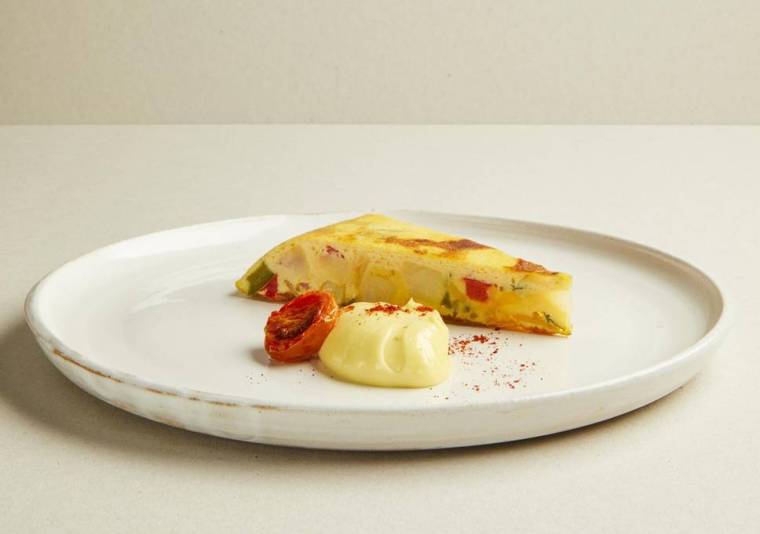
This will include Iberian dishes including a traditional Spanish tortilla with aioli (which Picasso once told Vogue magazine was his favourite dish of all time) and a roasted rabbit leg with braised chickpeas and sobresada, inspired by the time Picasso spent exploring the painterly potential of the Spanish landscape.

French dishes include a bacon crapiaux with andouillette and mustard, an adaptation of Picasso’s favourite dish at Lapin Agile restaurant in Paris – the restaurant for which he painted Harlequin Au Lapin Agile.

A homage to his time on both the beaches of Catalonia and the French Riviera, Atasharoo has also created a dish of seared squid, black rice, peppers and almonds.

Picasso fans can get their hands on the 2 course meal for £39.50, which includes a ticket to the exhibition.