Why do Brits drive on the left-hand side of the road? Plus 4 other facts about the history of driving in Britain

Does the Queen need a driving licence? And why do British motorists drive on the left-hand side of the road? Here’s everything you need to know about the history of driving in Britain…
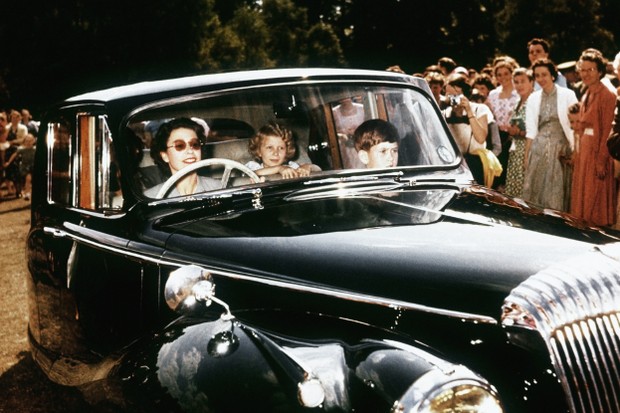
Queen Driving her Children

Why is the Queen allowed to drive without a driving licence?

Queen Elizabeth II enjoys numerous privileges as reigning monarch: she celebrates two birthdays a year; has a private cash machine installed at Buckingham Palace and owns any dolphin that swims into British waters. She is also allowed to drive a car without a licence, for the simple reason that driving licences are issued in her name and, according to British law, this means there is no need to hold one herself. It is for this reason, also, that the Queen does not require a passport to travel abroad.

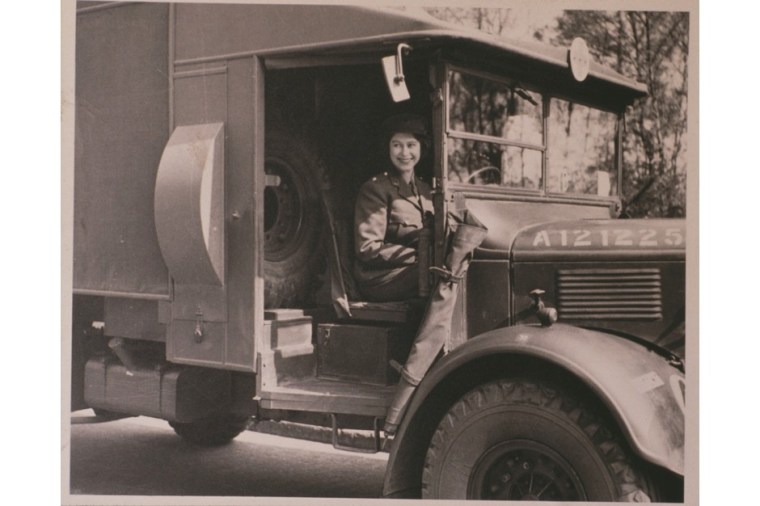
The Queen has long enjoyed driving and is often photographed behind the wheel. Despite not owning a driving licence she has considerable experience on the roads, having learnt to drive at the age of 18 while volunteering for the Women’s Auxiliary Territorial Service as an honorary second subaltern during the Second World War.
Huty22633 011

When was the first driving licence introduced in Britain?

When the Queen’s husband, Prince Philip, was involved in a car crash in January 2019, many people expressed surprise that the 97-year-old Duke of Edinburgh was still driving himself. He later voluntarily surrendered his driving licence, despite there being no legal age at which motorists must stop driving in Britain.

But have people always needed driving licences? In short, no.

The first gasoline car was developed in the mid-1880s by German engineer Karl Benz, but people had been driving steam-powered vehicles for many years before this. It wasn’t until the early 20th century, however, that people were required to have a driver’s licence to run a vehicle on Britain’s roads. They were introduced by the Motor Car Act of 1903, which required all drivers to register their vehicles with their local borough council. Drivers had to pay to be registered: the cost was 20 shillings (or £1) for a motorcar and 5 shillings for a motorcycle. There was no driving test involved at this stage – the licence was only ever intended to be a means of identifying vehicles and their drivers (although the Motor Car Act did introduce a penalty for reckless driving). Like today, drivers were required to display registration marks on their vehicle.

When were driving tests introduced in Britain and made compulsory?

In 1933, there were more than 7,000 fatalities on Britain’s roads, and 216,401 injuries – despite the fact that there were only around 1.8m cars on the roads (to compare, there are an estimated 1,770 deaths and 165,000 injuries today, with more than 38.4m cars in action). To address the problem, the government introduced driving tests through a new law, the Road Traffic Act 1934.

To prevent an initial rush of applicants, testing was voluntary until 1 June 1935. The first person to pass was one Mr J Beene, who paid seven shillings and sixpence (around £22 today) for the privilege. He had a higher chance of passing in 1935 than he would now: in the first year of its implementation, the pass rate was around 63 per cent, whereas in 2009 it stood at 46 per cent. Some elements of the first driving test are still assessed today, such as the ability to complete a three-point turn, emergency braking and starting a car on a steep hill.
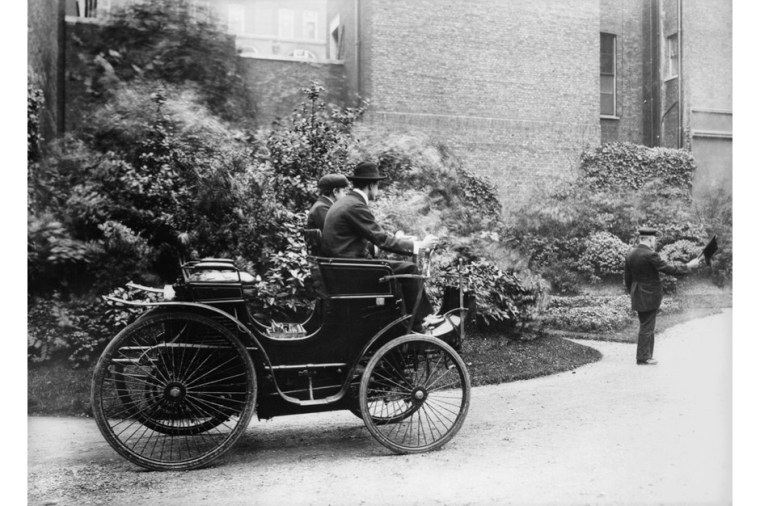
image3

Driver testing was suspended during the Second World War while examiners were called on for other traffic duties and to supervise fuel rationing. During this time, learners were allowed to drive unaccompanied until testing was reinstated on 1 November 1946. Testing was also suspended during the Suez Crisis of 1956, so that examiners could help to administer petrol rations, but resumed on 15 April 1957.

Who received the first speeding ticket for driving?

Walter Arnold, from East Peckham, was the first person to receive a speeding ticket in Britain. On 28 January 1896, he was driving a motor carriage through the streets of Paddock Wood, Kent, at more than four times the legal speed limit (then 2mph). He was spotted driving by a policeman on a bicycle, who pulled Arnold over following a (presumably rather slow) five-mile chase.

Why do Brits drive on the left-hand side of the road?

Around 35 per cent of the world’s population drive on the left-hand side of the road – including Britain.
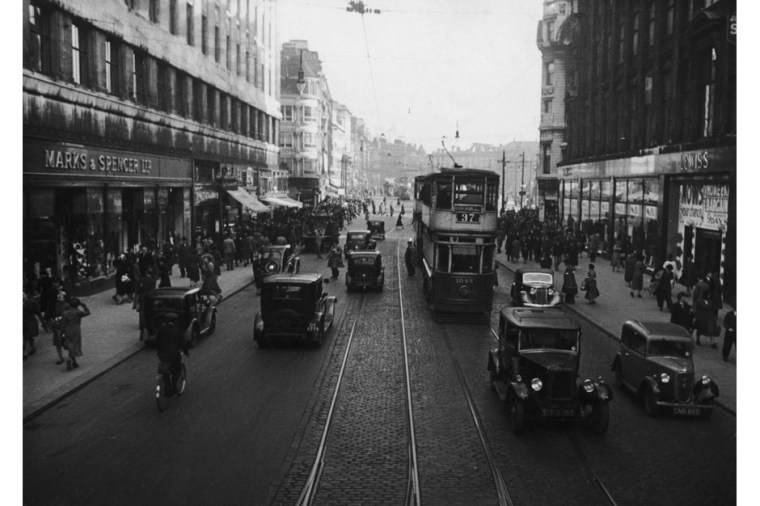
image4

Some believe this to be a travelling habit that dates back to a time when people used to carry swords on their person. Because the majority of people are right-handed, travelling on the left-hand side of the road meant that most would be less vulnerable to attack from people passing the opposite way (after all, with your sword arm facing any oncoming traveller, you were perfectly positioned to defend yourself should the need arise).

Driving on the left has an even longer historical precedent in Britain. Roman soldiers, for example, are thought to have marched on the left, and archaeologists have even discovered evidence that Romans drove carts and wagons on the left.
Festivals taking place at Royal Palaces

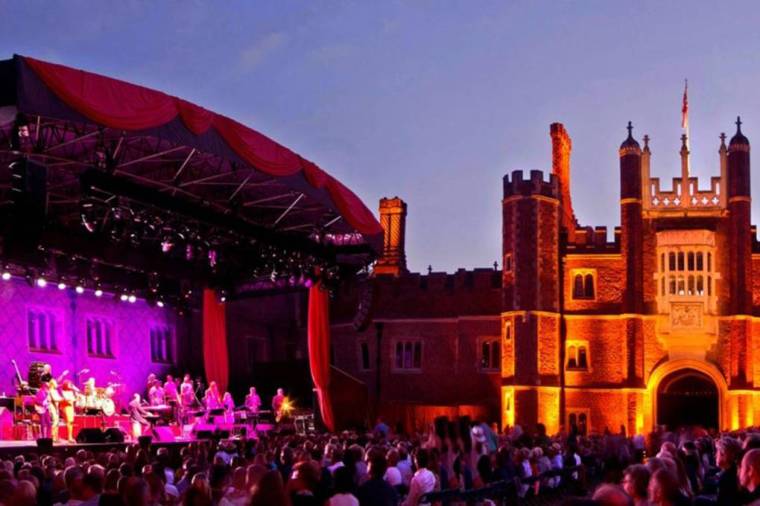
Hampton Court Palace festival

image1

Kylie, Jools Holland and Tears for Fears will all be performing in the stunning Tudor Courtyard of King Henry VIII’s former home this summer. While the Palace Gardens are open from 5:30pm for guests to mingle with a picnic or glass of Pimms, the show itself takes place in the seated auditorium of the Base Court – a thoroughly civilized festival experience if you ask us.
7th-19th June

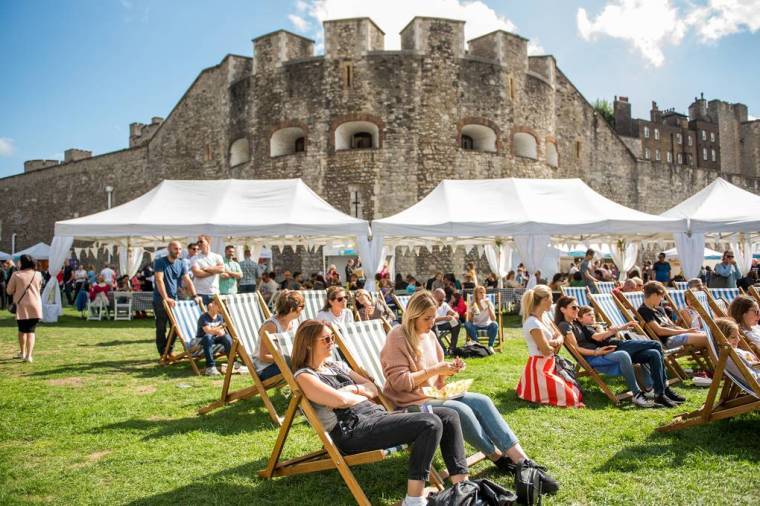
Tower of London food festival

image2

The warren-like fortress of the Tower of London is the backdrop to one of the most varied food festivals of the summer. The infamous prison plays host to artisan producers, street food stalls and a stellar line-up of chef demonstrations, including Melissa Hemsley, Emily Roux and José Pizarro. Take a lesson in patisserie, wine-pairing and more at Le Cordon Bleu’s pop-up, shop for local produce, the finest cheese and healthy treats, and enjoy performances at the Bandstand.
12th-15th September

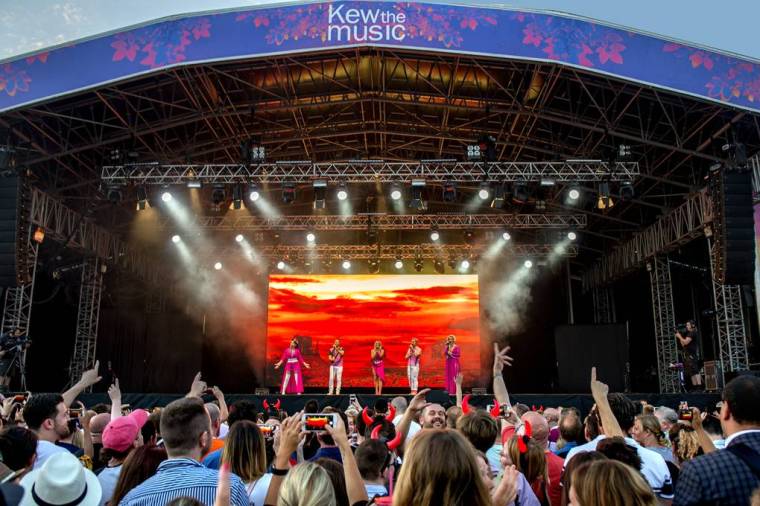
Kew the Music

image3

London’s most verdant outdoor concerts take place at Kew, with headline acts including Jess Glynne, Jools Holland, Craig David and Rick Astley set to perform. The evening concerts take place under the stars, with a picnic advised for in case you get peckish. There will be drinks available at the bar, too, so no excuse to not dance the night away…
9th-14th July

Hillsborough Castle and Gardens food festival

image4

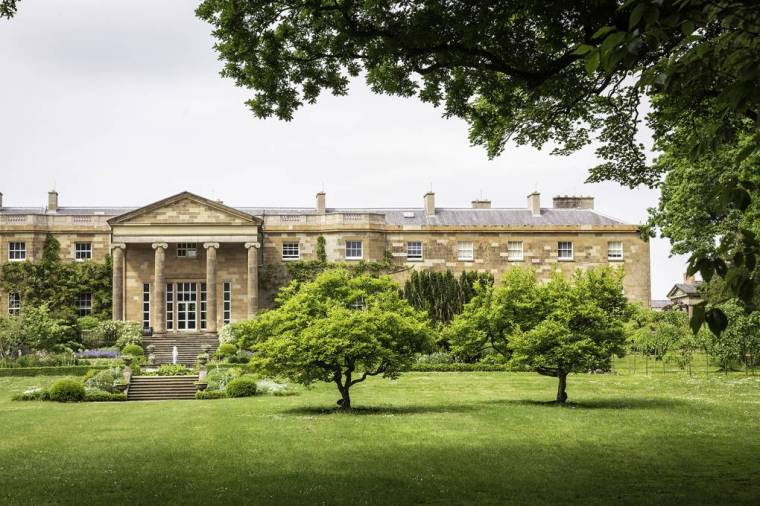
Getting in on the food festival action this year is Hillsborough Castle and Gardens in Northern Ireland. The 100 acres of beautiful gardens will be transformed into a foodie paradise, with street food stalls and local artisans selling their wares. Celebrity chefs – including Great British Bake-Off winner Nadiya Hussain – will be on hand to pass on their expert knowledge in live cookery demos, while the Castle itself will be open for a tour.
5th-7th July

Windsor Castle autumn festival

image5

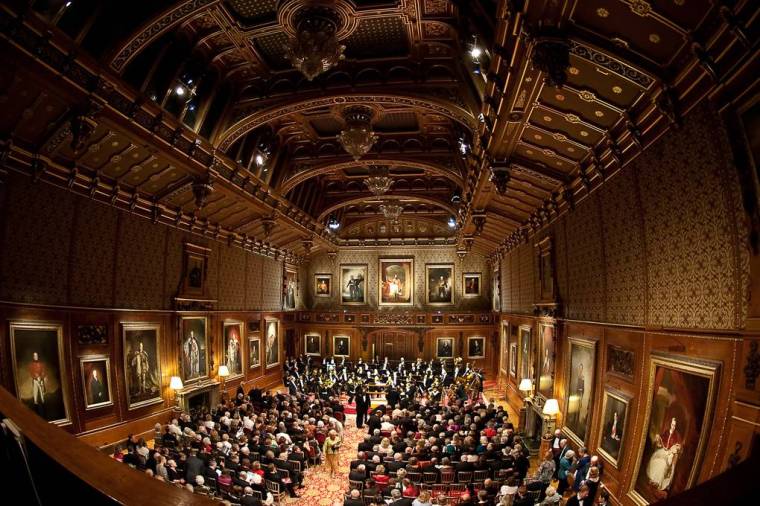
This year marks the 50th anniversary of the Windsor Castle festival, so expect an even more stellar line-up of music, talks, walks and tours than before. Taking place in the autumn, the aim of the soirée is to celebrate not only the world’s finest musicians, writers and artists, but also to spotlight local talent, with the aim of inspiring the next generation in the royal town.
Dates announced in June

The best summer terraces in London

From English sparkling wine to champagne, secret gardens to Mexico-themed haciendas, there’s somewhere for everyone to enjoy a few tipples in the sunshine this summer

Jurema Terrace at YOPO, The Mandrake

image1

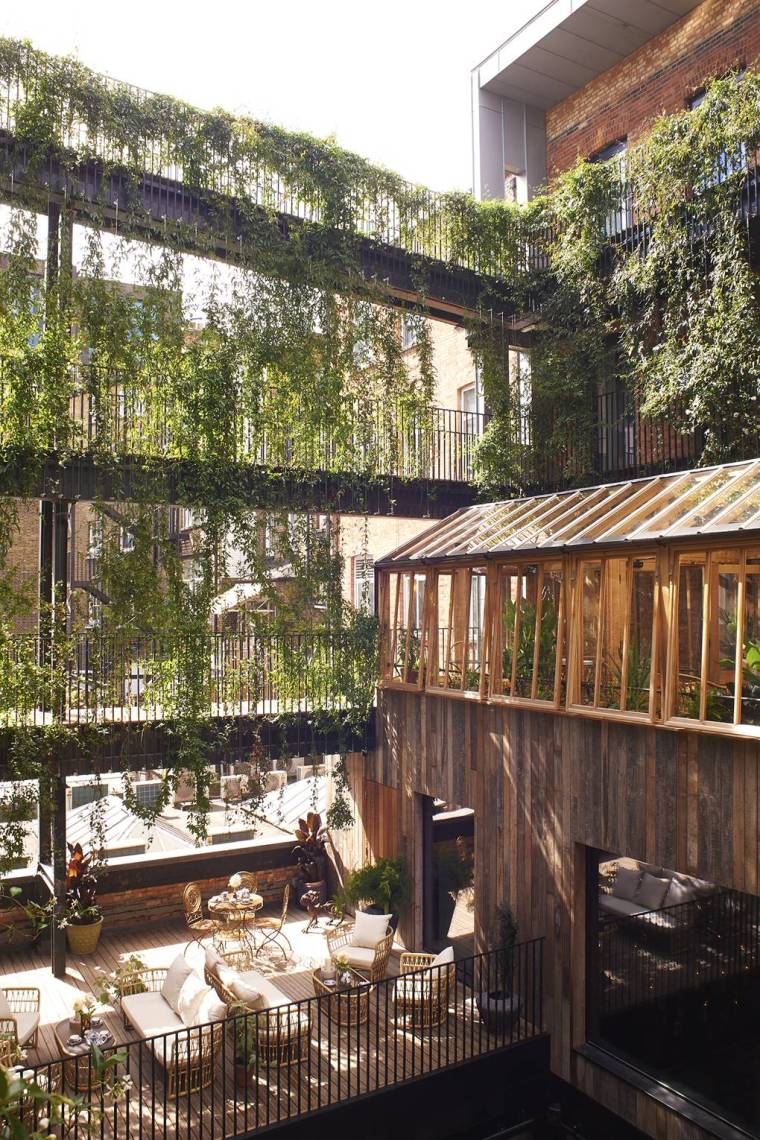
This secretive terrace is one of London’s best-kept secrets – an oasis of green tucked away in the heart of the groovy Mandrake Hotel in Fitzrovia. Hanging plants spill from the floors above over groovy umbrellas, swing benches and stylish cane furniture – think Singapore’s Raffles Hotel in the good old days come to London. The cocktails and bar snacks are South American in theme, so there are plenty of tacos, courgette flower tostadas, chicharrones and ceviche. The cocktails are just as punchy – like (unsurprisingly) the tequila-based Jalapeno or the musky Butterfly (mezcal and Lapsang Souchong). Don’t leave without tasting the tepache sorbet – creamy, refreshing, just the thing to temper the spice, and cool you down on a hot summer’s day.

The Berkeley

image2

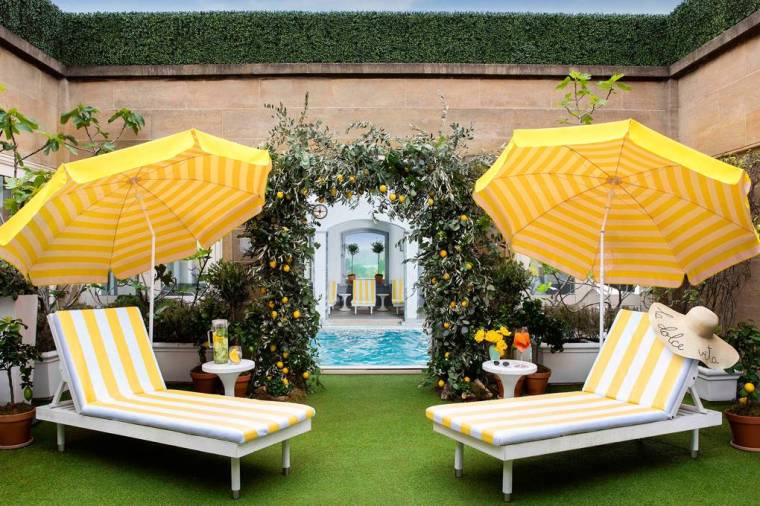
The Berkeley’s secret rooftop swimming pool and garden, normally only reserved for hotel guests, has had an Italian makeover this summer and for the first time, it’s opening up to the public. The Italian-inspired pop-up, La Dolce Vita, is bookable for four-hour slots for guests to sit back in a citrus-striped sunbed, bellini or Aperol spritz in hand. There’s also a poolside menu featuring fritto misto, pizzetta and gelato goodies. Come nightfall, enjoy candlelit aperitivo with flickering Acqua di Parma candles, surrounded in lemon trees. All this in central London.

Pergola Paddington

image3

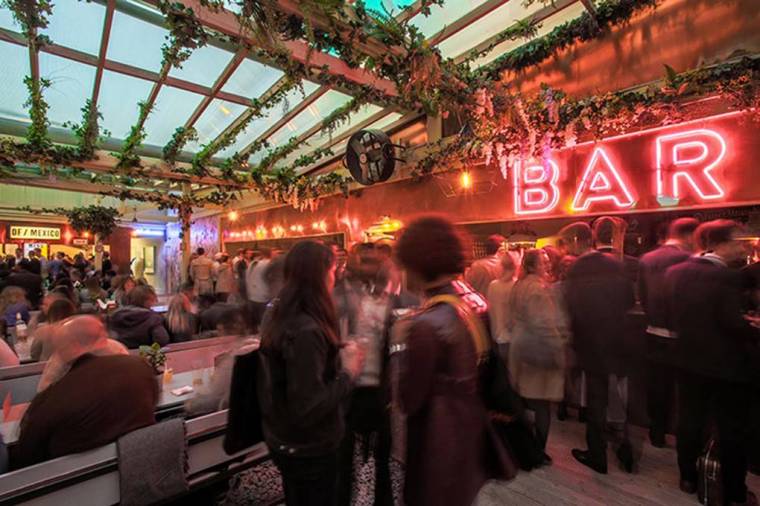
Pergola Paddington is raising the roof this summer – well, it’s taking the top down, anyway… For the first time since it launched, it will be opening up the top deck to the (hopeful) sunshine for the next few months, although below-deck it will still be covered in case that glorious British Summer doesn’t appear. You’ll find all the usual suspects here: excellent street food traders (including a new burger concept from Patty & Bun), Aperol Spritz galore and DJs playing all weekend, not to mention bookable daybeds, if you’re coming for a party.

Le Pont de la Tour

image4

Rosé and summer go hand in hand, and no one does pink wine better than the French. That’s why we’ll be heading to La Pont de la Tour’s ‘Maison du Rosé’ al fresco pop-up this summer, where artist Ruby Taylor has designed a special bottle for Minuty. With French-themed plates and décor too, you can just close your eyes, take a sip, and imagine you’re in St Tropez (just don’t peep and catch a glimpse of Tower Bridge).

Laurent-Perrier summer terrace at Sea Containers

image5

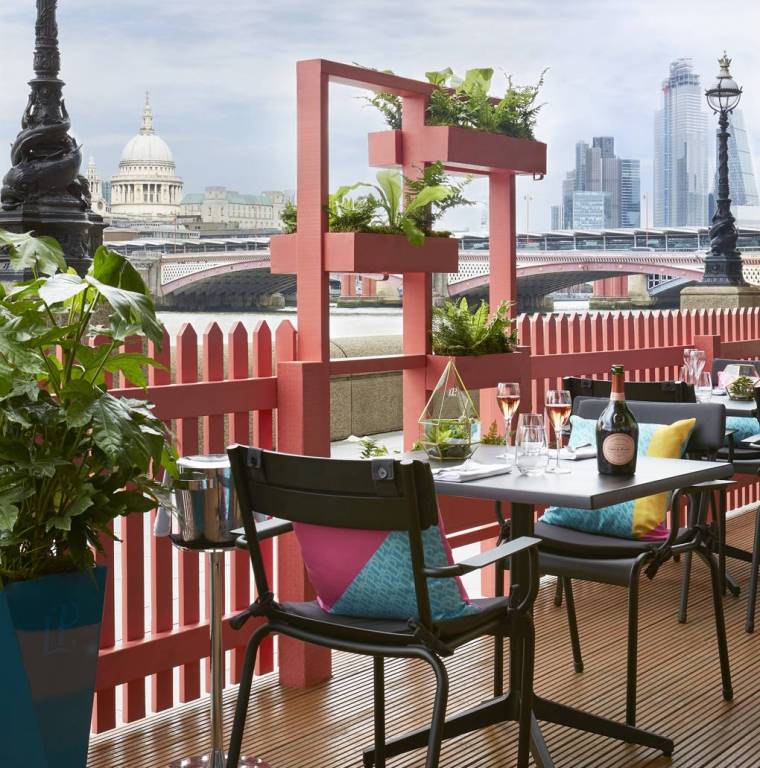
Sea Containers looked to the artistic heritage of the South Bank for its summer terrace, which will have suitably vivid, pop-art inspired décor, including a coral-picket fence and neon signage. The menu is also inspired by its waterside location, with a seafood focus, and dishes including ceviche, oysters and octopus, while the drinks are provided by Laurent-Perrier. Our poison of choice? The French Connection: crème de violette, gin and Laurent-Perrier Cuvée Rosé.

Art Yard’s rooftop terrace

image6

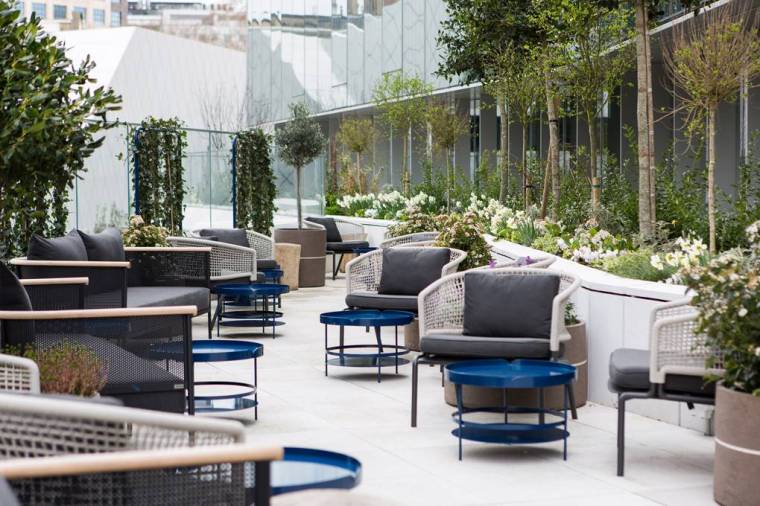
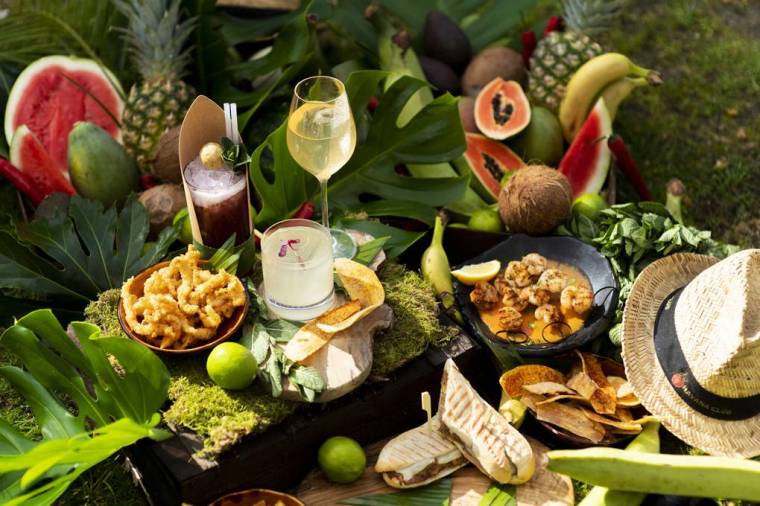
For Hambledon sparkling wine, wood-fired pizzette, spritzes and bellinis, look no further than Art Yard’s summer terrace, with its stunning views across the river to St Paul’s Cathedral. The minimalist space has been decked out with potted plants for the occasion, bringing a little green to the skyline.

Queen of Hoxton

image7

Those inventive folks at Queen of Hoxton have come up with another fun theme for their seasonal rooftop, and this time, it’s the Secret Den of the Luchadores (that’s female wrestlers to the uninitiated). With Mexican-themed cuisine, cocktails, decor and entertainment, don’t forget to bring your appetite for margaritas and a sombrero.

Radio Rooftop at the ME London Hotel

image8

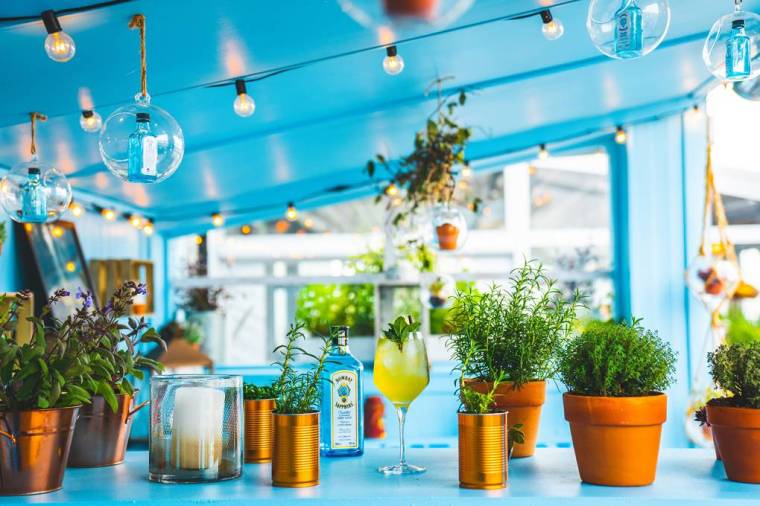
In one corner, you will find an English Botanical Garden, with Bombay Sapphire gin cocktails and Anglo-Indian canapés, while in the other, you’ll be immersed in a Mexican Hacienda, with cacti, woven seats and bright trinkets, as well as Patron tequila cocktails


Amazing ways to explore London after dark

Do some late-night meat bartering at Smithfield Market

image1

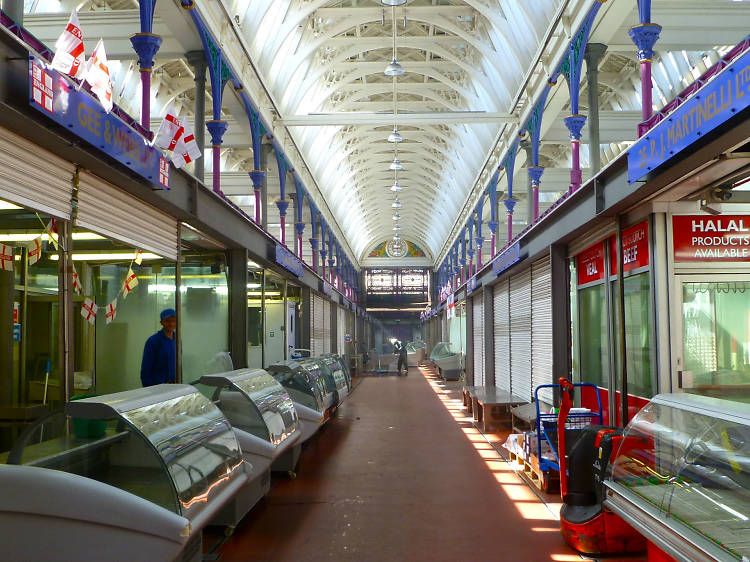
The city’s centuries-old meat market is pretty nice to gawp at any time of day with its ornate arched ceiling and zany colour scheme (white, purple, blue and green). But, it’s not until the middle of the night that the place really comes alive. Between 2am and 9am, the market is a hubbub of meat vendors. Forget late-night meat sweats, here you can go late-night bacon bargaining and ham haggling till the early morning.

Pull an all-nighter at Prince Charles Cinema

image2

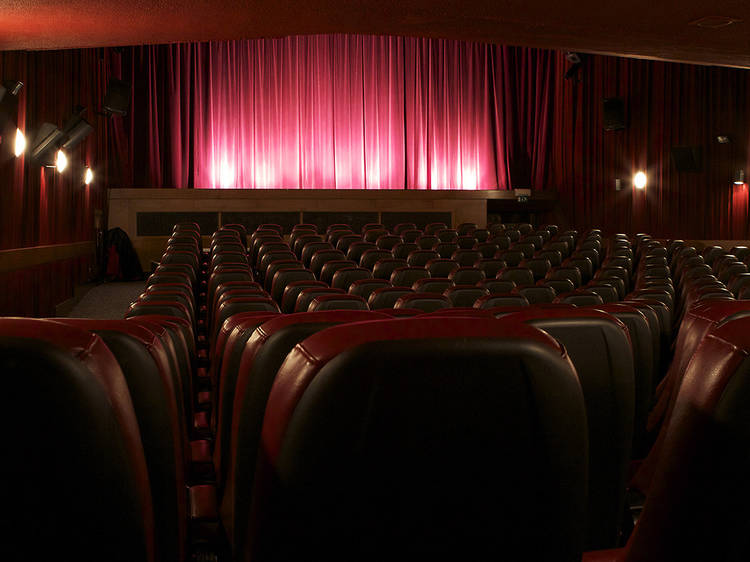
Can you even call yourself a film buff unless you’ve sat through all 20 hours and 10 minutes of ‘Star Wars’, or prised your dry, bloodshot eyes away from Aragorn’s coronation at 3am? The answer is no. And no one throws an all-night film marathon quite like London’s wild card cinema. Whether it’s a 12-hour Disney sing-along or an all-night sci-fi medley with director’s commentary, Prince Charles Cinema probably hosts it. Unfortunately, there’s no all-nighter planned for Solstice, but there are loads of festive films being screened after dark.
Gaze at the stars

image3

London may be a hive of light pollution, but there are still some dark pockets where you can gaze at the stars. Nestled away from the bright lights at the edge of the capital, Morden Park Hall is a well-known stargazing spot. The former deer park is blessed with a large open meadow, which is perfect for peering at those faraway rocks. If you’re new to star-seeking, why not join The Baker Street Irregular Astronomers who put on regular free stargazing events.

See Tower of London’s covert Key Ceremony

image4

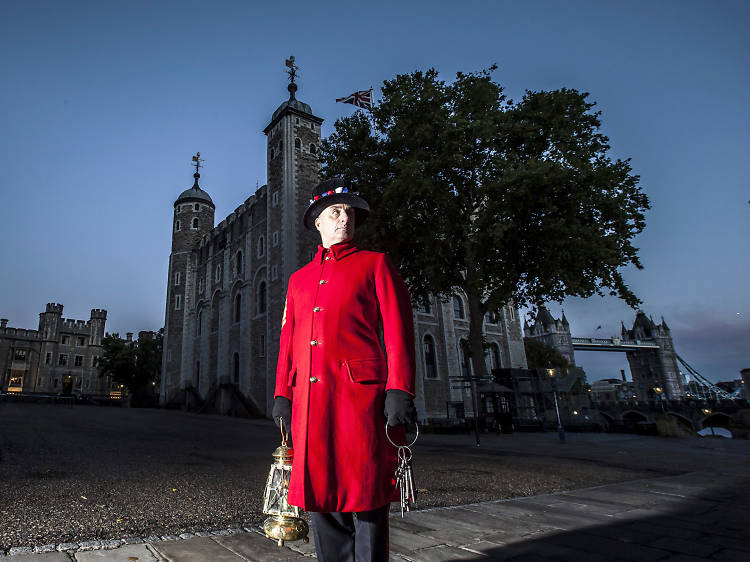
Every evening at 9.30pm a bunch of Yeoman Warders (aka Beefeaters) gather outside the Tower of London and shout ‘Halt, who comes there?’ into the darkness. This is the Ceremony of the Keys and it’s taken place every day, without fail, for 700 years to ‘lock up’ the Tower. You can nosey in on this bizarre tradition yourself and get a late-night look at the ancient fortress. It’s free to head along, but must be pre-booked. It’s also pretty popular and can sell out up to 12 months in advance. So get booking quick to grab the next available slot.

Creep yourself out on a ghost walk

image5

Give yourself the heebie-jeebies by prowling through London’s dark streets on an evening ghost walk. London Ghost Walk’s nighttime Christmas tours will lead you through the gloomy alleyways of the old City where you’ll unearth plenty of ghosts of Christmas past, including a demon hound that once lurked in an ancient church tower and the place where the ‘Hellfire Club’ came into being.

Bop along to some late-night jazz

image6

Opened in 1959, Ronnie Scott’s is a legendary Soho institution sure to get any jazz fanatic more than a little hot under the turtleneck. It’s also open every evening until 3am for the ‘Ronnie Scott’s Late Late Show’. The nights have showcased  Stevie Wonder, Robert Glasper, and Lady Gaga, and in true improv style, any top-notch performers in town are invited to drop by, meaning the programme can change last minute. If you want to live out any Kerouacian dreams, this is the place to do it.

An artist’s paintings of East End London are finally gaining recognition

Doreen Fletcher started painting scenes of East End London in 1983 but gave up in 2004 after being discouraged by a lack of recognition.

A chance encounter with London blogger The Gentle Author helped bring her East End paintings to public attention in 2015.

An upcoming exhibition at the Nunnery Gallery is to show the breadth of her work, featuring atmospheric scenes of streets and parks, including buildings that have since been demolished.

She says of her art: «Since I was a teenager I have been committed to drawing and painting what might be termed ‘the almost gone’.

«Be it the changing use of buildings, the crumbling of dry-stone walls, abandoned terraces and disused barns, faded shop signs, dilapidated street furniture or graffiti, they are all the stuff of my pictures, to be recorded before being swept away.»

Here are some of her paintings, with descriptions in her own words.

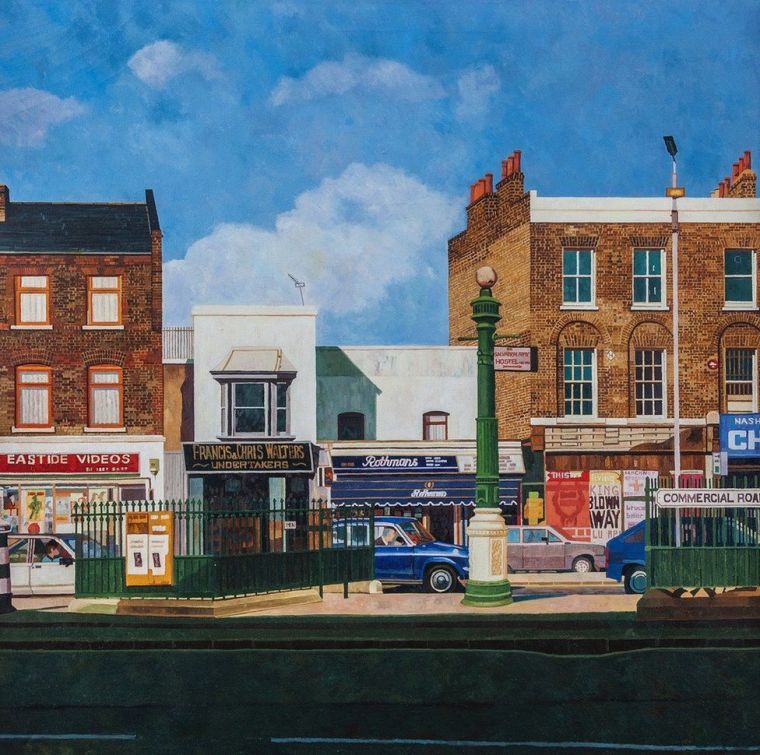
Whit Sunday, Commercial Road, east London, 1989

image1

«In retrospect, this painting appears an optimistic view of what was in reality, a dusty, dirty and polluted road in the days before the underpass linking the The Highway to the docklands was built.»

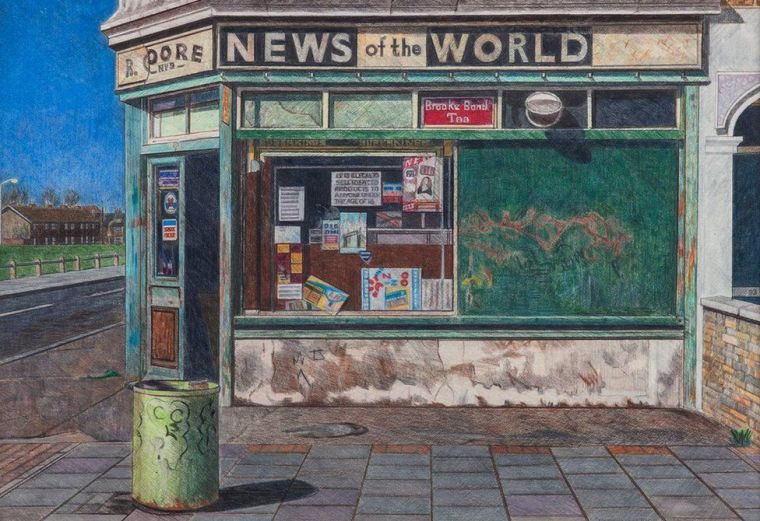
Corner shop, Canning Town, east London, 1994

image2

«One Saturday afternoon in June 1991, I decided to explore Canning Town on the other side of the River Lea. I followed a black-and-white collie down a street that had been cleared, awaiting redevelopment. The dog turned a corner and had vanished by the time I caught up but I assume he went into the newsagent’s open door.

«This image stayed in my mind so I returned in autumn to buy some sweets in order to view the interior and make some quick sketches — but I was already too late. It was boarded up and I never found out if the dog had gone into the shop.»

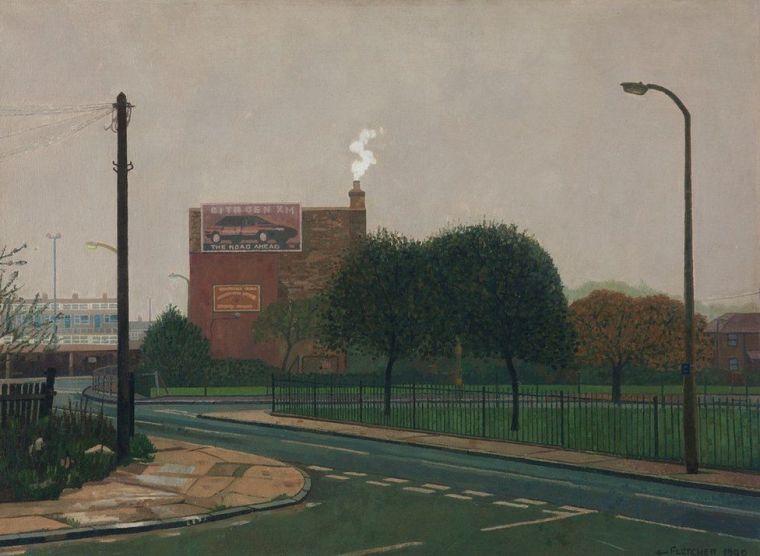
Bartlett Park, Poplar, east London, 1990

image3

«The isolation of the building and the smoke that frequently drifted up from the chimney inspired me to paint this. Months of experiment were required to find the right shade of white for the plume of smoke.»

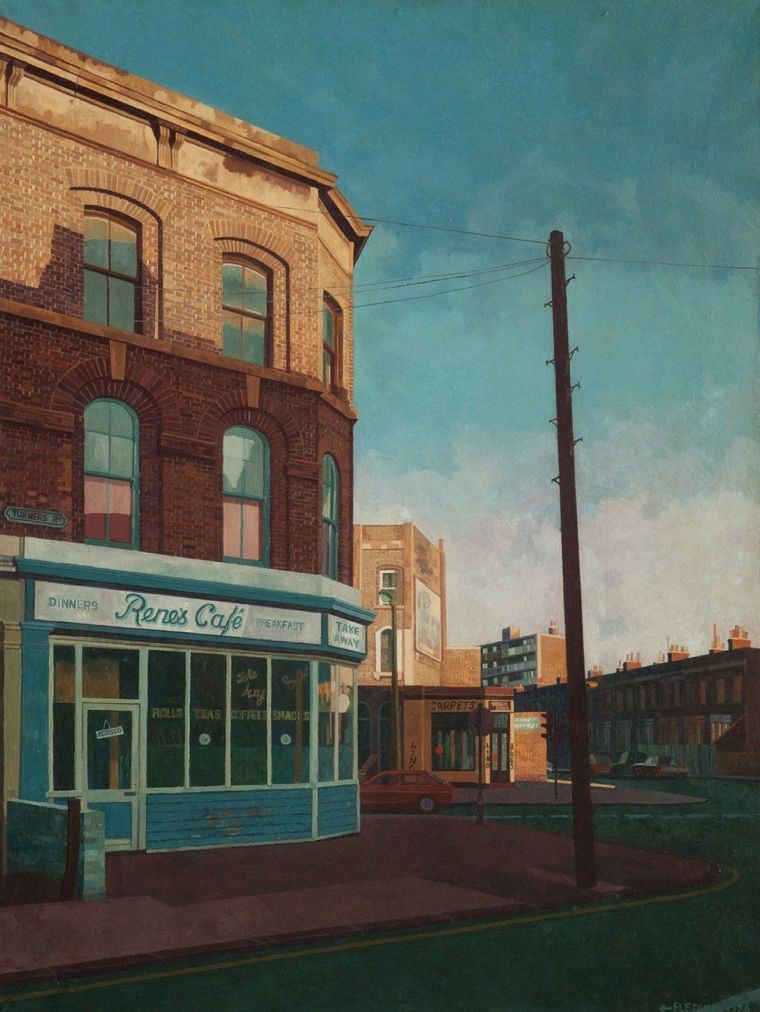
Rene’s Cafe, Bow, east London, 1986

image4

«Six months after my arrival, the cafe closed forever.

«It remained for some time before bulldozers came along and it fell victim to the encroaching tide of development.»

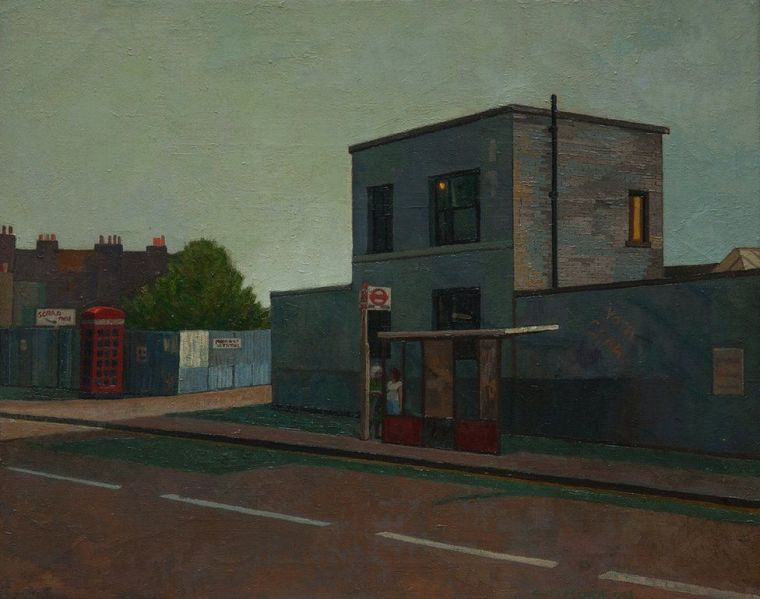
Bus stop, Mile End, east London, 1983

image5

«My first visit to Mile End was for a date in May 1983. I was intrigued by the building behind the bus stop, which appeared doomed, and I wanted to capture it before the bulldozers arrived.

«In fact, the edifice was flattened a year later. I was also intrigued by the two women waiting for a bus and wondered whether they knew each other.»

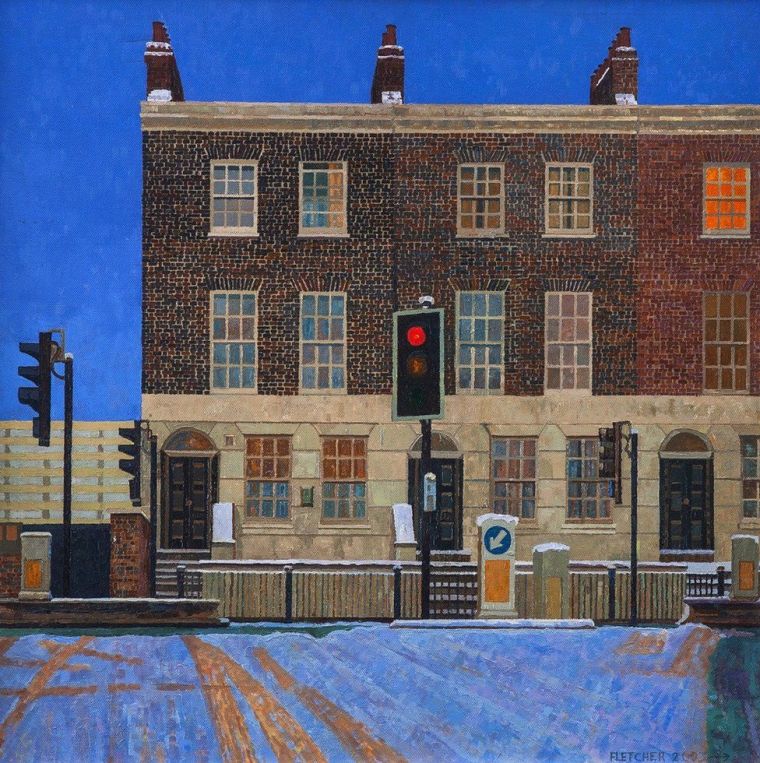
Commercial Road in the snow, Limehouse, east London, 2003

image6

«Snow is rare in London and you need to be quick to capture the magic before it turns to slush.

«When snow fell in late February one year, I was out of the door by 08:00 to survey the crisp, clean landscape. I wandered down the canal until I reached Limehouse Basin but nothing caught my attention.

«I decided to circle back through the empty streets and I came across this scene at the top of Rotherhithe Tunnel Approach. The sky was a brilliant blue and the snow had transformed the sooty drabness of the Georgian terraced houses to their former elegance.»

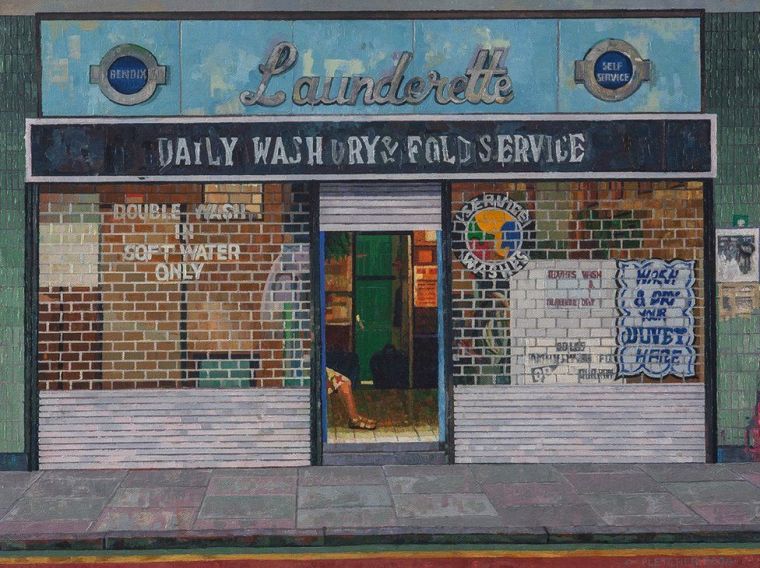
Launderette, Ben Jonson Road, Bow, east London, 1983

image7

«Until 1990, when I bought a washing machine, I made the fortnightly trek to the launderette in Salmon Lane. Two ladies worked there. Every time I dashed in and out, there was constant chit-chat and the air was blue with the mix of cigarette smoke and steam from the machines.

«For years I thought about doing a painting but by the time I got round to it, the launderette had had a facelift and lost its character. The ladies had retired and the smoky atmosphere had evaporated thanks to red ‘No smoking’ signs.

«Then, on a Sunday morning foray to Ben Jonson Road, I spied a couple of legs sticking out from a launderette situated in a parade of shops. I had my subject at last.»

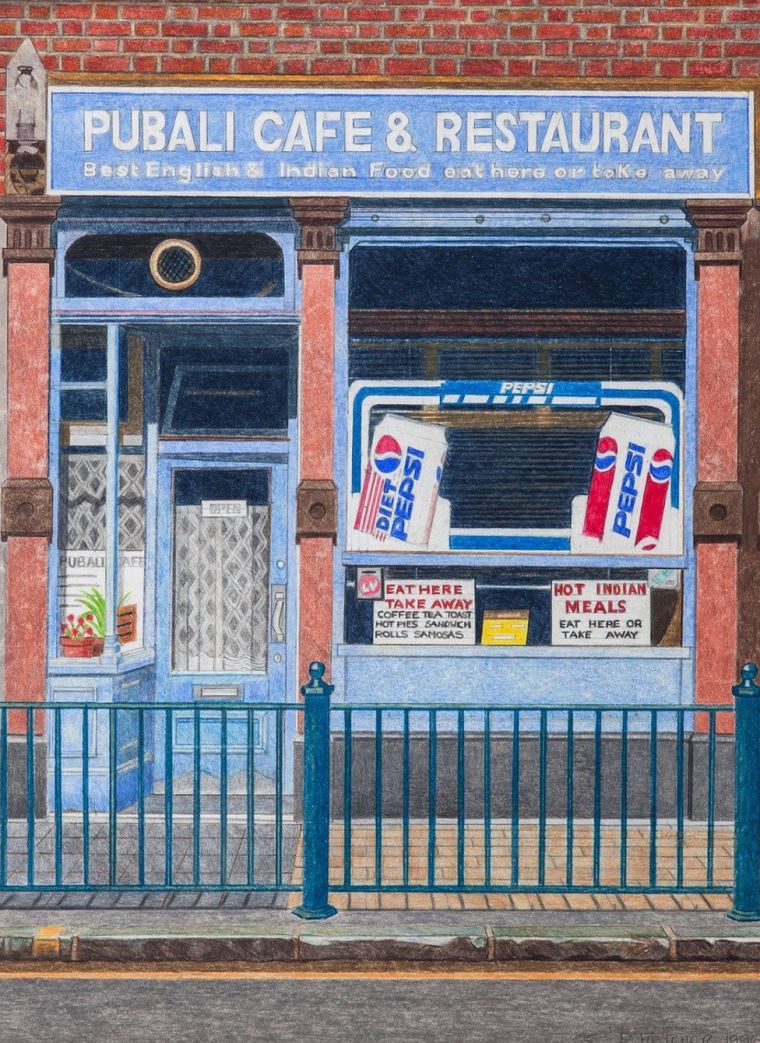
The Pubali Cafe, Commercial Road, Limehouse, east London, 1996

image8

«I was intrigued by this cafe, it was always open but no-one seemed to go inside. A small thin man stood motionless behind the counter or sat eating a plate of curry at a table.

«I succumbed to temptation and entered with my partner. We ordered coffee and it was the worst I ever tasted. This was a foggy Saturday in January 1985 with the Sun trying to break through. There was a lull in the traffic and I heard a rumbling boom like thunder. A bomb planted by the IRA had exploded at Tower Bridge and the sound carried down Commercial Road. I never returned to the cafe.»

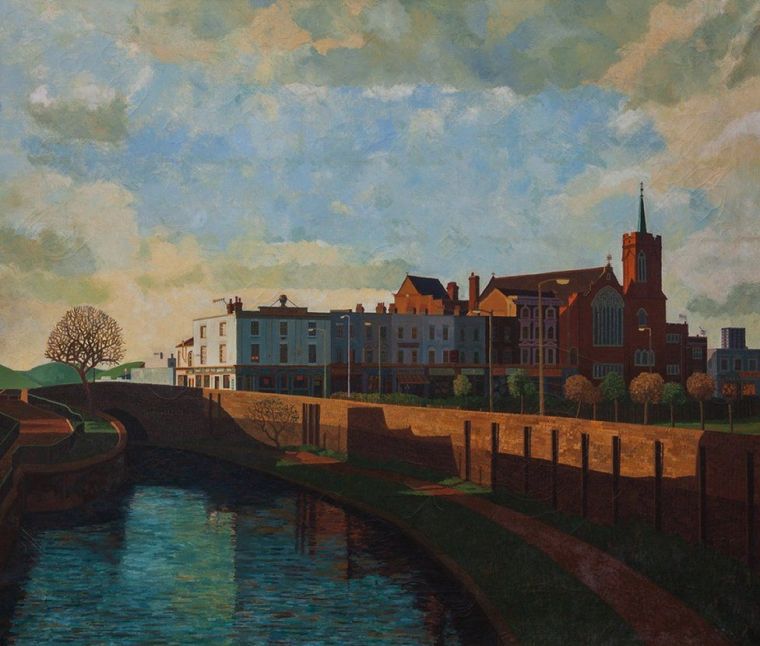
Mile End Park with canal, east London, 1986

image9

«The spring of 1985 was very cold in London but it was even colder in The Hague, where I was visiting. Yet, I was transfixed by works from the Dutch golden age of painting, particularly the View of Delft, by Vermeer, one of the first known cityscapes.»

«Once back in London, I started a new series of works focusing on similar subject material in my vicinity.»

Salmon Lane in the rain, Bow, east London, 1987

image10

«It seemed to rain a lot in the 80s. I used to go to Salmon Lane most days, since there was a range of shops including a post office, a baker, an off-licence, a butcher, a greengrocer’s, a dry-cleaner, a laundrette, fruit-and-veg stall, a pub and two Chinese restaurants — one of which was world famous.»

TOP TEN LONDON: TOP 10 THINGS TO SEE AND DO IN WESTMINSTER

The City of Westminster is one of the most important places in Greater London.  Home of all aspects of the British government, the Houses of Parliament, the Court of St. James, the principal residence of the monarch, and the church in which every Sovereign has been crowned since 1066 are all found here.  However, that’s not all you’ll see in this London borough, and we have identified our top ten favorite places to see in the City of Westminster.  You can let us know your own top spots in the comments.

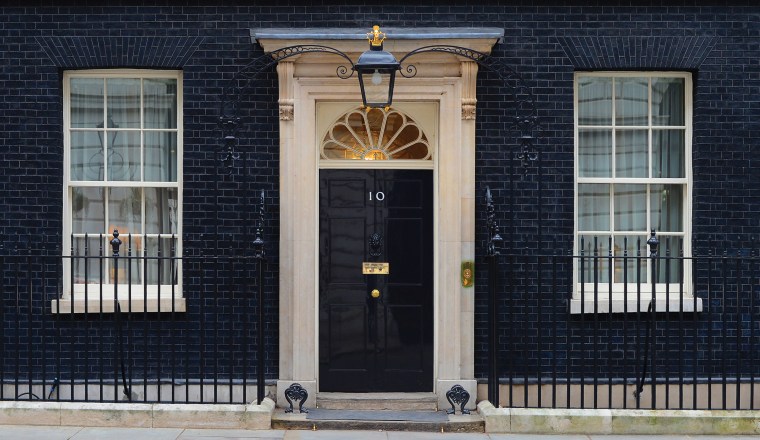
NUMBER 10 DOWNING STREET

10 Downing Street.

Easily one of the most well-known addresses in the UK (if not the world), Number 10 Downing Street is the home of the Prime Minister.  While we might be able to tour the White House in the States, No. 10 doesn’t allow public access.  However, you can still stand outside the gates and maybe get lucky for a glance at the PM or some other visiting dignitary.

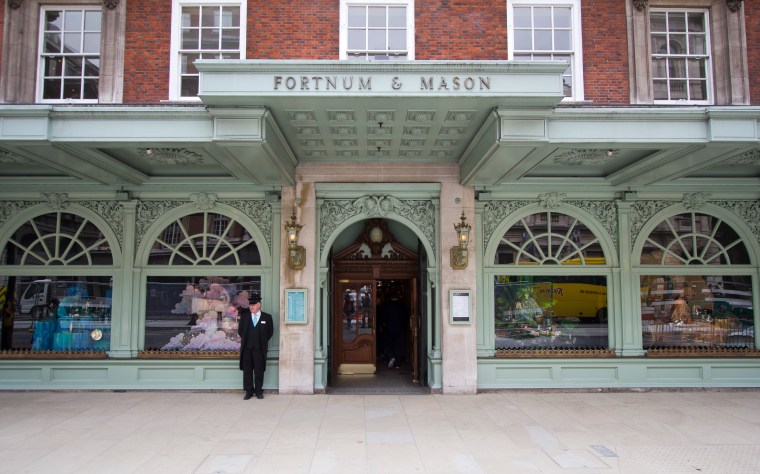
FORTNUM & MASON

Fortnum and Mason, London

Founded in 1707 as a grocery store, Fortnum’s is one of the largest department stores in London and still specializes in groceries as well as other items.  Full of plenty of upscale items, the store is known primarily for its hampers (picnic baskets to us).  F&M makes them for practically every occasion, so you may need one to grab one for a memorable picnic at one of our other locations on this list.

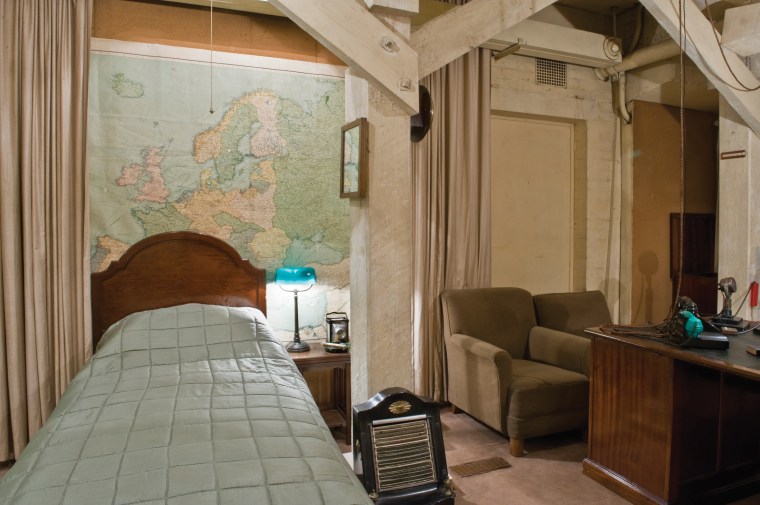
CHURCHILL/CABINET WAR ROOMS

Churchill's bedroom

Part of the Imperial War Museums, the Churchill War Rooms (sometimes called the Cabinet War Rooms) is an underground complex where the British government conducted itself during World War II.  Located under the Treasury Building, the government took steps to preserve the rooms after the war and today you can see them much as they were during one of the most trying times in British history.

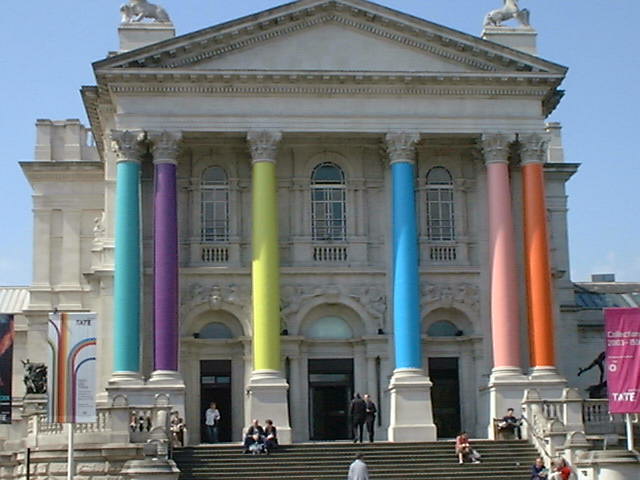
TATE BRITAIN

image4

The original member of the Tate family of art museums, the Tate Britain opened in 1897 as a free art museum to the public.  The Grade II listed building houses some of the Tate’s 66,000 works from 1500 to the present.  Plenty of the collections are part of the free aspects of the museum, though some special exhibits you may have to buy a ticket for.

ST. JAMES’S PALACE

image5

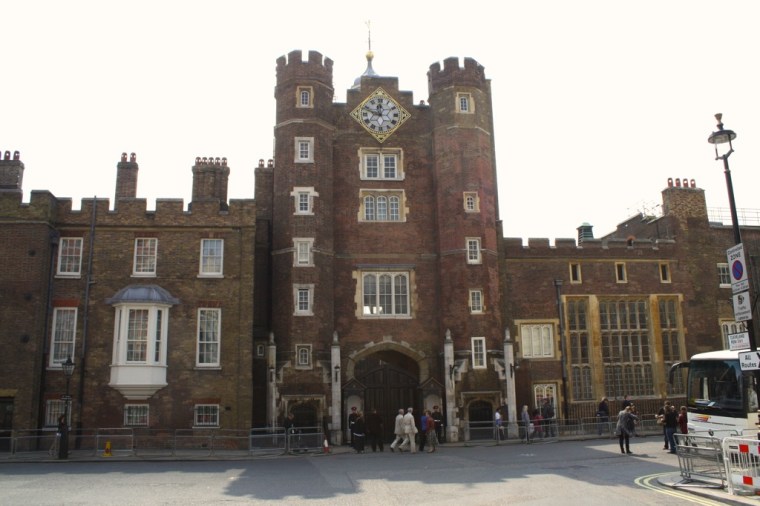
The official residence of the Sovereign remains at St. James’s Palace since it was constructed by King Henry VIII, which is the reason why ambassadors are admitted “to the Court of St. James”.  While several members of the Royal Family do live here, it is one of the few royal residences that is open to the public for tours.  It tends to be closed for any major government functions, so be sure to check before you go.

ST. JAMES’S PARK

image6

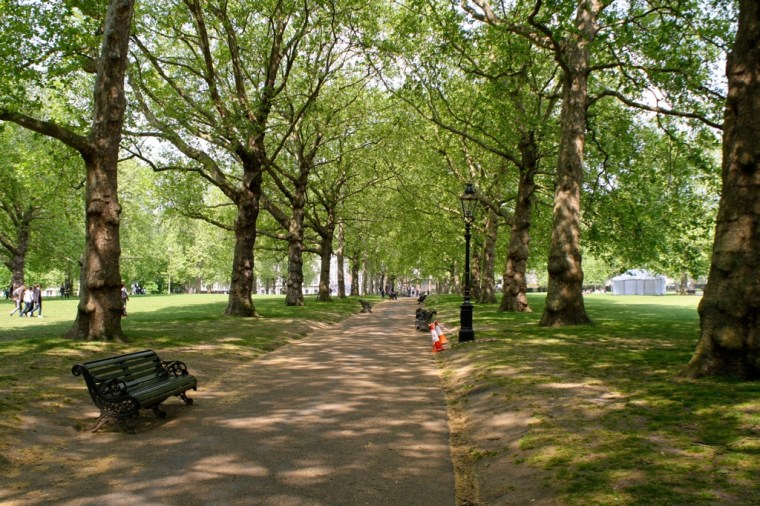
Nearby is St. James’s Park, fifty-seven acres of greenery built by King Charles II after he became enamored of the elaborate gardens of the French during his exile.  It has a lake with two islands and a squadron of pelicans that have lived in the park for 400 years.  You can also peruse the beautiful flower beds on your way to your next destination.

NATIONAL GALLERY

image7

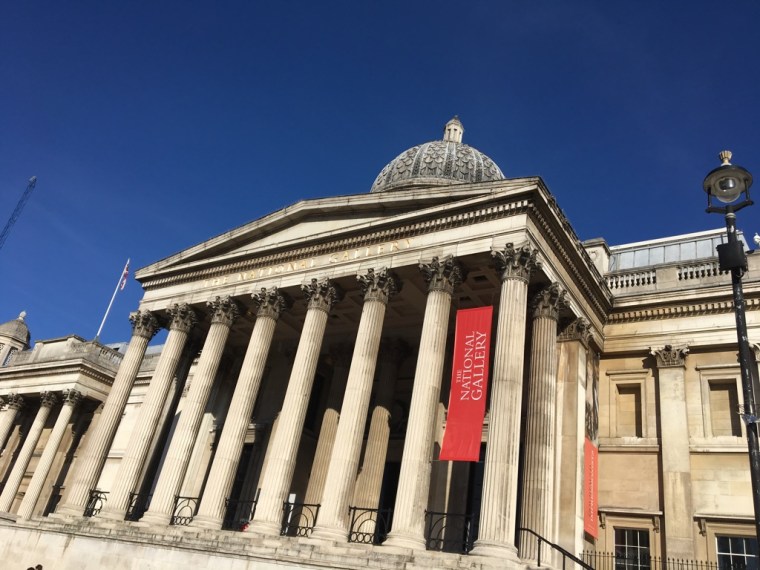
If you haven’t had enough art at the Tate, you can visit the UK’s main depository of artworks at the National Gallery.  The Gallery has about 2300 paintings, sculptures, sketches, and more from the Mid-13th Century to the present along with special exhibits that change regularly.  The National Gallery also offers many other exciting opportunities, whether you’re hungry or want to sketch while you’re there.

WESTMINSTER ABBEY

image8

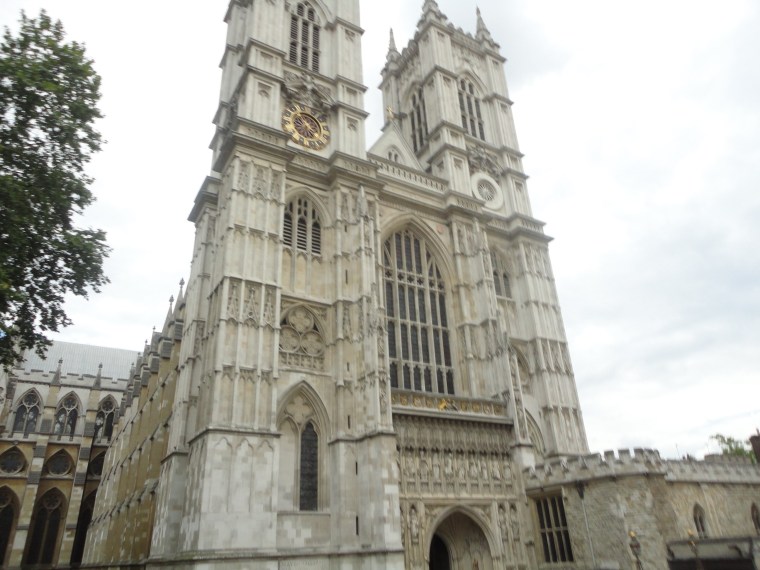
One of the most important buildings in Britain, an abbey has been located on this site since the 10th Century, and the construction of the current church began in 1042.  It is here that King William I was crowned on Christmas Day, 1066 and it has been the site of coronations, marriages, funerals, and more important state events ever since.

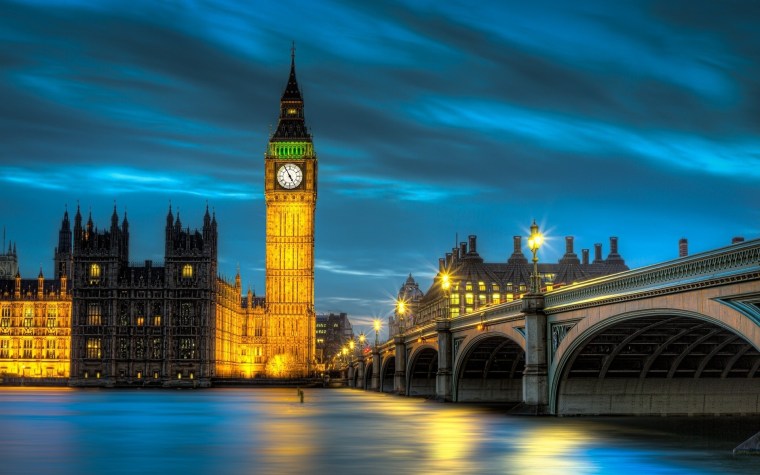
PALACE OF WESTMINSTER AND BIG BEN

www.hdfinewallpapers.com

Next up is the seat of the British Government.  The Palace of Westminster has been home to the government since it was the palace of Canute the Great.  The first Parliament (or “Model Parliament”) met here in 1295, and it became their home after King Henry VIII vacated it for the Palace of Whitehall.  The current building dates from the 19th Century after a fire destroyed the original Houses of Parliament and you can tour the building and even sit in the public galleries during sessions of the House of Commons.

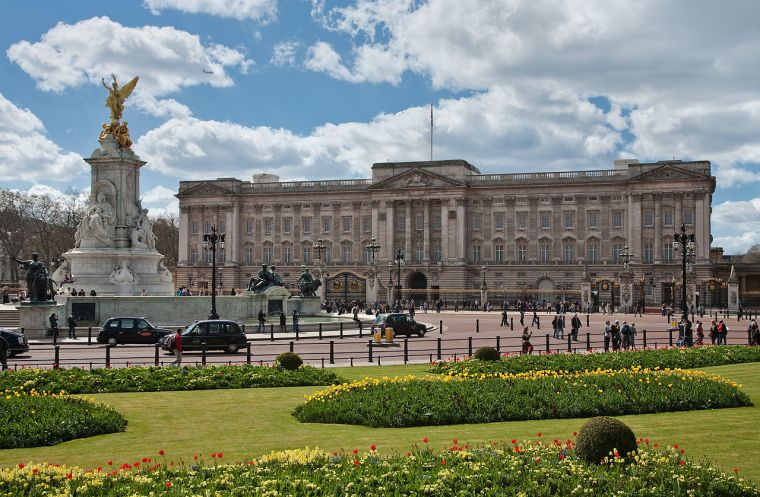
BUCKINGHAM PALACE

image10

The home to Her Majesty, Queen Elizabeth II, this palace built by the Duke of Buckingham and eventually home to Queen Charlotte became the residence of the monarch when Queen Victoria moved there in 1837.  Open only a few times a year to the public when the Queen is not in residence, most tourists are content to view it from outside, especially when it’s time for the changing of the guard.

The Queen’s “rebel sister”: 8 facts about Princess Margaret. Part 2

5. Margaret fell in love with an older man who may or may not have been married at the start of their relationship

Unlike her sister Elizabeth, Margaret was under no immediate pressure to marry. In her early twenties, she began a relationship with her father’s equerry, Group Captain Peter Townsend – a man 16 years her senior. Townsend had two children with his wife, Rosemary Pawle, and was considered – at least by royal standards – a commoner on a modest income. For the young princess, their relationship was her first experience of romantic love.

Although Margaret’s relationship with Peter Townsend is frequently referred to as an ‘affair’, it is not clear when they started their romance. Townsend divorced in 1952, and some sources suggest that he didn’t become close to Margaret until after the death of her father, King George VI, on 6 February 1952.

Group Captain Peter Townsend


6. Margaret chose her “duty to the Commonwealth” over marrying for love

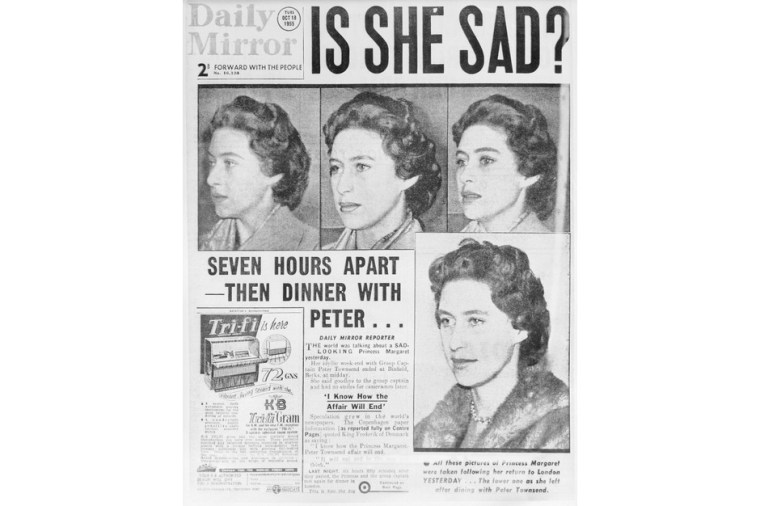
Margaret’s relationship with Townsend was revealed to the public when an eagle-eyed journalist spotted the princess affectionately plucking a piece of lint from Townsend’s jacket during the Queen’s coronation at Westminster Abbey in 1953.

Later that year, in April 1953, Townsend proposed to the 22-year-old princess. Because Margaret was under the age of 25 at the time – and because she was so closely linked to the line of succession – the Queen’s consent to the marriage was required by the Royal Marriages Act of 1772. Faced with an impossibly difficult decision – and with varying pressures weighing down on her – Elizabeth asked Margaret to wait for a few years.

The princess and Townsend agreed to the request, planning to marry when Margaret turned 25. But just two years later, on 31 October 1955, Margaret released the following statement:

“I would like it to be known that I have decided not to marry Group Captain Peter Townsend. I have been aware that, subject to my renouncing my rights of succession, it might have been possible for me to contract a civil marriage. 

“But mindful of the Church’s teaching that Christian marriage is indissoluble, and conscious of my duty to the Commonwealth, I have resolved to put these considerations before any others.”

Had the Queen decided to stop Margaret from marrying Townsend? Not necessarily. (Although if the Netflix series The Crown is to be believed, Elizabeth had told her sister that she would no longer be a member of the family if she went ahead with the marriage.)

Front Page of London Daily Mirror

Papers released at the National Archives in 2004 show that the Queen and the then-prime minister Anthony Eden had drawn up a plan that would have permitted Margaret and Townsend to wed. There was, however, a ‘small’ catch: Margaret, and any children produced through the marriage, would be removed from the line of succession. The final draft of the proposal was produced on 28 October 1955, just three days before Margaret announced that she would not be marrying Townsend.

As Townsend himself put it, in his 1978 autobiography Time and Chance: “She could have married me only if she had been prepared to give up everything – her position, her prestige, her privy purse. I simply hadn’t the weight, I knew it, to counterbalance all she would have lost.”


7. An estimated 300 million people watched Margaret marry Antony Armstrong-Jones…

In February 1960, Margaret announced her engagement to photographer Antony Armstrong-Jones. The revelation surprised the media, who speculated that Margaret accepted the proposal shortly after learning that her former flame Peter Townsend intended to marry a 19-year-old Belgian woman named Marie-Luce Jamagne.

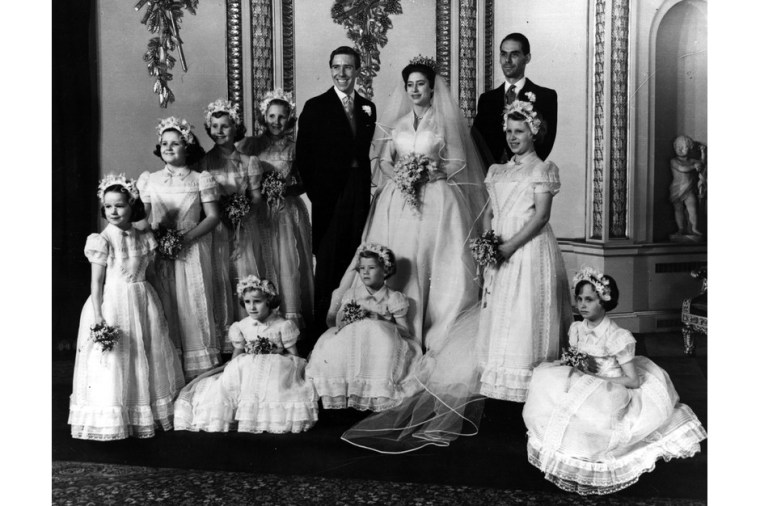
Three months later, on 6 May 1960, Margaret and Armstrong-Jones exchanged vows in a spectacular ceremony at Westminster Abbey. It was the first British royal wedding to be broadcast on television, and an estimated 300 million people tuned in to watch the occasion. Some 2,000 guests were invited, including the former prime minister Winston Churchill, Queen Ingrid of Denmark, and the king and queen of Sweden.

Smile Please


8. … and their wedding cost a staggering £86,000

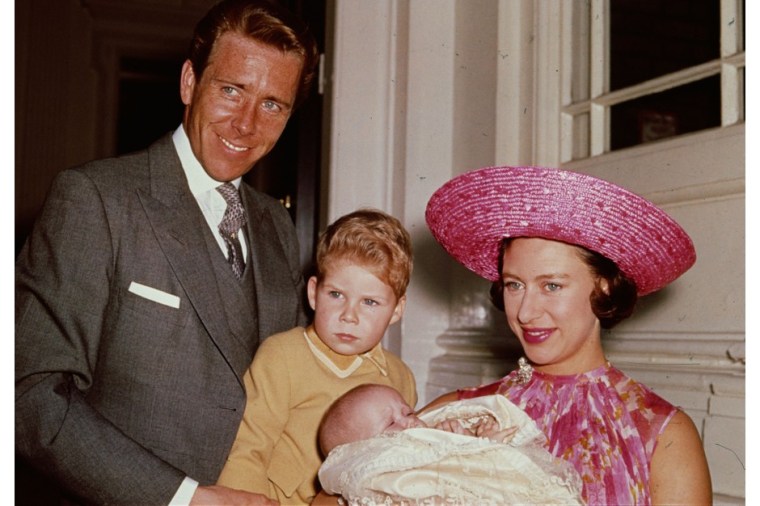
In comparison to the nuptials of Elizabeth II and Prince Philip, which took place during the post-war austerity of 1947, Margaret’s wedding was a lavish affair. Featuring 20 wedding cakes, a 60-foot floral arch and a dress made from more than 30-metres of fabric, the event reportedly cost £26,000 in total, with the honeymoon – a six-week jaunt on the royal yacht Britannia – adding an additional £60,000 to the bill. Following the honeymoon, the newlyweds moved into apartments at Apartment 1A, Kensington Palace. They went on to have two children: David, born on 3 November 1961, and Sarah, born on 1 May 1964.

Snowdon Family

Margaret’s marriage ended in 1976 when her affair with another man, Roddy Llewellyn, was made public. The biographer Christopher Warwick has since suggested that Margaret’s most enduring legacy was establishing public acceptance of royal divorce. Her relationship history was a sad one, he wrote, but it did help make the choices of her sister’s children – three of whom divorced (Prince Charles, who married Lady Diana Frances Spencer in 1981 and divorced her in 1996; Princess Anne, who married Captain Mark Phillips in 1973 and divorced him in 1992; and Prince Andrew, Duke of York, who married Sarah Ferguson in 1986 and divorced her in 1996) – easier than they otherwise might have been.


Princess Margaret died on 9 February 2002 at the age of 71 at The King Edward VII Hospital after suffering a stroke and developing heart problems.

The Queen’s “rebel sister”: 8 facts about Princess Margaret. Part 1

Princess Margaret Rose Windsor (1930–2002), Countess of Snowdon and the younger sister of Queen Elizabeth II, was arguably one of the most popular royals in modern history. Known for her rebellious nature and determined personality, she made headlines around the world for her ‘party-girl’ lifestyle and her relationship with her father’s equerry Group Captain Peter Townsend – a romance that featured in the blockbuster Netflix series The Crown. But how much do you know about the royal?

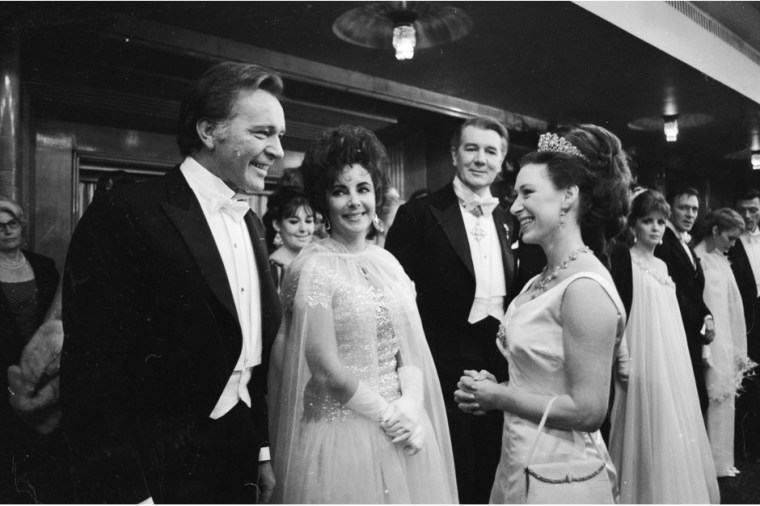
Princess At Premiere

Here, we bring you eight facts about Princess Margaret…

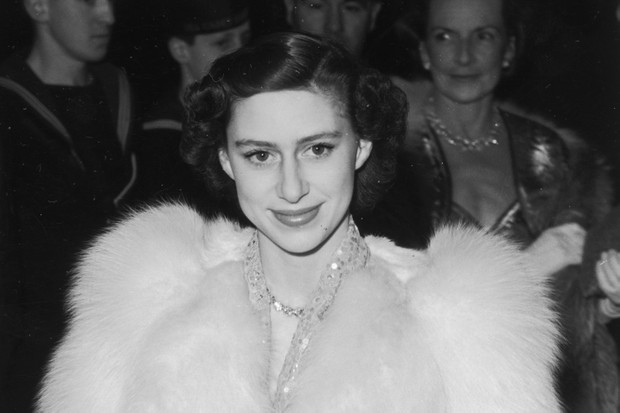
Long before the rebellious Prince Harry came on to the scene, Princess Margaret – the younger sister of Queen Elizabeth II – established herself as the royal family’s ‘wild child’. Known in the press for her vivacious personality and antics, Margaret was an enthusiastic ‘party princess’ – drinking, smoking and cultivating friendships with a variety of celebrities, actors and musicians.

Film Performance

It is arguably these elements of Margaret’s personality and lifestyle that made her such a fan-favourite on the Netflix TV series The Crown. Played by Vanessa Kirby, the first series charts Princess Margaret’s doomed relationship with Peter Townsend, while the second series explores her romance with Antony Armstrong-Jones (who Margaret married in 1960). In the third series of The Crown, which is due to air in 2019, Princess Margaret will be played by Helena Bonham Carter.

But did you know…

1. Princess Margaret was the first member of the British royal family to be born in Scotland for more than 300 years

Princess Margaret was born on 21 August 1930 in Glamis Castle, Scotland, the family seat on her mother’s side. At the time of her birth, she was fourth in line to the throne through her father, Bertie (later King George VI). Although her parents hoped to call her Ann, the name was vetoed by her grandfather King George V, so they instead opted for the name Margaret Rose – which was later affectionately shortened to “Margot” by those close to her. According to the Independent, the registration of Margaret’s birth was delayed for several days to “avoid her being number 13 in the parish register”.

Royal Women

Margaret has a number of other ‘royal firsts’ linked to her name: her wedding to photographer Antony Armstrong-Jones in 1960 was the first British royal wedding to be broadcast on national television, while her divorce, 18 years later in 1978, was the first for a senior royal since Queen Victoria’s granddaughter Princess Victoria Melita ended her marriage to Ernest of Hesse in 1901.

2. Margaret had a close relationship with her sister, Queen Elizabeth II – but fought with her as a child

Margaret and Elizabeth enjoyed a relatively ordinary upbringing for children of their wealth and social position, and like many sisters with a close age gap they weren’t averse to a bit of sibling rivalry. Marion Crawford, who worked for 17 years as a governess for the family, wrote in an unauthorised biography titled The Little Princesses that they were “two entirely normal and healthy” little girls. “Neither was above taking a whack at her adversary if roused,” she disclosed. “Lilibet [Elizabeth] was quick with her left hook. Margaret was more of a close-in fighter, known to bite on occasions.”

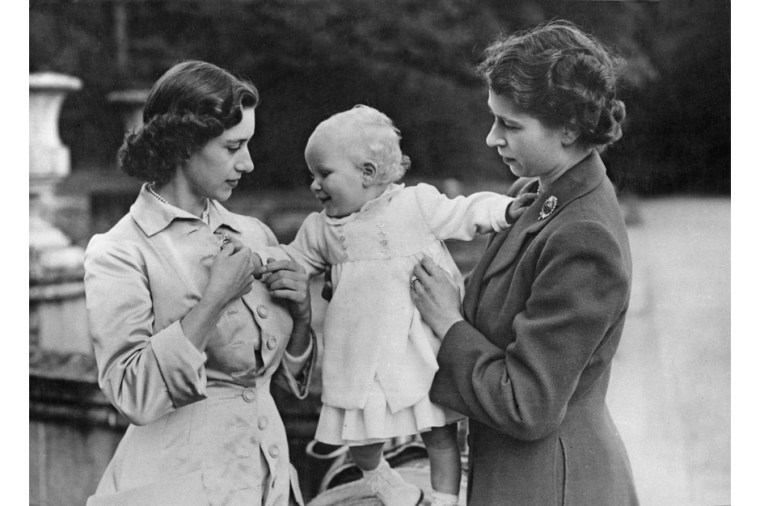
Royal Sisters

Biting aside, the pair maintained a close relationship into adulthood. Margaret served as a bridesmaid during Elizabeth’s marriage to Prince Philip in 1947, while Elizabeth gifted Margaret a 20-room apartment at Kensington Palace following the latter’s wedding to Antony Armstrong-Jones in 1960. According to Vanity Fair, Margaret installed a direct line to Buckingham Palace from her desk at Kensington Palace, thereby allowing the two sisters to frequently call one another.

3. Margaret had nightmares of disappointing the Queen

Being the sister of a reigning monarch may have taken its toll on Margaret. According to the journalist Craig Brown, author of Ma’am Darling: 99 Glimpses of Princess Margaret, the princess had recurring nightmares about disappointing Elizabeth. When a novelist asked Margaret if she ever dreamt about the Queen, Margaret replied that she had nightmares of being “disapproved of”.

Royal Aunt

4. Margaret enjoyed a decadent lifestyle

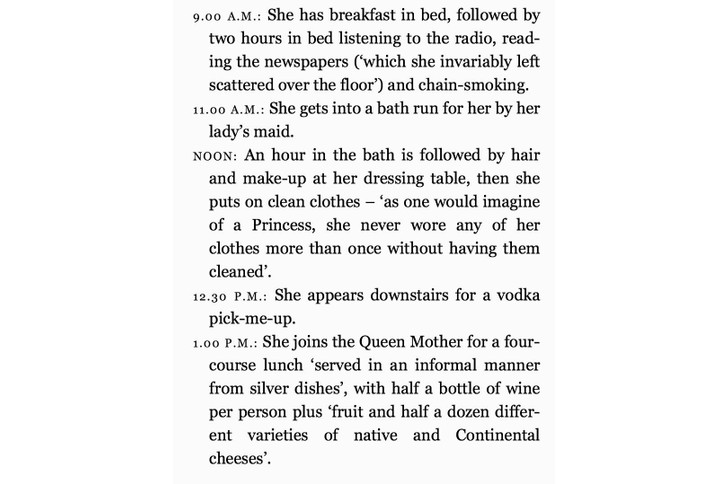
As might be expected for a member of the royal family, Margaret lived a life of luxury. According to Brown, an average morning for the princess in her mid-20s began with breakfast in bed and finished with a “vodka pick-me-up” and four-course lunch:

image6


London’s prettiest walks

Fancy stretching your legs and exploring the city at the same time? Grab your trainers and explore seven of the loveliest walks the capital has to offer

image1

True, the tube or bus can get you almost anywhere in London, but sometimes it’s nice to swap the crowds and traffic for a slower pace and the path less travelled. Walk the city on your own two feet to appreciate all the parks, sights and delights that London has to offer. Whether you’re a local or a visitor, a nature lover or history buff, there’s something for everyone in our round-up of pretty city walks.

The Line

image2

Best for art lovers
Combine a mooch around east London with a healthy dose of culture and walk ‘The Line’ – a route that runs from Queen Elizabeth Olympic Park to the Greenwich Peninsula. As London’s first contemporary art walk, you’ll spot all kinds of installations and sculptures along the way. Keep your eyes peeled for an upside-down electricity pylon, an anatomical model of human skin by Damien Hirst (kind of gross, but cool) and a spiral of 22 shopping trolleys made to look like DNA. There’s a bit of public transport involved to join the dots on the walking routes. If you start your amble at the south of the line, you’ll begin at North Greenwich. Then take the Emirates Air Line to the Royal Docks and the DLR from Royal Victoria to Star Lane (changing at Canning Town), where the walk picks up again and follows winding waterways all the way to Stratford.

Parkland Walk

image3

Best for getting back to nature
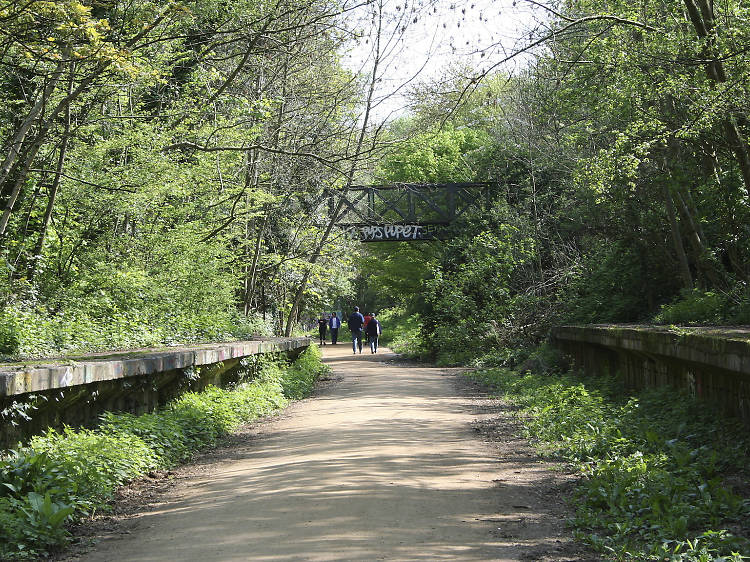
The Parkland Walk is officially London’s longest Local Nature Reserve, which makes it one of the best walks to spot wildlife – and we’re not just talking about stumpy-legged city pigeons. Depending on the time of year, you’ll share your walk with hedgehogs, foxes or dinky muntjac deer. The leafy 4km route follows a disused railway line that used to connect Finsbury Park and Alexandra Palace and you can still spot echoes of the old line in the form of tunnels and disused platforms along the way. It’s the perfect place for a weekend outing whether you’re a dog walker, runner or cyclist – or a tourist who wants to escape the bustle of the city for a few hours. Start at Finsbury Park tube and follow the route all the way to Alexandra Palace.

The Thames Path

image4

Best for a day sightseeing
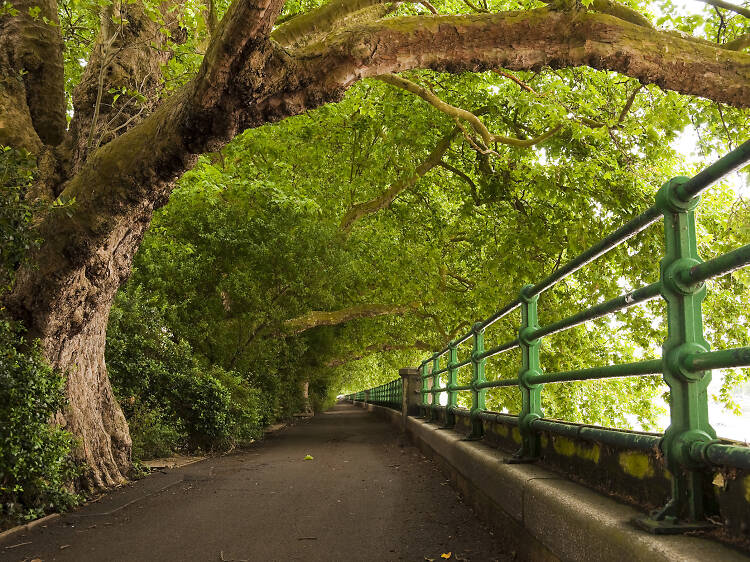
The whole Thames path is 184 miles long, so we’re not suggesting you do the entire thing (unless you have the urge to track the river from its source in the Cotswolds). However, as you might expect of a route that follows the Thames, the last few miles offer pretty, riverside walks that cross through central London. The Putney to Tower Bridge section is around 16.5km and offers two walking routes that end at the bridge. The South Bank route starts in Wandsworth and diverts from the river through Battersea Park and the old power station before taking in all of the big hitters along London’s South Bank, including the Houses of Parliament, the London Eye, theatres, galleries and restaurants. The north route takes you through Hurlingham Park, Chelsea and, finally, Westminster and Embankment to reach the Tower of London and the Tower Bridge finish. Two pretty awesome options.

Hampstead circular walk

image5

Best for city views
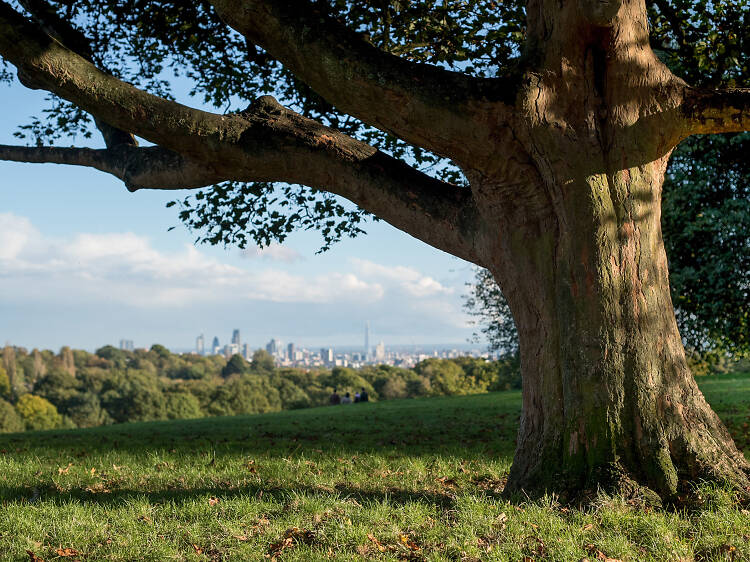
This self-guided circular walk explores the highlights of Hampstead Heath, one of London’s wildest and most precious green spaces. Climb Parliament Hill for panoramic views of the city’s skyline, pass by the ponds (stop for a dip if you’re feeling brave) and refuel with tea and cake at Kenwood House. Entry is free, and the large white country mansion houses a fine art collection too. The walk takes you through some of the prettiest parts of Hampstead, including several pubs, so you don’t need to go out of your way for a quick refreshment pit-stop. Want to extend your walk? Visit Highgate Cemetery – atmospheric architecture surrounded by a peaceful wilderness that’s nowhere near as bleak as it sounds.

The Jubilee Greenway

image6

Best for seeing everything
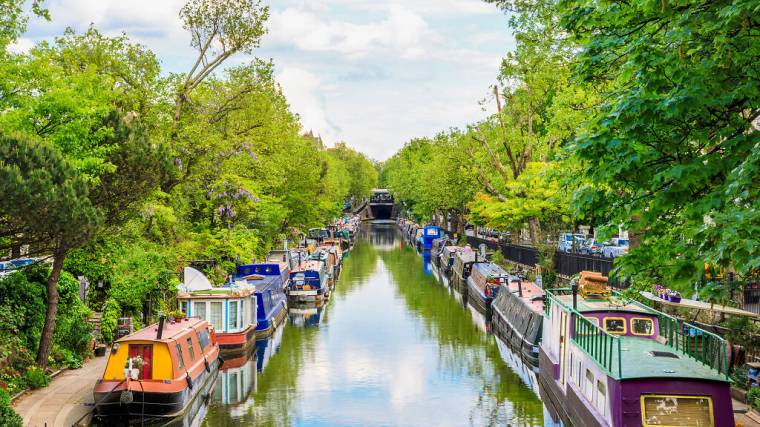
The Jubilee Greenway is a 60km route created in 2012 for (as its name suggests) the Queen’s Diamond Jubilee to mark 60 years on the throne. The whopping loop offers 1 kilometre for each year of her reign. Well sign-posted with glass paving slabs throughout, the walk’s 10 sections cover much of the capital. The first section offers walkers a picturesque route between iconic Buckingham Palace and the winding waterways of Little Venice. You’ll walk up Constitution Hill, through Hyde Park, past Kensington Palace and Paddington before ending up among the picturesque canals and boats of Little Venice. Continue the walk to Camden for street food and shopping or mooch to Warwick Avenue to head back to the city.

Cox’s walk in Sydenham Hill Wood

image7

Best for woodland wandering
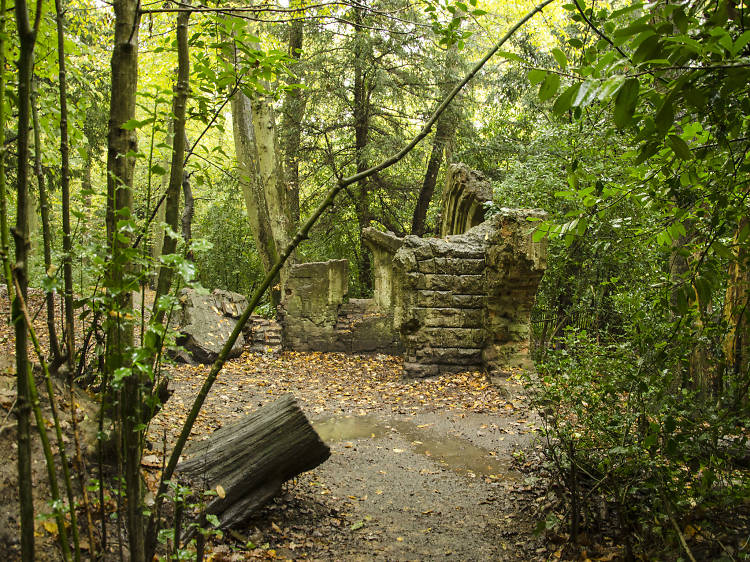
When everything in the city gets overwhelming, swap the tower blocks and busy streets for ancient oaks and leafy avenues. There’s no better place to get those forest feels than Sydenham Wood Hill, the London Wildlife’s Trust’s oldest nature reserve. One of the last remaining swathes of the Great North Wood, it’s home to 200 species of trees and plants and woodland fauna, such as bats, woodpeckers and tawny owls. Cross an ornamental footbridge over an old railway track and follow the oak-lined Cox’s Walk. The closest bus stop is Crescent Wood Road, or it’s a 25-minute walk from Sydenham Overground.

Diana Princess of Wales Memorial walk

image8

Best for seeing parks and palaces
Ninety plaques in the ground mark this memorial walk, which covers four parks, three palaces, two mansions and lots of meaningful locations associated with the Princess. Check off four of eight royal parks as you wander through St James’s Park, Green Park, Hyde Park and Kensington Gardens. If you’ve got restless little ones on your hands, stop at the Diana Princess of Wales Memorial Playground. Kids love the pirate ship, teepees and sculptures, all inspired by the magical adventures of Peter Pan. The route runs in a sweeping figure of eight, so join the walk anywhere along the way and end up back where you began – Hyde Park Corner is roughly at the midpoint making it a good starting point to pick up either side of the loop.

Chelsea bookseller Peter Harrington to sell rare books by women for 50th anniversary

image1

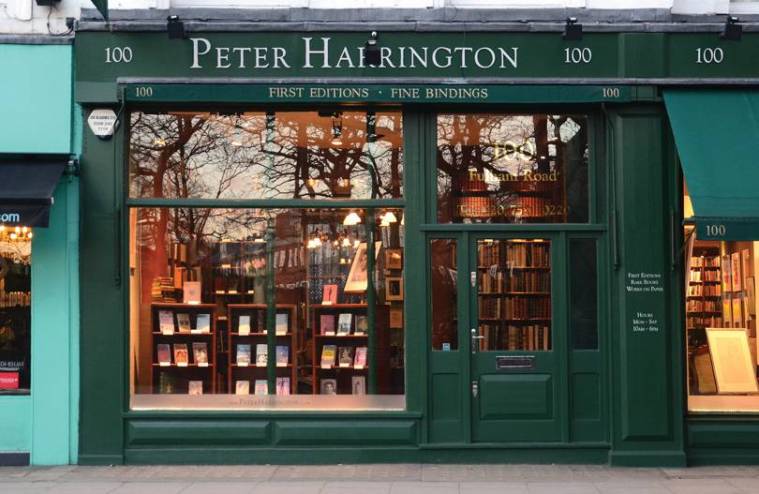
Peter Harrington, the antiquarian bookseller based in Mayfair and Chelsea, has sold works to everyone from the British elite to Rihanna. The Duke of Sussex’s Christening gift to Prince Louis, a first edition of Winnie the Pooh, was bought from a rare bookseller for a cool £8,000. Prince Harry is said to be planning a very special library for his nephew — inspired by memories of bedtime stories with Diana, Princess of Wales. Books are little pieces of history that continue to capture the hearts of readers.

So it’s no surprise that, on its 50th Anniversary, the rare book firm is making history by curating its first ever catalogue dedicated to the work of women, from Sappho to Maya Angelou. It’s groundbreaking because, to this day, women have been seriously underrepresented in the book-collecting industry. In fact, the first rare-book shop devoted entirely to female authors opens its doors in London this year.

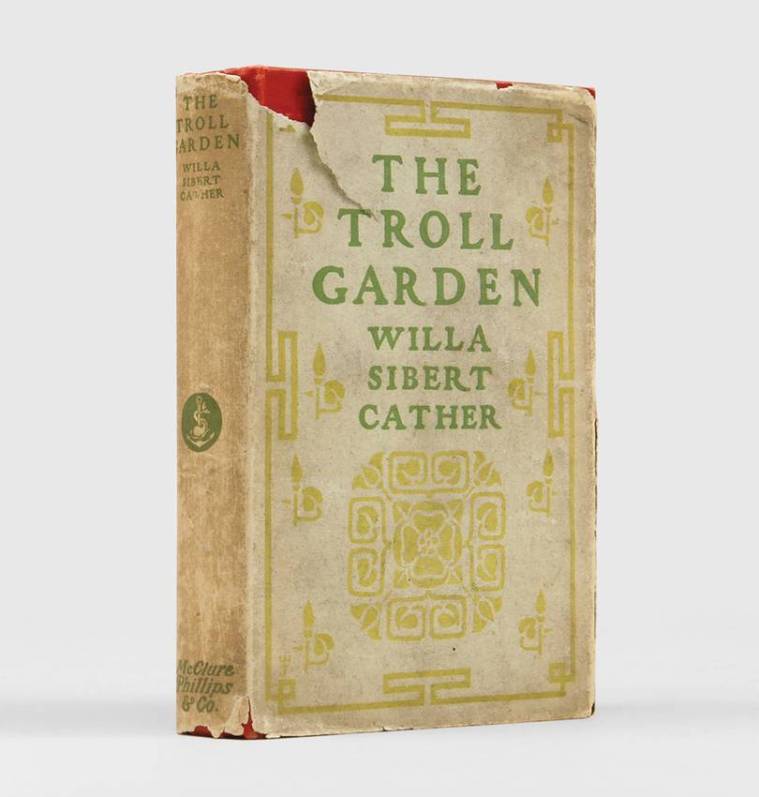
Highlights from the Peter Harrington catalogue (along with their hefty price tags) include Virginia Woolf’s Jacob’s Room with a handwritten inscription by the author herself to her sister, artist Vanessa Bell, who designed the dust jacket (£85,000); a first edition Tenant of Wildfell Hall, Anne Brontë’s last and only separately published novel (£27,500); a presentation copy of Willa Cather’s 1905 collection of short stories, The Troll Garden (£40,000); and a remarkable documentary photobook focusing on the lives of first- and second-generation ‘free blacks’ in the US, shot by two female photographers in the 1930s (£32,500). The most expensive and, in some respects, the coolest offering in the catalogue, at £200,000, is the translation of Luigi Federico Menabrea’s 1840 paper on the ‘Analytical Engine’ by Ada Lovelace, whose accompanying appendices have resulted in some calling her the world’s ‘first computer programmer‘.

image2

image3

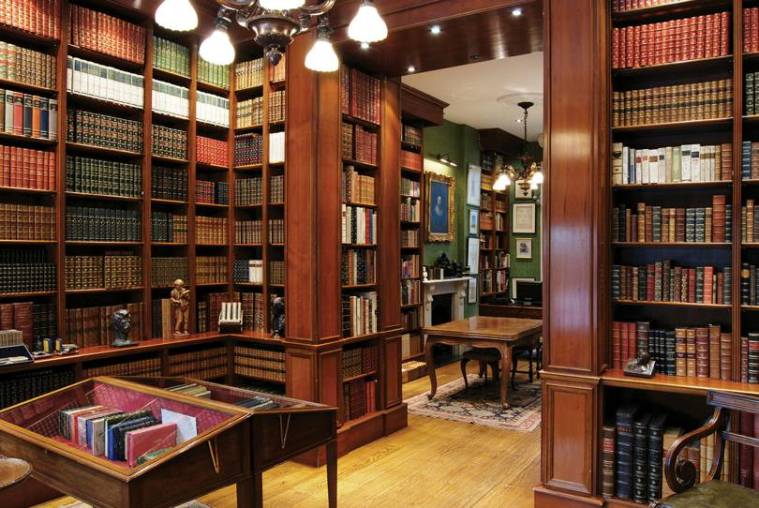
With International Women’s Day just around the corner, now seems the perfect time to celebrate these influential literary figures. Head to the launch event on 26th February to admire the items over a glass of fizz at the luxe library-style Mayfair store. It’s a once-in-a-lifetime chance to see them in the flesh, alongside other rare works by incredible women including the foremother of feminism, Mary Wollstonecraft, primatologist Jane Goodall and aviator Amelia Earhart.

image4