Coronavirus: What’s the risk on public transport?

148832_original.jpg
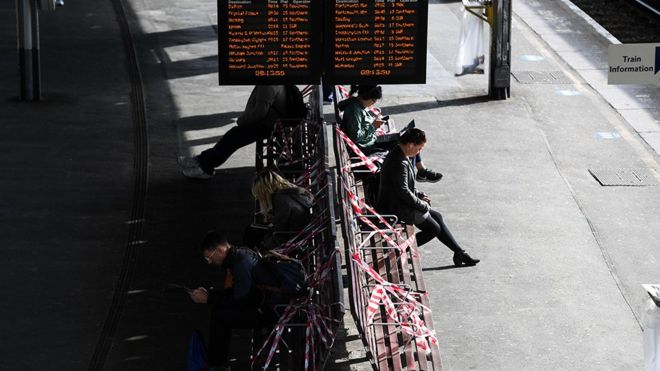
At Clapham Junction station some seats are taped off to keep people apart

During lockdown there have been reduced services on trains and buses but with restrictions being eased and more people being encouraged to return to work passenger demand is expected to increase.

From Monday 15 June, anyone travelling on public transport in England should wear a face covering — to help reduce the risk of spreading coronavirus.

The government has advised people to walk, cycle or drive but if that’s not possible what are the risks of getting Covid-19 on public transport?

How safe are trains and buses?

A lot of the potential risk of infection on trains and buses depends on how crowded they are, and so how far away you can keep from other people. This applies both on the vehicles and at stops and stations, and will vary in different parts of the country and on different routes.

Ventilation also plays an important role as fresh air can help droplets containing the virus dissipate faster, so being able to open a window can be an advantage.

Coronavirus spreads when an infected person coughs, sneezes or exhales small droplets packed with the virus into the air.

These droplets can enter the body through the eyes, nose and mouth, either directly or after touching a contaminated object.

The government’s consistent message has been to stay 2m (more than 6ft) apart from people outside your household.
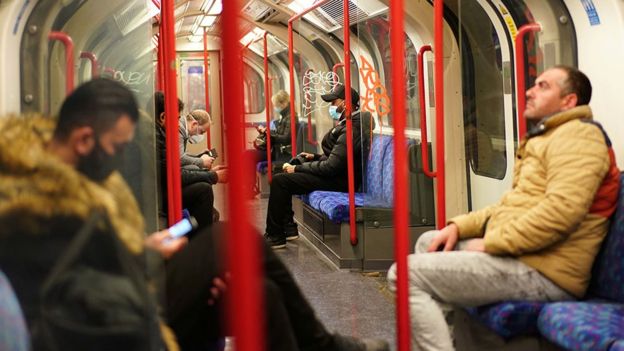
149050_original
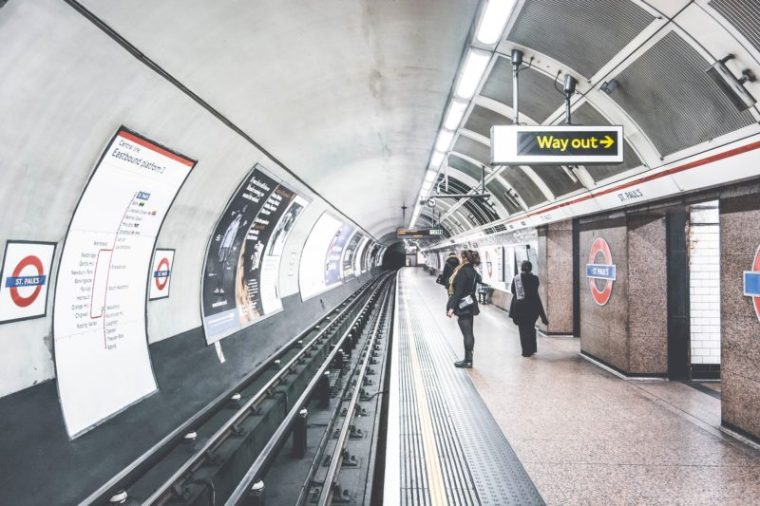
People sit apart on the Tube as they try to keep their distance

Previous research has suggested a link between commuting on the London Underground and the likelihood of catching respiratory illnesses.

Dr Lara Gosce, at the Institute of Global Health, says her research (published in 2018) showed people who used the Underground regularly were more likely to suffer flu-like symptoms.

«Particularly, it shows that boroughs served by fewer lines — where inhabitants are forced to change line one or more times when travelling on the Underground — have higher rates of influenza-like diseases, compared to well-served boroughs where passengers reach their destination by one direct trip,» she said.

If you’re travelling on a relatively empty train or bus, though, your risks would be different. How long you spend on transport will also play a role — spending more time in contact, and coming into contact with more people will increase your risk.

So, «limiting the number of close contacts with potentially infected individuals and objects is important,» according to Dr Gosce.

«In terms of travel, avoid peak hours if possible,» she says, suggesting, where viable, passengers should choose routes involving only one means of transport.

What is the advice for passengers?

The government says people should «consider all other forms of transport before using public transport». If they can’t walk, cycle or drive to their destination, they are advised to:

  • Travel at off-peak times
  • Take a less busy route and reduce the number of changes
  • Wait for other passengers to get off before boarding
  • Keep 2m away from people «where possible»
  • Wash their hands for at least 20 seconds after completing their journey

The government acknowledges that there may be situations where people can’t keep 2m away from each other, such as at busy times or getting on or off public transport. In these cases, the advice is to avoid physical contact and face away from others.

Face coverings will be compulsory for people on public transport in England from 15 June (children under 11, disabled people and those with breathing difficulties will be exempt).

Governments in Scotland, Wales and Northern Ireland are asking people to wear them on public transport but are not making their use mandatory.

Face coverings can help reduce the risk of transmission in some circumstances. In particular, they are to stop the wearer passing on coronavirus, rather than protecting them from others.

What safety measures are travel operators taking?

Transport companies have been enhancing their safety measures to protect staff and passengers.

Transport for London (TfL) says from Monday, customers should wear face coverings at stations and for their entire journeys.

It has distributed 30,000 of these and will use it enforcement officers, along with officers from the Metropolitan Police and British Transport Police to help customers «comply with the new requirement».

TfL has installed hand sanitisers at all tube, rail and bus stations and has also introduced a rigorous cleaning schedule.

Network Rail, which owns Britain’s rail infrastructure, introduced a new timetable on Monday 18 May, which added about 3,000 trains per day. But the company said passenger capacity was still only between 10% and 13% of normal levels.

It says it has been carrying out «deep cleans» and making changes in stations so people can maintain social distancing.
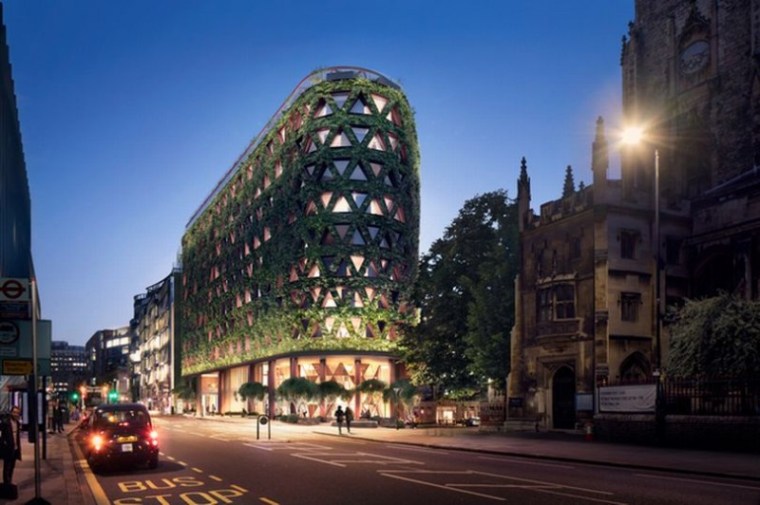

This huge new London hotel will be completely covered in plants

It will actually help put oxygen back into the air

148052_800.jpg

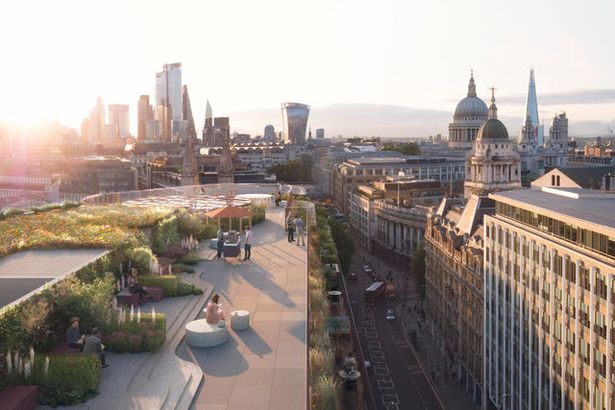
City workers will encounter Europe’s biggest “greenwall” with some 40,000 individual flowers and grasses, after a new hotel is built in the Square Mile.

With a “sky bar” and rooftop garden offering views over St Paul’s, the developer, Dominvs Group, claims it will be the “greenest” building in London.

Plans were approved for the state-of-the-art, 382-bed hotel on January 28 by the City of London Corporation.

Blueprints show the 11-storey tower’s facade will be covered in 3,700 square metres of vertical greenery.

148230_original

Dominvs says the cascade of foliage will convert CO2 into 6.3 tonnes of oxygen per year, and trap 480 kg of particulate matters that pollute the air.

In line with guidance from the Mayor of London’s office, the building will have an “urban greening factor calculation” of 1.37, compared to the Mayor’s target of 0.3.

About 3,750 square metres of office space will also be included in the development, as well as a restaurant, spa and salon.

It will replace an empty office block, Citicape House in 61-65 Holborn Viaduct, on the corner of Snow Hill.

148612_original.jpg

Alastair Moss, chair of the Corporation’s planning and transportation committee, said he welcomes “radical and pioneering ideas” to make the City greener.

“This development’s green wall of around 400,000 plants offers many environmental benefits such as reducing pollution, absorbing sound and reducing flood risk,” he said.

“The Corporation has a real interest in urban greening, and we hope this building will prove to be a fantastic example of what is possible for future developments.”

THE TUBE: TEN INTERESTING FACTS ABOUT THE CENTRAL LINE ON THE LONDON UNDERGROUND

147758_800.jpg

Earning its name by running through Central London, the Central Line is one of the most important lines in the London Underground.  The Central Line started as the Central London Railway in 1900 running east to west through the city.  In 120 years of its existence, the Central Line has built up a very interesting history and some great facts to go with it.  Combing through the miles of tunnels, we’ve found ten of the most interesting factoids about the Central Line that you ought to find fascinating.
DEEP UNDERGROUND

The Central Line has the most stations without a building above ground.  These stations include Bank, Bethnal Green, Chancery Lane, Gants Hill, and Notting Hill Gate.

THE NUMBERS

It’s not an exaggeration to say that the Central Line is one of the most important in the London Underground network.  It is the longest line in the Underground at 46 miles, which is just three miles short of the distance between Leeds and Manchester.  The line also reported a total number of nearly 261 million passengers between 2016 and 2017.

I AIN’T ‘FRAID OF NO GHOSTS

London is a city that has its share of spectres and spirits, and that extends to the Underground as well.  Liverpool Street Station was built over the site of the infamous Bethlehem Hospital, a mental institution that coined the word “Bedlam”.  In 2015, thousands of skeletons were found during construction for the Crossrail line, the remnants of a burial pit created for victims of the Black Death.  The former British Museum station is also believed to be haunted by the ghost of a mummy.

BUSIEST AND QUIETEST

The Central Line’s busiest station is Oxford Circus, which saw nearly 85 million passengers during 2016 and 2017 due to its proximity to busy Oxford Street (the shipping district).  By contrast, Roding sees maybe 250,000 passengers in a single year.

FORGOING TRAINS FOR PLANES

Prior to World War II, stations began an upgrade, lengthened to allow for eight-car trains.  However, the war effort ceased the construction, and some new tenants moved into unused tunnels between Leytonstone and Newberry Park.  The Pressley Company used the vacant tunnels as a factory to construct aircraft parts, employing some 2,000 people for the duration of the war.

NICKNAMES

Would you believe that the nickname “The Tube” didn’t originate as a term for the whole of the Underground?  It actually started as a nickname for the Central Line.  Back when the line started in 1900, the line had a flat fare of two pennies, earning it the nickname “The Two-Penny Tube”, which was later shortened to simply “The Tube”.

EARLY ATTEMPTS AT CORPORATE SPONSORSHIPS?

In 1909, Harry Gordon Selfridge attempted to make a major push to have the Bond Street station named changed to “Selfridges” as a way to promote his store.  Naturally, he was turned down.  The store made another push in the 1930s to have its own subway connecting the station and the store but was refused yet again.

WHAT’S THAT SMELL?

In 2001, the Central Line attempted to freshen up its stations by pumping ascent known as “Madeline” through the vents.  However, after a single day of use, the Underground cancelled using the scent as passengers complained of feeling ill.

IS IT MADE OF…WOOD?

Greenford station was home to the Underground’s last wooden escalator, which was removed in 2015.  Most of the wooden escalators were removed after a fire at King’s Cross station caused by a lit cigarette dropping into the escalator killed 31 people.

TRAIN JUMPERS

Suicides on the Central Line from people jumping in front of trains caused the Underground to install suicide pits beneath the tracks in 1926.

The Gorgeous London Church That’s Also A Coffee Shop

146740_800.jpg

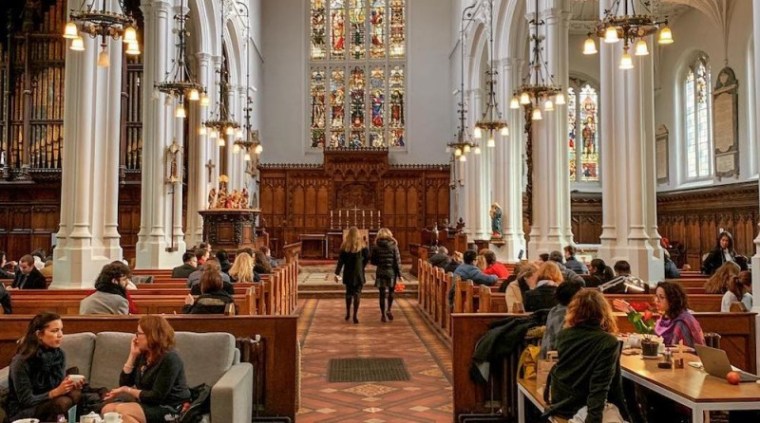
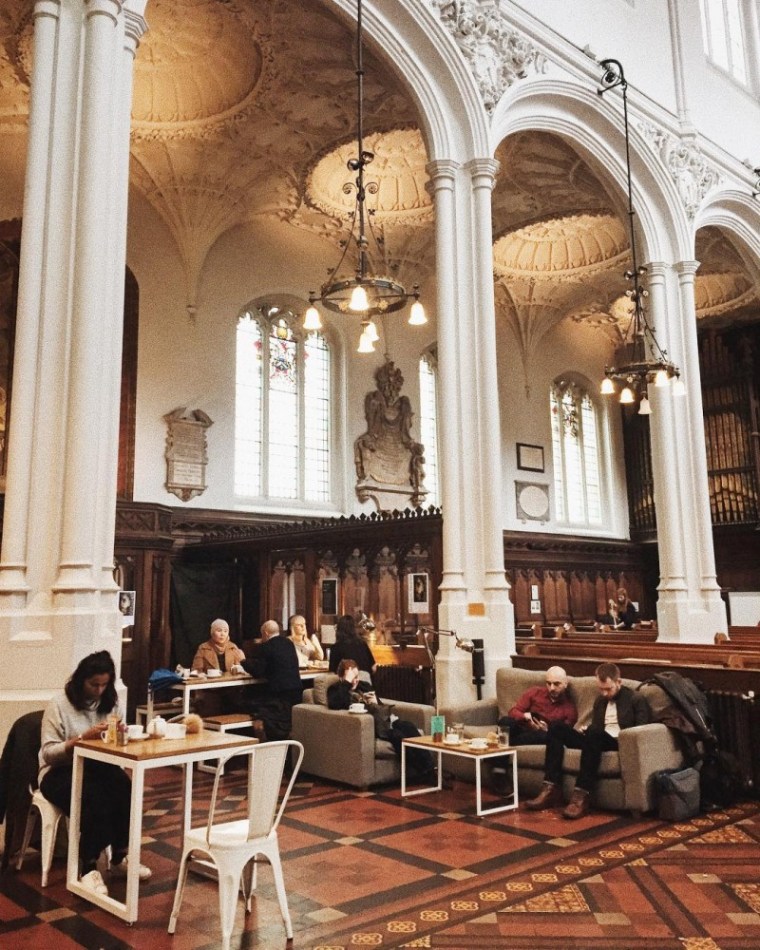
Inside this beautiful, historical church you’ll find what many believe to be sacred: seriously fantastic coffee.

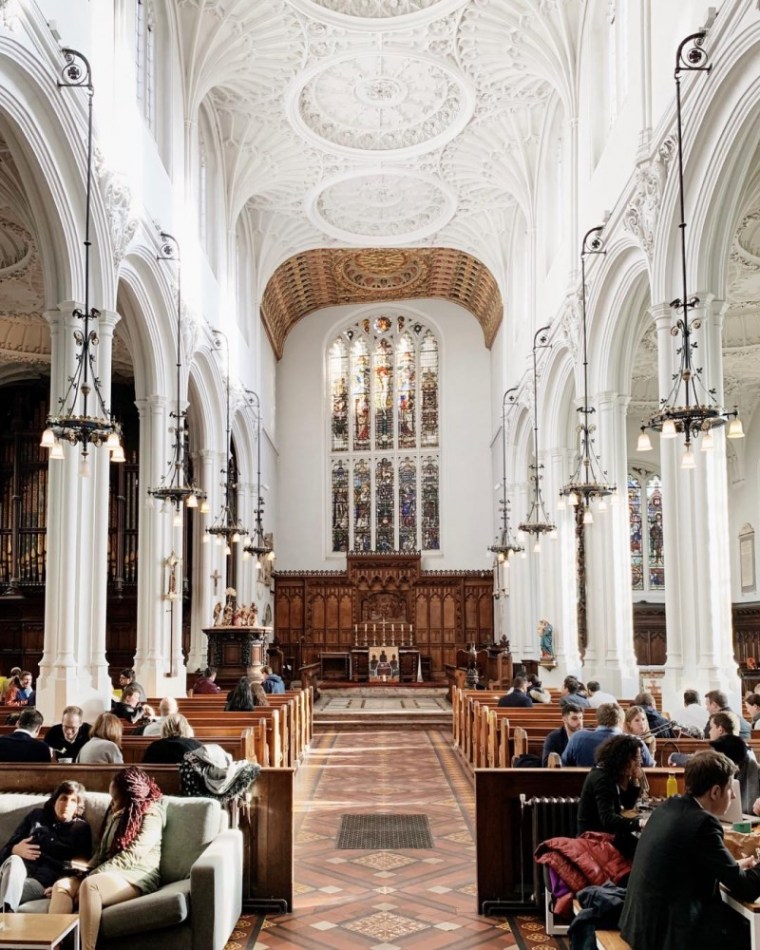
Saint Mary Aldermary is one of the oldest churches in the city dedicated to the Virgin Mary. It suffered quite badly in the Great Fire of London in 1668 and was rebuilt in the late 17th Century by Sir Christopher Wren — the architectural mastermind behind St Paul’s Cathedral and the Royal Naval College. Unlike Wren’s many other city churches, Saint Mary Aldermary was built in a distinctive Gothic style.

147160_1000

Nowadays, the Guild Church is run by a new monastic community within the Church of England, and they’re all about promoting love, hospitality and inclusiveness. But it’s not just a place for quiet reflection within the big city — it also serves an excellent cup of joe at the gorgeous Host Café.

147238_1000.jpg

The Host Café’s coffee is provided by local roasters, Mission Coffee Works; the cakes and breads come from The Artisan Bakery; the pastries come from Little Bread Pedlar based in Bermondsey; and the teas are from Londoners, We Are Tea. There’s also organic soup and sourdough toast available if you’re after something hot.

147604_1000

You’re also welcome to bring your own lunch if all you’re after is a change of scenery – and the WiFi is free to use, too.

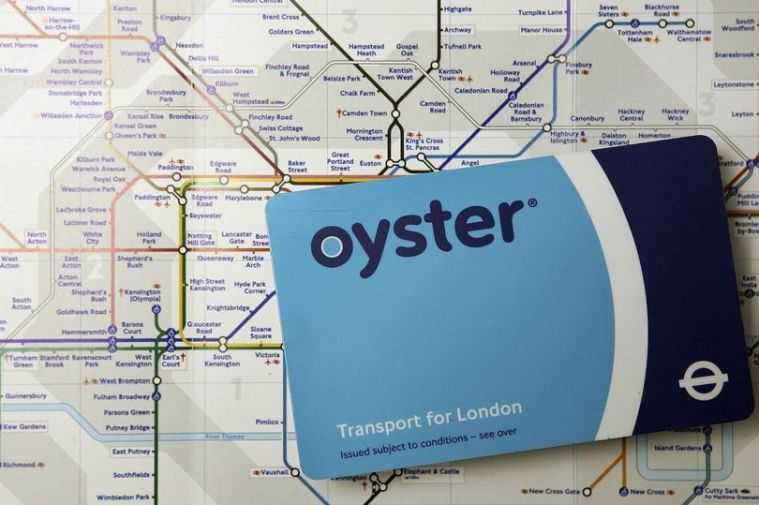
Why the London Underground travel card is called an Oyster card

image1

The Oyster card — it’s a piece of London so embedded in our culture, we usually just take it for granted.

Despite most of us using one every day (or at least an equivalent contactless card) we probably don’t think about it too much unless we need to top it up to get on the Tube.

We use our Oyster cards to get around London’s public transport network, whether that’s on the London Underground, the Overground, on the DLR or trams, on London buses, or if you’re super fancy perhaps you use the river services.

It quietly drains your bank account as you spend every day travelling around the capital, but you could never be without it either.

It is an iconic London mainstay, but have you ever stopped to wonder why it’s called an Oyster card?

Introduced in 2003 after being thought up a few years before, a lot of research was carried out around the potential name for the card.

Two other names were considered — Pulse and Gem — but it was Oyster which made the cut.

Apparently it was chosen as a fresh approach that was not directly linked to transport, ticketing or London.

Andrew McCrum, who was brought in to find a name by Saatchi and Saatchi Design, said of the name: «Oyster was conceived … because of the metaphorical implications of security and value in the hard bivalve shell and the concealed pearl.

«Its associations with London through Thames Estuary oyster beds and the major relevance of the popular idiom ‘the world is your oyster’ were also significant factors in its selection.»

As the Oyster card was originally a contract between a company called TranSys and Transport for London, the brand originally belonged to TranSys.

But when the partnership with TranSys was terminated in 2010, TfL acquired the rights to the brand at a cost of £1 million (phew).

So there you have it — London is your oyster, everyone.

LONDON 101: WHERE TO GO IF YOU NEED HELP IN LONDON

image1

Travel can be adventurous and wonderful, but it also carries its own dangers anywhere in the world—even in London.  In case the worst should ever happen, it’s good to be prepared and know where you can find help.  Such help can come in many forms from London’s own Emergency Services to the US Embassy.  Whether you’ve had your wallet stolen or you need medical attention, we’ve got a few helpful tips and places to go if you need help for any reason while traveling in London.  Feel free to offer your own advice for travelers in the comments.

PREVENTION

Arguably, the best way not to need help is to take every caution beforehand to decrease the risk.  The first thing to do when traveling is making sure that someone knows where you’re going to be, what your itinerary is, and has contact information for you.  This should include not only your cell phone number or email but also the address and phone number of where you’re staying.  The Metropolitan Police also recommends planning your routes in advance, having a fully-charged mobile phone with you, and carrying some spare cash in case cards are stolen.

As a tourist destination, London certainly has its share of pickpockets.  Security firms, such as Churchill Security Ltd. observes that most pickpockets keep to highly trafficked areas and modes of transportation.  Places where Londoners and tourists alike are likely to have their wallets snatched include the Tube, the City of Westminster, and stations including King’s Cross St. Pancras, Oxford Circus, Victoria, Liverpool Street, and Stratford see the most thefts.  As the Met suggests, in these places, you want to make sure that you stay vigilant and maybe even carry a little extra cash somewhere else on your person in case you find yourself a victim.

EMERGENCY SERVICES

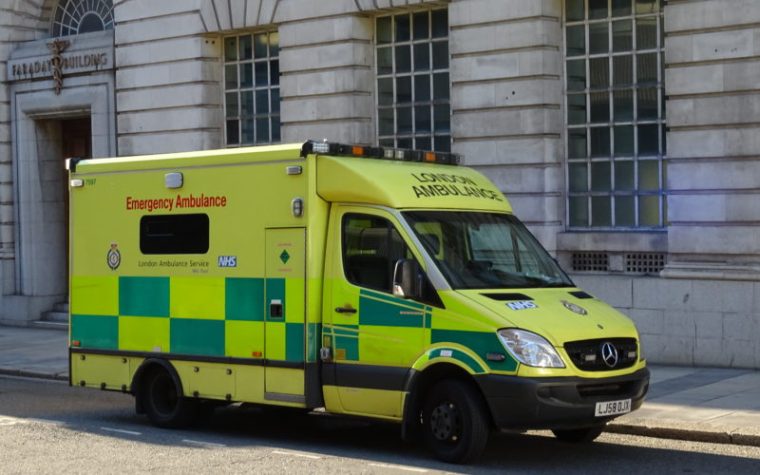
If you do find yourself a victim of a crime or in need of medical attention, it’s good to know who to call.  Regardless of whatever it is you need, if it’s an emergency, the main number to remember isn’t 911.  Despite what you may have picked up from watching The IT Crowd, the real emergency services number is—999.  This will put you in touch with a call center, much like in the US, that will then direct the appropriate service to you, whether it’s police, ambulance, or fire brigade.  Another useful number to remember is 112.  This will also connect you to the emergency services call center, but a notable feature is that this number will work anywhere in the world and immediately put you in touch with the local emergency services.  Lastly, if your situation is not an emergency, but you still need to reach the police, the number to call is 101.

Another thing to consider is that while the National Health Service is free for UK residents, the same cannot be said for tourists—except in emergency situations.  If you require emergency medical care, that may be covered, but it’s not guaranteed.  If you’ve got a bad case of food poisoning from that new fusion restaurant you just had to try, there are plenty of Urgent Care Walk-in Clinics run by HCA and NHS in the city.  In either event, be sure to have travelers insurance with you in case your care is not covered.  Visit London suggests that travelers insurance is a good idea even if your visit would normally be treatable by NHS, as it offers flexibility over where and how you’re treated and may cover care that the NHS does not.  The Department of Health website can provide even more information.

THE EMBASSY

For our last bit of advice in this brief, the US Embassy is available in London to help all American citizens.  If you have been here before, you should note that the embassy did move this year to its new home at 33 Nine Elms Lane.  The Embassy provides a number of services to citizens such as legal and medical services as well as helping you contact family members, acquiring a new passport, or explain how to transfer funds.  If you’re not sure how to access any of the help you may need, the Embassy has trained professionals that can help you navigate the criminal justice system and healthcare organizations in London.  God forbid a family member should be kidnapped; the Embassy can also work with local agencies to ensure their safe return.  The Embassy also provides other, non-emergency services as well, so be sure to look into those and see if you need their assistance for notary, citizenship, voting, or other matters while you’re away.

Of course, these pieces of advice are only a small number of the resources available to travelers.  Feel free to consult their websites for more information or ask your travel guide.  Remember that in any safety situation, the only stupid question is the one that goes unasked.

FANCY A PINT? TEN OF LONDON’S MOST BEAUTIFUL PUBS

When it comes to a good pub, the ale is the thing you’re looking for most, then the food, and then the atmosphere.  Of course, the appearance of any pub is an important part of the experience, and whether you’re looking for your new local or visiting from out of town, you want to be in a place that meets your expectations.  Plenty of London’s pubs are beautiful places inside and out with plants, wood, and even stained glass helping to make them truly memorable places to have a drink.  We’ve identified ten of the best-looking pubs in the city below, and you can let us know your favorites in the comments.

THE DOVE, HAMMERSMITH

image1

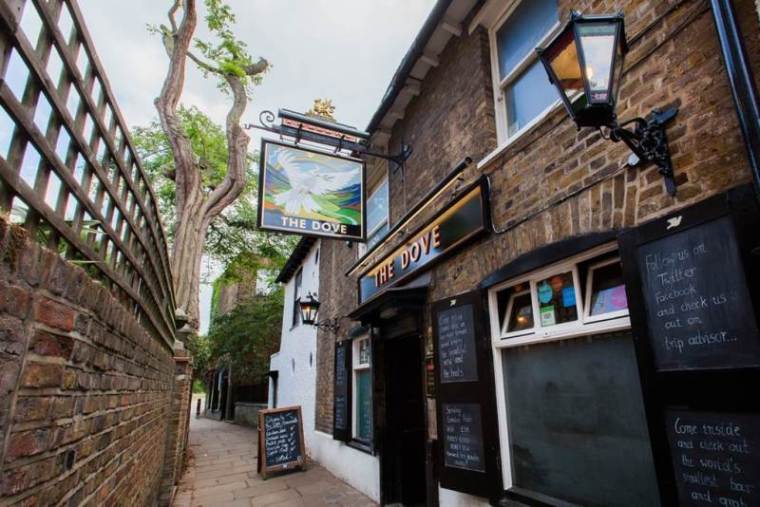
Starting with one of London’s most historic pubs, The Dove in Hammersmith is a Grade II listed pub that dates from the 18th Century.  The outside is rather unassuming, but with a quaint charm, and the inside is everything you would expect a pub to be.  It has wood floors, old pictures adorning all the walls, brick fireplaces, and the bar itself is a black wooden affair that screens tradition.

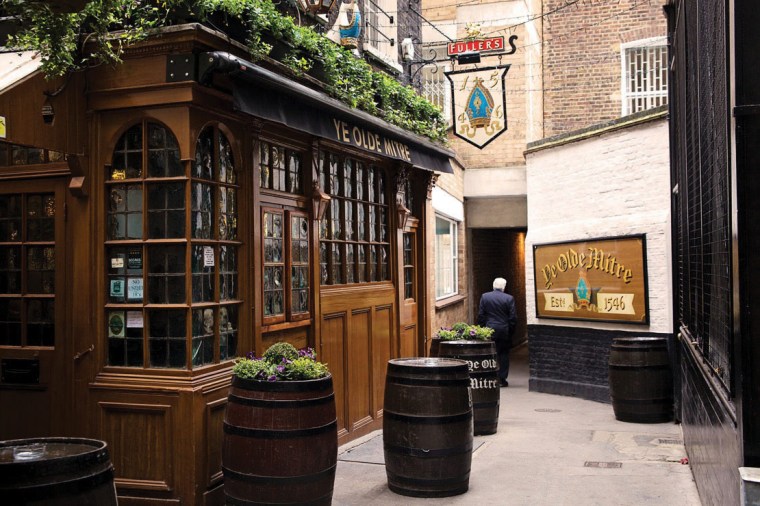
YE OLD MITRE

image2

From one Grade II listed pub to another, Ye Olde Mitre is also one of the oldest pubs in the city with the original pub on this site serving ale since 1546.  The exterior is certainly one of the charms, especially when you go down the alleyway to find its wood and glass exterior greeting you like a diamond in London’s ruff.  The interior is cozy and features wood panel walls, charmingly garish carpeting, and plenty of wooden chairs and benches that give it a classy feel.

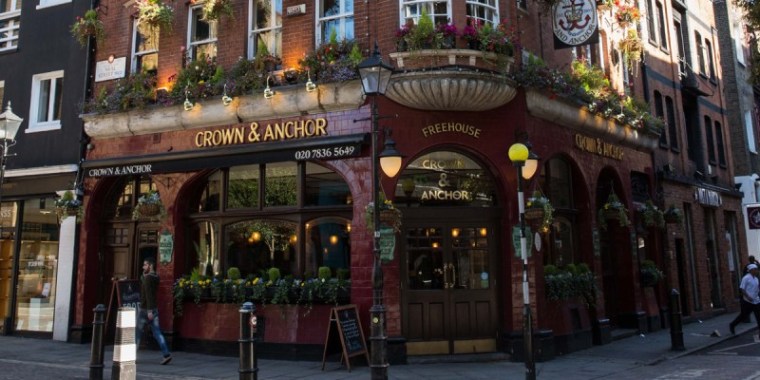
CROWN & ANCHOR

image3

The Crown & Anchor is in a beautiful three-story building in Covent Garden with the first floor as a traditional pub and the second featuring a bar and restaurant.  Plants hang outside the windows on every level and the large windows not only look splendid, but they really let the light in to highlight the wooden columns and the green-painted walls.

MR. FOGG’S TAVERN

image4

Form something wonderfully eclectic; you can visit Mr. Fogg’s Tavern in Covent Garden is one of many drinking establishments in the city patterned after the protagonist of Around the World in 80 Days.  The pub’s story is that Phileas Fogg’s aunt left this traditional Victorian pub to her housekeeper who covered the insides with memorabilia in keeping with the surrounding theaters.  This gives it a much different look to other pubs since it has a literary theme

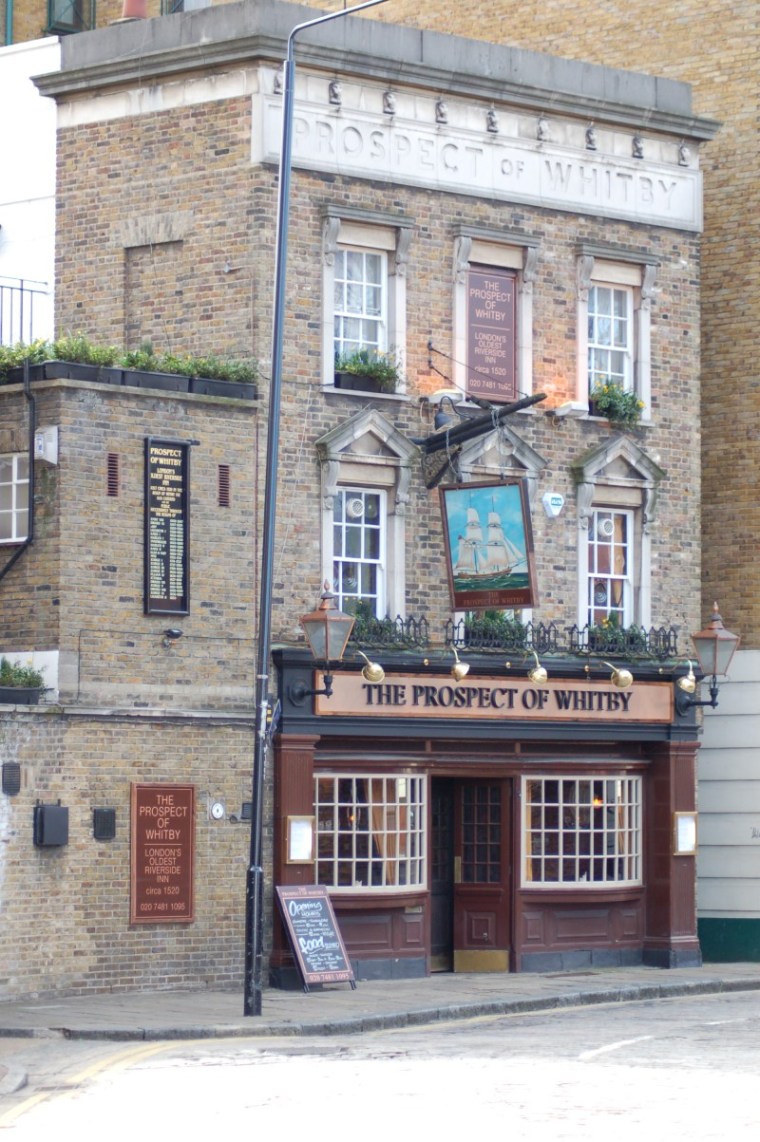
PROSPECT OF WHITBY

image5

Sitting on the banks of the Thames, the Prospect of Whitby has a particularly interesting history in that it was once home to plenty ruffians and thugs.  It has since cleaned up its image and has a clean appearance to go with it.  The pub has one of the most impressive wooden bars in the city that vaguely resembles a ship’s hull and stretches the length of the ground floor.  The pub’s many areas give rooms that will suit any taste from the classy dining room to the secret garden.

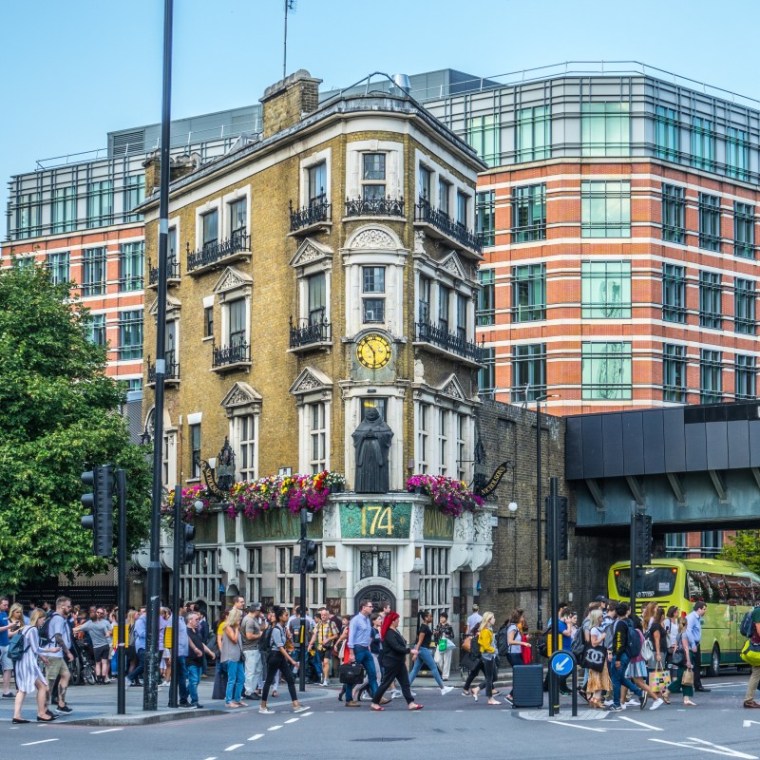
THE BLACK FRIAR

image6

Certainly one of the most visually stunning interiors on this list, The Black Friar can be found appropriately enough in Blackfriars and is Grade II listed.  Since it was built on top of a former medieval Dominican friary, the interior (remodeled in 1905) abounds with religious imagery from depicting the friars who once lived on this site to archways that resemble those in a church.  It even features paintings that resemble illuminated manuscripts and a stained-glass window.

THE GEORGE INN

OLYMPUS DIGITAL CAMERA

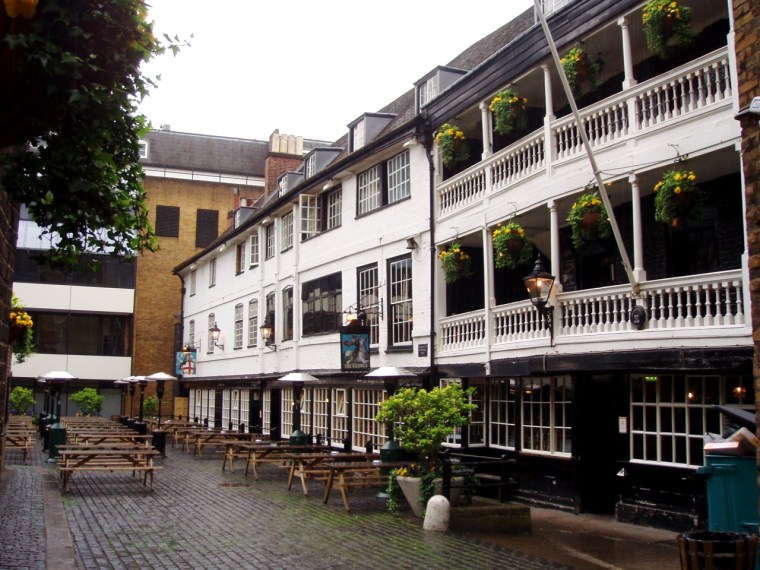
The George Inn is the only surviving galleried inn in London that dates back to at least the 16thCentury when the first map of Southwark was drawn.  Owned by the National Trust, the galleries are not only a defining feature of the pub, but they’re absolutely gorgeous.  The interior is similarly attractive, but you may want to stay outside at one of the picnic tables and admire the building itself.

THE SPANIARDS INN

image8

The Spaniards Inn may be one of the most literary pubs in London, getting references in both The Pickwick Papers and Dracula.  Outside, the white-painted brick contrasts beautifully with the black shutters, doors, and window trim.  Inside, you’ll find largely bare-bones wood walls and floors that one can imagine was the same as when Keats wrote Ode to a Nightingale in the gardens and Bram Stoker overheard a ghost story that he turned into his classic horror tales.

JERUSALEM TAVERN

image9

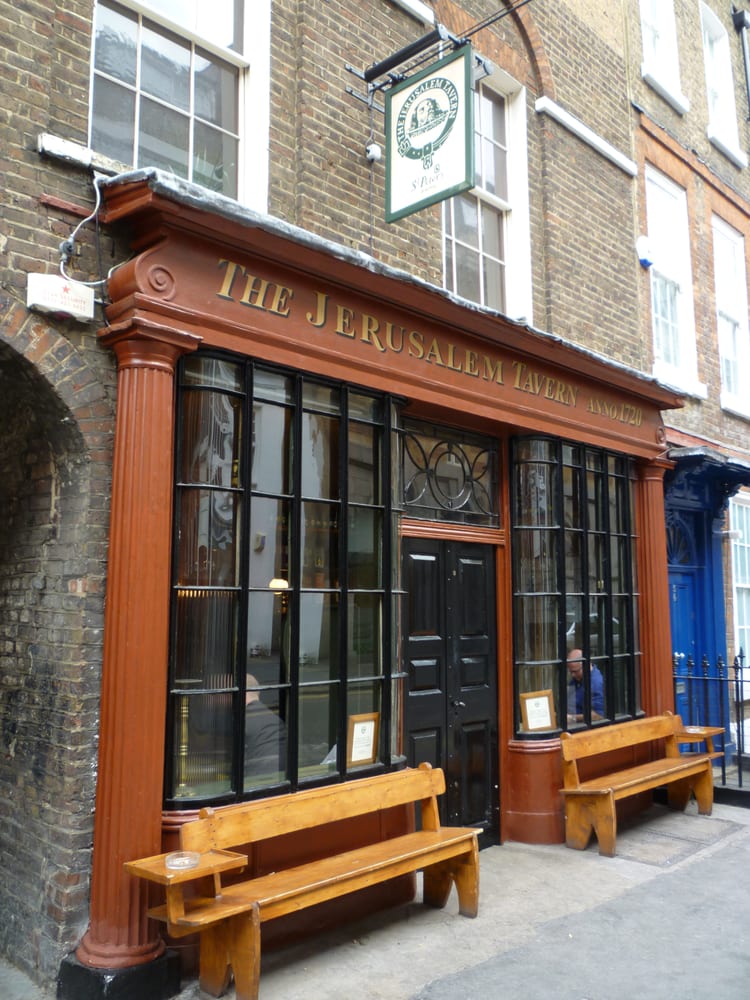
Inside and out, the Jerusalem Tavern has a simple, classic look to it, full of wood and painted green walls.  This mixes well with stone and old tile designs and belies the nature of the ales you’ll find inside.  In addition to the usual ales and lagers, Jerusalem also serves several different fruit ales from St. Peter’s Brewery.

CHURCHILL ARMS

image10

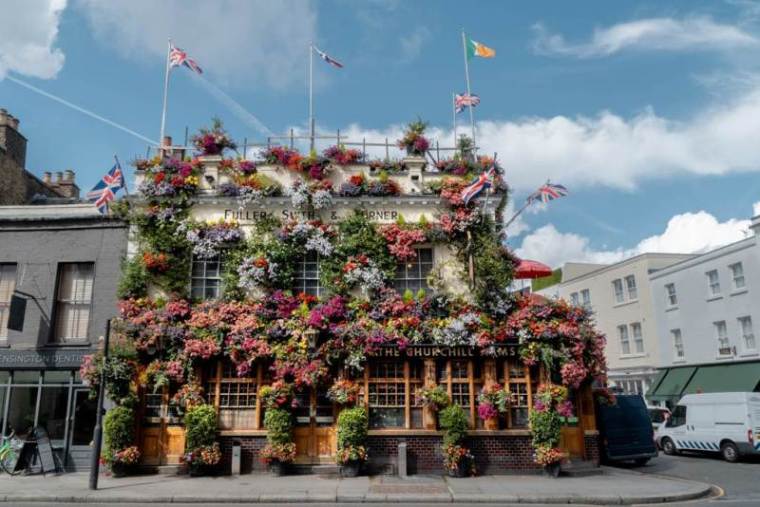
Last but certainly not least on this list is the Churchill Arms, which is unquestionably the best-looking pub in all of London.  The exterior is absolutely adorned with plants that change appropriately with the seasons and sometimes let you have a look at the wood, brick, and windows underneath.  Like Mr. Fogg’s, the interior is festooned with all manner of odds and ends that makes it an absolutely wonderful place for a pint.

10 of the Best Books About Queen Elizabeth II

image1

After a two-year hiatus, The Crown is finally about to make its return for season three on Netflix, with Olivia Colman taking over royal duties from Claire Foy. Peter Morgan’s chronicle of the reign of Queen Elizabeth II is packed with insights and emotional details that offer viewers an addictive glimpse at the human reality behind the crown—but some fans may want to delve even deeper. Fortunately, there’s a wealth of books out there to quench that thirst for royal knowledge, from exhaustive biographies, to illustrated coffee table books, to dishy accounts from former palace staffers. Here are 10 of the best books you can read about the queen.

image1_1

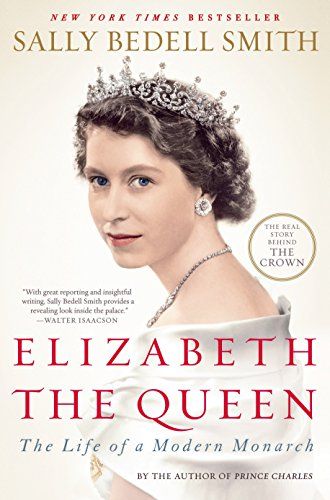
ELIZABETH THE QUEEN: THE LIFE OF A MODERN MONARCH

Sally Bedell Smith

Sally Bedell Smith has written biographies of towering figures on both sides of the pond, including Princess Diana, John and Jacqueline Kennedy, Bill and Hillary Clinton, and most recently Prince Charles. Her take on the queen was praised as “an excellent, all-embracing new biography” by the New York Times.

image2

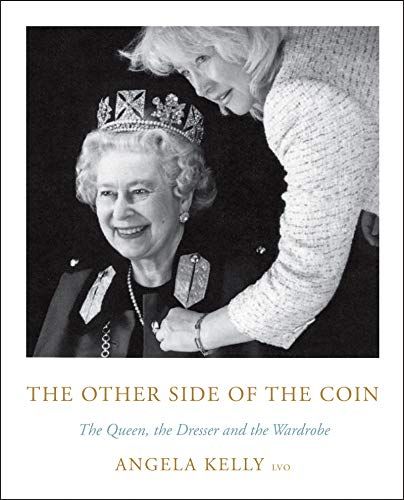
THE OTHER SIDE OF THE COIN: THE QUEEN, THE DRESSER AND THE WARDROBE

Angela Kelly

To be fascinated by the Queen is to be fascinated by her wardrobe, and The Other Side of the Coin is a must-read for anyone wanting the inside scoop on those impeccably coordinated suits. Angela Kelley is the Queen’s personal dresser, and was given permission to share this exclusive glimpse into the royal costuming process, complete with never-before-seen images.

image3

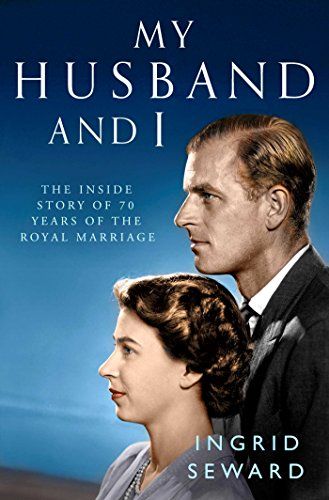
MY HUSBAND AND I: THE INSIDE STORY OF THE ROYAL MARRIAGE

Ingrid Seward

If you were gripped by season two of The Crown’s deep dive into Elizabeth and Philip’s once-troubled marriage, you’ll want to prioritize this one. Seward delves into the couple’s 70-year long marriage with a lightness of touch, detailing their courtship and ups and downs as well as their formidable bond.

image4

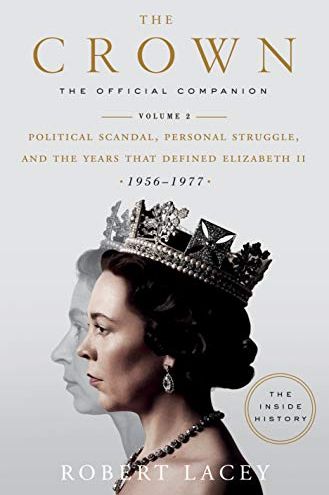
THE CROWN, THE OFFICIAL COMPANION

Robert Lacey

If while watching The Crown, you’re simultaneously fact-checking each episode, this is the book for you. Written by the show’s historical consultant, Robert Lacey, it offers an in-depth look at the true story behind the drama.

image5

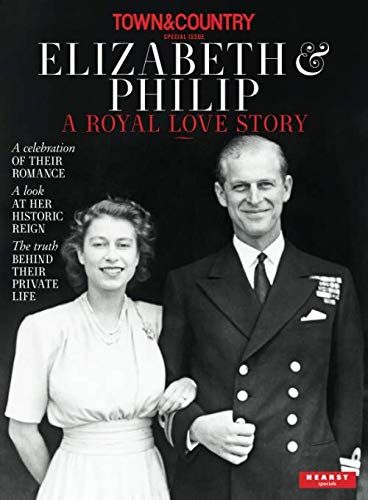
ELIZABETH AND PHILIP: A ROYAL LOVE STORY

Similar to Seward’s text, this special edition of Town & Country centers on the Queen and Prince Philip’s romance, and features the true story of their courtship and 70+ year marriage alongside rarely seen photosof the royal couple.

image6

OUR RAINBOW QUEEN: A TRIBUTE TO QUEEN ELIZABETH II AND HER COLORFUL WARDROBE

Sali Hughes

This beautiful coffee table book by Welsh journalist Sali Hughes offers a photographic voyage through nine decades of the Queen’s wardrobe, and more importantly her color schemes.

image7

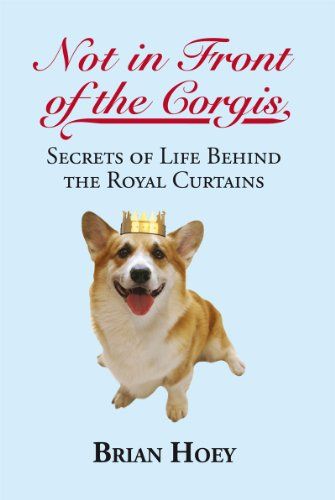
NOT IN FRONT OF THE CORGIS: SECRETS OF LIFE BEHIND THE ROYAL CURTAINS

Brian Hoey

Admit it, this one had you at the title. Though this book isn’t exclusively about Queen Elizabeth’s famous collection of corgis (disappointing), it’s still a fun, deliberately lightweight collection of trivia and tidbits about royal life.

image8

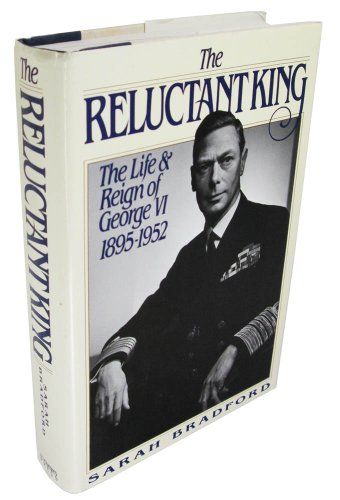
THE RELUCTANT KING: THE LIFE AND REIGN OF GEORGE VI, 1895-1952

Sarah Bradford

In order to fully understand Queen Elizabeth, and the turbulent circumstances of her ascension to the throne, you need to understand her father, King George VI. Now most famous as the subject of 2010’s The King’s Speech, George was forced to become King after his brother abdicated the throne, a saga which Sarah Bradford chronicles in fascinating detail.

image9

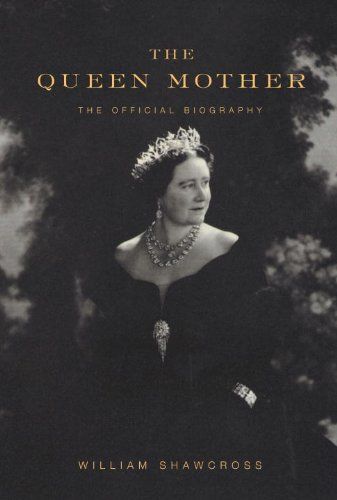
THE QUEEN MOTHER: THE OFFICIAL BIOGRAPHY

As important as King George VI is to Queen Elizabeth’s story, the Queen Mother played a far more central role in her daughter’s reign, having lived to see its first five decades. William Shawcross’s official biography, published seven years after the Queen Mother’s death in 2002, is a weighty tome packed with details and insight into her daily life.

image10

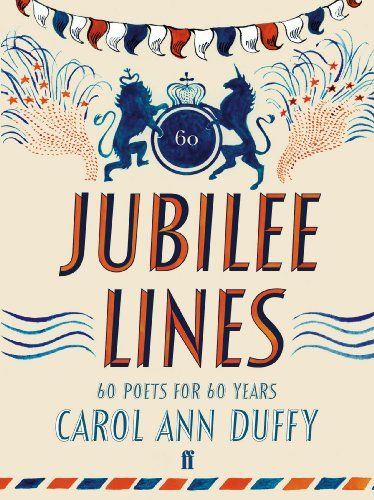
JUBILEE LINES: 60 POETS FOR 60 YEARS

Carol Ann Duffy

Though not technically a book about Queen Elizabeth at all, Jubilee Lines is nevertheless an evocative portrait of her reign. In this collection, published in 2012 for the Queen’s Diamond Jubilee, 60 poets are each assigned one of the 60 Jubilee years, and write a poem related in some way to the events or reality of that year.

8 of the most photogenic places to eat and sleep in London right now

image1

If you happen to find yourself in London sometime soon and are eager to cut a chic path through the city or just want to leave a trail of postcard-worthy Instagrams in your wake, then commit these photogenic hotels and eateries to memory. From millennial pink pancakes to quiet conservatories that prove to be a veritable garden of delights, here are the best places to eat and be seen in London right now.


image2

Mare St Market
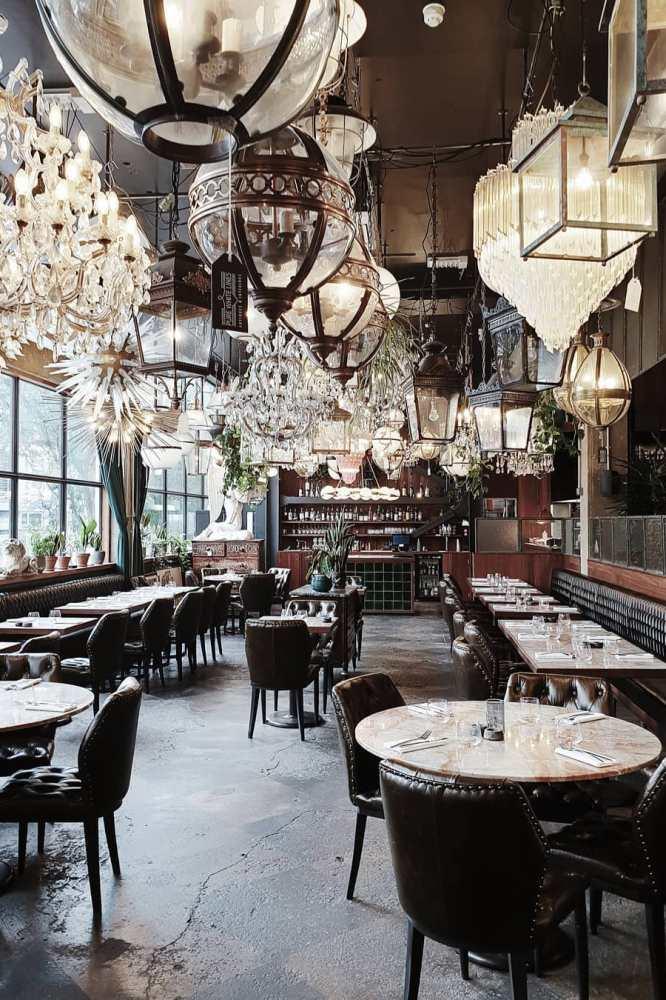
If the gelato, flowers and pizza don’t inspire you, the chandelier room just might. As the name suggests, dozens of chandeliers hang from the roof, catching the light and making this dining spot one of London’s most Instagrammable. Scattered among the tables are antiques of all kinds, all available (as are the lighting fixtures) for purchase, belonging to Pure White Lines Shoreditch. If you like a side of history with your slice of pizza — or banana split — this spot is worth a visit.


image3

Rumours
If you’re still tickled by millennial pink, then Rumours in Mayfair should be at the top of your list for good fare and positively on point interiors. While the food is exceptional, crab-filled donuts with mango and wasabi powder sit alongside poke and vegan Pavlova, it’s the interiors that draw in the crowd. Pink accents, an Instagram-worthy flower wall and painfully chic bathroom are just some of the interior moments worth capturing while you’re there. The eatery opens for brunch and stays open late.


image4

The Pilgrm London
For the weary traveller, The Pilgrm hotel offers comfortable and modern surrounds thanks to its pared back aesthetic and neat rooms. Available in a range of sizes (including a practical bunkbed offering), the rooms have been finished with historic touches in the period lighting and 200-year-old parquet flooring – they’re nothing but a fresh and calm breathe of air nestled in the heart of Paddington. Likewise, the hotel’s lounge and terrace (open to the public) are plush spots to enjoy granola or a bacon butty while watching London pass by.


image5

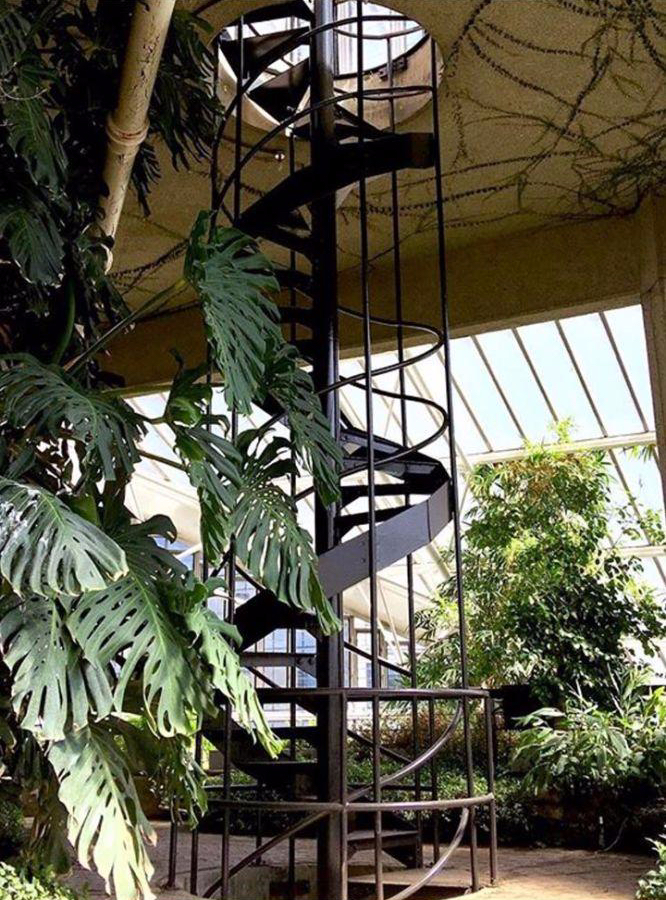
Barbican Conservatory
Home to some 2,000 species of plants and trees, the Barbican Conservatory is a delightful way to spend an afternoon, especially if lazing beside koi ponds in the heart of London is your thing. Only open to the public on selected Saturdays of each month, be sure to check availabilities before you go but do stay for the afternoon tea or cocktail hour among the cool house orchids.
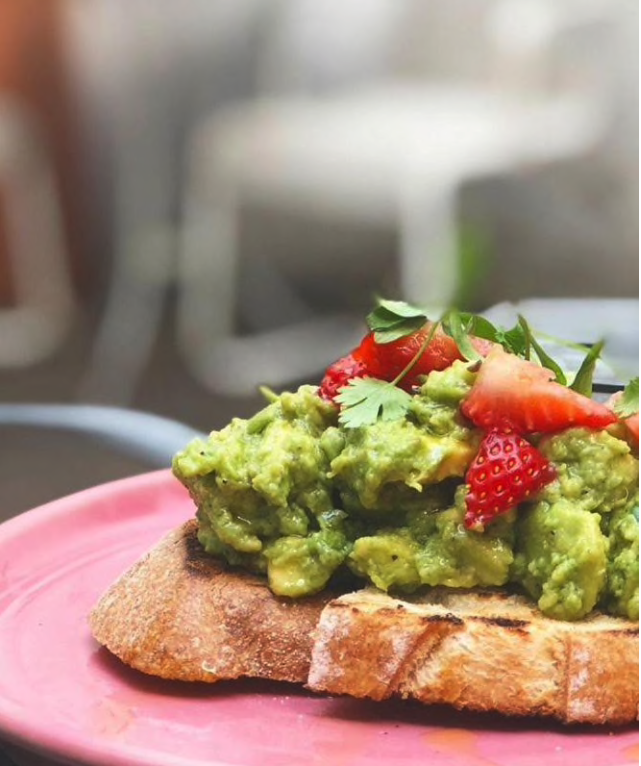
 

image6

Artist Residence Hotel
You’ll find the Artist Residence Hotels spread across England, with locations in Brighton, Oxfordshire, Penzance and London. Initial budget constraints led the owners to call on artists to decorate the first location in Brighton in exchange for board. Now dripping in art, each location is a tribute to creativity and no two rooms are alike. The perfect place to seek out an Instagram or two.


Снимок экрана 2020-03-01 в 15.20.35

Farm Girl
This Australian-owned chain offers up brunch (yes, avocado toast — but also pancakes and rose or lavender lattes) all day in its four locations in Knightsbridge, Chelsea, Soho and Notting Hill. While all the venues deserve a visit, your best bet for content can be found at the Knightsbridge and Chelsea cafes, each with a decidedly pastel colour palette that will flatter all feeds.


image8

The Culpeper
Book a table or a room at this pub-hotel and enjoy the rooftop garden that hosts sunset yoga, as well as terrarium how-to classes and astronomy sessions. The rooftop wine menu offers up the best British drops while the restaurant and pub both serve up traditional English fare, including a must-try Sunday roast. The rooms themselves present the perfect place to crash or snap.

TOP 10 LONDON: TOP TEN THINGS TO DO IN BARKING & DAGENHAM

image1

The London Borough of Barking and Dagenham, like other modern London boroughs, was born out of the London Government Act of 1963.  It was formed from the Municipal Boroughs of Barking and a large part of the Municipal Borough of Dagenham.  Following World War I and World War II, the borough became increasingly residential as housing projects exploded for returning soldiers.  As such, the attractions tend to gear themselves more to suburban life and aren’t the most exciting.  However, there’s still a lot to do in Barking and Dagenham, and we’ve outlined our ten favorite places to visit.

BECONTREE ESTATE

The first planned housing development in the borough, the London County Council developed Becontree specifically to provide returning World War I soldiers with homes.  Becontree represents 24,000 of the Council’s 145,000 planned homes and are a model of similar housing schemes throughout the United Kingdom.

SPOTTED DOG PUB

The Spotted Dog is one of the oldest pubs in the borough, and this Victorian structure is a great place to stop for a pint and some traditional British food.  The pub was built in 1870 and next year will celebrate its 150th year.  Legend has it that tunnels in the basement once led to Dagenham Docks (before they were blocked up) that were used by smugglers.  It’s also believed that the pub could be haunted.

DAGENHAM & REDBRIDGE FC

Also known as the Dag & Red, Dagenham & Redbridge FC is the borough’s local squad.  The club formed in 1992 from Dagenham and Redbridge Forest and calls The Chigwell Construction Stadium in Victoria Road home.  While the team may not have the biggest following, it’s still worth checking out to have a real London football experience.

WELLGATE COMMUNITY FARM

Different from the city farms that have been covered in other articles, Wellgate Community Farm exists to give people a chance to “grow, make a positive contribution and promote social cohesion.”  Activities available include volunteering, farming programs for youngsters, knitting groups, and allotments for people who want to grow their own veggies.  The farm also puts on events throughout the year, so be sure to check out their calendar.

VALENCE HOUSE MUSEUM

The Valence House Museum is the last surviving of five manor houses in Dagenham.  In addition to exhibits about the house itself, the museum also features a number of displays discussing the history of Barking and Dagenham.  The house also features a café, shop, herb garden, and a moat and is open from 10 am to 4 pm Tuesday through Saturday.

THE BROADWAY THEATER

Once the Barking Assembly Hall and part of the Barking Town Hall, The Broadway is managed by Barking & Dagenham College to promote the arts in the Borough.  As such, it sees a number of productions throughout the year including comedy shows, stage productions, and concerts.  In fact, Neil Young recorded parts of his best-selling album Harvest when it was still Barking Assembly Hall.  Be sure to check out the schedule to see what’s on and support the local arts.

CENTRAL PARK

Central Park is one of the biggest public parks in the borough at 51 hectares.  Such a large space has a number of excellent features including Roman ruins and ancient crop circles.  There’s also plenty of sporting and games from tennis courts and football pitches to miniature golf and a basketball court.  It’s also absolutely gorgeous and worth a grand stroll to check out the flora and fauna.

BARKING ABBEY RUINS

Barking Abbey was once a royal monastery that was established as early as the 7th Century, and the Abbess was usually chosen by the Crown.  Unfortunately, the abbey that once existed here was another victim of King Henry VIII’s Dissolution of the Monasteries and the only buildings that survived were St. Margaret’s Church and the three gates, including the Curfew Tower, a Grade II listed structure.

EASTBURY MANOR HOUSE

One of the grandest estates in Barking, Eastbury Manor House is owned by the National Trust and operated by the borough council.  The home was completed in the 1570s and was built on land that was once part of Barking Abbey.  The inside of Eastbury Manor House acts largely as a Tudor museum and has a number of exhibits dedicated to its history, including being one of the locations where conspirators planned the Gunpowder Plot.

THE CHASE NATURE RESERVE

The Chase Nature Reserve is managed by the London Borough of Barking & Dagenham and is so large it actually extends over into the Borough of Havering.  The reserve is also Site of Metropolitan Importance of Nature Conservation and as such is full of wood, ponds, marsh, grassland, and other natural habitats featuring an abundance of wildlife with over 200 different species of birds and iconic British species including badgers, great crested newts, and water voles.