10 Extraordinary Places That You Won’t Believe Are In London

London is full of surprises, but nothing will shock you quite as much as the fact that these places are actually within the boundaries of the M25.

Our city isn’t all concrete and chaos. Believe it or not, we also have castles, caves and calm. Here are ten places that, rather astonishingly, are actually in London:

1. Kyoto Garden, Kensington
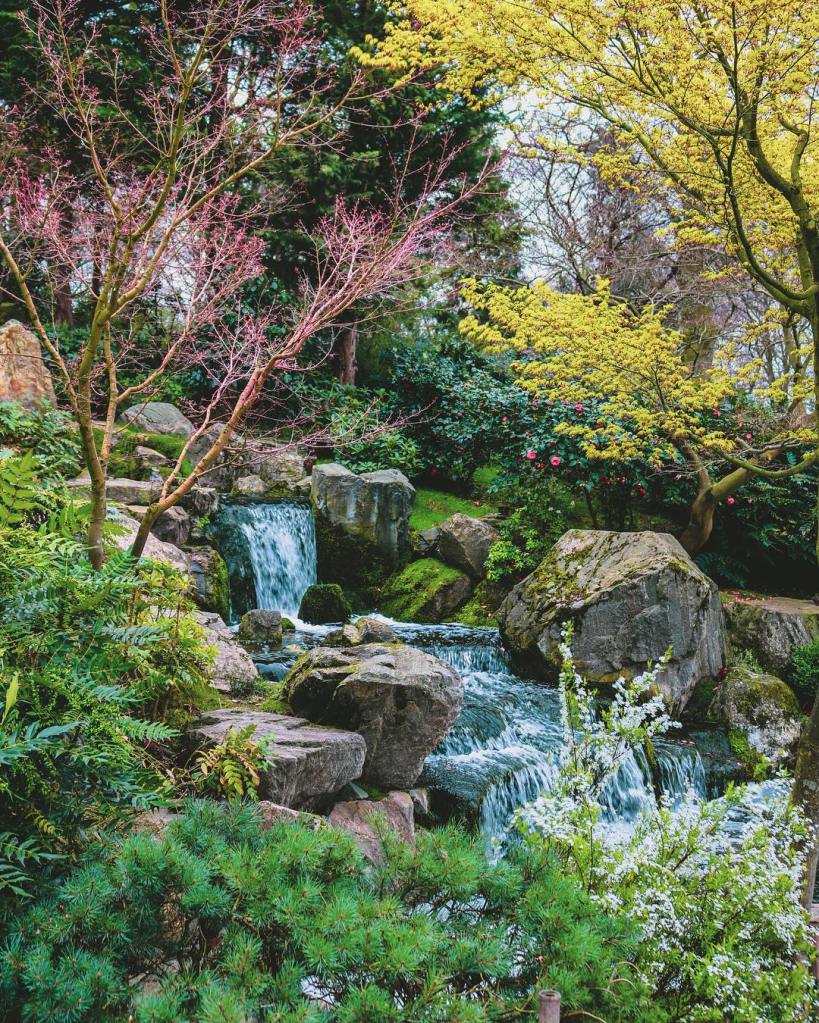
The beautiful Kyoto Garden is an oasis of calm in the heart of Kensington’s Holland Park. Originally built to celebrate the 1992 Japan Festival in London, this garden is a thing of pure beauty. Who needs a plane ticket to Japan when this is so damn convincing? You’ll get so lost in the pretty trees and Japanese features that you’ll forget you’re just a stone’s throw away from High Street Kensington.

2. BAPS Shri Swaminarayan Mandir, Neasden
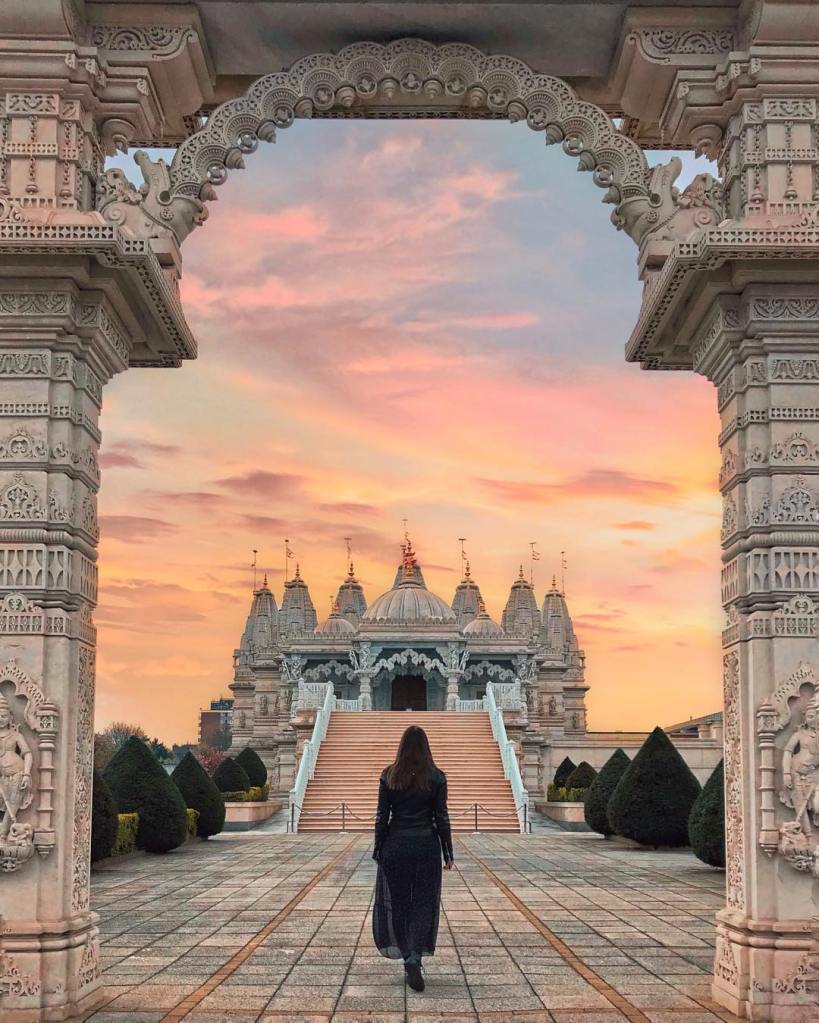
Sure, most people wouldn’t put Neasden on their London bucket list — but that’s where they’d be wrong. This north-west neighbourhood is actually home to one of the most breathtaking buildings in the city. Shri Swaminarayan Mandir is a beautiful, traditional Hindu temple carved entirely out of stone. For a time, when it was first completed in the mid-90s, it was the largest Hindu temple outside of India.

3. Eel Pie Island, Twickenham
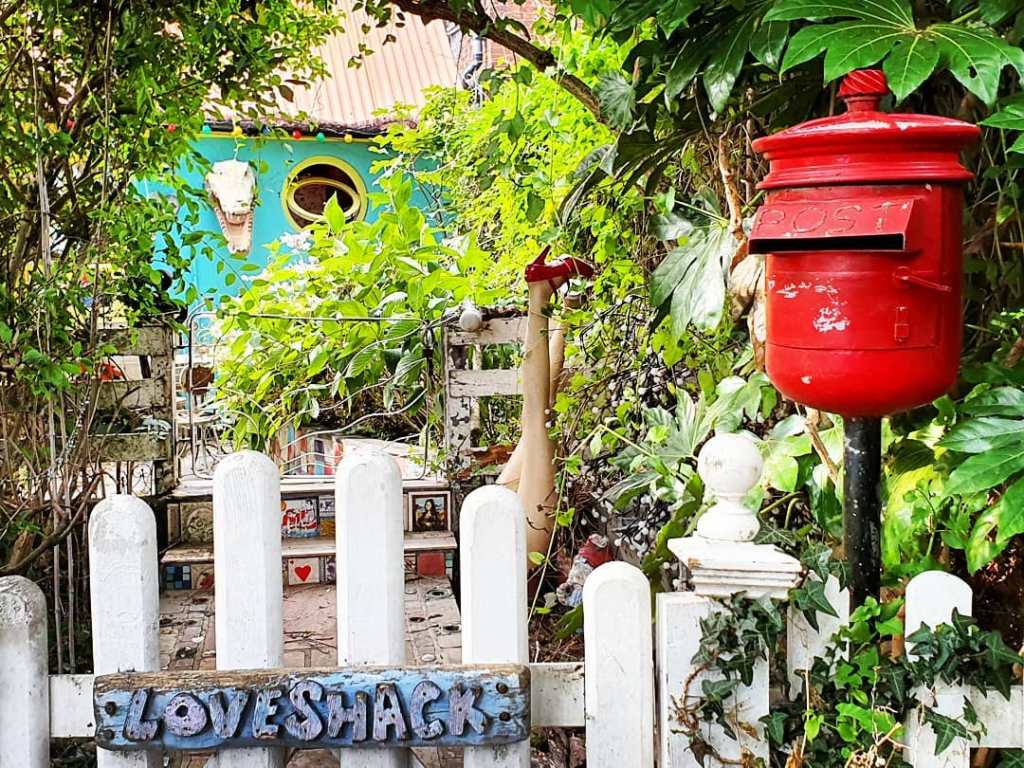
Eel Pie Island is a private island accessible only via footbridge, and it has many stories to tell. It was once a hub for jazz, blues and rock ‘n’ roll and many famous artists played within the ballroom at the legendary Eel Pie Island Hotel, including Pink Floyd, Eric Clapton and The Who. In 1963, there was a period where you could come and see The Rolling Stones play at the Eel Pie Island Hotel every week.

4. Painshill Park, Cobham
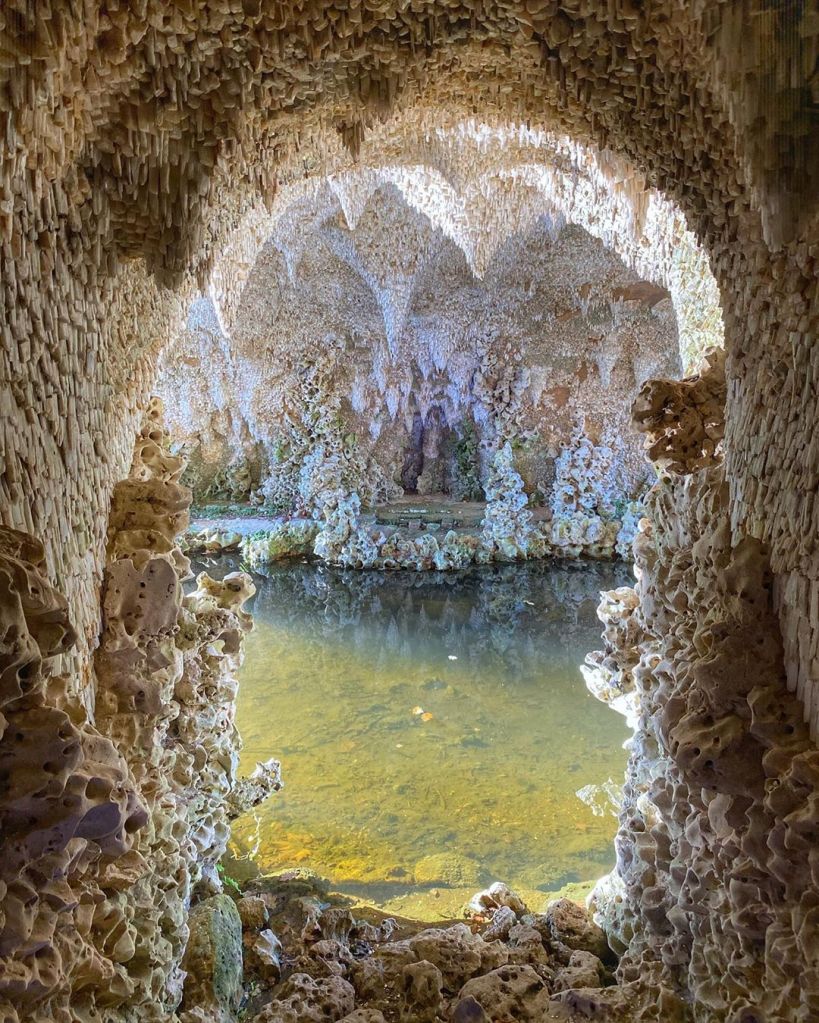
Painshill Park is a gorgeous, landscaped garden that dates back to the 1730s. It was in fact the life’s work of Charles Hamilton; a well-to-do member of the Irish aristocracy. Inspired by his travels around Europe, Hamilton filled his garden with eccentric follies, Renaissance architecture and a beautiful grotto that you’d never guess was so close to the city. The grounds are well worth a visit, but note that the Crystal Grotto is only open at weekends.

5. Highgate Cemetery, Highgate
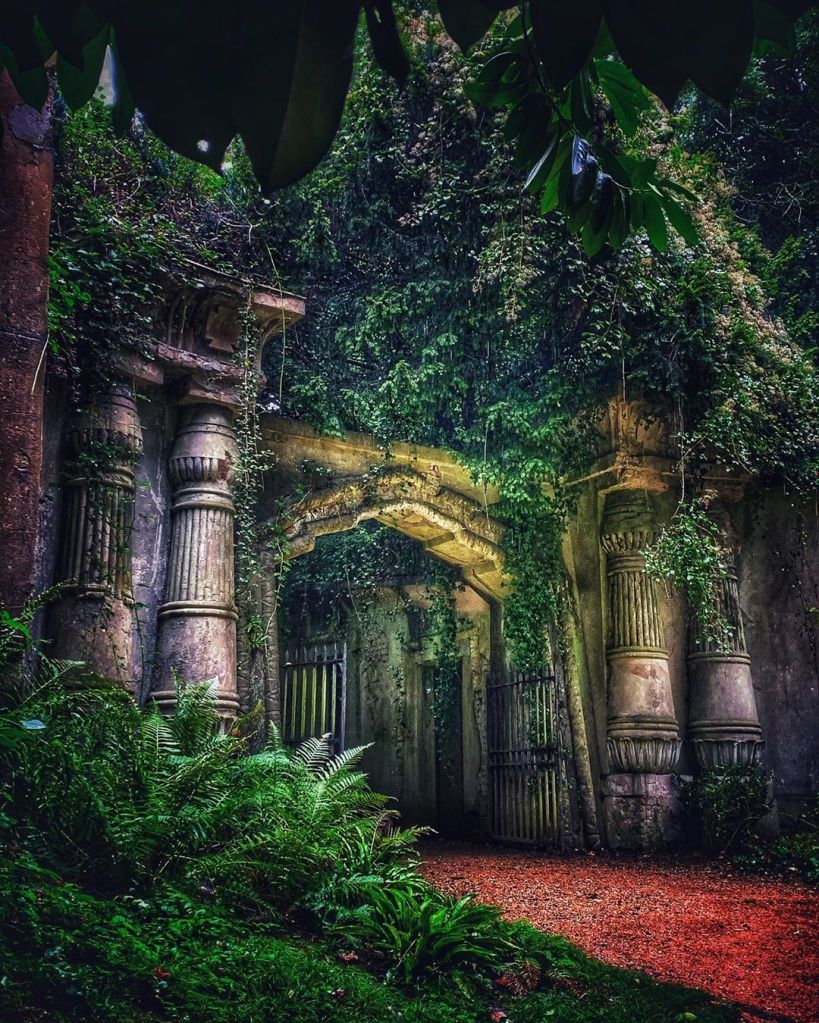
Highgate Cemetery is the resting place of 170,000 people, and that number is continuously growing. But the graveyard, somewhat surprisingly, is full of some impressive sights! In the West Cemetery, Victorian fascination with the Egyptians resulted in the stunning Egyptian Avenue, as well as numerous impressive tombs. Meanwhile, the equally impressive Lebanon Circle has appeared in many a ‘gram over the years. Less beautiful, but a lot more spooky, are the subterranean Terrace Catacombs; enter if you dare.

6. St Dunstan-in-the-East, the City of London
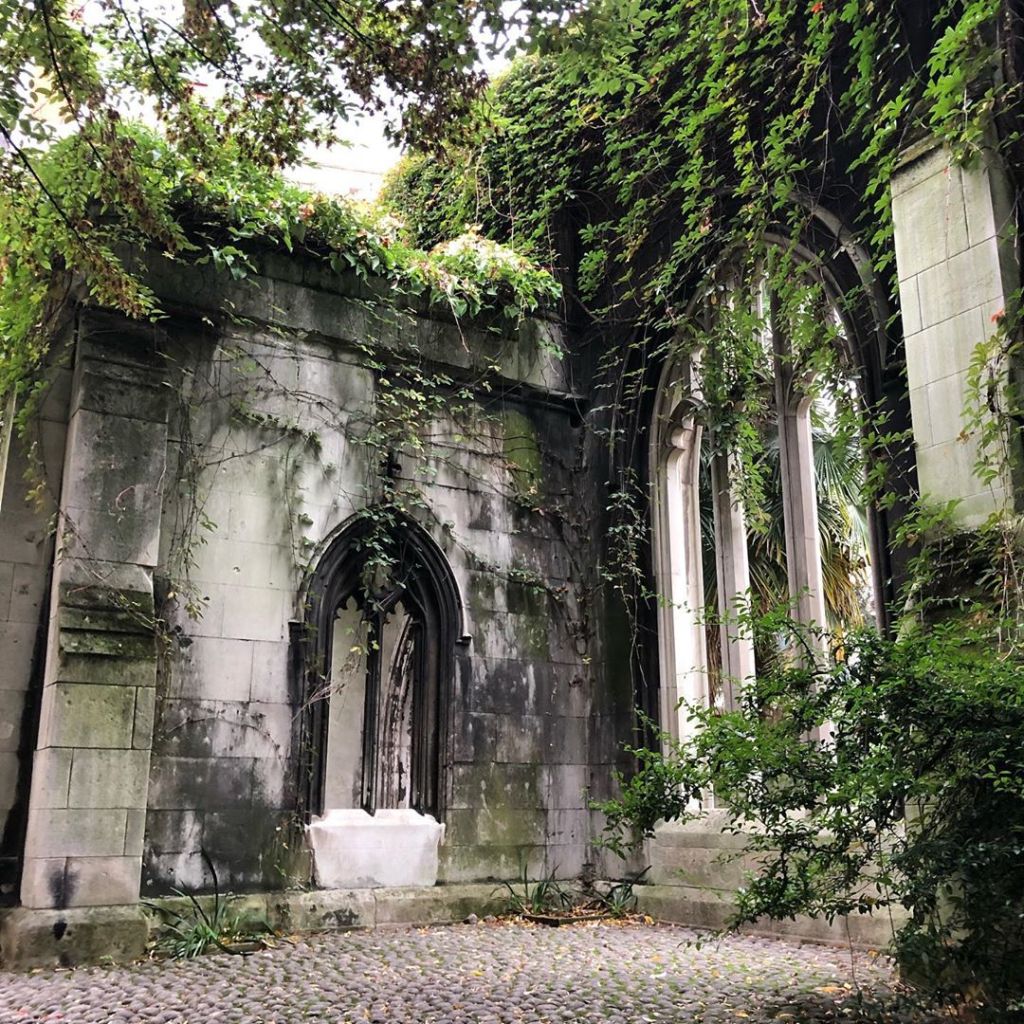
First built nearly a thousand years ago, St-Dunstan-in-the-East is now a lovely, secret garden situated amongst the ruins of the former Church of St Dunstan. The church is a Grade I listed building that was severely damaged in the Blitz of 1941 but, instead of being rebuilt, the remains are now open to the public.

7. Hampstead Heath Pergola & Hill Gardens, Hampstead

Hampstead Pergola is the outcome of a very rich man’s dream to host extravagant summer parties. That man is Lord Leverhulme, who made his fortune selling soap. However, after his death, the Pergola suffered. And, when the City of London took it under their wing in 1989, the place was nearly falling apart. They’re still in the process of resurrecting it, but it remains a beautiful spot for a wander.

8. Strawberry Hill House & Garden, Twickenham
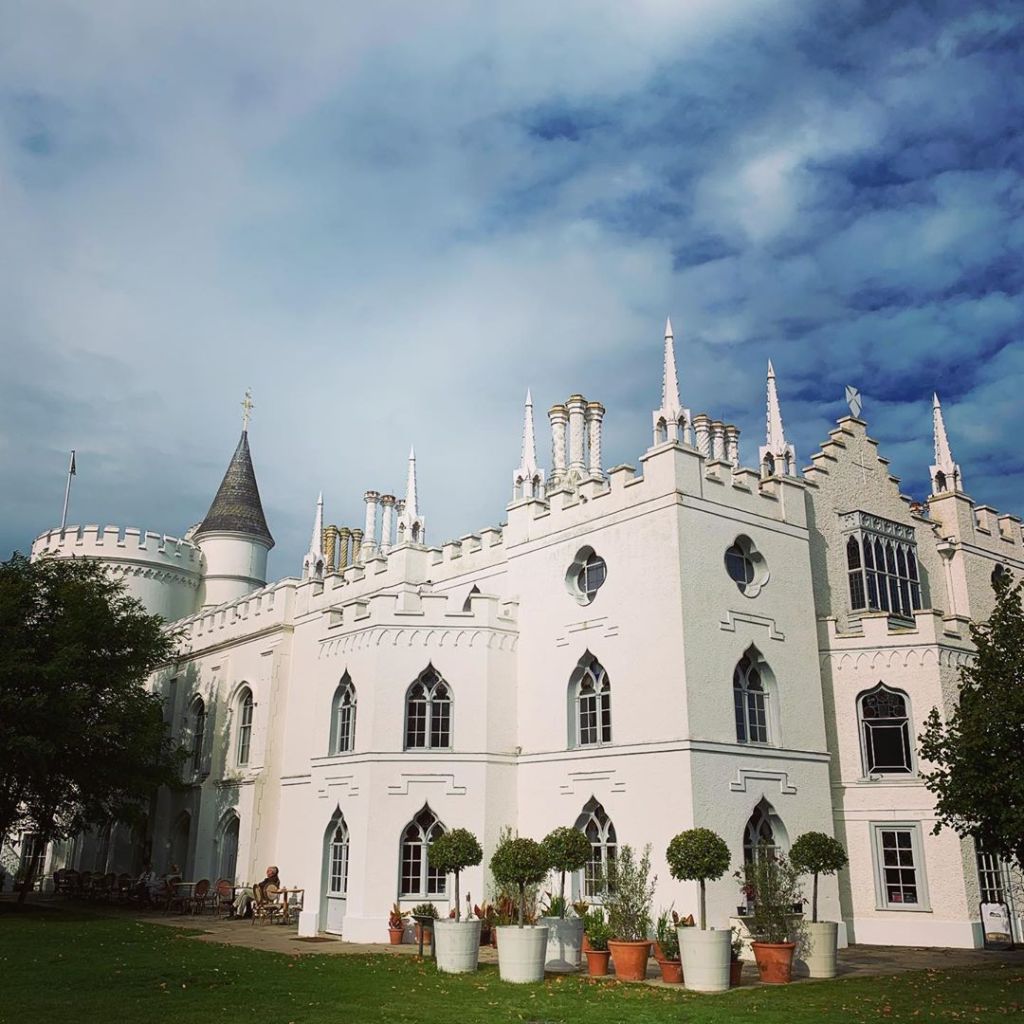
I told you we had castles! (Don’t be fooled by ‘House’). This majestic building dates back to 1747 when Horace Walpole decided to purchase the empty Thames-side land and build his very own fairytale castle. As you would if you could, Walpole created a Gothic masterpiece, complete with battlements, towers and all.

9. Leighton House Museum, Kensington
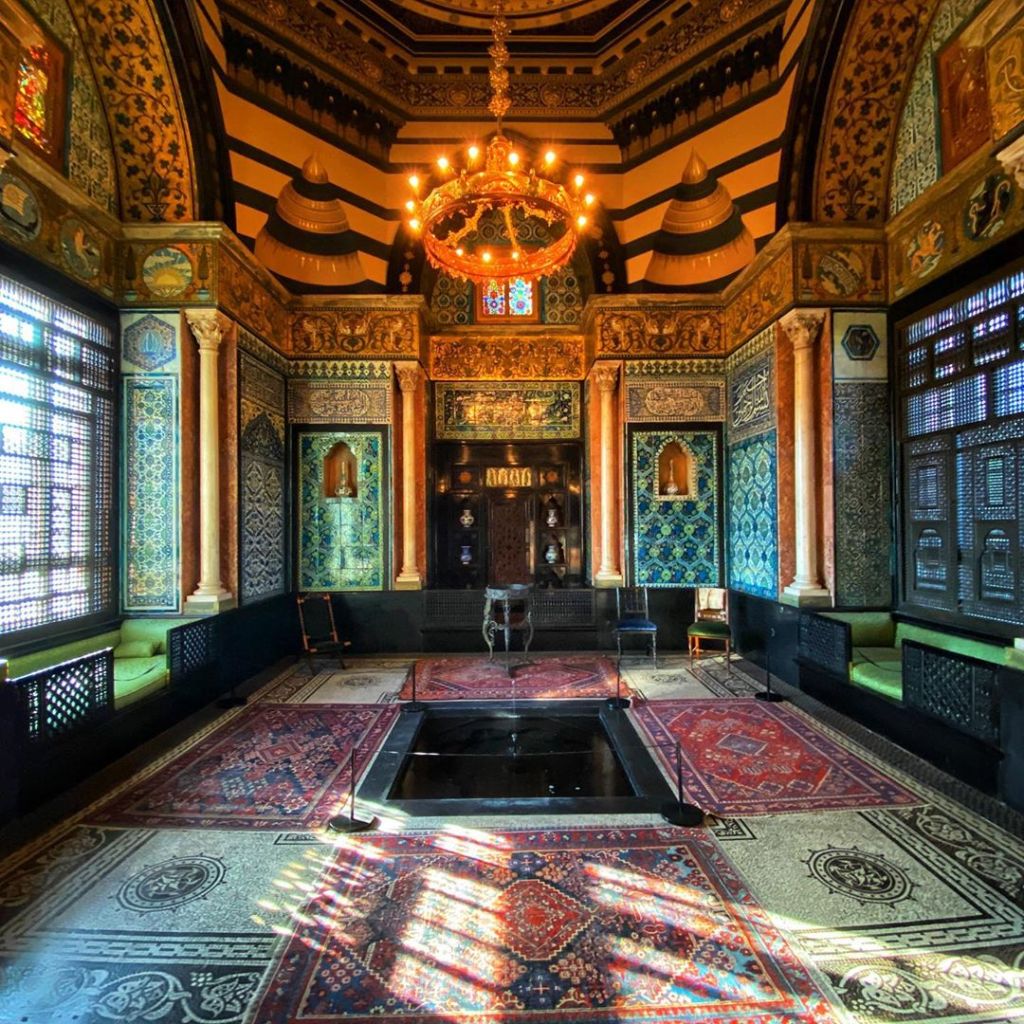
Deep in the heart of Kensington, you’ll find the incredible Leighton House Museum. From the outside, you would never suspect that it’s actually a magnificent palace filled with breathtaking art. Lo and behold, the museum is crammed with brilliant paintings, sculptures and beautifully tiled rooms.

10. Crossness Pumping Station, Abbey Wood
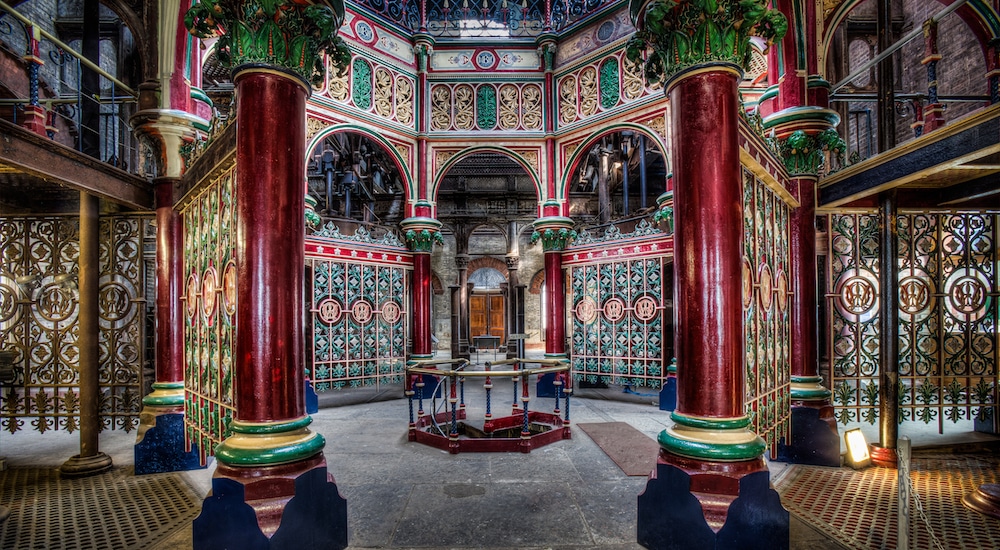
Okay, I’m going to be honest here: this is a Victorian sewage system. But it’s not all sh*t. Known as the ‘Cathedral of Sewage’, Crossness Pumping Station first opened after The Great Stink of 1858, and it’s really rather beautiful.
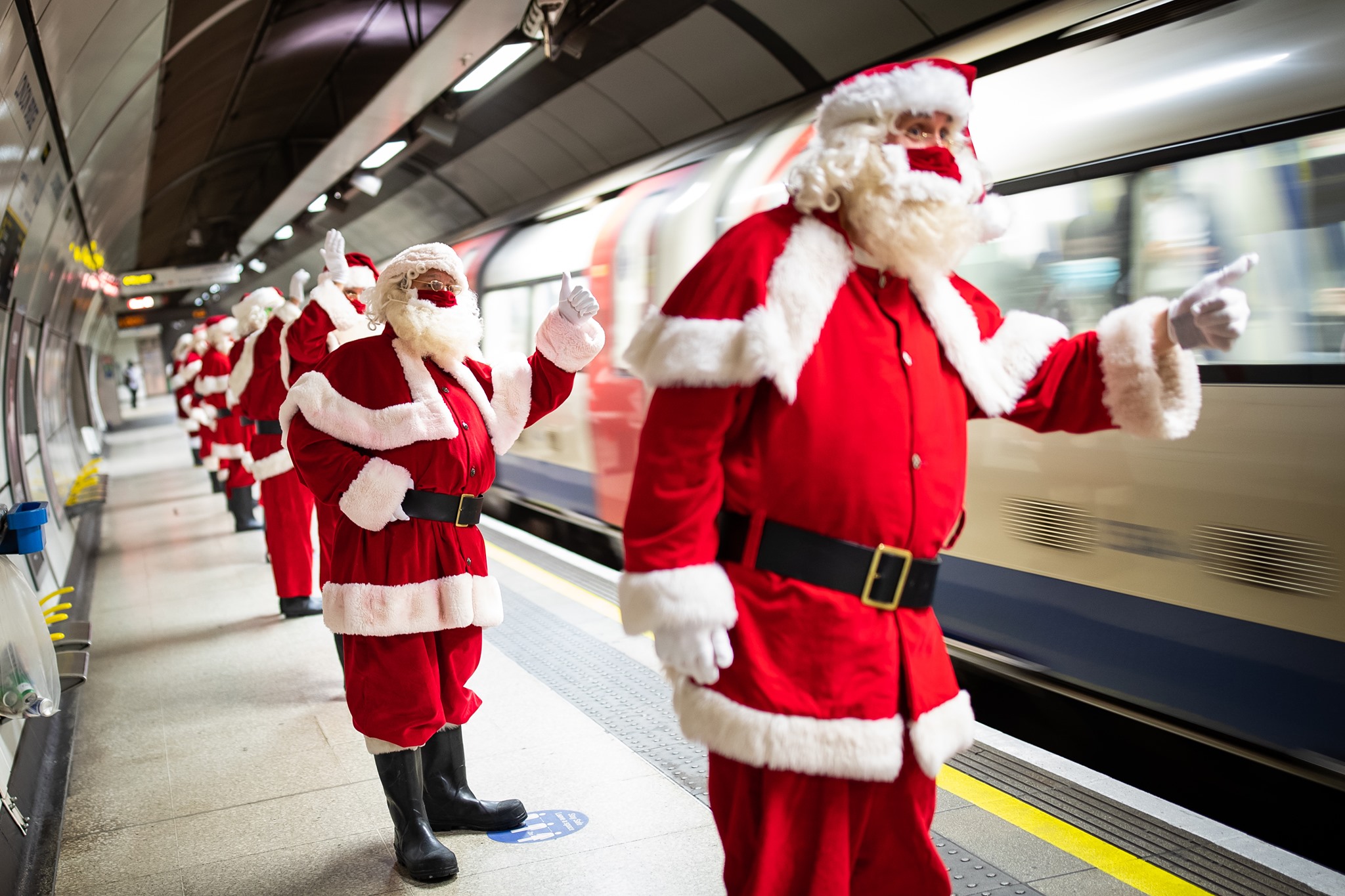
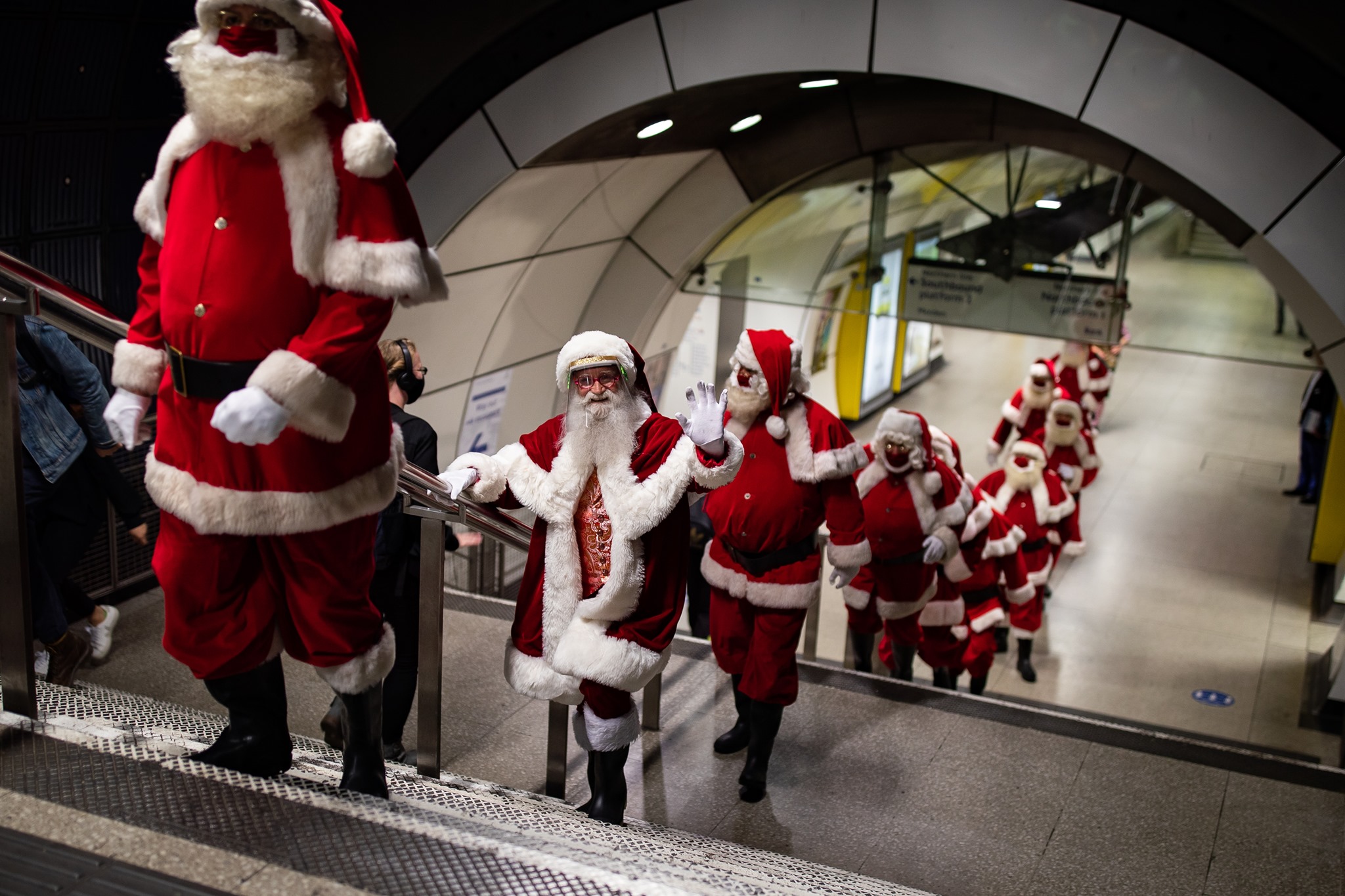
Someone asked about Boxing Day?

156160_800.jpg

On this day 26th December 1874 Boxing Day was officially recognized in Britain as a Bank Holiday. The name originates from the custom of Christmas boxes being given to a lord’s serfs and dates back to the middle ages.

Boxing Day is unique to the British and the British Commonwealth. There are so many reasons for this day, many which relate to the social history around the holidays, but what it is not is anything to do with Boxing the sport. Above all,  it is a time to continue the Christmas festivities, and includes, of course, both food and drink.

Here’s a couple of good articles about Boxing Day:

http://www.pauldenton.co.uk/Boxingday.htm

https://www.thespruce.com/essential-boxing-day-food-and-drink-435113

Where Does The Expression ‘Saved By A Bell’ Come From?

When someone is rescued at the last minute we often say he or she was “saved by the bell”, but where does this expression come from?

Many think the phrase comes from boxing where a downed fighter can, indeed, be saved by the bell, but there are some other interesting theories that attempt to clarify why we use this particular expression.

155731_original.jpg
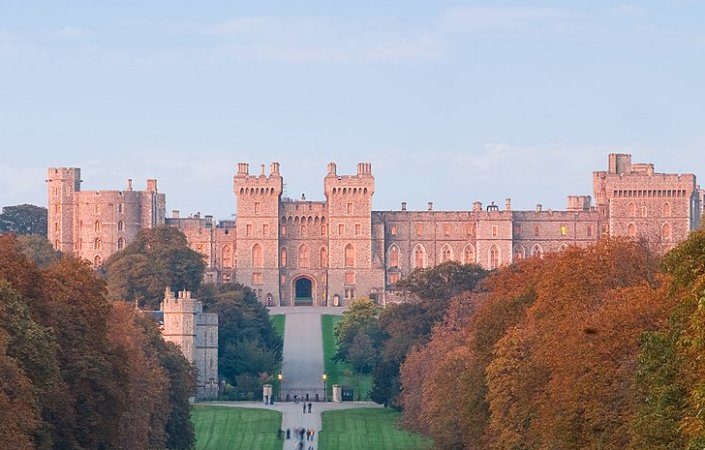
Windsor Castle at sunset as viewed from the Long Walk in Windsor, England

Tracing the origin of an old expression is always a little tricky and there are some possible explanations of how it all started.  One theory is that the “saved by the bell” expression emerged during the 17th century and an incident that took place at the Windsor Castle. Built around 1070 by William the Conqueror, beautiful Windsor Castle changed over time from being a military fortification to a royal residence.

One day, sometime during the 17th century, “a sentry at Windsor Castle was accused of being asleep on duty and was sentenced to death. The sentry denied the charge and offered as proof of his innocence the fact that he had heard the bell in the clock tower of St. Paul’s Cathedral strike thirteen times at midnight.

At first no one believed that the clock’s bell could have been heard from so far away, but then it was discovered that the clock had, in fact, struck thirteen times at midnight on the very night the sentry was supposed to have fallen asleep on duty. The sentry was, of course, released, having been “saved by the bell”.

More Ancient History Facts

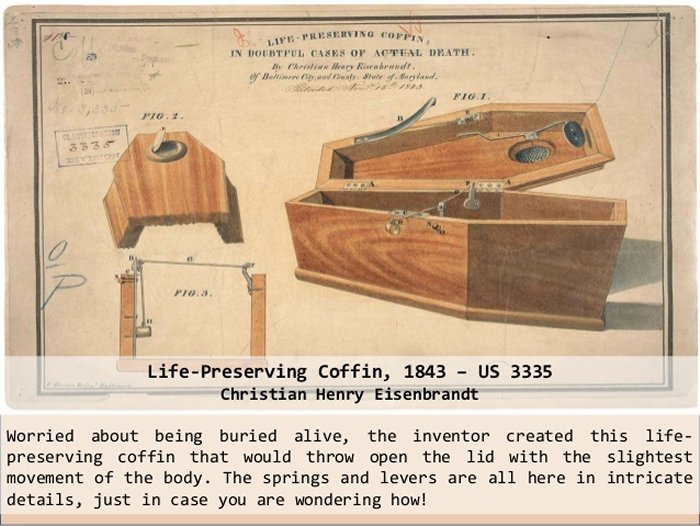
Another theory is that the “saved by the bell” expression originates from those days when people feared being buried alive. Taphophobia is the medical term for the fear of being buried alive as a result of being incorrectly pronounced dead.

During the 18th and 19th-century safety coffins were produced and can add, they are manufactured today.

Many safety coffins were fitted with a mechanism to allow the occupant to signal that he or she has been buried alive.

156153_original

There is no historical evidence anyone has ever saved by these coffins, but one cannot exclude the possibility the “saved by the bell” expression is somehow related to the fear of being buried alive.

In the latter half of the 19th century, the expression turned into a boxing slang that is still used today, when a “boxer who is in danger of losing a bout can be ‘saved’ from defeat by the respite signaled by a bell that marks the end of a round.” 2

In February 1893, “the Massachusetts newspaper The Fitchburg Daily Sentinel wrote: «Martin Flaherty defeated Bobby Burns in 32 rounds by a complete knockout. Half a dozen times Flaherty was saved by the bell in the earlier rounds.»

Today, many think the phrase “saved by the bell” is derived from the sport of boxing, but as we have just seen, there are other theories as well.

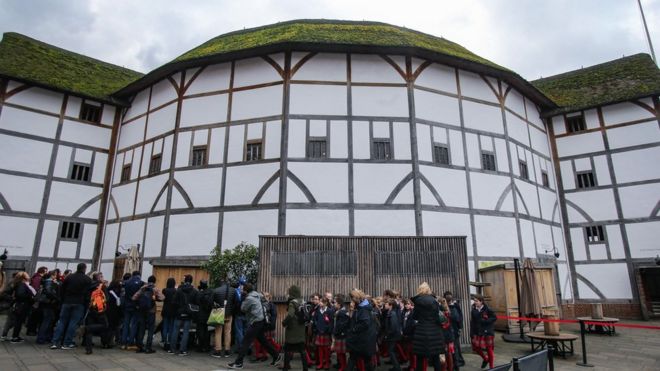
Shakespeare’s Globe theatre calls for urgent funds to avoid insolvency

153596_original.jpg
The Globe Theatre says it «contributes so much to the UK’s cultural life»

Shakespeare’s Globe Theatre has called for urgent funding to avoid going out of business due to the «devastating» impact of the coronavirus pandemic.

The London venue has been shut since 20 March and has warned MPs it is «critically vulnerable and at risk of closure in the wake of Covid-19».

It said it would need at least £5m to get back up and running.

It was ineligible for Arts Council England’s relief and said it had been «left without any emergency support».

In evidence to the Department for Digital, Culture, Media and Sport select committee, the theatre said: «Without emergency funding and the continuation of the coronavirus job retention scheme, we will spend down our reserves and become insolvent.

«This has been financially devastating and could even be terminal.»

Conservative MP Julian Knight, who chairs the committee, said in a letter to Culture Secretary Oliver Dowden that it would be a «tragedy» if the theatre was to close.

«Shakespeare’s Globe is a world-renowned institution and not only part of our national identity, but a leading example of the major contribution the arts make to our economy,» he wrote.

«For this national treasure to succumb to Covid-19 would be a tragedy.»

The Globe does not get annual funding from Arts Council England (ACE), meaning it can’t access ACE’s main £90m emergency relief fund.

It said it was also turned down for a slice of a £50m pot for organisations outside the ACE annual funding regime.

Instead, the Globe raises 95% of its revenue through ticket sales, guided tours, education workshops, retail and catering — which all depend upon the venue being open to the public.

153827_original
Dame Judi Dench is among the renown actors who have performed at the theatre

The theatre has now warned it faces the «biggest threat to its future since opening in 1997».

Shakespeare’s Globe, a replica of an Elizabethan playhouse, has played host to actors including Sir Ian McKellen, Christopher Plummer, Dame Judi Dench, Jude Law, Ralph Fiennes and David Tennant.

«We are a model for the non-subsidised arts sector that is well-run, well-managed and financially resilient, but in the face of a crisis such as this one, there is no mechanism to help us,» it said.

Public benefit

«In a crisis such as this one, ACE has been unable to support an organisation of our size and scale.

«As an organisation that contributes so much to the UK’s cultural life, that delivers public benefit, and that stewards one of the most important, recognised and well-loved buildings in the country, we would hope that we have earned the right to be supported in return through this crisis.»

A spokesperson from ACE said it had received more than 13,500 applications to its emergency funds, «and unfortunately have not been able to help everyone who applied».

They added: «We are working closely with partners, including government, to look at what measures are needed to support cultural organisations over the coming months.»

The Globe made one of a number of submissions to the select committee from individuals and organisations across the UK about the threat posed to the cultural landscape and workforce.

Unprecedented support

The Theatres Trust anticipates the closure of a significant proportion of theatres and a lasting impact on the UK’s position as a world leader in the sector.

Nuffield Southampton Theatres, which employs 80 staff, was formed in 1964 and has already gone into administration.

A government spokesperson said: «We are providing unprecedented support for the cultural sector, including the job retention scheme, a years’ business rates holiday, and the Arts Council’s £160m emergency response package.

«We’re now working closely with the industry to plan for the future and, as soon as it is safe to do so we will be encouraging everyone to get out and experience the UK’s fantastic theatrical and cultural offerings again.»

The Secret Alley Full Of Curious Old Bookshops • Cecil Court

150866_800

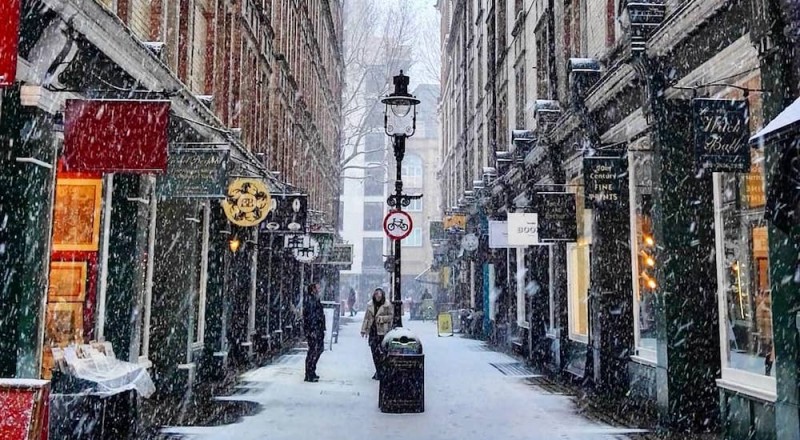
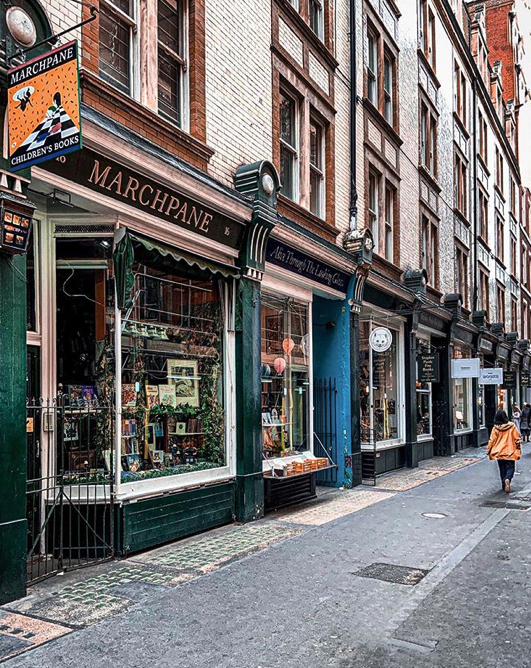
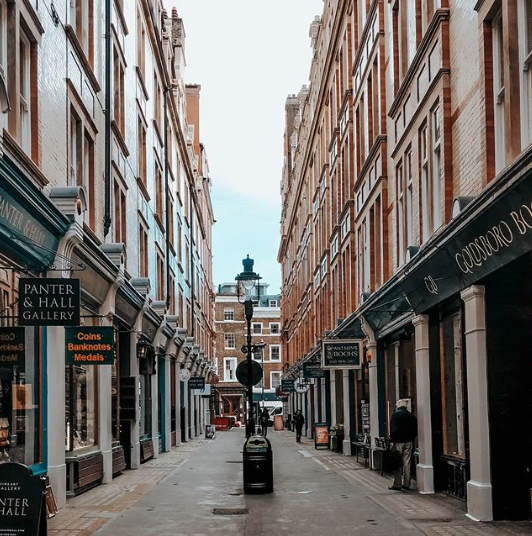
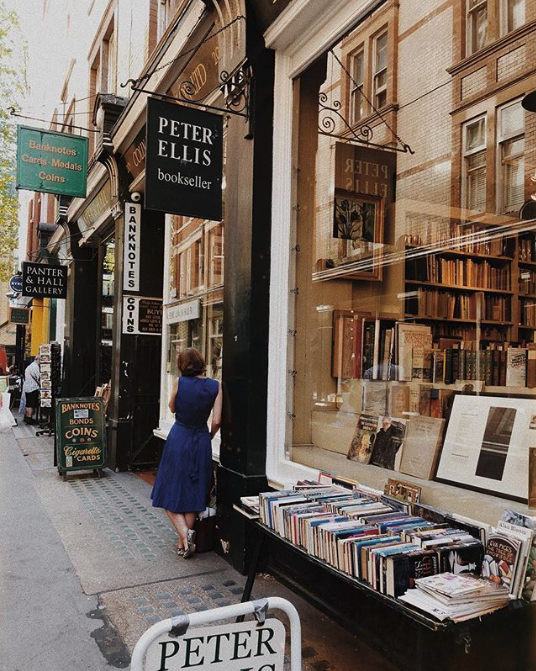
Nicknamed Bookseller’s Row, Cecil Court is a hidden gem in the heart of central London.

Packed with twenty-odd secondhand bookshops and antiquarian booksellers, it truly is a paradise for literature lovers. Just moments away from the hustle and bustle of Leicester Square, you’ll be surprised to stumble across such a peaceful gem. The shop fronts haven’t changed for over a century, so a walk through Cecil Court is like a trip back in time.

151126_original.png

Inside the stores, you’ll find anything from rare books, collector’s copies and first-editions, to old stamps, maps, posters and banknotes. It’s thought to be the thoroughfare that inspired Harry Potter’s Diagon Alley and, with its eccentric shops—some of which are even associated with magical or psychic literature—it’s easy to believe.

151447_original

One very fun fact about Cecil Court is that it was the temporary home of Wolfgang Amadeus Mozart while he was touring Europe at the age of eight. The Mozart family stayed with a barber named John Couzin, and tickets for Mozart’s first London concerts were sold from his shop. There’s even a blue plaque to commemorate his very brief tenancy, because us Londoners love a cheeky claim to fame. Some say that it was while he was staying at Cecil Court that he composed his first symphony, but we’ll never know for sure.

151723_original.png

Importantly, Cecil Court was also the business centre of the early British film industry, and therefore earned itself the second nickname, Flicker Alley. The first film-related company opened in 1897, and Cecil Court quickly became known as the place to buy or hire films. Pioneers of early British cinema Cecil Hepworth and James Williamson had offices on the street, alongside many international companies. During this time, all sorts of businesses opened along the alley; from equipment shops and rental companies, to foreign film dealers and companies specialising in cinema confectionery.

You’ll find Cecil Court just off Charing Cross Road, leading to St Martin’s Lane. Shops tend to open from about 10:30am until about 5:30pm, but this will vary. 

Leicester Square Has A New Statue Trail Featuring Everyone’s Favourite Film Characters

149442_800.jpg

Leicester Square has come alive with a brand new statue trail called Scenes in the Square, which celebrates a century of cinema.

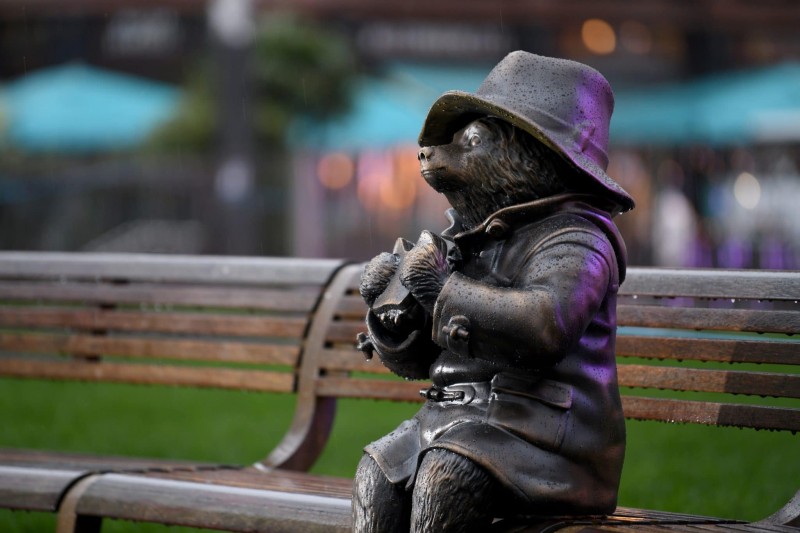
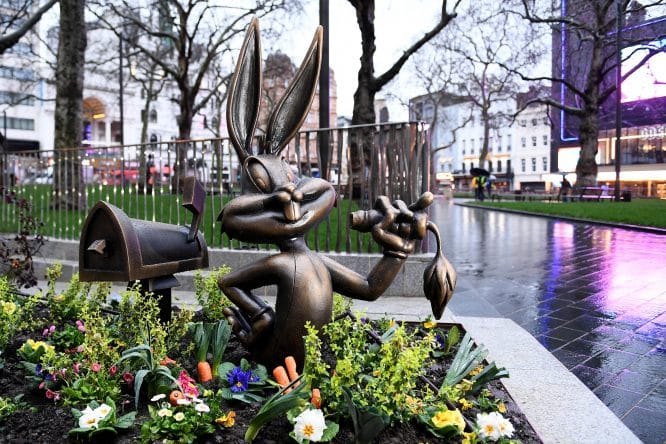
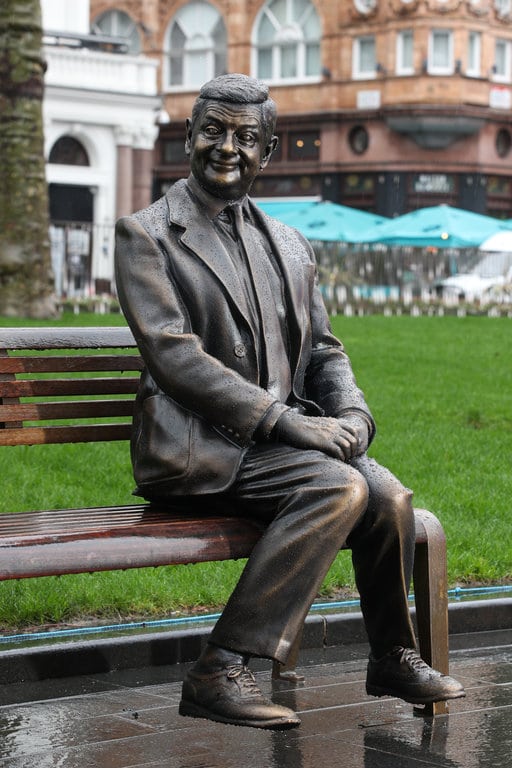
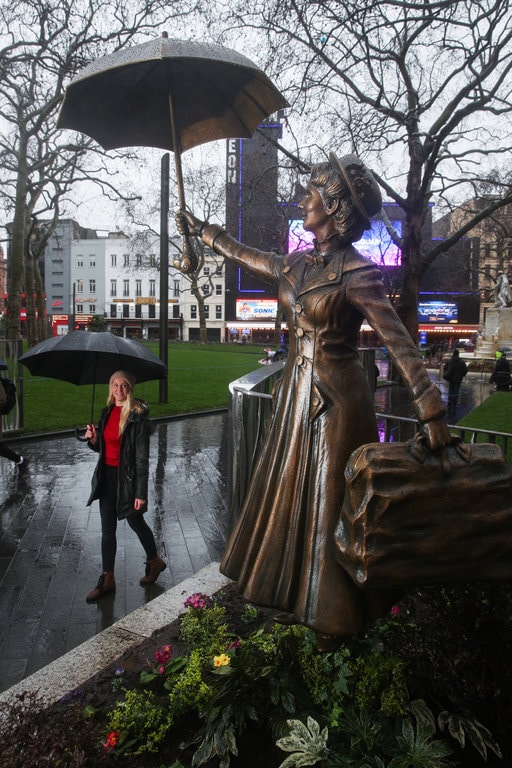
Honouring Britain’s love of film and cinema, this new trail features the likes of Bugs Bunny, Mary Poppins, Mr Bean, Paddington, as well as DC Super Heroes Batman and Wonder Woman. Designed to appeal to all ages, Scenes in the Square brings the nation’s favourite movie moments to life, throwing it all the way back to the 1920s – oh, and it’s entirely free to visit!

149524_original

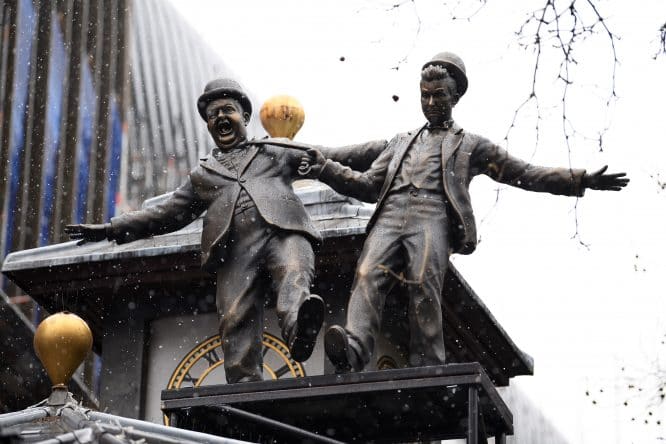
Representing the earlier years is legendary comedy duo Laurel and Hardy who have starred in over 100 films together. The 1929 movie Liberty is the inspiration behind the statue that you can see teetering on a rooftop.

149847_original.jpg

Bugs Bunny lurks in a nearby flower bed, celebrating his eightieth birthday and the eightieth anniversary of the 1940 film A Wild Hare, while the joyful figure of Gene Kelly is found clinging to a lamppost, recreating the iconic scene from one of the greatest musicals of all time, Singin’ in the Rain.

150111_original

Elsewhere in the square you’ll be able to sit on a bench next to Mr Bean or everyone’s favourite marmalade-loving bear, Paddington. Look up to the sky to spot Batman watching over the city from a rooftop, catch Wonder Woman bursting through a wall, or pose next to Mary Poppins! Many of the statues will illuminate at night, and there are interactive maps, sounds and visuals to accompany the figures.

150281_original.jpg

It goes without saying that Leicester Square is the perfect setting for such an installation, being London’s home of film since the very first cinema opened in 1930. This trail of statues isn’t just a pop-up either – it’s a long-term project to celebrate unforgettable movies and, if all goes well, they hope to welcome more characters in years to come.

Head down to Leicester Square to catch Scenes in the Square!