Christmas is a time of festivity, joy, and happiness for people all around the world. Every country has its own unique set of traditions and customs that make the holiday season special. In the United Kingdom, Christmas is celebrated with a variety of traditions that reflect the country’s rich history and culture. From the iconic Christmas pudding to the joyous carol singing, below are 10 of the most uniquely British Christmas traditions. Which one is your favorite? Let us know in the comments!
Christmas Pudding
Christmas pudding is a staple in the British Christmas dinner. It is a rich, dense, and fruity dessert that is made with a variety of dried fruits, nuts, and spices. The pudding is usually steamed for several hours and served with brandy or rum sauce. The tradition of Christmas pudding dates back to the early 14th century, when it was known as “plum pudding.”
Boxing Day
Boxing Day is a public holiday in the UK, which is celebrated on the day after Christmas. It is a day for people to relax, spend time with family and friends, and take part in various activities such as sports events and shopping. The origins of Boxing Day are unclear, but it is believed to have originated from the tradition of giving gifts to servants and tradespeople.
Christmas Crackers
Christmas crackers are a popular British Christmas tradition. They are small, cardboard tubes that are filled with small gifts, jokes, and paper hats. The crackers are pulled apart with a “crack” sound, and the gifts and jokes inside are revealed. The tradition of Christmas crackers dates back to the 1840s.
Mince Pies
Mince pies are a sweet pastry that is filled with a mixture of dried fruits, spices, and brandy or rum. They are a traditional British Christmas treat that is often served with a cup of tea or mulled wine. The pies have been a part of British Christmas celebrations since the 16th century.
Christmas Carols
Christmas carols are an essential part of the British Christmas tradition. They are sung in churches, schools, and public places throughout the holiday season. Some of the most well-known carols include “Silent Night,” “Hark! The Herald Angels Sing,” and “O Come, All Ye Faithful.”
Christmas Lights
Cities and towns all across the UK are decorated with Christmas lights during the holiday season. The lights are usually switched on in late November or early December, and are a spectacular sight to behold. The tradition of Christmas lights dates back to the 19th century, when candles were used to light up Christmas trees.
Christmas Cards
Sending Christmas cards is a popular tradition in the UK. People send cards to family, friends, and acquaintances to wish them a Merry Christmas and a Happy New Year. The tradition of sending Christmas cards dates back to the 1840s, when the first Christmas card was designed and printed.
Christmas Markets
Christmas markets are a popular attraction in the UK during the holiday season. They are usually set up in town squares and offer a wide range of festive goods such as handmade gifts, food, and drink. The markets are a great place to soak up the festive atmosphere and pick up some unique gifts.
Christmas Day Swim
The Christmas Day swim is a tradition that is observed by many people in the UK. It involves taking a dip in the sea or a nearby lake on Christmas morning. The tradition is believed to have originated in the 19th century, and is now a popular way for people to start off their Christmas celebrations.
The King’s Christmas Speech
The reigning Monarch’s Christmas speech is a tradition that has been observed in the UK since 1932. It is a televised speech that is now delivered by the King on Christmas Day. In the speech, the King reflects on the events of the past year, and wishes the nation a Merry Christmas and a Happy New Year.
British Christmas traditions are unique, diverse, and reflect the country’s rich history and culture. From Christmas pudding to the King’s Christmas speech, these traditions have been passed down from generation to generation, and continue to bring joy and happiness to people during the holiday season.
“Masters of the Air” was an American war drama television miniseries produced by Apple TV+. It has just finished airing on Apple TV+ (and it’s fantastic if you’re into World War II dramas). The series was based on the book “Masters of the Air: America’s Bomber Boys Who Fought the Air War Against Nazi Germany” by Donald L. Miller. The series focused on the air war over Europe during World War II and told the story of the American bomber boys who fought it. The series was highly anticipated and had been in the making for a long time. In this article, we take a look at the filming locations used for “Masters of the Air” on Apple TV+.
The series was produced by Steven Spielberg, Tom Hanks, and Gary Goetzman, who also produced the popular World War II-themed miniseries “Band of Brothers” and “The Pacific.” “Masters of the Air” was the third series in this trilogy.
The filming of “Masters of the Air” was a long and arduous process, with filming taking place in multiple locations. The series was filmed in England, Scotland, and the Czech Republic.
One of the primary filming locations for “Masters of the Air” was the former RAF Bovingdon airfield in Hertfordshire, England. The airfield was used extensively during World War II and was the home of the 8th Air Force, which played a crucial role in the bombing campaign against Nazi Germany. The airfield had been used as a filming location for many World War II-themed movies and television series, including “Band of Brothers.” The airfield was transformed into a set for “Masters of the Air,” complete with a replica of a B-17 bomber.
The show was set at Thorpe Abbotts in Lincolnshire. RAF Station Thorpe Abbotts was a Royal Air Force station located in Norfolk, England. It was built in 1942 and was home to the 100th Bombardment Group of the United States Army Air Forces during World War II. The airfield was used as a base for B-17 Flying Fortress bombers, which played a crucial role in the bombing campaign against Nazi Germany. The 100th Bombardment Group flew a total of 306 missions from Thorpe Abbotts, dropping over 19,000 tons of bombs on enemy targets. After the war, the airfield was returned to the RAF and was used for various purposes until it was closed in 1963. Today, the site is home to the 100th Bomb Group Memorial Museum, which commemorates the history of the 100th Bombardment Group and the brave men who served there. The control tower has been restored, but the airfield is largely gone, so the show could not be filmed there.
Another important filming location for “Masters of the Air” was the RAF Hemswell airfield in Lincolnshire, England. The airfield was also used extensively during World War II and was home to the 5th Bomber Group. The airfield had been used as a filming location for many movies and television shows, including “The Dam Busters” and “Foyle’s War.” The airfield was transformed into a set for “Masters of the Air,” complete with a replica of a B-17 bomber.
The Scottish town of Greenock was also used as a filming location for “Masters of the Air.” The town was transformed into a set for the series, with many of the buildings and streets appearing as they did during World War II. The town had also been used as a filming location for many other movies and television shows, including “Outlander” and “World War Z.”
The Czech Republic was also used as a filming location for “Masters of the Air.” The cities of Prague and Plzen were used as stand-ins for various European cities during World War II. The Czech Republic had been a popular filming location for many movies and television shows due to its historical architecture and beautiful landscapes.
Henry IV is one of the most intriguing figures in English history. Born in 1367, he was the son of John of Gaunt, the Duke of Lancaster, and his wife, Blanche of Lancaster. He grew up in a time of great turbulence in England, with the Hundred Years War raging on the continent and the Black Death devastating the country.
Key Facts about Henry IV
Henry IV was born in 1367, as the son of John of Gaunt, the Duke of Lancaster, and his wife, Blanche of Lancaster.
He became the King of England in 1399, after deposing his cousin Richard II in a coup.
Henry IV passed the Statute of Prerogative, which limited the king’s power and gave more authority to Parliament, laying the foundation for the constitutional monarchy that exists in England today.
He faced many challenges during his reign, including the rebellion led by the Welshman Owain Glyndŵr and the ongoing Hundred Years War with France.
Despite these challenges, Henry IV was generally successful in maintaining his grip on power and promoting justice and fairness.
Henry’s father, John of Gaunt, was one of the most powerful men in England, but his legitimacy was always in question. John of Gaunt’s parents were Edward III of England and his wife, Philippa of Hainault. There were some doubts about John of Gaunt’s legitimacy due to rumors about Edward III’s affair with a woman named Alice Perrers. In any case, John of Gaunt was never able to claim the throne for himself, and his son Henry was only able to do so after a series of dramatic events.
Henry IV came to the throne in 1399 after deposing his cousin Richard II in a coup. Richard had been a weak and unpopular king, and Henry was able to win the support of the nobility and the common people by promising to rule with justice and fairness. He was crowned on October 13, 1399, and set about consolidating his power.
One of the most important things Henry did during his reign was to pass the Statute of Prerogative, which limited the king’s power and gave more authority to Parliament. This was a significant step towards modern democracy, and it laid the foundation for the constitutional monarchy that exists in England today.
Henry also faced many challenges during his reign. The most significant of these was the rebellion led by the Welshman Owain Glyndŵr, which began in 1400 and lasted for over a decade. Glyndŵr was able to gain the support of many Welsh nobles and commoners, and his forces were able to inflict several defeats on the English army. However, Henry was ultimately able to suppress the rebellion, and Glyndŵr disappeared into obscurity.
Despite these challenges, Henry IV was generally successful in maintaining his grip on power. He was able to win the support of the nobility by granting them lands and titles, and he was popular with the common people for his efforts to promote justice and fairness. He was also successful in promoting trade and commerce, which helped to stimulate the economy.
Henry IV died in 1413, at the age of 46. He was succeeded by his son, Henry V, who would go on to become one of England’s most celebrated monarchs. Although Henry IV’s reign was relatively short and marked by many challenges, he was an important figure in English history. His efforts to limit the power of the monarchy and promote justice and fairness laid the foundation for the modern democratic state, and his successes in promoting trade and commerce helped to lay the foundation for England’s economic prosperity.
Henry IV was a complex figure who faced many challenges during his reign. He was able to consolidate his power and win the support of both the nobility and the common people, and he made significant contributions to the development of modern democracy and the economy. Although his reign was marked by many challenges and struggles, he remains an important figure in English history, and his legacy continues to be felt to this day.
Movies and TV Shows Featuring
Almost two hundred years after his death, Henry became the subject of two plays by William Shakespeare, Henry IV, Part 1 and Henry IV, Part 2, as well as featuring prominently in Richard II.
Ian Keith in The Black Shield of Falworth (1954), with Tony Curtis
John Gielgud in Chimes at Midnight (1965), a merger of several Shakespeare plays
Carl Wharton in Henry IV – Part 2 (2012), a film by The Co-operative British Youth Film Academy.
Ben Mendelsohn in The King (2019), a film by Netflix
The Hollow Crown (BBC)
Numerous BBC dramas and plays
Locations Related to Henry IV
Bolingbroke Castle: This was the birthplace of Henry IV and he lived here for some time before becoming the King of England.
Coventry: The city was a significant location during the Peasants’ Revolt of 1381 and also played a significant role in the rebellion led by Owain Glyndŵr in the early 15th century.
Wales: Henry IV faced a rebellion led by Welshman Owain Glyndŵr, which lasted for over a decade and was a significant challenge to his reign.
France: The Hundred Years War with France was ongoing during Henry IV’s reign, and he was able to win several significant victories against the French.
London: As the capital city of England, London was the center of political and economic power during Henry IV’s reign, and he spent much of his time there.
York: The city played a significant role in the rebellion led by the Archbishop of York, which challenged Henry’s authority in the early years of his reign.
East Anglia: This region was one of the most prosperous areas of England during Henry IV’s reign, and he made efforts to promote trade and commerce there.
Scotland: Henry IV faced several challenges from Scotland during his reign, including a rebellion led by the Earl of Northumberland in 1402.
Kenilworth Castle: The castle was a significant location during the rebellion led by Owain Glyndŵr, and it was besieged by Welsh forces in 1403.
Canterbury: The city was a significant location during the Peasants’ Revolt of 1381 and was also the site of several important events during Henry IV’s reign, including the coronation of his son, Henry V.
A cathedral is a type of Christian church that is the principal church of a bishopric. It is the central church of a diocese, the area under the jurisdiction of a bishop. In England, cathedrals are significant not only for their religious importance but also for their cultural and architectural significance. They are often the site of important ceremonies and events and are impressive feats of engineering and design. Some are almost one thousand years old (and some have roots that go back even further).
The Definition of a Cathedral
Cathedrals in England are unique from other types of religious buildings such as minsters, churches, and abbeys. What is the difference between a cathedral and a minster? A minster is a church that was established during the Anglo-Saxon period and was often associated with a monastic community. A church is a general term for any religious building, while an abbey is a complex of buildings used by a community of monks or nuns for their religious activities. Cathedrals, on the other hand, are the seat of the bishop and are often much larger than other religious buildings. They are also built in a particular style that is unique to cathedrals. Cathedrals were also great seats of power – as the Bishops were the most powerful non-royal figures in British society.
There is a lot of overlap between a ‘minster’ and a ‘cathedral.’ For example, York Minster was founded as a minster but is now officially a cathedral (Cathedral and Metropolitical Church of Saint Peter in York is its official title). It also looks like a cathedral, even though it’s a minster. Westminster Abbey in London is considered both a minster and an abbey but is very much a cathedral in practice except that its official title is that of a church (officially the Collegiate Church of Saint Peter at Westminster). Best not to try and make sense of it!
The architectural style of cathedrals in England is largely influenced by the Gothic period, which began in the 12th century. Gothic architecture is characterized by pointed arches, ribbed vaults, and flying buttresses that allow for the construction of large, open spaces. The use of stained glass and elaborate carvings also adds to the grandeur of these buildings. The most famous example of Gothic architecture in England is probably the Cathedral at Canterbury, which was built in the 11th century but underwent significant renovations in the 12th and 13th centuries.
One of the key differences between cathedrals and other religious buildings is their cultural significance. Cathedrals are often used for important ceremonies and events, such as royal coronations and funerals. They are also a popular tourist attraction, drawing visitors from around the world who come to marvel at their beauty and learn about their history. Many cathedrals also have important artifacts and treasures, such as the Magna Carta at Salisbury Cathedral.
Great Examples of English Cathedrals
Now, let’s take a look at some of the most spectacular cathedrals in England (we also have a great article on the major cathedrals of England here that goes into more detail):
Canterbury Cathedral – Canterbury Cathedral is the seat of the Archbishop of Canterbury and is one of the most important religious sites in England. It is also a UNESCO World Heritage site.
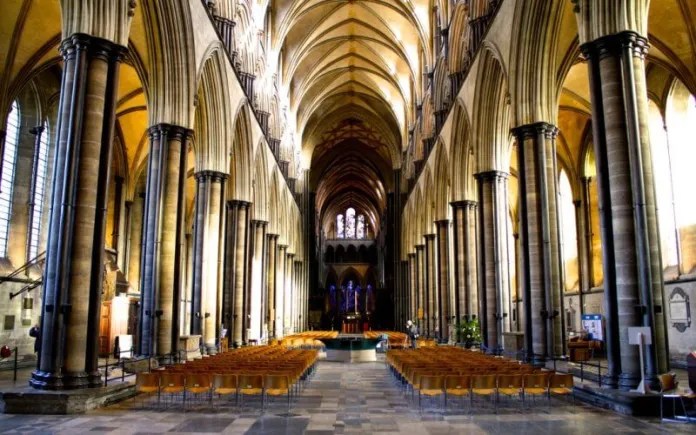
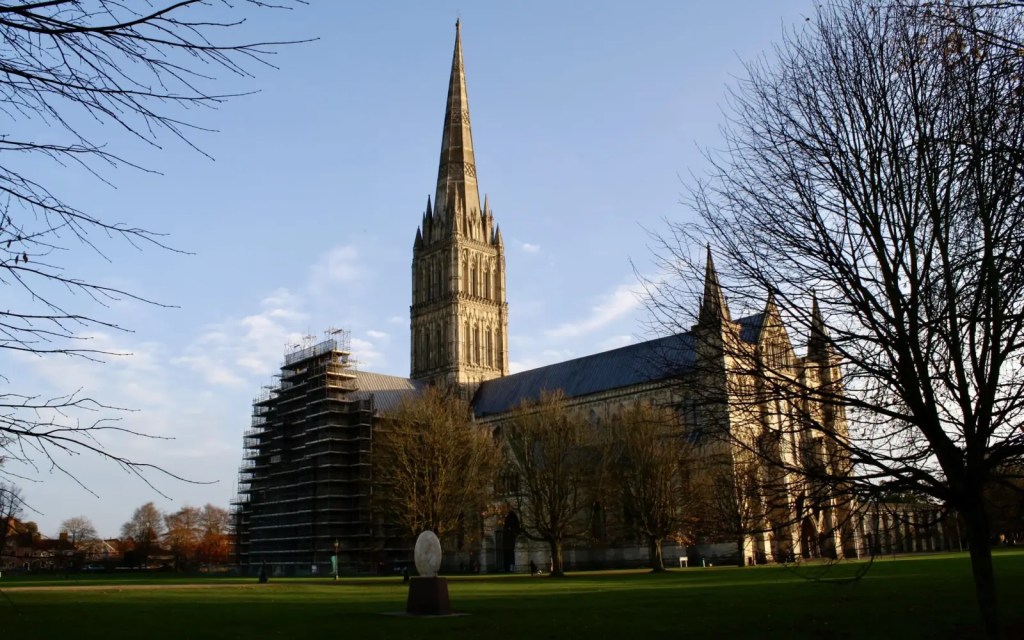
Salisbury Cathedral – Salisbury Cathedral is known for its towering spire, which is the tallest in England. It is also home to the Magna Carta, one of the most important legal documents in history.
York Minster – York Minster is one of the largest Gothic cathedrals in Northern Europe. It is known for its stunning stained glass windows and intricate carvings.
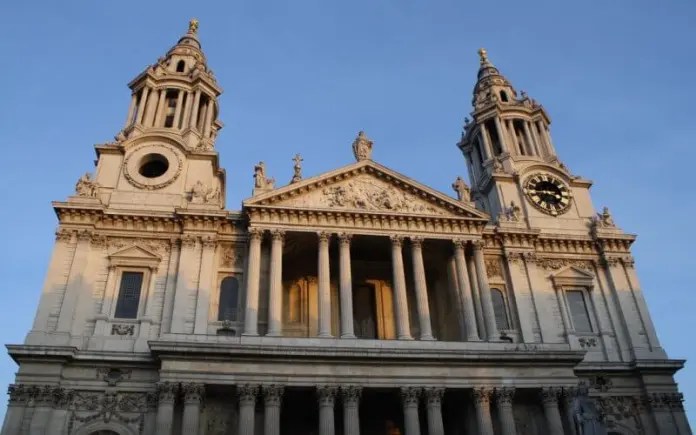
St. Paul’s Cathedral – St. Paul’s Cathedral is one of the most recognizable buildings in London. It was designed by Sir Christopher Wren and is known for its impressive dome.
Durham Cathedral – Durham Cathedral is located in the northeast of England and is known for its imposing towers and stunning views of the surrounding countryside.
Welcome to Winchester, the charming cathedral city located in the picturesque countryside of southern England. With a rich history dating back to the Roman times, Winchester is truly a treasure trove of fascinating stories and ancient landmarks. It was once the capital of England, and it was here that King Alfred the Great, one of the most famous Anglo-Saxon kings, made his home. But Winchester is not just a city of the past; it is a vibrant and thriving modern city with plenty of things to see and do, from museums and galleries to shopping and dining. Join us as we explore the many delights of this wonderful city and discover why it is such a popular destination for visitors from all over the world. Here is Anglotopia’s guide to days out in Winchester!
Winchester History
Winchester is a city located in the county of Hampshire, in the south of England. The city has a rich history, dating back to the Roman times, and has played an important role in English history. It was once the capital of England, and the site of many important events, from the coronation of kings to the signing of treaties.
The Romans first established a settlement in Winchester in the 1st century AD, and it quickly became an important center of trade and commerce. The city continued to grow and prosper under the Anglo-Saxons, who made it the capital of their kingdom of Wessex.
One of the most famous figures in Winchester’s history is King Alfred the Great, who ruled from 871 to 899. Alfred is known for his military victories over the Vikings, and for his efforts to promote education and learning. He made Winchester his home, and it was here that he established a royal palace and a center of learning, which included a school for young boys.
Winchester continued to be an important center of political and cultural life throughout the Middle Ages. In 1066, William the Conqueror was crowned king of England in Winchester Cathedral, and the city played an important role in the Norman Conquest. The city also played a key role in the sealing of Magna Carta, a document that established the rule of law in England.
During the Tudor period, Winchester was the site of many important events. Henry VIII stayed at the Bishop’s Palace in Winchester on several occasions, and it was here that he received news of the birth of his son, Edward VI. The city also played a key role in the English Reformation, with many of its residents supporting the Protestant cause.
In the 18th and 19th centuries, Winchester continued to be an important city, with many famous figures visiting and living there. Jane Austen, one of England’s most famous novelists, lived in Winchester for a time, and the city is now home to a museum dedicated to her life and work. The city also played a role in the development of the railway, with the first railway station in the world opening in Winchester in 1839.
Today, Winchester is a vibrant and thriving city, with a rich cultural heritage and a strong sense of community. Visitors to the city can explore its many historic landmarks, including Winchester Cathedral, the Great Hall, and the Bishop’s Palace. They can also enjoy its many museums, galleries, shops, and restaurants and experience the unique charm and character of this wonderful city.
Winchester’s rich history and cultural heritage have made it an important city in English history. From its Roman origins to its role in the Norman Conquest and the sealing of Magna Carta, Winchester has played a key role in shaping the course of English history. Today, it is a vibrant and thriving city, with a strong sense of community and a unique character that continues to attract visitors from all over the world.
What To See and Do in Winchester – Winchester Things to do
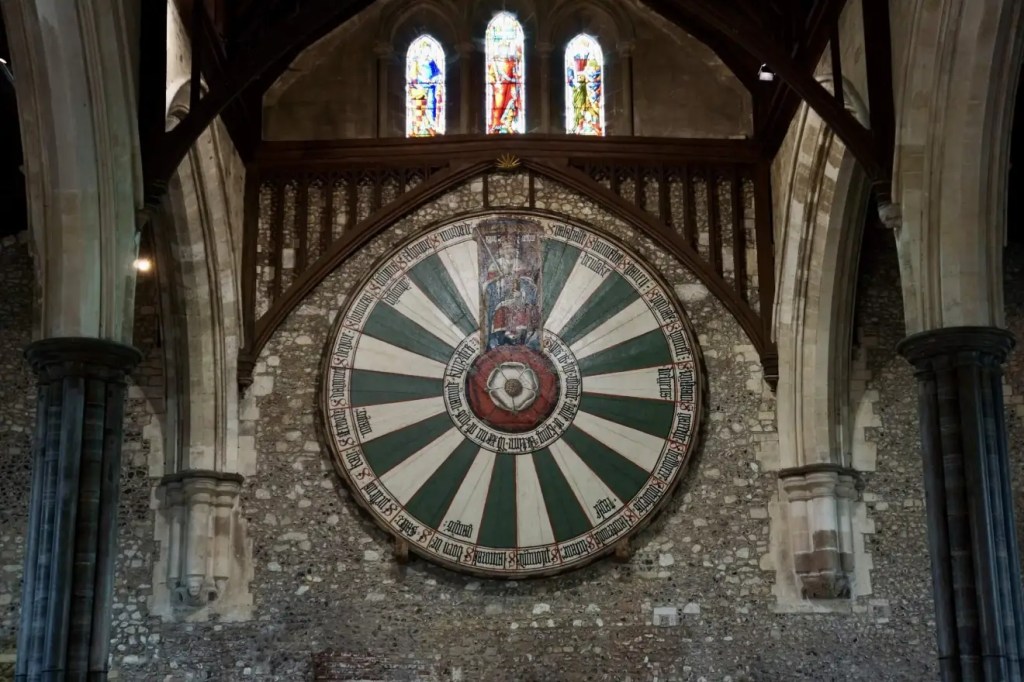
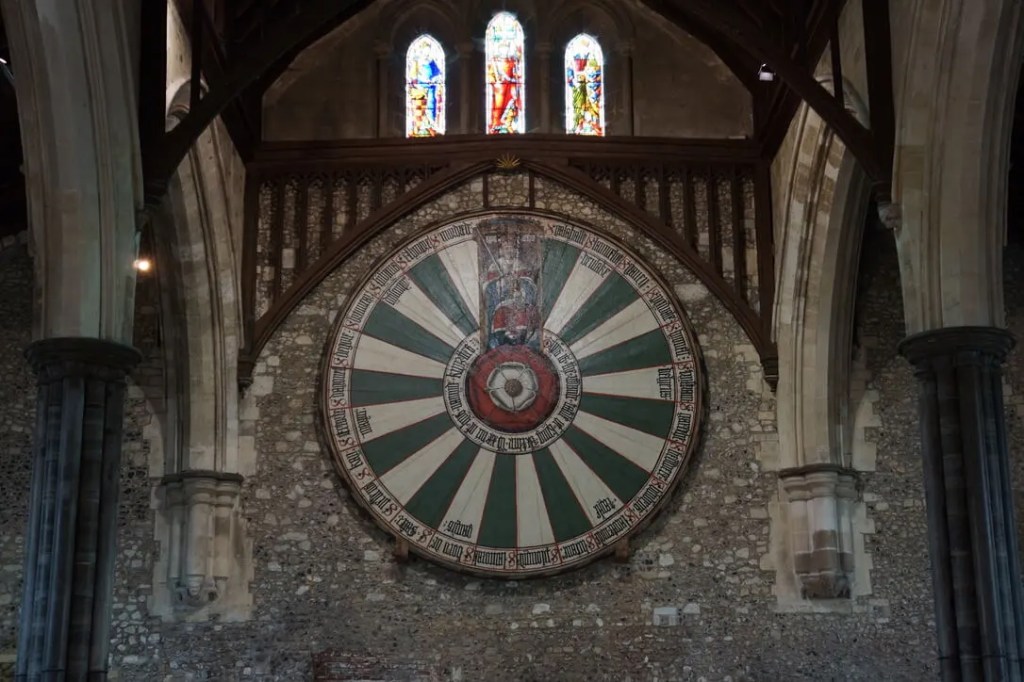
King Arthur’s Roundtable at Winchester Castle
King Arthur’s Roundtable at Winchester Castle
Take a moment to appreciate the Great Hall in Winchester, which is steeped in history and legend. The Round Table within the hall is of particular interest to Arthurian legend enthusiasts. Although it is not the original table of King Arthur, it is a later recreation that was commissioned by Edward I in 1290 to commemorate the marriage of his children. The table is a truly magnificent piece of medieval artwork, measuring 18 feet in diameter, weighing over 1 ton, and made of 12 pieces of English Oak. However, the Great Hall itself is equally impressive. It is the only surviving structure from the original Winchester Castle and is one of the best-preserved great halls in England. Some might even argue that it is as impressive as the Great Hall in the Palace of Westminster. During our visit, we were lucky enough to have the place almost entirely to ourselves, allowing us to take in all the beautiful details at our leisure. It was also a pleasant surprise to meet another American working in the gift shop, making for a delightful cultural exchange.
Winchester Cathedral
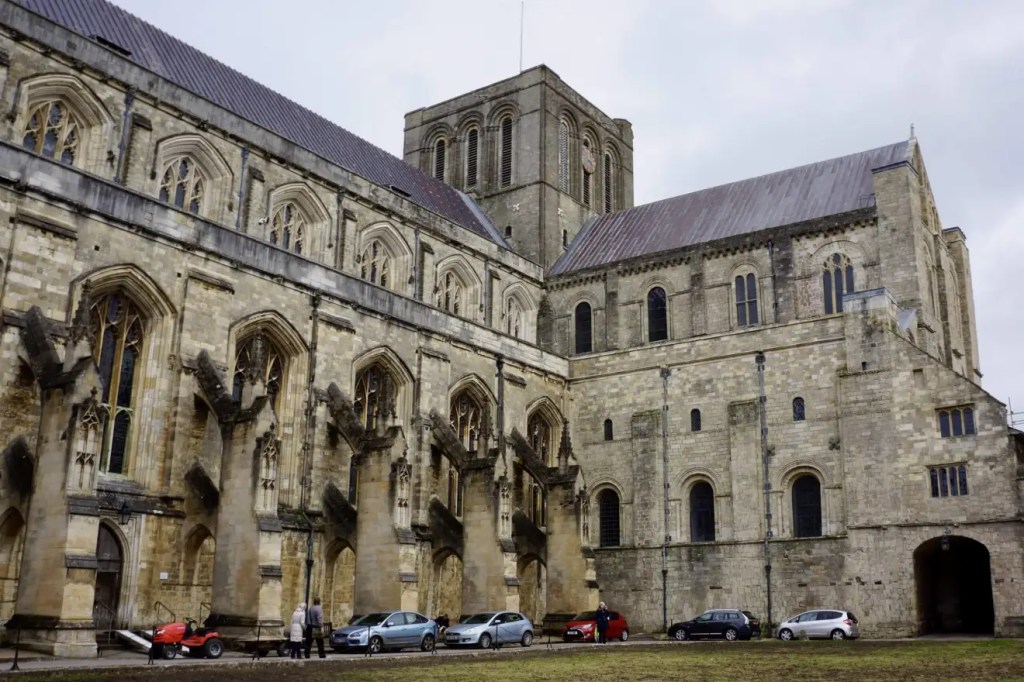
Winchester Cathedral Exterior
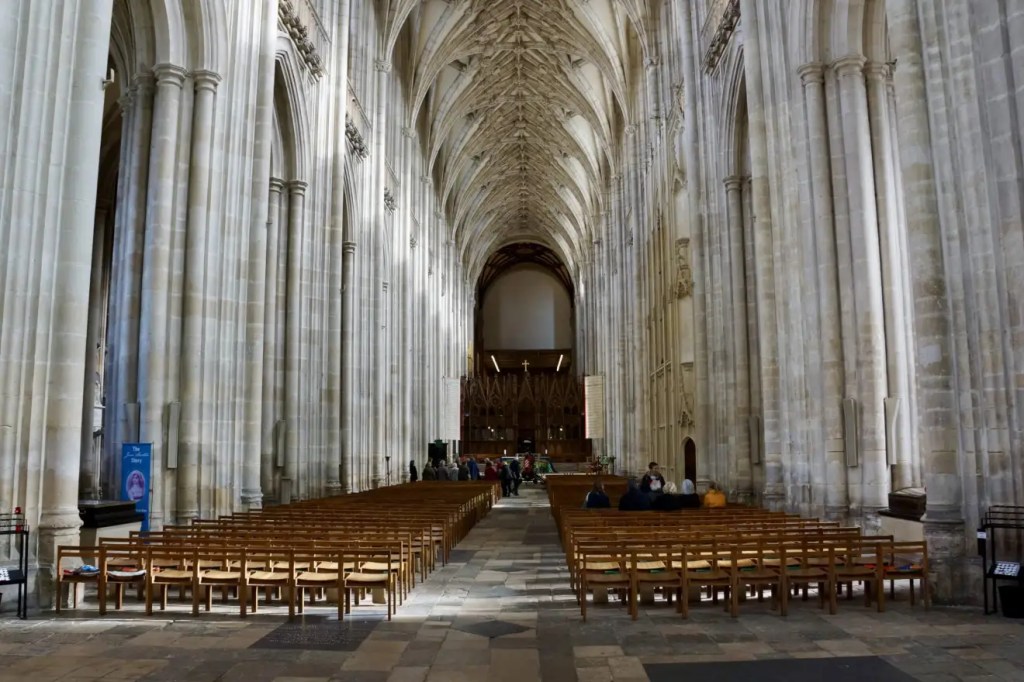
Winchester Cathedral is one of the most iconic landmarks in the city, known for its stunning architecture and rich history. It was originally founded in 642 as a small Saxon church, but over the centuries, it has undergone numerous renovations and expansions to become the magnificent cathedral that we see today. The cathedral’s architecture is a blend of different styles, with elements of Norman, Gothic, and Renaissance design. The interior is particularly impressive, with soaring ceilings, intricate carvings, and beautiful stained glass windows. One of the most striking features of the cathedral is the 15th-century Great Screen, which separates the nave from the choir and is adorned with intricate carvings depicting scenes from the Bible and the lives of saints.
Throughout its history, Winchester Cathedral has been the site of many important events. It was here that William the Conqueror held court in 1070, and where his son Henry I was crowned king in 1100. The cathedral also played a significant role in the Wars of the Roses, with the Lancastrian and Yorkist factions both using it as a rallying point. In the 16th century, the cathedral was at the center of the English Reformation, with Bishop Stephen Gardiner playing a key role in defending Catholicism against the Protestant reformers. Today, the cathedral is still an active place of worship and a popular destination for visitors from all over the world who come to marvel at its beauty and learn about its fascinating history.
Jane Austen’s House and Grave
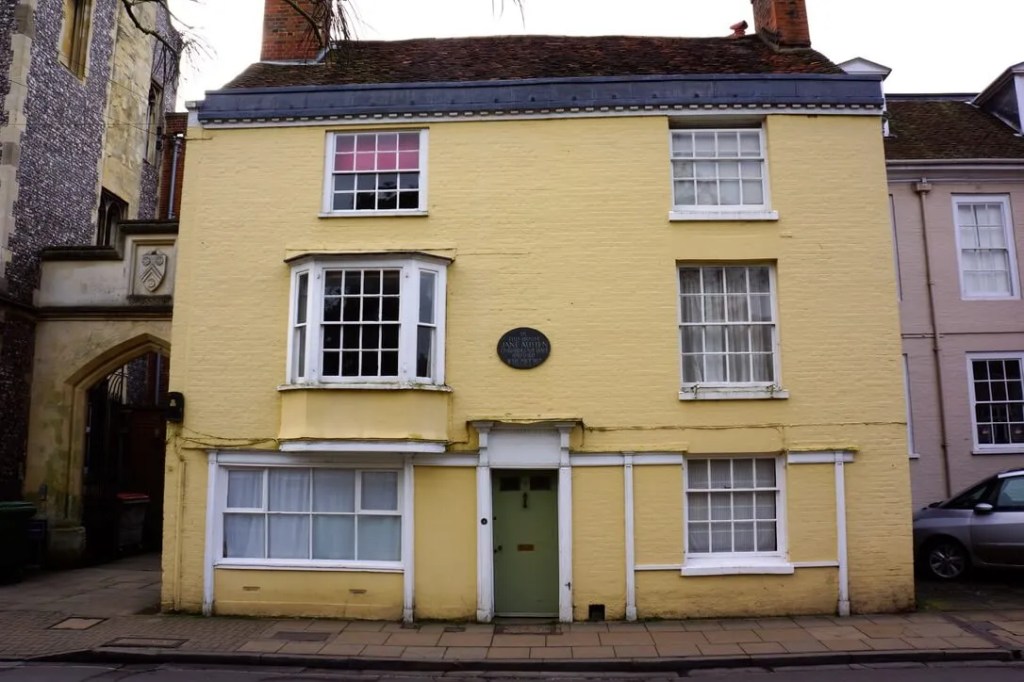
Jane Austen Died here, in this house in Winchester.
This unassuming yellow house located next to Winchester College in England might not catch your eye at first glance if it weren’t for the faded blue plaque on its exterior. However, this house holds a significant connection to one of the greatest writers in history, Jane Austen. It was in this very house that Austen spent her final days and eventually passed away. Although it is a private residence and not accessible to the public, it serves as a poignant memorial to her life and legacy. On the other side of the street, a charming little garden is dedicated to her memory. Austen was laid to rest in Winchester Cathedral, and it is recommended that visitors pay their respects at her grave. If you wish to explore a museum dedicated to her life and works, consider visiting Jane Austen’s House in the nearby village of Chawton, which is open to the public daily.
Winchester City Centre
Winchester City Centre Street Scene
Winchester city center is a vibrant and bustling area, with plenty of things to see and do for visitors of all ages. The city is famous for its ancient landmarks, including Winchester Cathedral, the Great Hall, and the City Walls, all of which are must-visit attractions. Visitors can also explore the narrow streets and alleys of the city center, which are lined with charming shops, cafes, and restaurants. For those interested in history, there are plenty of museums and galleries to explore, including the Winchester City Museum and the Winchester Discovery Centre. The city also hosts a range of cultural events throughout the year, including music festivals, theatre shows, and art exhibitions, so there’s always something new and exciting to discover. There’s also an excellent Winchester Christmas market held every year that’s well worth a visit.
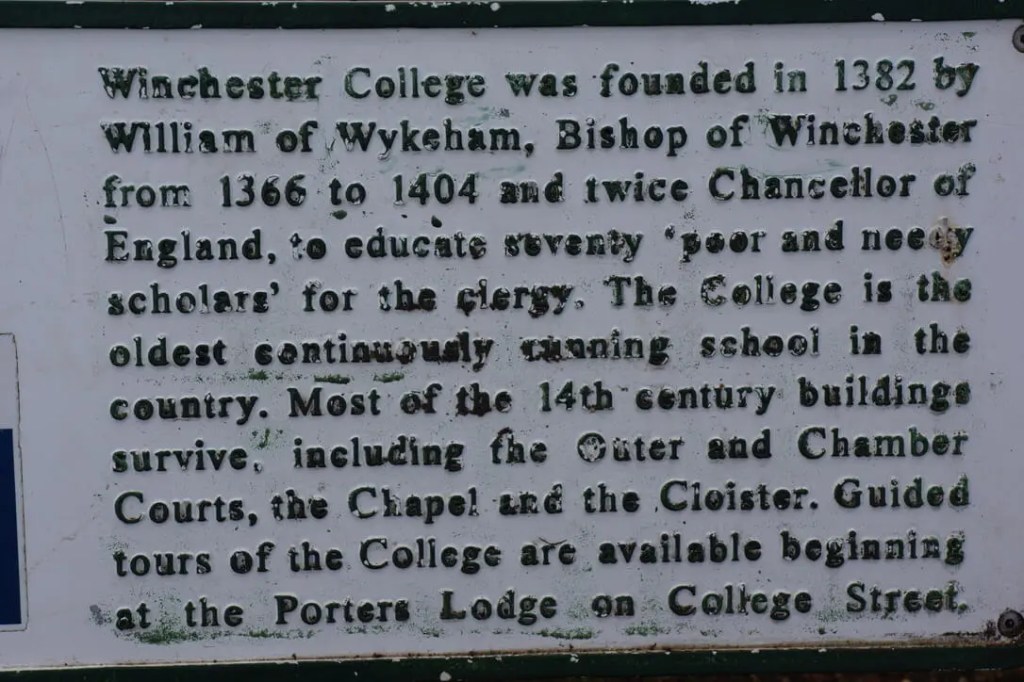
Winchester College
Winchester College Plaque
Winchester College is one of the oldest public schools in England, with a history dating back to the 14th century. Founded in 1382 by Bishop William of Wykeham, the school was originally established to provide education to disadvantaged boys. Over the centuries, Winchester College has produced many notable alumni, including poets, politicians, and writers. Today, the school is one of the most prestigious in the country, with a strong academic and extracurricular program that attracts students from all over the world. Its historic buildings and beautiful grounds make it a popular attraction for visitors to Winchester.
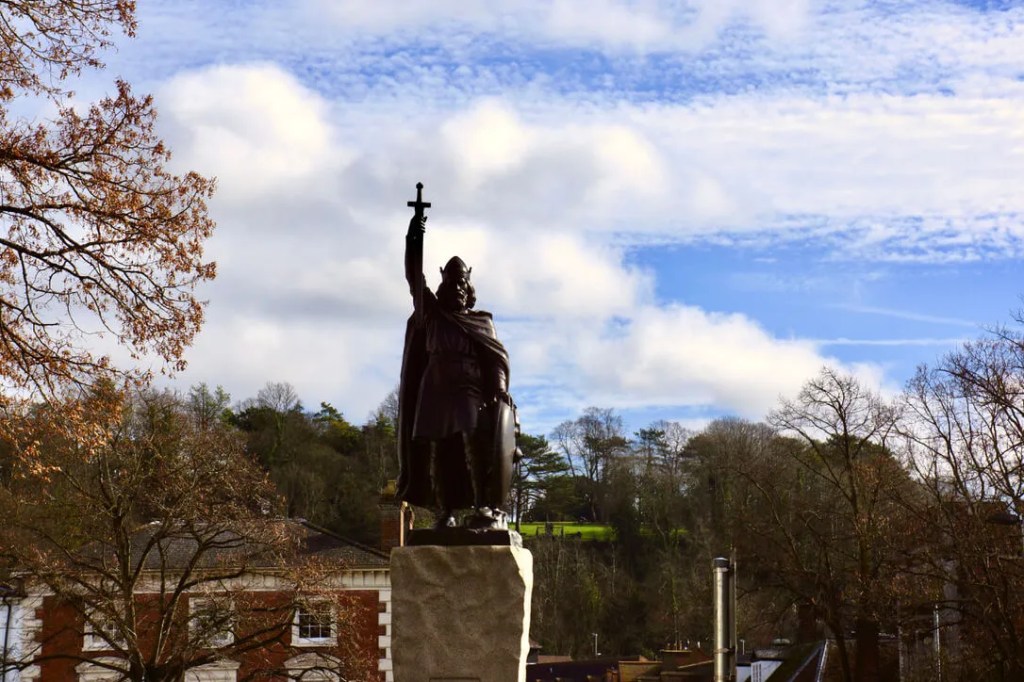
King Alfred’s Statue
King Alfred’s Statue in Winchester
It’s worth taking a moment to greet King Alfred, the legendary hero of Wessex. A magnificent statue of the great king can be found at the end of The Broadway, just a little further from the Guildhall. The statue was erected in 1899, a thousand years after Alfred’s death, and was designed by Hamo Thornycroft. Although the artist portrayed Alfred as an Arthurian knight, which is not an accurate representation of his appearance, the statue remains a testimony to the king’s enduring legacy. However, be cautious when approaching the statue, as it is situated in the middle of a traffic island.
Winchester Science Centre
The Winchester Science Centre and Planetarium is a fantastic destination for science enthusiasts of all ages. Located just outside of Winchester, the Science Centre offers a wide range of interactive exhibits and hands-on activities that explore the wonders of science and technology. Visitors can learn about topics such as space, human biology, and engineering, and can even explore the night sky in the Planetarium. With a variety of shows and events throughout the year, the Winchester Science Centre is a must-visit attraction for anyone interested in science and discovery.
Theatre Royal Winchester
The Theatre Royal Winchester is a historic performing arts venue located in the heart of Winchester. Built in 1850, it has been entertaining audiences for over 170 years with a diverse range of productions, from drama and comedy to dance and music. The theatre has undergone several renovations and upgrades over the years, but it has retained much of its original Victorian charm and character. With its intimate atmosphere and excellent acoustics, the Theatre Royal Winchester is a popular destination for both locals and visitors alike who are looking for a night of entertainment and culture.
How to get to Winchester
Getting to Winchester from London is quite easy, thanks to the excellent transport links between the two cities. The most convenient way to travel is by train, with regular services running from London Waterloo to Winchester station, which is located in the heart of the city. The journey takes around 1 hour, and trains run frequently throughout the day. Alternatively, visitors can drive to Winchester, which is located around 70 miles southwest of London, and can be reached via the M3 motorway. However, traffic can be heavy, especially during peak travel times, so it’s advisable to check the latest traffic updates before setting off.
While people might want to take a trip to the Caribbean, Italy, or France to celebrate their love for Valentine’s Day, England is undersold as a destination for lovers. There are so many romantic getaways in England to choose from! From picturesque villages to breathtaking natural beauty, England has its share of romantic locations to visit. Of the dozens of places that you could see, we’ve had a hard choice to narrow it down to only five options. Any one of them will cause you to fall in love (or fall in love again) with your partner as well as with the landscape. If you have a suggestion for a romantic place to visit in England, you can share that in the comments.
Lake District
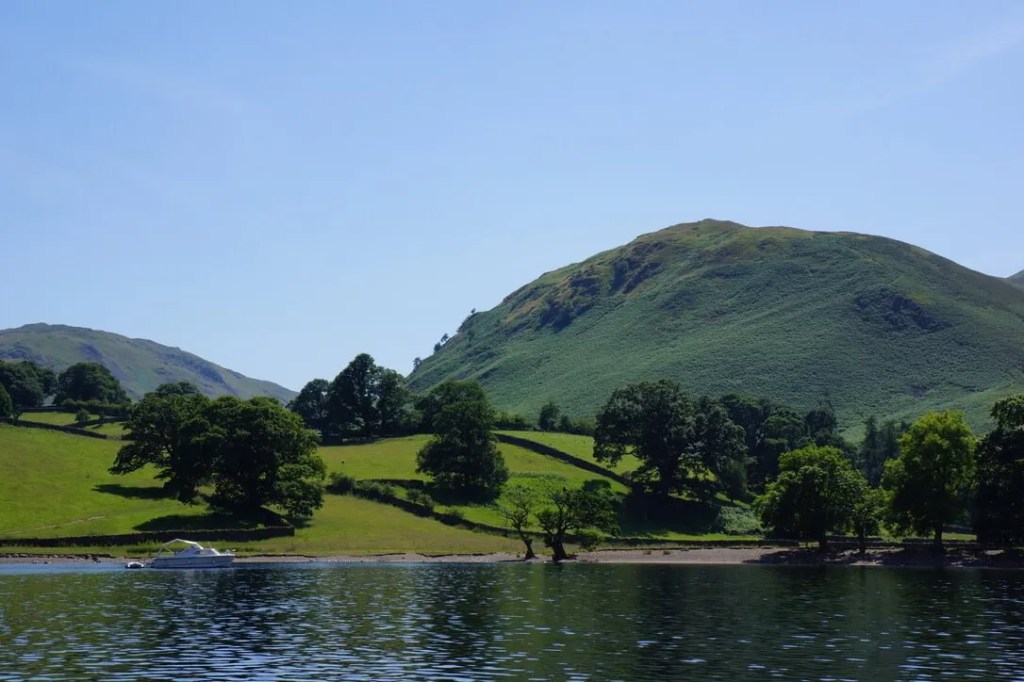
Lake District National Park is not only the most beautiful place in the North; it’s most likely the most beautiful local in the entire United Kingdom. Tall peaks are juxtaposed with smooth waters that make every rambler, and outdoor enthusiast never want to leave. In addition to the natural beauty of the waters themselves, you can visit Dove Cottage, the home of poet William Wordsworth, who helped launch the Romantic Age of English literature. There is plenty to explore in this part of England, which makes it a perfect destination for couples.
Bath
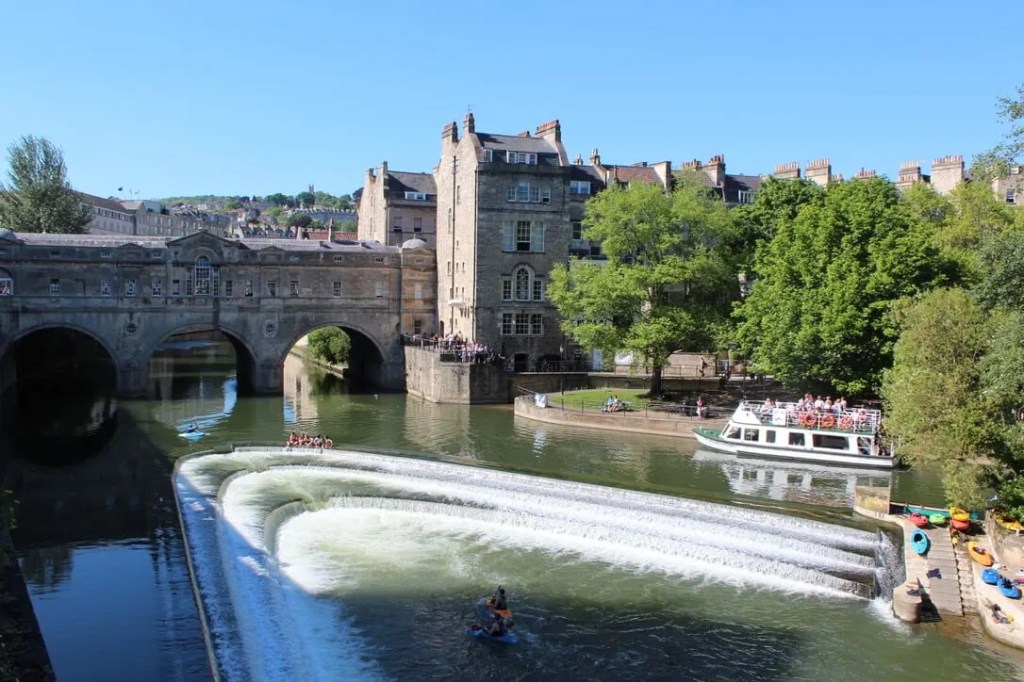
Bath is a city known for its ancient Roman bath houses, which is certainly one great reason to visit this metropolis in picturesque Somerset. However, for about six years, it was home to one of English literature’s best romance novelists, Jane Austen. The Jane Austen Museum offers a chance to become more intimately familiar with her works as well as hosting a tour that takes you around the city, highlighting places that helped influence her writing. From gorgeous history to strong literary ties, there’s a lot to love about Bath.
Cambridge
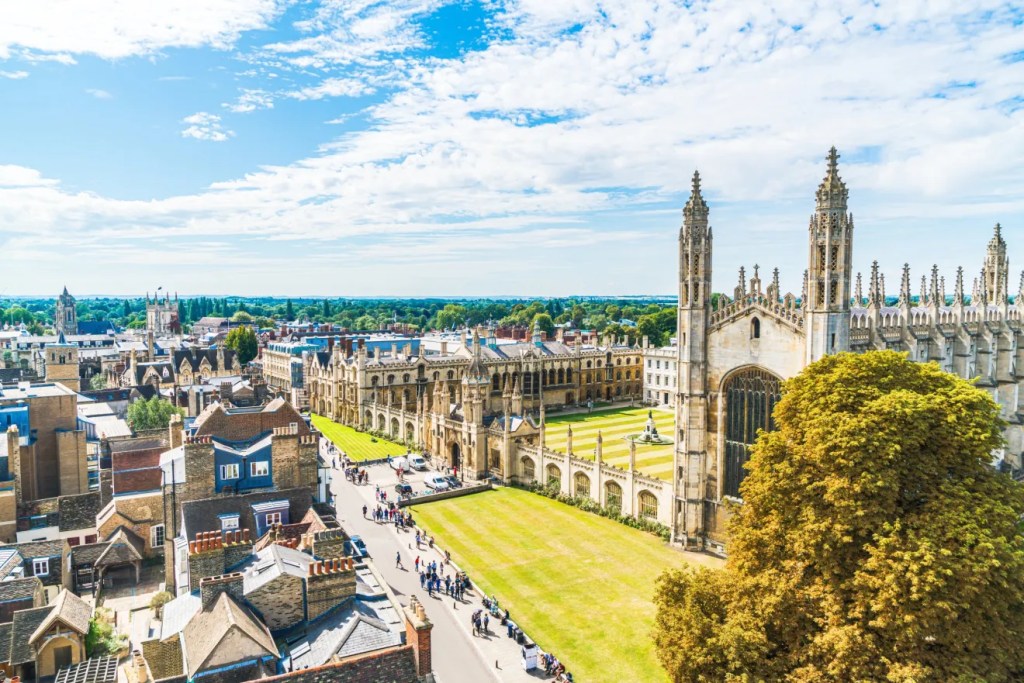
Cambridge is synonymous with learning, thanks to Cambridge University, but that’s not all one of England’s greatest college towns has to offer. Plenty of uni students have fallen in love during their time here, and it’s not hard to see why. The absolutely gorgeous architecture will draw you in, and one of the best ways to experience it is by punting down the River Cam. You can try to punt yourself to impress your partner, but it’s probably a better idea to go through a punting company or punting tour group that can really help you appreciate the real charm of Cambridge.
Cotswolds
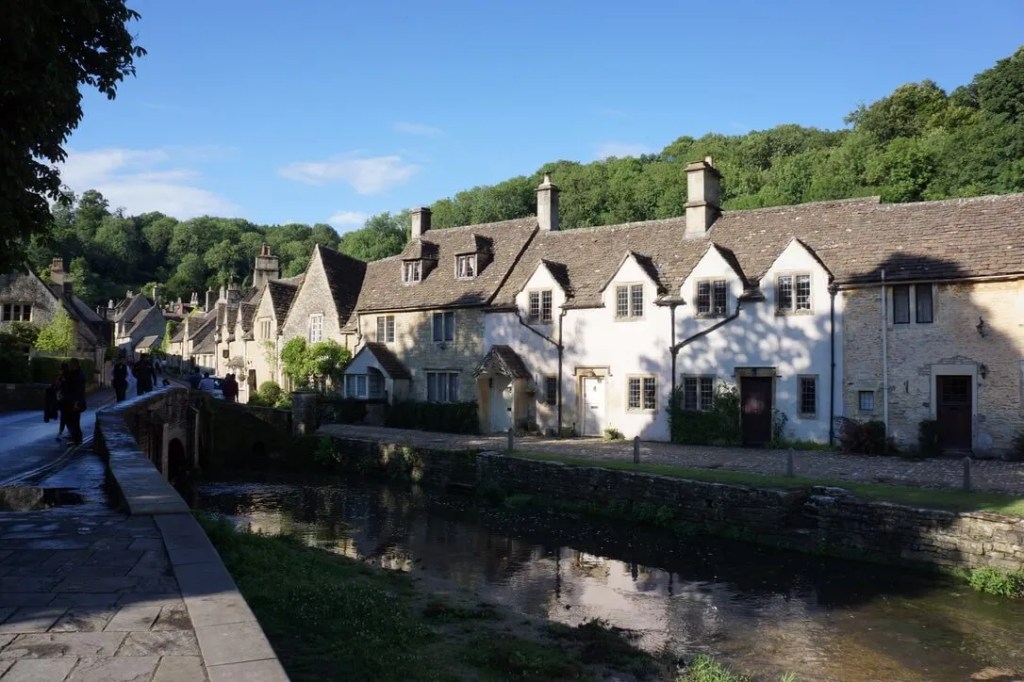
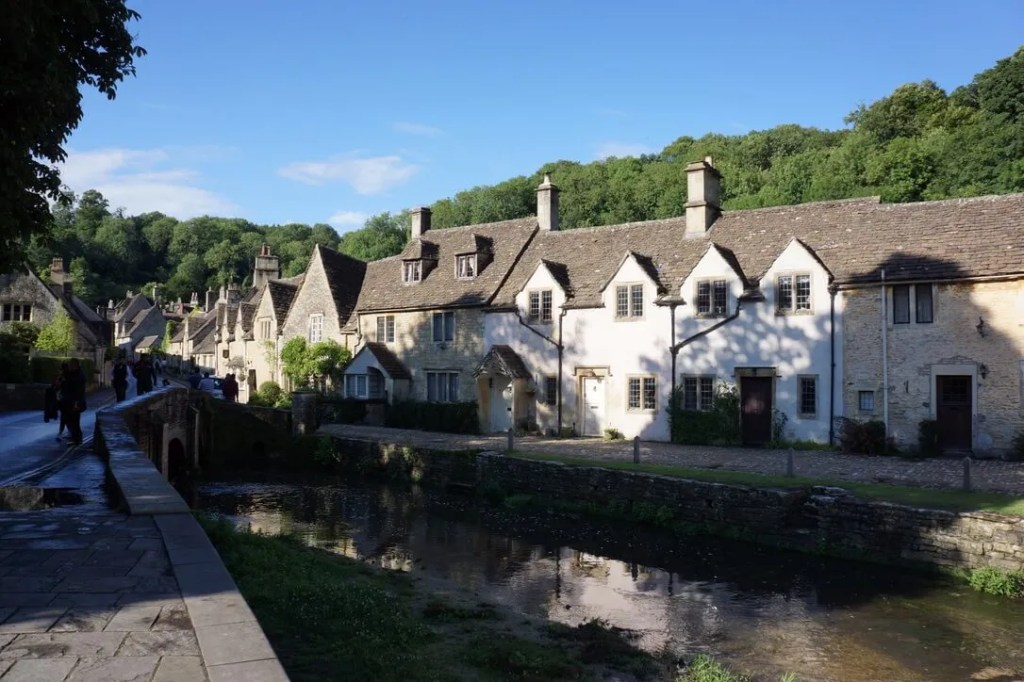
The Cotswolds is understandably one of the most beautiful places in England. Picturesque countryside dotted with quaint villages and historical landmarks is a description that doesn’t even do the place justice. Naturally, that makes this part of England a top destination for romantics, and there are plenty of places to engage in the Cotswolds’ natural beauty and lovely architecture, from Crickley Hill to the remains of Hailes Abbey. Those lovers who enjoy biking or hiking can take the Cotswolds Way to really get the most out of their trip.
Isles of Scilly
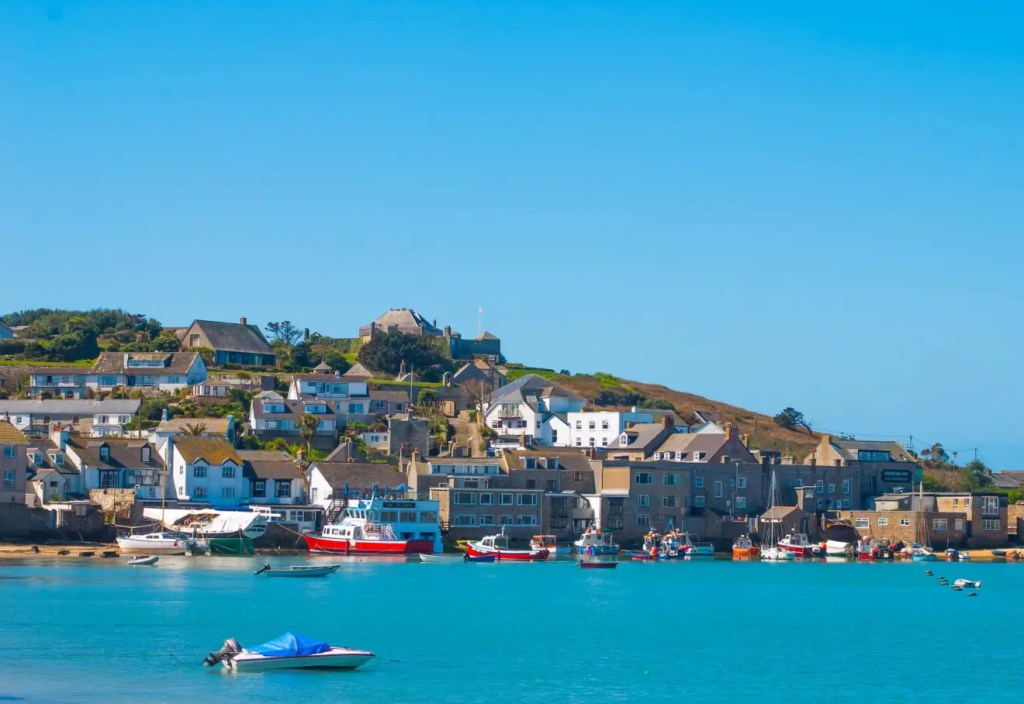
You might think you’re in the wrong hemisphere when visiting the Isles of Scilly off the Cornish coast. This archipelago has the beauty of the Bahamas while being close to the English mainland. It is made up of over 140 uninhabited islands and five inhabited ones, each of which offers plenty of romantic activities and locales for couples to experience. Ancient ruins, beautiful beaches, and adorable creatures dot a landscape that is crisscrossed with nature trails. Spas, shops, distilleries, museums, and more offer plenty for couples to do when they visit this secret jewel of the United Kingdom.
EastEnders is a British television institution that has had a significant impact on the country’s cultural landscape since its debut in 1985. The show, set in the fictional London borough of Walford, has become a household name and a mainstay of British television with its gritty portrayal of working-class life, diverse cast, and willingness to tackle difficult social issues. Over the years, EastEnders has captured the hearts of millions of viewers and has left an indelible mark on British television. It has even found an audience outside of the UK and remains popular in the USA and other former British colonies.
Key Facts
EastEnders is the longest-running soap opera on BBC television, having first aired on February 19, 1985.
The show has had over 6,000 episodes, and its 35th-anniversary episode, which aired in February 2020, was a live one.
The “Who Shot Phil?” storyline in 2001 drew in an audience of over 22 million viewers, making it one of the most-watched television episodes in British history.
Over the years, EastEnders has won numerous awards, including seven BAFTAs and 14 National Television Awards.
The show has introduced several iconic characters over the years, including Dot Cotton, Peggy Mitchell, and Pat Butcher, who have become household names in the UK.
A Brief History of EastEnders
EastEnders is a British soap opera that first aired on the BBC in 1985 and has since become one of the most popular and influential TV shows in the country. Set in the fictional east London borough of Walford, the show follows the lives of a diverse group of characters and has tackled numerous social issues over the years.
The show was created by Julia Smith and Tony Holland, and was originally intended as a rival to the long-running ITV soap Coronation Street. However, EastEnders quickly established itself as a force to be reckoned with, thanks to its gritty, realistic portrayal of life in a working-class London community.
Right from the start, EastEnders was known for its controversial storylines and its willingness to tackle taboo subjects. In the early years, the show dealt with issues such as domestic violence, teenage pregnancy, and racism and was praised for its willingness to address these topics head-on.
Perhaps the most famous storyline in the show’s history was the “Who Shot Phil?” plot, which saw one of the show’s most popular characters, Phil Mitchell, left for dead after being shot. The mystery surrounding the identity of the shooter kept viewers on the edge of their seats for months, and the reveal episode was watched by over 22 million people.
Over the years, EastEnders has continued to push boundaries and tackle difficult issues. In recent years, the show has dealt with subjects such as mental health, homelessness, and knife crime and has been praised for its sensitive and nuanced approach to these topics.
But it’s not just the show’s controversial storylines that have made it such an important part of British culture. EastEnders has also been praised for its diverse cast, which has included actors from a wide range of ethnic and cultural backgrounds. This diversity has helped to make the show more representative of modern Britain and has given a platform to actors who might otherwise struggle to find work in the entertainment industry.
Another key factor in the show’s success has been its ability to capture the spirit of its setting. The fictional borough of Walford is based on the real-life East End of London, and the show’s creators have always been careful to accurately depict the area’s people and culture. From the local pubs to the market stalls, EastEnders has always felt like an authentic portrayal of life in this part of the city.
Stars Who Got Their Start
EastEnders has been a breeding ground for some of the biggest names in British film and television. Over the years, the show has served as a launching pad for many aspiring actors, giving them a platform to showcase their talents and kick-start their careers.
One of the most famous examples is Dame Barbara Windsor, who played the iconic character of Peggy Mitchell on the show. Windsor went on to have a successful career in film and television, appearing in productions such as the Carry-On films and the BBC sitcom Dad’s Army. Other notable EastEnders alumni include Ross Kemp, who played the hardman Grant Mitchell, and Letitia Dean, who played the feisty Sharon Watts. Both Kemp and Dean have gone on to have successful careers in British television, with Kemp hosting documentaries and Dean appearing in shows such as Casualty and Doctors.
Cultural Impact
Perhaps the most important legacy of EastEnders is the way it has brought important social issues into the mainstream. By tackling subjects such as racism, domestic violence, and mental health, the show has helped to raise awareness of these issues and start important conversations. It has also provided a platform for charities and organizations working in these areas to reach a wider audience and has helped to break down some of the stigma surrounding these topics.
It is said that so many people watch EastEnders every day that Britain’s electrical grid has to be managed closely before and after it starts, as the entire nation of viewers will switch on their tea kettles at the same time.
EastEnders is much more than just a TV show. It is a cultural institution that has shaped the way we think about the working-class communities of London, and has helped to raise awareness of important social issues. From its controversial storylines to its diverse cast, the show has always been at the forefront of British culture, and will no doubt continue to be for many years to come.
Places to Visit
You can get a flavor of the East End by visiting London and going on an EastEnders-related tour. The BBC does not currently offer tours of the sets (but they may in the future as Coronation Street, a competing soap, does tours).
There are plenty of places you can visit in London to get a taste of the show’s setting. One of the most iconic locations is the Queen Vic pub, which has been a fixture on the show since its early days. The exterior of the pub is located in the real-life East End neighborhood of Wapping, and fans can visit for a pint and a photo opportunity. Another must-visit location is the Bridge Street market, which has appeared on the show for many years. Located in the real-life neighborhood of Bridge Street, the market is a great place to pick up some fresh produce and soak up the local atmosphere. Other locations worth visiting include the Beale house, the Mitchell house, and the Arches garage, all of which have been featured prominently on the show over the years.
Further Research
“EastEnders: 20 Years In Albert Square” by Rupert Smith
“The EastEnders Handbook” by Hilary Kingsley
“EastEnders: The Inside Story” by Emily Herbert
“EastEnders Who’s Who” by Kate Lock
“EastEnders: The First 10 Years” by Colin Brake
“EastEnders: The Inside Story” by Julia Smith and Tony Holland
“EastEnders: The Unofficial Companion” by Tony Holland and Julia Smith
“EastEnders: The Inside Story” by Sharon Marshall
“EastEnders: The Official Handbook” by David Stafford
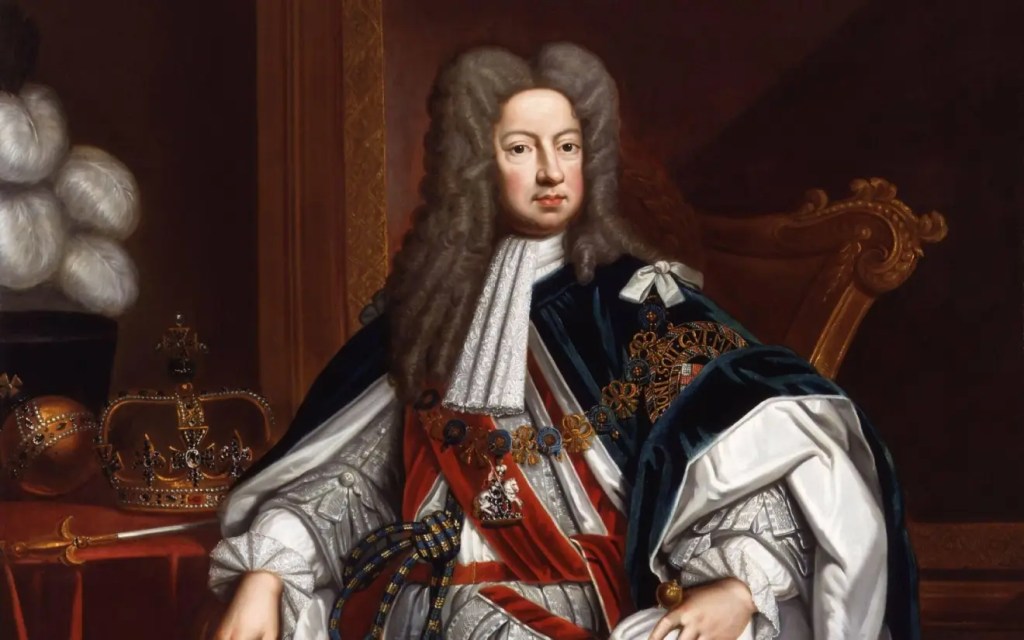
King George I was the first of the Hanoverian monarchs who ruled over Britain from 1714 to 1727. He was born in Hanover, Germany, on May 28, 1660, and was the eldest son of Ernest Augustus, Elector of Hanover, and Sophia of the Palatinate. It marked the beginning of the Georgian era in Britain, which would have lasting effects on Britain, its role in the world, and eventually implications for the American colonies. In this article, we will take a closer look at the life, reign, and legacy of this significant historical figure.
Key Facts
George I was not born in Great Britain, but in Hanover, Germany, and he was the first monarch of the House of Hanover to rule over Britain.
He was not fluent in English when he arrived in Britain, and he relied heavily on his ministers to conduct state affairs.
George I was not particularly interested in British politics and preferred to spend his time in Hanover, where he was still the Elector.
During his reign, the Whig political party emerged as the dominant force in British politics, and the Tories lost much of their influence.
George I’s reign saw the emergence of the British Empire as a major global power, laying the groundwork for the growth of British influence in the Americas, Africa, and Asia.
Early Life and Career
As a young man, George I served in the army of the Holy Roman Empire and fought in the War of the Spanish Succession. He was not originally in line to inherit the throne of Great Britain, but after Queen Anne died childless, the Act of Settlement 1701 established him as the next in line.
George I arrived in London on September 18, 1714, and was crowned king on October 20 of that year. However, he was not particularly interested in British politics and was more focused on his responsibilities as Elector of Hanover. As a result, he left much of the decision-making in England to his ministers.
Reign
One of the most significant events of George I’s reign was the Jacobite Rising of 1715, which was an attempt to overthrow him and put James Stuart, the son of James II, back on the throne. The rebellion was ultimately unsuccessful, but it did highlight the ongoing tensions between the supporters of the Stuarts and the Hanoverians.
Another important development during the reign of George I was the emergence of the Whig political party as the dominant force in British politics. The Whigs were generally more supportive of the monarchy and more tolerant of religious dissent than their Tory counterparts, which made them the natural allies of the Hanoverians.
In terms of foreign policy, George I was primarily concerned with maintaining peace in Europe. He supported the Quadruple Alliance, which was a coalition of Britain, France, Austria, and the Netherlands that sought to maintain the balance of power on the continent.
Legacy
Although George I was not a particularly popular or influential monarch, his reign did have some significant long-term effects on British politics and society. Perhaps the most notable of these was the emergence of a two-party system, with the Whigs and Tories vying for power in Parliament.
Additionally, the Hanoverian succession helped to solidify the Protestant character of the British monarchy and the British state. This was particularly important given the ongoing tensions between Protestants and Catholics in Europe at the time.
George I’s reign also saw the emergence of the British Empire as a major global power. Although he was not directly involved in many of the early colonial ventures, his support for the Whigs and their pro-imperial policies helped to lay the groundwork for the growth of British influence in the Americas, Africa, and Asia.
King George I was an important historical figure who played a significant role in the development of Britain and Europe during the early 18th century. Although he was not a particularly charismatic or influential monarch, his reign saw the emergence of a new political order and helped to lay the groundwork for the growth of the British Empire. Despite his relative lack of popularity, his legacy continues to be felt in Britain and around the world to this day. One could say his most important legacy was his son and grandson, who became George II and George III, respectively, one of the longest reigns in British history.
Movies and TV Shows Featuring George I
On screen, George I of Great Britain has been portrayed by Peter Bull in the 1948 film Saraband for Dead Lovers, Eric Pohlmann in the 1953 film Rob Roy, the Highland Rogue, Otto Waldis in the 1954 film The Iron Glove, and Steve Plytas in an episode of the Granada Television series Rogues’ Gallery entitled “A Bed-Full of Miracles” (1969). George was also featured in the book Isle of Fire by Wayne Thomas Batson.
Further Research
George I: The Lucky King by Tim Blanning
King George I by Ragnhild Hatton
The Hanoverians: The History of a Dynasty by Jeremy Black
George I: Elector and King by R. H. Nichols
The First Georgians: The Kings Who Made Britain by Lucy Worsley
George I: The German Connection by Michael De-la-Noy
George I: The English Monarch by Stephen Taylor
The Reign of George I, 1714-1727 by Basil Williams
George I: The Forgotten Monarch by Gerard Kilroy
Hanover and the British Empire, 1700-1837 by Brendan Simms.
Locations Related to George I
Hanover, Germany – George I was born here in 1660 and spent much of his life as Elector of Hanover before becoming King of Great Britain.
London, England – George I arrived in London in 1714 and was crowned king later that year. He spent much of his time in England as king.
Oxfordshire, England – In 1716, George I visited Oxfordshire and stayed at the palace of Woodstock.
Scotland – The Jacobite Rising of 1715 was centered in Scotland and was an attempt to overthrow George I and restore the Stuart dynasty to the throne.
The Netherlands – George I was a supporter of the Quadruple Alliance, which was a coalition of Britain, France, Austria, and the Netherlands that sought to maintain the balance of power in Europe.
Bread is a staple for nearly every meal, be it pancakes for breakfast or a roll to go with dinner. Every culture around the world bakes its own unique type of bread, and sometimes, recipes for a particular baked good can vary between regions. Such is the case with British bread as numerous styles can be found all over the country and regional favorites. We’ve identified five great British breads we think you should try, and since this list is not an exhaustive one, you can share your own favorites with us in the comments.
English Muffin
Normally known as simply a muffin or a breakfast muffin, the English muffin is a breakfast staple in many parts of the world. These muffins can be found easily at the grocery store, restaurants, or even McDonald’s. English muffins are a flattened, yeast-leaven style bread that is often sourdough, though that’s not the only recipe. Most folks slice them horizontally and put either a sweet spread or something savory, like cheese or ham, in between the slices. English muffins are also a key ingredient of eggs benedict. Additionally, if you’ve ever sung the nursery rhyme “The Muffin Man,” these are the type of muffins that the song mentions.
Crumpet
Another great breakfast bread is the crumpet. The crumpet is a griddle bread that is unsweet and either originated in Wales or with the Anglo-Saxons. The name may have well originated with the Old English word cromphet or the Welsh word crempog (the latter being a Welsh pancake), though some places refer to this style of bread as picklets. Despite being the same size, what helps to distinguish the crumpet from a muffin is that the former is made with batter while the latter is dough. The crumpet doesn’t have as much of a following outside of the UK, however, but there are regional changes made to the recipe in Scotland and Ireland.
Milk Bread
Milk bread might look like a traditional loaf, but that’s where the similarities end. What makes this type of British bread different from its contemporaries is that it’s made with milk rather than water. The final appearance of a loaf of milk bread can vary based on the cooking method or the bread pan used from having an S-shape to ridges to looking like several small loaves attached to one another. The origins aren’t quite settled, with some legends stating it was created by British baker Robert Clarke in Japan in 1862, but milk bread tends to be especially popular in Blackpool, and Warburtons has offered milk rolls for sale since 1969.
Welsh Cake
Looking very similar to an English muffin or a crumpet, a Welsh cake is much sweeter than its savory English counterparts. Welsh cakes are normally made on a baking stone or a griddle, the latter of which has also lent them the name “griddle cakes.” They’re normally made with flour, butter, black or red currants, eggs, milk, and spices such as cinnamon and nutmeg and can be served warm or cold and with a dusting of sugar. Despite being pretty sweet and savory already, plenty of people enjoy adding butter or jam to them.
Bap
Our final breakfast bread entry into this list is the bap. The bap is essentially a bread roll that can either be eaten on its own or as the bread for a sandwich (be it for breakfast or any other meal). Baps are traditionally made with milk, lard, and butter, which makes them the perfect companion for a fry-up. Just about every country within the United Kingdomhas its own variation, including the Belfast bap and the Scottish bap. No matter how you choose to eat it or with whatever you put between a sliced bap, you’re bound to have a great start to your day.
Editor’s Note: This marks the beginning of a new series of articles on England’s Monarchs through history. Our goal is to have an article about every single one. We have just over half done so far.
Henry III was one of the longest-reigning monarchs in English history, reigning from 1216 to 1272. His rule was marked by political turmoil, religious conflict, and economic hardship, but it also saw significant cultural and artistic achievements. Henry III was known for his patronage of the arts, particularly architecture, and he oversaw the construction of several notable buildings, including Westminster Abbey and the rebuilt Westminster Palace. Despite his many accomplishments, Henry III’s reign was also marked by challenges to his authority, including a series of baronial rebellions that threatened to undermine his rule and reshape English governance.
Key Facts about Henry III
Henry III was only nine years old when he became king of England in 1216, following the death of his father, King John.
He was the first English king to use the title “Dominus Hiberniae” (Lord of Ireland), which was granted to him by the Pope in 1254.
Henry III was a devout Christian and made several pilgrimages to holy sites throughout his reign, including to Santiago de Compostela in Spain.
He was a prolific builder, and his patronage of architecture led to the construction of many significant buildings, including the famous Westminster Abbey.
Henry III’s reign saw the first use of the term “parliament” to refer to the English council of nobles and clergy who advised the king.
A Brief Look at the Life of Henry III
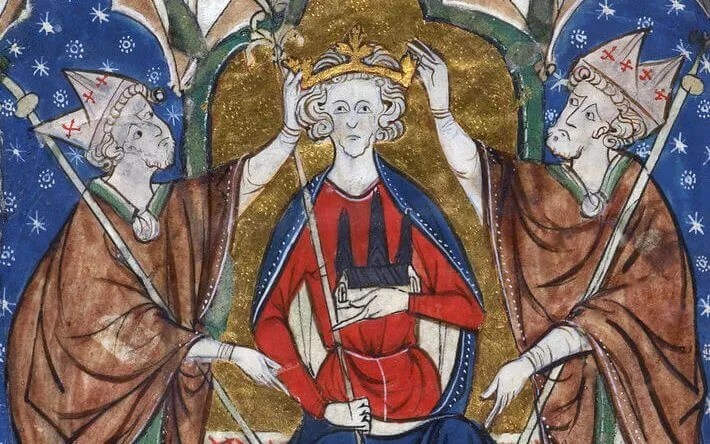
Henry III was born on October 1, 1207, in Winchester, England, to King John and Isabella of Angouleme. His father’s reign had been marked by political turmoil, including a conflict with the English barons that led to the signing of the Magna Carta in 1215. Following King John’s death in October 1216, nine-year-old Henry III was crowned king of England.
During the early years of his reign, Henry III faced a series of challenges to his authority. One of the most significant of these was the threat of invasion by Prince Louis of France, who had been invited to England by the rebellious barons. In 1217, however, the English forces, led by William Marshal, defeated the French at the Battle of Lincoln, securing Henry III’s position as king.
For much of his reign, Henry III struggled to maintain control over his realm, particularly in the face of the powerful barons who held significant political and military power. In 1258, a group of barons led by Simon de Montfort formed a council that effectively governed England for the next two years. This period, known as the “Provisions of Oxford,” saw significant reforms to English governance, including the establishment of a council of nobles and clergy that would advise the king.
However, Henry III’s reign was not entirely marked by political turmoil. He was a devout Christian and made several pilgrimages to holy sites throughout his reign, including to Santiago de Compostela in Spain. He was also a prolific builder, and his patronage of architecture led to the construction of many significant buildings, including the famous Westminster Abbey.
One of Henry III’s most significant achievements was his patronage of the arts, particularly architecture. He oversaw the construction of several notable buildings, including Westminster Abbey and the rebuilt Westminster Palace. He was also a significant patron of the arts; commissioning works from some of the most prominent medieval artists of his time.
Winchester Hall
Henry III’s reign saw the first use of the term “parliament” to refer to the English council of nobles and clergy who advised the king. While the precise origins of the English parliament are unclear, it is generally agreed that it evolved from the council of advisors that surrounded the king.
One of the key figures of Henry III’s reign was Simon de Montfort, who led the baronial rebellion that challenged the king’s authority in the mid-13th century. De Montfort was a formidable military leader and a skilled politician, and his rebellion led to significant changes in English governance. However, he was eventually defeated by the king’s forces at the Battle of Evesham in 1265.
Another key figure of Henry III’s reign was William Marshal, who played a significant role in securing the young king’s position following his father’s death. Marshal was a skilled military leader and a trusted advisor to the king, and he played a key role in several of the major conflicts of the early years of Henry III’s reign.
Overall, Henry III’s reign was marked by both significant achievements and significant challenges. His patronage of the arts and architecture left a lasting legacy, while his struggles to maintain control over his realm highlighted the complex political landscape of medieval England. Despite the challenges he faced, however, Henry III’s reign played a significant role in shaping the history of England and its monarchy.
Legacy of Henry III
Henry III’s reign was marked by both significant achievements and challenges. His patronage of the arts and architecture left a lasting legacy that you can still see in England’s built landscape, while his struggles to maintain control over his realm highlighted the complex political landscape of medieval England. His rule also saw the first use of the term “parliament” to refer to the English council of nobles and clergy who advised the king. Although Henry III faced many challenges to his authority, his reign laid the foundation for the development of the English monarchy and the growth of parliamentary governance in the centuries to come. His reign also saw significant cultural and artistic achievements, which helped to shape the identity of England as a nation and a center of European culture.
Cultural Depictions of Henry III
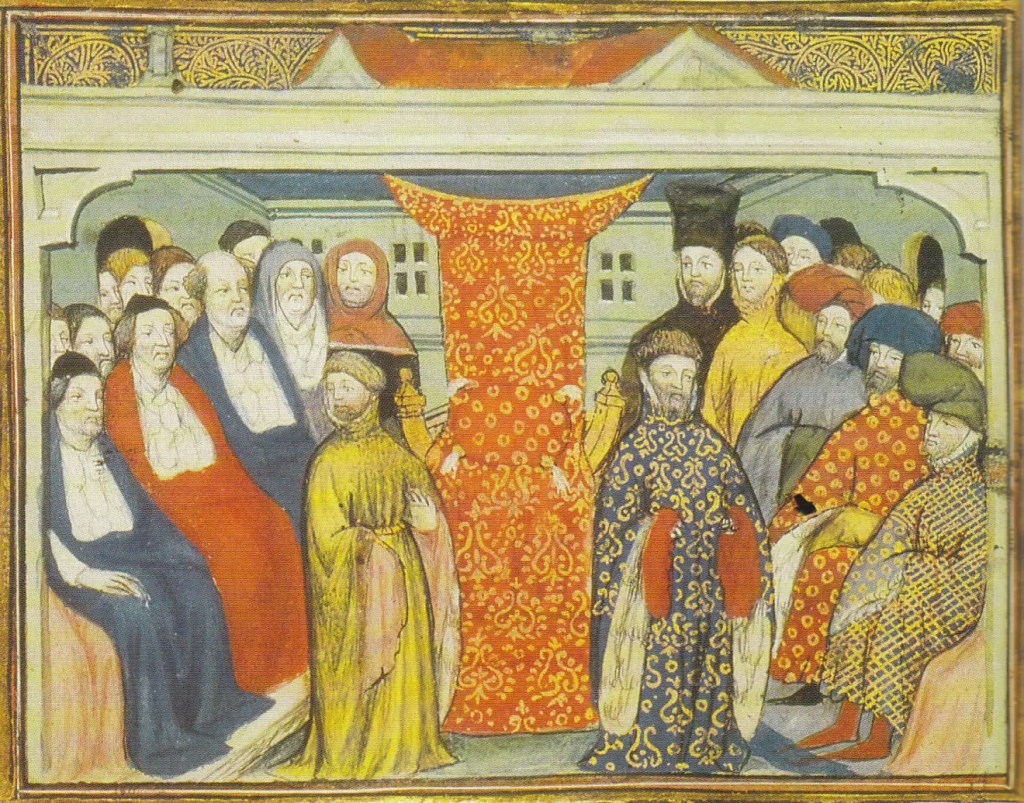
Henry is a character in Purgatorio, the second part of Dante’s Divine Comedy, which was completed in 1320. In the book, the King is portrayed sitting alone in purgatory, separated from other failed rulers such as Rudolf I of Germany, Ottokar II of Bohemia, Philip III of France, Henry I of Navarre, as well as Charles I of Naples and Peter III of Aragon. It is unclear why Dante depicted Henry sitting separately, but it could be a reference to England not being part of the Holy Roman Empire. Another possibility is that Dante had a favorable opinion of Henry, due to his unusual piety. In the same work, Canto VII. 132, Dante also salutes Henry’s son, Edward.
In William Shakespeare’s play King John, Henry appears as a minor character referred to as Prince Henry. However, in modern popular culture, Henry has a minimal presence and has not been a prominent subject of films, theatre, or television. Several historical novels feature him as a character, including Longsword, Earl of Salisbury: An Historical Romance (1762) by Thomas Leland, The Red Saint (1909) by Warwick Deeping, The Outlaw of Torn (1927) by Edgar Rice Burroughs, The De Montfort Legacy (1973) by Pamela Bennetts, The Queen from Provence (1979) by Jean Plaidy, The Marriage of Meggotta (1979) by Edith Pargeter, and Falls the Shadow (1988) by Sharon Kay Penman.
Further Research
Henry III: The Rise to Power and Personal Rule, 1207-1258 (Volume 1) (The English Monarchs Series)
Henry III: Reform, Rebellion, Civil War, Settlement, 1259-1272 (Volume 2) (The English Monarchs Series)
Henry III Paperback by Darren Baker
Henry III (Penguin Monarchs): A Simple and God-Fearing King by Stephen Church
Locations Related to Henry III
Born at Winchester Castle
The Great Hall at Winchester Castle (built by Henry)
Crowned in Gloucester Cathedral (with a second coronation at Westminster Abbey later)




 London visitor