
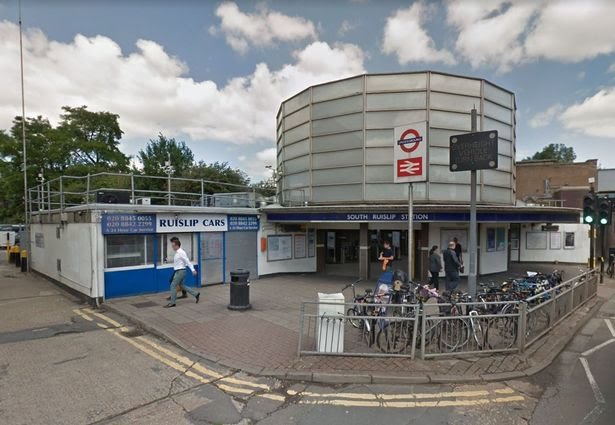
21) Take a running jump at Ruislip
You’ll never guess this one. Ruislip was recorded in the Domesday Book in 1086 and comes from the Old English ‘ryse’ meaning ‘rush’ and ‘hlype’ meaning ‘leap’. Historians reckon it was named after a place where the River Pinn was so narrow you could literally do a running jump over it. Wahoooo!
22) Seven stunning sisters
Not massive imaginative, but this place took its name after seven Elm trees that stood in the area
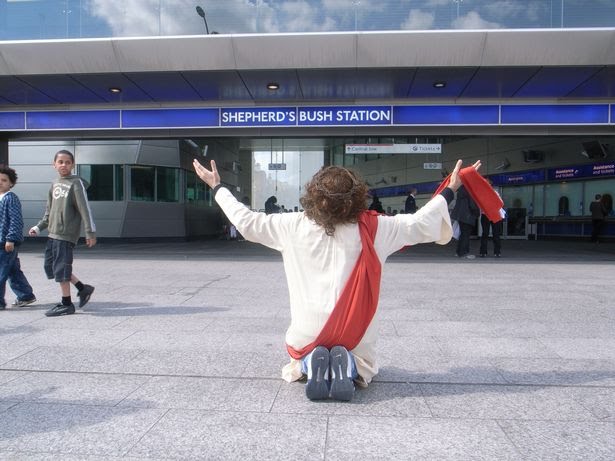
23) Shepherds in the Bush
As you might expect, this London mainstay probably took its name from the shepherds who once used the area to graze their sheep. Or it’s possible it was simply named after a person called Shepherd.
Quite what the shepherds were doing hiding in a bush we’d love to know as that could make the story a lot more interesting.
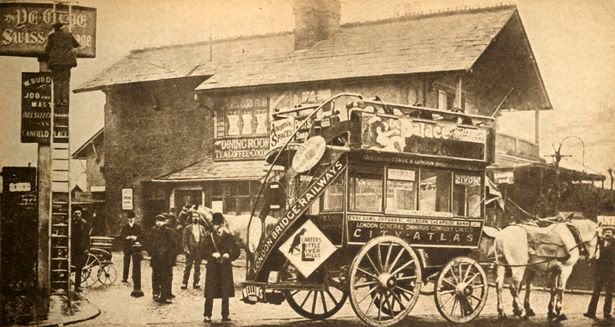
24) A nice bit of Swhistory
With a lovely international tone to it, this name comes from an old toll keeper’s cottage that once stood on the site. This was later turned into a pub built in the style of an actual Swiss cottage called Ye Olde Swiss Tavern, later changed to The Swiss Cottage. The pub was rebuilt in 1965 and at one point claimed to be the largest pub in London…
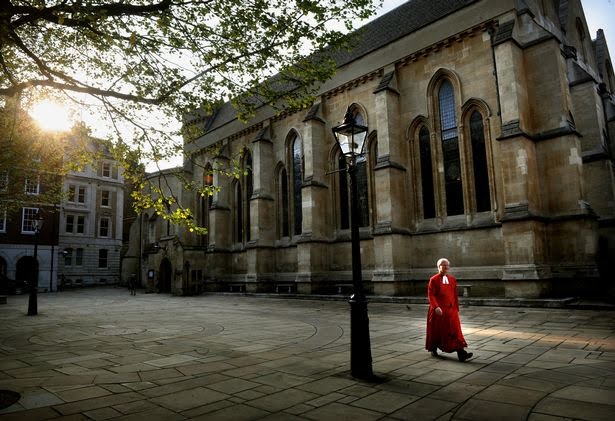
25) Keeping the faith at Temple
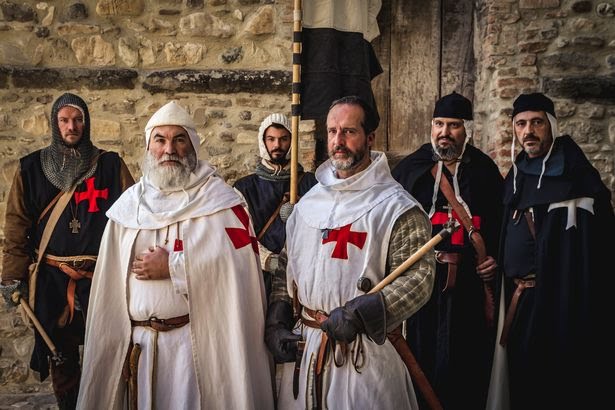
Temple is one of the most historic of London station names. It comes from the station that was built on land once owned by the Knight’s Templar, an almost mythical band of medieval fighting monks.
The order was known for it’s fiercely disciplined warriors and it was formed in Jerusalem with the purpose of protecting Christians who wanted to visit Jerusalem.
This was necessary because the city was surrounded by hostile Arabic tribes who seemed to enjoy attacking Christian pilgrims and cutting them to pieces.
The Templars fought numerous bloody battles against forces led by great Islamic leaders such as Saladdin and built up huge amounts of wealth in the process. They became advisors and bankers to kings and queens around the word and set up «Temples» or headquarters everywhere, including the Temple Church.
This incredible church which still stands just up the hill from the Thames, still contains the ghostly graves of many medieval knights and is well worth a visit. It was modelled in the Holy Sepulchre, the church where Christ was said to have been laid to rest in Jerusalem.
The place is also a reminder of what happens to people who get too rich and powerful. The Templars were eventually rounded up as heretics by jealous kings and popes and many were executed and had their lands and wealth confiscated. Maybe a message not to worship at the temple of fame and fortune.
26) Sound your horn and ‘look out’ at Tooting
There has been a town in the Tooting area since pre-Saxon times flourishing along the old Roman road between London and Chichester. Some very clever people argue about the true origin of the name Tooting with some believing it to be referring to the Tota people who could have lived in the area.
It also could have come from the old meaning of the verb ‘tout’, to ‘look out’. There may have been a look-out post here overseeing this important route into London.
27) Not quite Oxbridge at Uxbridge
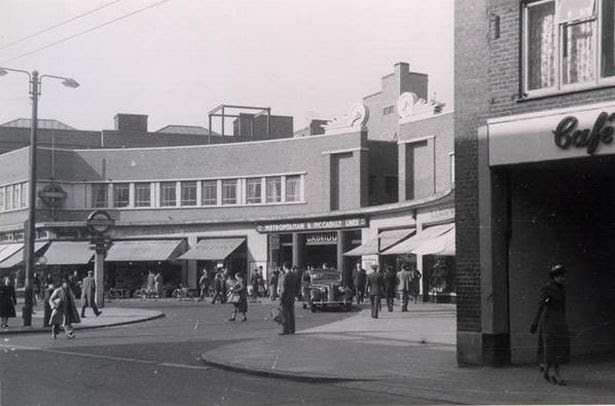
This names comes from the term ‘Wixan’ — a seventh century tribe who lived near here. The name became abbreviated to Ux. The bridge part comes from a very ancient bridge over the river Colne which stood here. The name was first recorded as Uxbridge in 1398.
The local would probably like it to be Oxbridge but never mind.
28) Grandad’s car at Vauxhall 
No it’s not named after your grandad’s car!
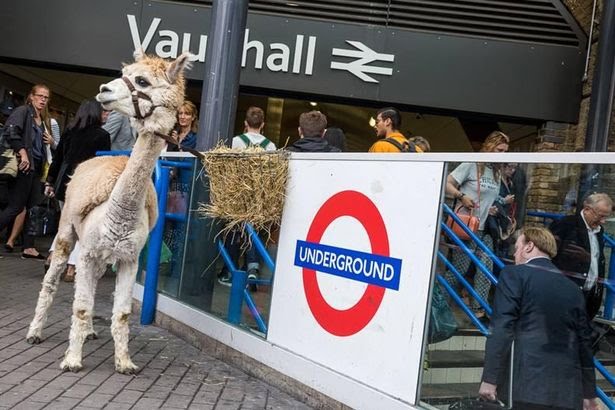
It’s thought this strange French-sounding name came from that of a Norman Lord, Falkes de Breaute who inherited a piece of land here that became known as Faukeshale — as in ‘Falkes Hall’. The place later became known as Fox Hill until eventually being labelled Vauxhall.
 London visitor