
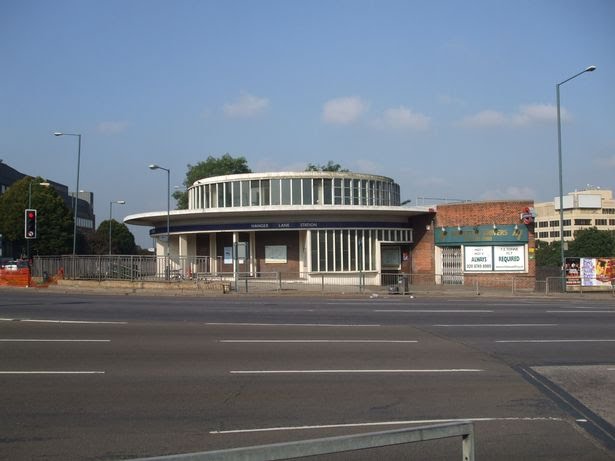
11) The roundabout from hell at Hanger Lane
This one sounds like a truly grim place! It kind of suggests a dark and grizzly zone where people were literally hung up to die in times gone by.
In reality it’s not quite that bad, but the fact the station sits right next to the ridiculously busy and polluted Hanger Lane gyratory means it could easily be described as a living hell.
In truth it takes its name from the Old English word ‘hangra’ which meant ‘a wooded hill with steep slopes’.
A wood known as ‘le Hanrewode’ was recorded here in 1393 and the place was later called ‘Hanger Hill’ before it was later changed to ‘Lane’.
Nowadays there’s not a wood in sight and you’ll be lucky not to come away with permanent lung damage if you venture to this truly awful roundabout.
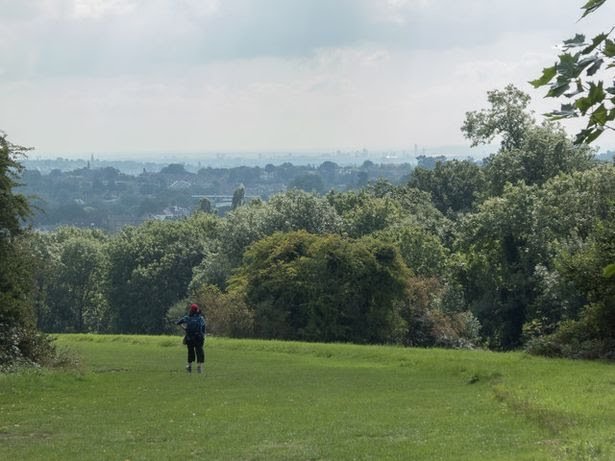
12) Climate catastrophe at High Barnet
A place that’s very high up? A place where people are very happy or taking illegal drugs?
In fact the ‘high’ part of the name does refer to it being literally high up geographically. But the ‘Barnet’ part is much more interesting. It comes from the Old English, baernet which meant ‘a place cleared by burning’.
So presumably at some point people burnt down the forest here to create space for their homes and farms.
Nothing changes does it!
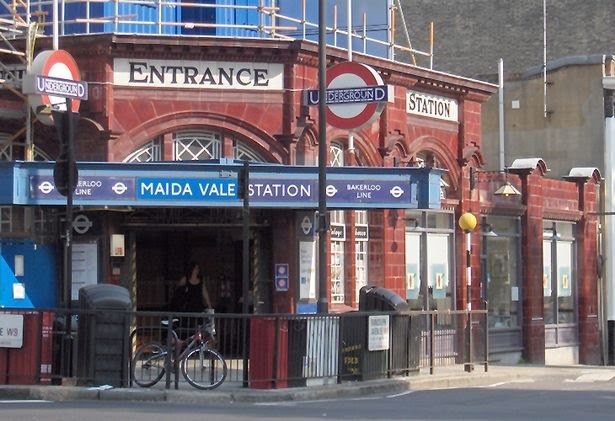
13) An Italian job at Maida Vale
I’ve always thought this was a strange one when I’ve heard it over the loudspeakers. It just doesn’t sound very English.
Well it turns that that’s because it’s not. Maida comes from the name of a town in Italy where the British military general Sir John Stuart defeated the French in 1806. He was made Count of Maida after the victorious battle.
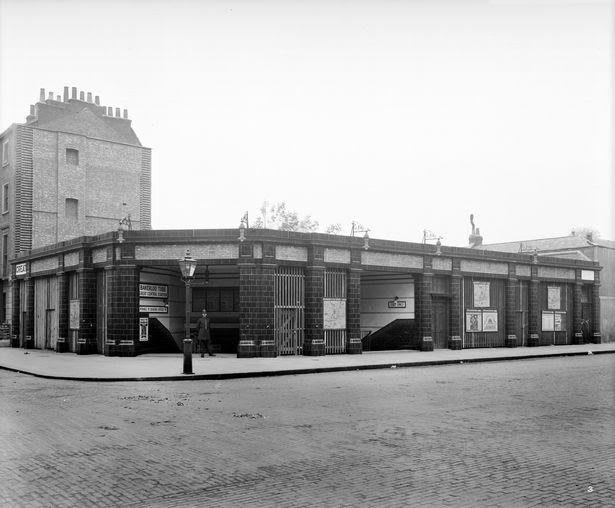
14) A holy place at Marylebone
Named after a church dedicated to St Mary nearby and the small stream or ‘bourne’ on which the building sat, the area became known as St Mary at the Bourne.
This slowly got boiled down to Marylebone. Somehow that’s now pronounced something like ‘Marrleebone’. Go figure. It is commonly and incorrectly thought to be a corruption of Marie la Bonne (French for Mary the good).

15) Cornflakes for breakfast at Mornington Crescent
This one sounds like it should be a breakfast cereal, or perhaps a Communist Party newspaper! Actually it just comes from the name of Anne Mornington, the sister of the famous Duke of Wellington. She was the sister-in-law of Ferdinand, Lord Southampton, who began building the station in 1821.
16) A nosy neighbour at Neasden
This truly is a weird one. It comes from the Old English, ‘naess’ meaning ‘nose’ and ‘dun’ meaning ‘hill’. So you’ve guessed it, it means ‘nose-shaped hill’. The name was of course used to describe a hill which was shaped rather like a nose in the area.
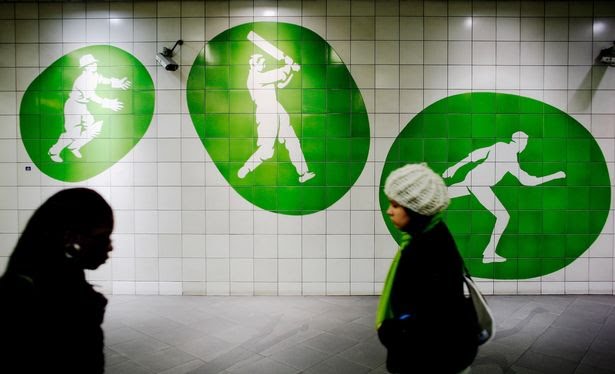
17) Completely stumped at Oval
Oval of course takes its name from the oval shape of Surrey Country Cricket Club’s ground which is nearby. It really is that simple. Maybe if it was a circle the England team might do a bit better there?
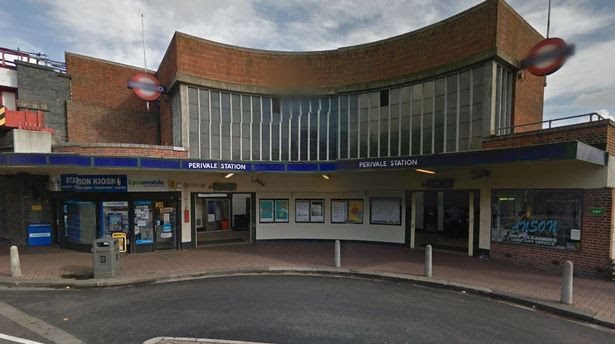
18) A fruit one at Perivale
This is definitely a fruity one. Perivale comes from the Middle English name ‘Perie’ which meant pear. Colourfully it means the «valley of the pear trees». This was the name of a nearby meadow called Purevale. It’s actually still got some nice green parks nearby but it’s spoilt by the horrendously busy A40 which runs right through it.
It’s pretty hard to imagine the name applying to it these days.
19) Pubtastic Pimlico
Named after a well-known inkeeper, Ben Pimlico, whose Hoxton pub was named after him in the late 16th century.
20) A popular guy at Pinner
Named after a mythical seamstress perhaps? Wrong! In fact the name comes from a personal name, ‘Pin’ or ‘Pinna’ combined wit the Old English name ‘Ora’ meaning ‘bank, edge or slope’. This refers to the steeply sloped street that to this day runs up from the River Pinn to the church. So it literally means ‘The slope to Pinna’s Place’. Who Pinna was and why he/she was well known is not known, but they must have been someone pretty popular to get the lace named after them…or someone notorious perhaps.
 London visitor