
Okay we know that generations of Londoners have sniggered hand-over-mouth when the name Cockfosters comes over the tannoy at a Tube station.
Hilarious of course!
But it’s far from the only London Tube station with a name that needs some explaining.
Dotted all across London are stations with names that make us crack up laughing, conjure up weird and wonderful imaginary places or just sound plain stupid.
In this story we’ve picked out 28 of the most bizarre-sounding names to tell you what they actually mean — including a couple that are pretty insulting to redheads.
1) Sniggering schoolboys at Cockfosters
I’m sure all of us have sat on a Tube train and giggled ourselves silly when the Piccadilly Line station Cockfosters comes over the loudspeaker. One mention of the word «c**k» and we all go crazy. What does that say about the human race eh?
But why did this station have such a hysterical name?
It’s in fact possible that it simply comes from the name of a house that once stood here that was named ‘Cockfosters’. It’s been suggested this was named after a man who was in charge of foresters, ie ‘cock’ or ‘chief’ forester.
But please don’t take it literally and go and call your boss a c**k as it’s obviously a somewhat outdated term!
2) Itchy monks at Blackfriars
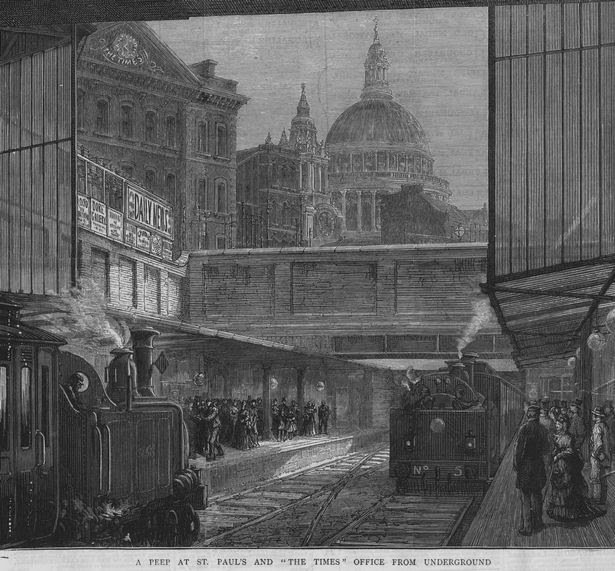
It’s easy to think these days that this station might have some politically incorrect racial connotation and should have its name wiped from the map. But not so. Blackfriars is in fact named after the black habits or garments worn by monks at a medieval monastery that once stood nearby.
These groovy monks were known as Black Friars because of the colour of their woollen garments — which let’s be honest must have been pretty itchy to wear in all the wrong places.
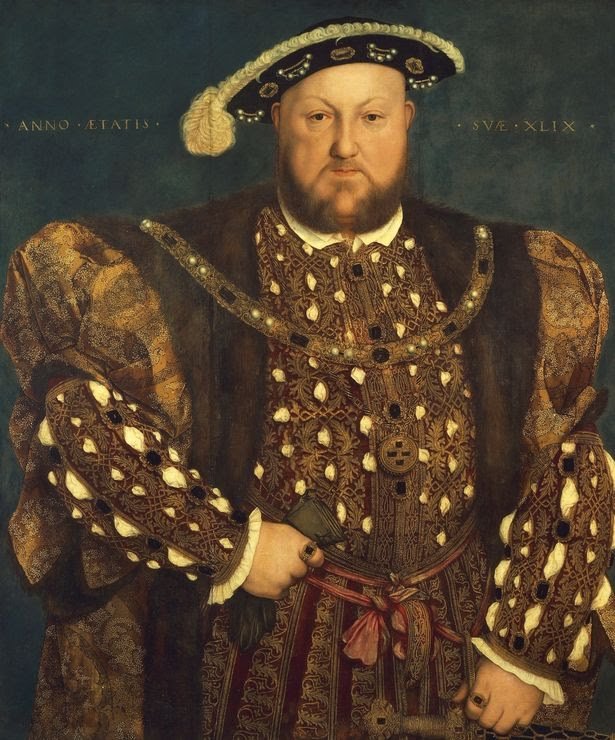
The monastery was founded in the 13th century but was quickly shut down by the greedy Henry VIII who plundered the monasteries for their wealth. His rather nasty officers stole everything from books to bed sheets, relics to roof tiles and sold off the lands and buildings they took over in a massive money-grabbing exercise.
It was all so he could pay to go to war in France and sit looking grossly fat and ridiculous on his horse.
Interestingly the monastery itself was positioned on the bank of the lost River Fleet which now runs underground but was once an important waterway in the city.
Many important occasions took place at Blackfriars including — most famously — the court hearing when Henry VIII wanted to dump his first wife Catherine of Aragon.
Later it became a theatre and Shakespeare part-owned it. But it’s a great name for a station so a big hats off to the monks for putting up with those itchy robes.
3) Billowing smoke at Burnt Oak
Why on earth would a station be named after a burnt out tree?
I mean you don’t get trees underground do you?
So it seems that way back in history the area where the station now is, was a place where fires were lit to mark the boundary between different places.
Maybe it was to warn off invaders from daring to approach?
It’s possible this was done in Roman times. Perhaps they were signal fires lit by soldiers patrolling the area. This makes sense as it was once on the edge of what was the Roman road of Watling Street.
4) All dolled up at Dollis Hill
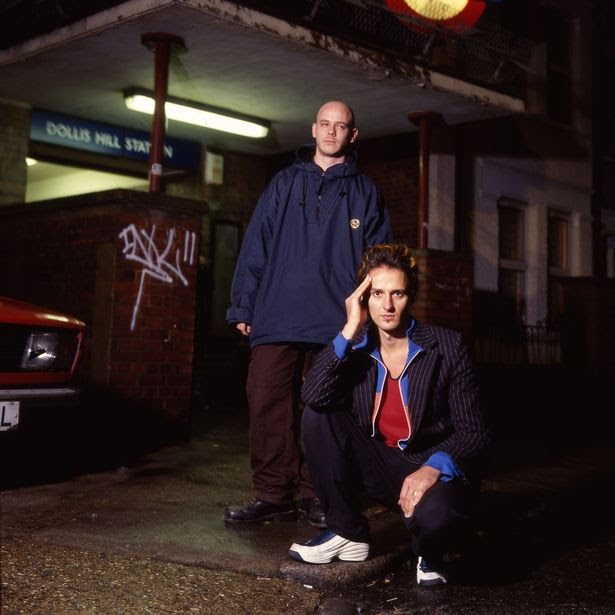
This one always makes me wonder when I glide by it on a Tube train. Is it something to do with a dolls house? Is this some kind of bizarre miniature village?
Apparently the place was recorded as Daleson Hill as early as 1593. It was later known as Dolly’s Hill. But whether there was a famous toy shop here making dolls or a dolls house maker or something similar, we can but speculate.
It seems more likely the name is something to do with ‘Dalley’ — the name of a family who lived nearby. This may have converged with the name of the nearby piece of water known as Dollis Brook — so the two names may have come together to form Dollis Hill.
Much later a manor house stood in the area called Dollis Hill House. This was built in the early 19th century and was frequently visited by the one time Prime Minister, Gladstone when Lord Aberdeen owned it.
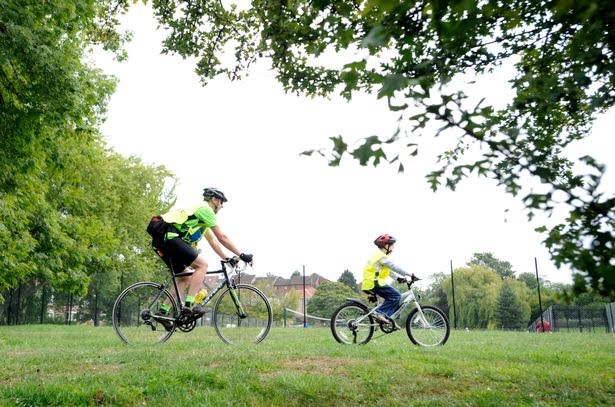
What is now Gladstone Park formed the grounds of the manor house. As recorded by the Hidden London website, Mark Twain spent the summer here in 1900, writing that: “From the house you can see little but spacious stretches of hay-fields and green turf … Yet the massed, brick blocks of London are reachable in three minutes on a horse.”
How different he would find it now!.
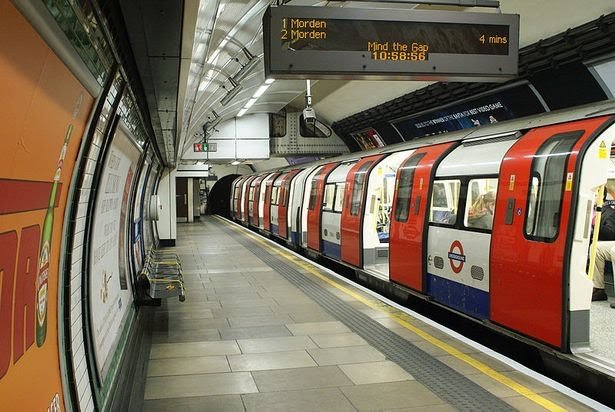
5) A forking good name at — Elephant and Castle
Surely one of London’s most truly bizarre station names, this one conjures up all sorts of grand images of Eastern warriors riding elephants and knights in shining armour.
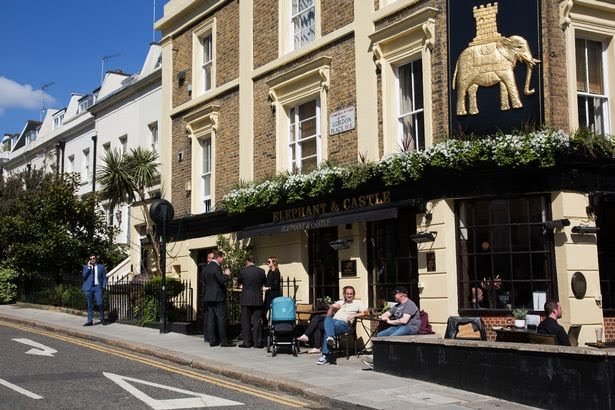
It was actually named after an old pub called Elephant & Castle which once upon a time stood nearby.
The pub had an amazing gilt model of an elephant and a castle on its front which was preserved when the tavern was demolished in 1959.
Way before that though, it’s thought the Elephant and Castle name actually originated from the badge of the cutler’s company, a guild or union of London cutlers — yes people who literally made knives, forks and spoons for a living.
These likely lads once decided to get all dolled up and paint elephant badges on their shields when they attended the Royal Wedding of King Henry VI and Queen Margaret during the 15th century.
The badge was probably used due to the ivory that the cutlers used from elephant tusks to make their cutlery.
The present day Elephant & Castle pub stands a short distance away from the old site.
6) Heading for the chop at Fairlop
This strange name seems to suggest having a good go at chopping something down — or giving it a ‘fair lop’ or is that just me?
Actually I’m not too far off. A legend surrounds this place. Apparently once an oak tree stood here which sheltered a popular fair founded by a certain Daniel Day.
When Daniel died in 1767, his friends decided to make his coffin from the wood of the tree. But even though they had lopped a lot of wood off the tree, it somehow continued to grow, so they made the conclusion they had made a ‘fair lop’.
How true this is is questionable, but the name certainly does come from a fair that was held in the area and the ‘lop’ bit comes from the name of a branch or twig. It probably came to refer to a description of the beautiful trees standing in the area.
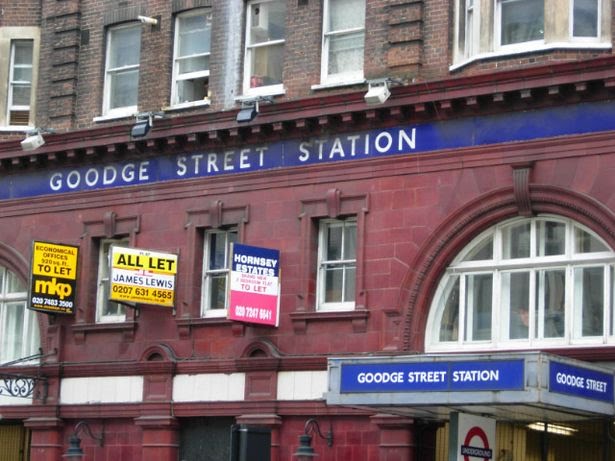
7) Taking the p**s at — Goodge Street
This name seems to conjure up sticky images of gloopy mud or glue for some reason in my head. Again I’ve never actually stopped there on the Tube as it seems like the kind of place you could get stuck…
In reality, the area was once called ‘crab tree field’.
It belonged to a widow named Mrs Beresford who married a carpenter called John Goodge in 1718. When the street was built, the name was taken from their descendants William and Francis Goodge, who then owned the site.
More interestingly though, according to the Forebears website, the name Goodge actually comes from the original meaning ‘the son of Guch’ so would have applied to the son or daughter of a person called Guch.
Guch itself is a very old name and has developed in different variations including Gooch, Gouch and Gough. According to the surnameBD.com website it has two possible origins, both ultimately Gaelic or Celtic.
This is where it gets interesting. It may derive from the Gaelic or Celtic word ‘coch’ an old Gaelic Welsh word for ‘red’ which was used as a pretty nasty insult against people with red hair, specifically the Saxons who had invaded Britain in the 5th century.
So basically by calling someone a ‘coch’, you were slagging off the people with red hair who had turned up and invaded your country.
It’s probably the reason why the insult ‘c**k’ has developed into such an insult these days. So think twice if you use it, especially if you’re talking to a redhead!
8) Scandinavian style at Gunnersbury
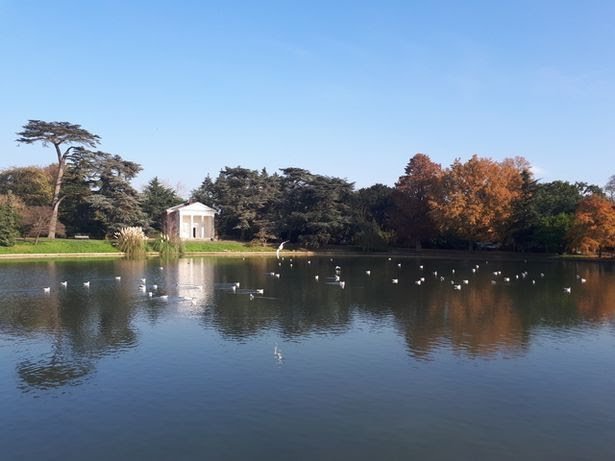
This name conjures up images of war and the military. It’s actually a really nice place to stop as it’s right next to the lovely Gunnersbury Park — a beautiful old mansion surrounded by wonderful grounds which make a great day out.
It’s a lovely place in summer with lakes, ponds, old ruins and a brilliant museum.
The meaning may come from the legend that Gunhilda, the daughter of the Danish King Canute, who once lived here. He was the guy who thought he was powerful enough to hold back the sea but eventually drowned whilst trying.
It certainly seems to come from a female name from Scandinavia such as Gunhild, put together with the Old English name for town — burgh. This gives us Gunnersbury.
9) French fallacy at Hainault
Why would a Tube station be named after a French town you ask? Well actually etymologists don’t think this does come from the French.
Instead it’s a thoroughly Old English name coming from the word for household — ‘hiwan’ and the word for wood, ‘holt’. So it probably mans ‘house on the land with a wood’.
The modern spelling seems to arise from the fact that it was wrongly thought to be linked to the French princess Philippa of Hainault at a later date. But of course we’re claiming it as English.

10) Fire of the Gods at Hammersmith
Hammersmith seems to conjure up the glory of some old Norse God of war hammering out swords fit for heroes at his ancient forge. Thor springs to mind, or maybe the Roman god of fire and blacksmiths, Vulcan.
The reality is not so far from this fiery legend. It probably does in fact come from the word ‘hammer’ and the old word ‘smiddy’ which later became smithy — the place where a blacksmith worked.
The name was first recorded in the area in 1294 and was the name of a parish, and of a suburban district, within the manor of Osselstone, in the historic county of Middlesex
Smiths of course were highly prized for their incredible skills in days gone by for making swords, helmets, shields, horseshoes etc, so it would have been right that places got named after them.
 London visitor