

These abandoned Tube stations are hiding some amazing history.
I think it’s clear from the sheer number of articles we’ve written about it that we’re quite fascinated with the Tube. How could you not, when there are doggos, dancers, trouserless riders, and even ghosts on the line? (We’ll ignore the strikes, delays, heat, and smells for now.) However, not every part of the Tube is equally successful, which is why some of the older bits of the network have fallen into disuse and ruin – giving rise to some downright spooky abandoned Tube stations.Some were showing their advancing age, some just weren’t necessary anymore, but all have a story behind them. Though some 40 Underground stations have been abandoned or relocated in their time, we’ve selected eleven that are still at least mostly standing, and sport the most interesting tales – all to uncover a little hidden history of the capital’s favourite transport network. They lie forgotten beneath our feet for now, but here’s a little peek inside…
1. Down Street
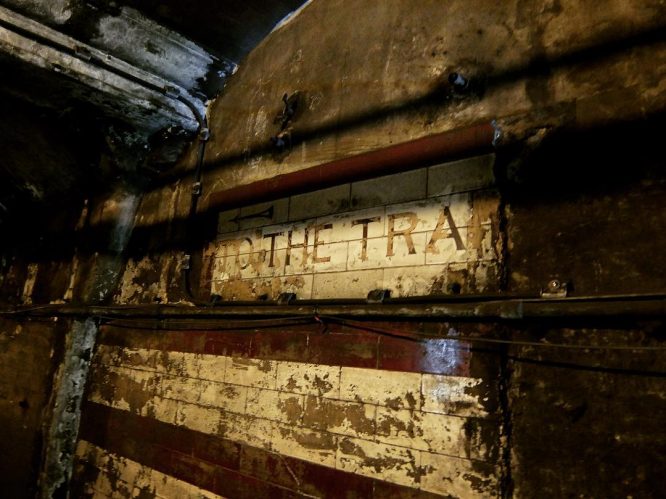
Once part of the Great Northern Piccadilly and Brompton Railway – which gave rise to the modern Piccadilly line – Down Street station was closed in 1932, a mere twenty-five years after opening. Squashed quite closely between Hyde Park Corner and Dover Street (now known as Green Park), it suffered from low passenger numbers due to both the proximity of its neighbours, and the wealth of its local residents, who could afford more comfortable means of transport.
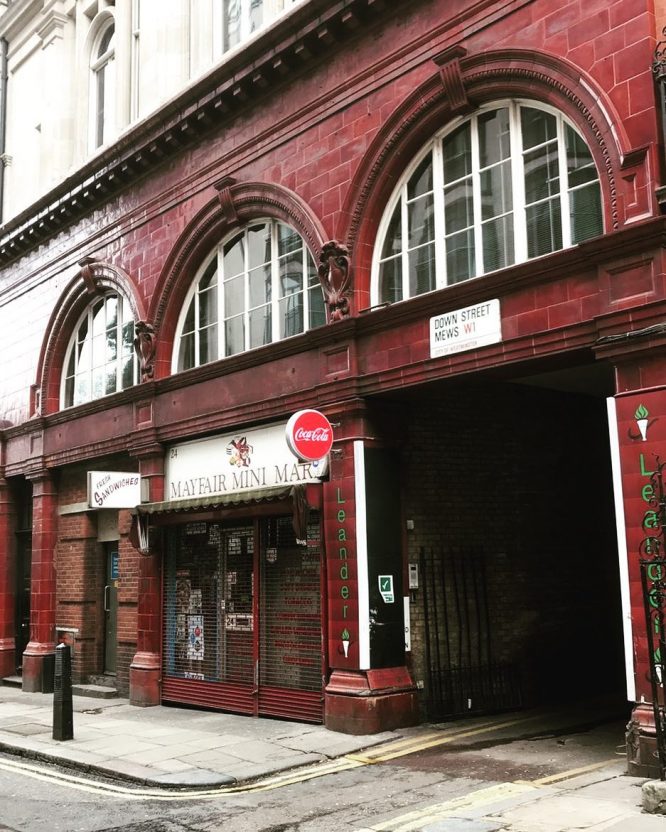
Down Street wasn’t out of action for too long, however; in 1939, it was earmarked for use during the war effort. Once the platforms were bricked up, it was home to the Railway Executive Committee, before playing host to Winston Churchill and his War Cabinet before the Cabinet War Rooms were built – Churchill was known to affectionately refer to it as “The Barn”. There was no further use for it after the war, which means Down Street has stood empty ever since – with a 2015 TfL call for commercial use proposals apparently going nowhere. Now, the London Transport Museum’s occasional Hidden London tours are the only way into the station.
2. Aldwych
Before there was the most pointless Tube journey in London, there was the Holborn to Aldwych branch – the OG of nonsensical Tube journeys. But first, some extremely confusing background!
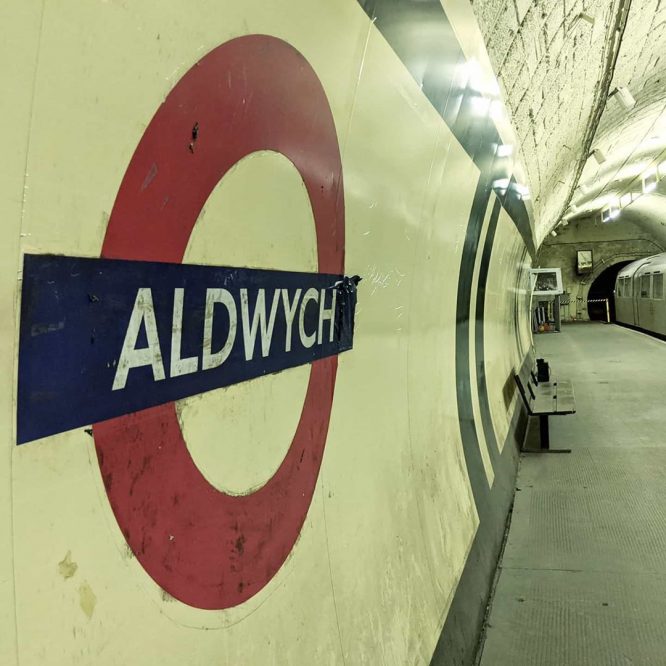
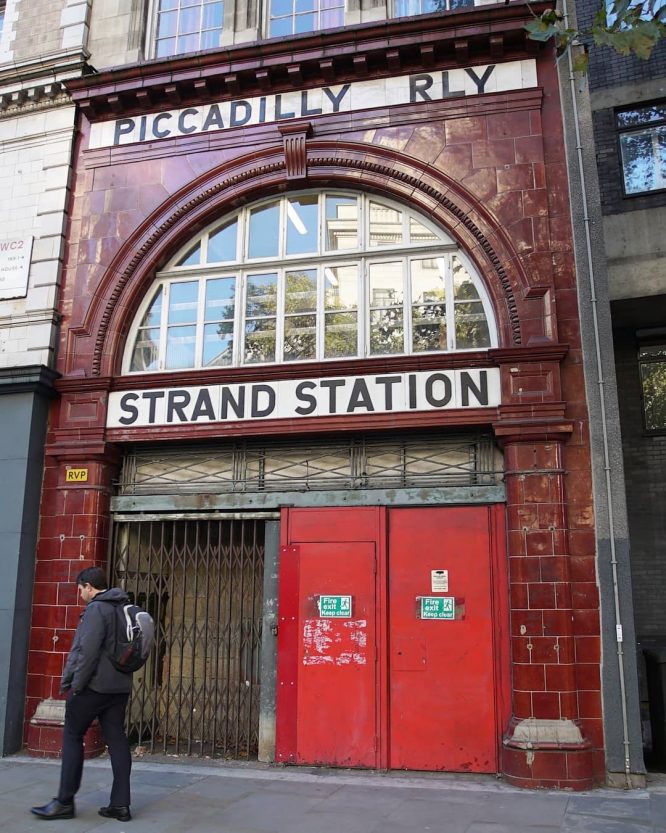
Aldwych was opened as Strand station in 1907, and was a project of the Great Northern Piccadilly and Brompton Railway, which had itself grown out of the merger of the Great Northern and Strand Railway (mooted to run from Wood Green to Strand) and the Brompton and Piccadilly Circus Railway (which would run from Angel out past South Kensington). Their eventual marriage made it convenient to connect the two lines, by linking Piccadilly Circus and Holborn via Leicester Square and Covent Garden. Strand was therefore left stranded as the only station on a weird southern spur of the Piccadilly line, with plans to link it to Fleet Street and the City of London in 1903 being swiftly nixed.
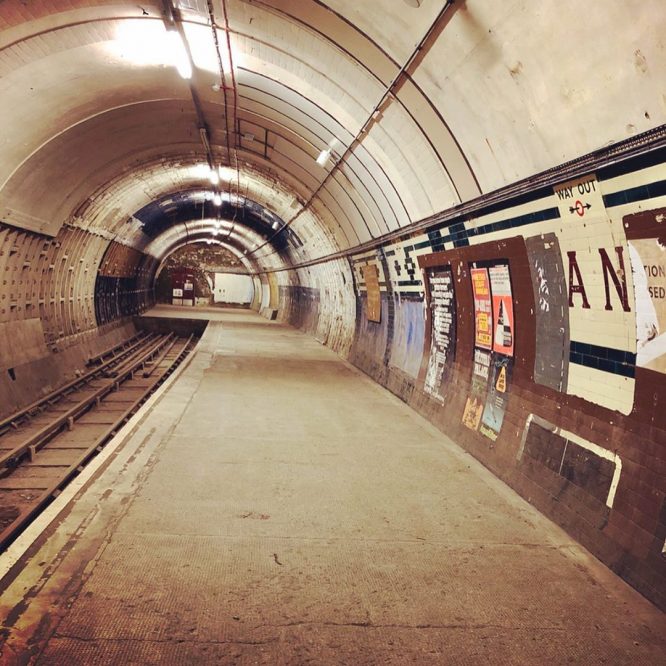
The station was renamed as Aldwych in 1915, and somehow survived nearly another 80 years despite being almost wholly redundant. You’d have to change at Holborn and take a one-stop train just to get there, and with the station located almost on top of Temple station, it wasn’t as if the area was poorly served by the Tube. From 1958, it ran only during peak hours on weekdays, before being finally, mercifully put out of its misery in September 1994 – and then only because it was too expensive to replace the lifts. Really, by far its most important use during its working life was to house the Elgin Marbles, which were stored in the tunnels between Holborn and Aldwych during The Blitz.
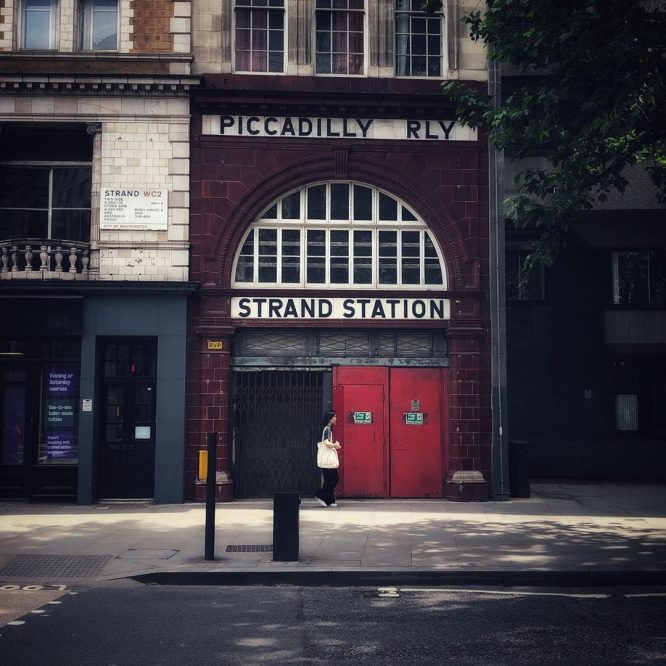
Nowadays (yes, we’re not done yet), the Grade-II listed façade looks out over the Strand as a reminder of the station’s former use. Down on the tracks sits a 1972 Northern line train, which has been used along with the station for filming on productions including Sherlock, V for Vendetta, Fast & Furious 6, Atonement, and Darkest Hour. Unless you plan on being cast in something soon, Hidden London remains your best way to see it.
3. South Kentish Town
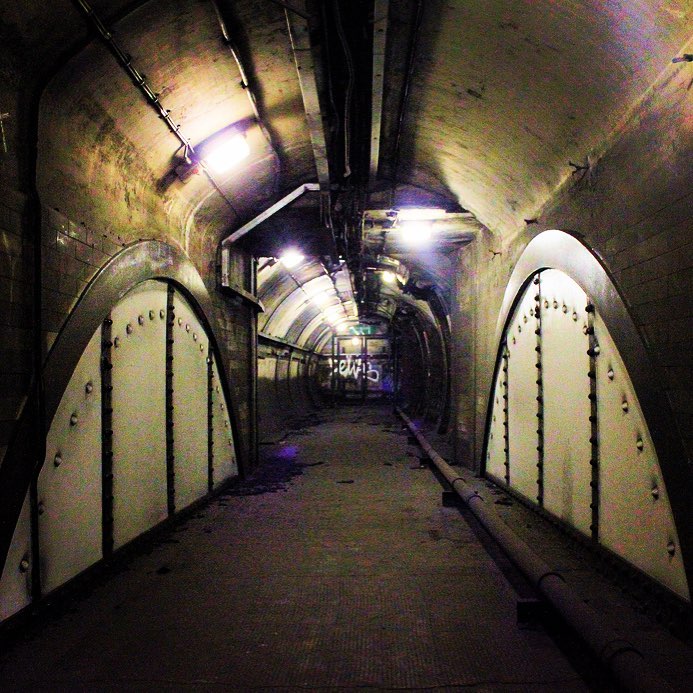
Frankly, this place was doomed from the start. It had been planned, designed, and executed under the name Castle Road to serve what is now the Northern line, but a few weeks before opening in 1907, the powers that be reversed their decision on the name – a costly volte-face which meant painting over the bespoke tiles they’d already installed. South Kentish Town was dogged by low passenger numbers from the very start, and as quickly as 1908, drivers began ignoring the need to stop there.
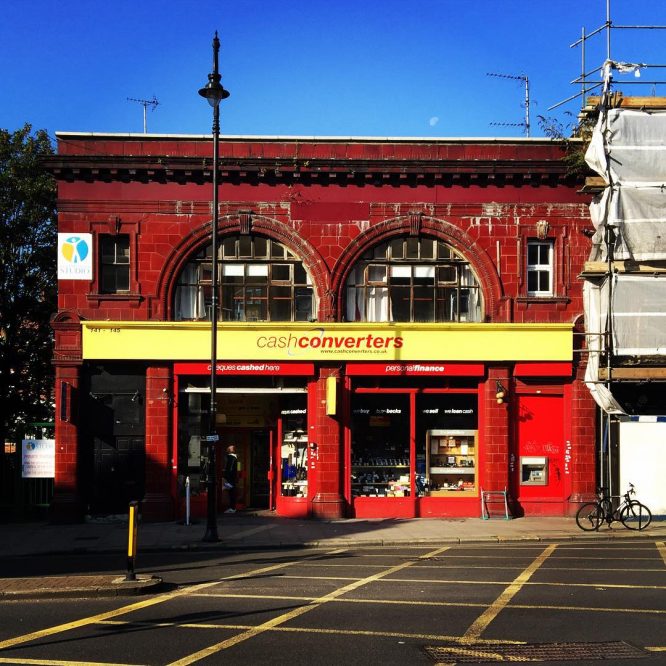
A power outage caused by a strike at Chelsea’s Lots Road Power Station in 1924 closed the station temporarily, but when the power came back on, the decision was taken not to bother reopening it. That’s about the most damning indictment of one’s usefulness imaginable, really. South Kentish Town is now home to tricky escape room Mission: Breakout, where you can puzzle out the mystery of a passenger who disappeared from the station in 1924. Knowing South Kentish Town as we do, someone probably just locked up and forgot about them…
4. City Road
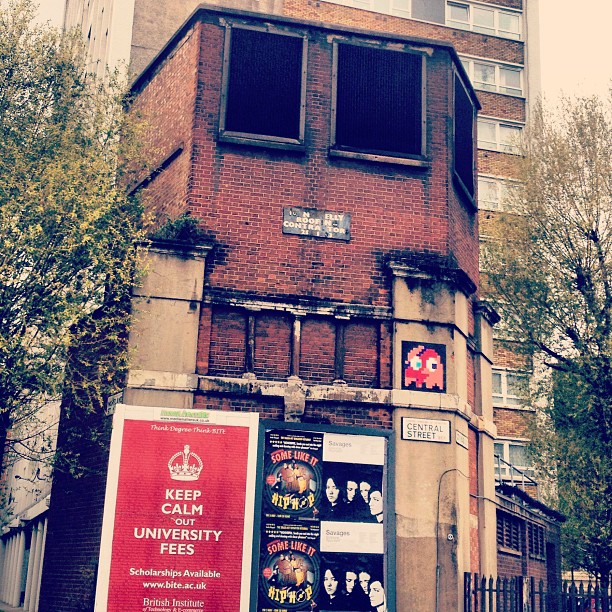
Another station that was marked for closure early on, City Road opened in 1901 and weathered calls to shutter as early as 1908. Again, low passenger numbers were the killer, as its lack of use meant that the cost of upgrading the station and expanding the platforms couldn’t be justified. Its closure in 1922 explains, amongst other things, why there’s such an interminable gap between Angel and Old Street on the Northern line.
Though most of the station was demolished in the 1960s, the lift shaft stood standing until 2017, when it was torn down and replaced with an energy centre. There’s good news to come out of this, though, for the centre helps funnel the ungodly heat of the tunnels towards warming up homes in Islington – a nice legacy for a recent disappearance amongst our abandoned Tube stations.
5. York Road
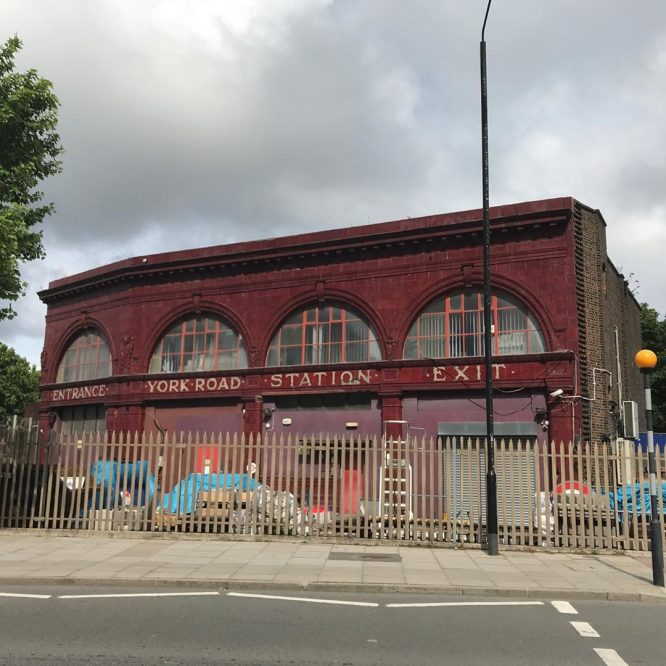
Back on the Piccadilly line now, and as one door opens, another closes – for York Road shuttered on the same day in 1932 that the Finsbury Park to Arnos Grove section of the line opened. It was an inauspicious end to a typically gorgeous Leslie Green-designed station, which had opened in 1906. With Kings Cross being so close, passenger numbers plummeted, and rumours of the station’s closure circulated for years before it was finally shuttered.
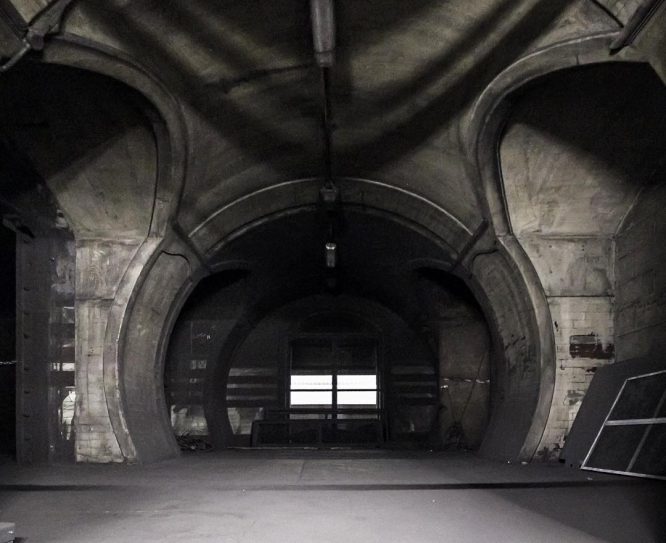
It remains one of London’s most complete abandoned Tube stations, with the oxblood tiling remarkably well preserved – and there’s a slight chance we could yet see the rebirth of York Road. An empty stretch of town for a while, the area has now been transformed by the redevelopment of Coal Drops Yard, Granary Square, and Kings Cross in general. This has given rise to the possibility of reopening the station, although TfL remains sceptical, reportedly scared off by increasing journey times on the Piccadilly line.
 London visitor